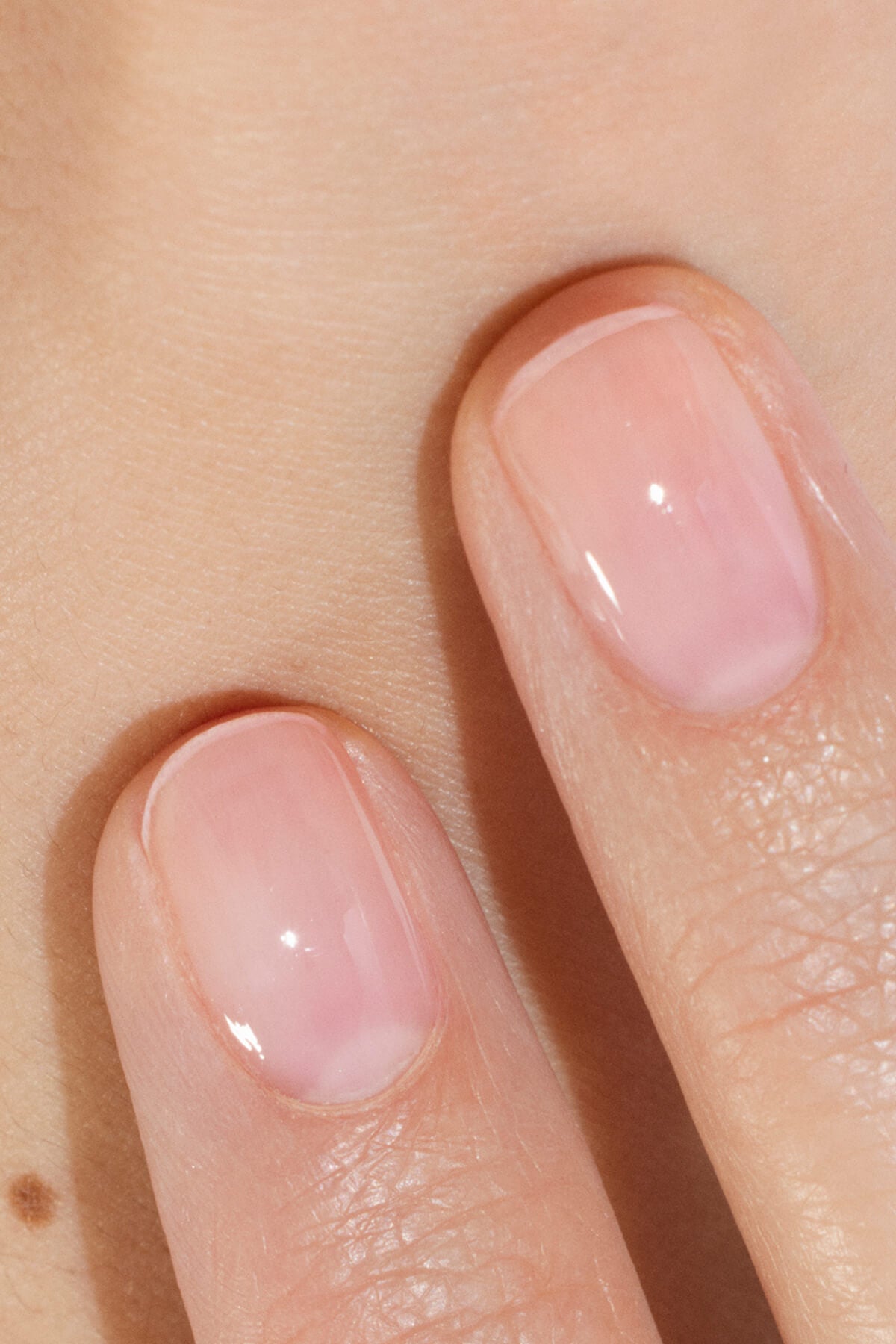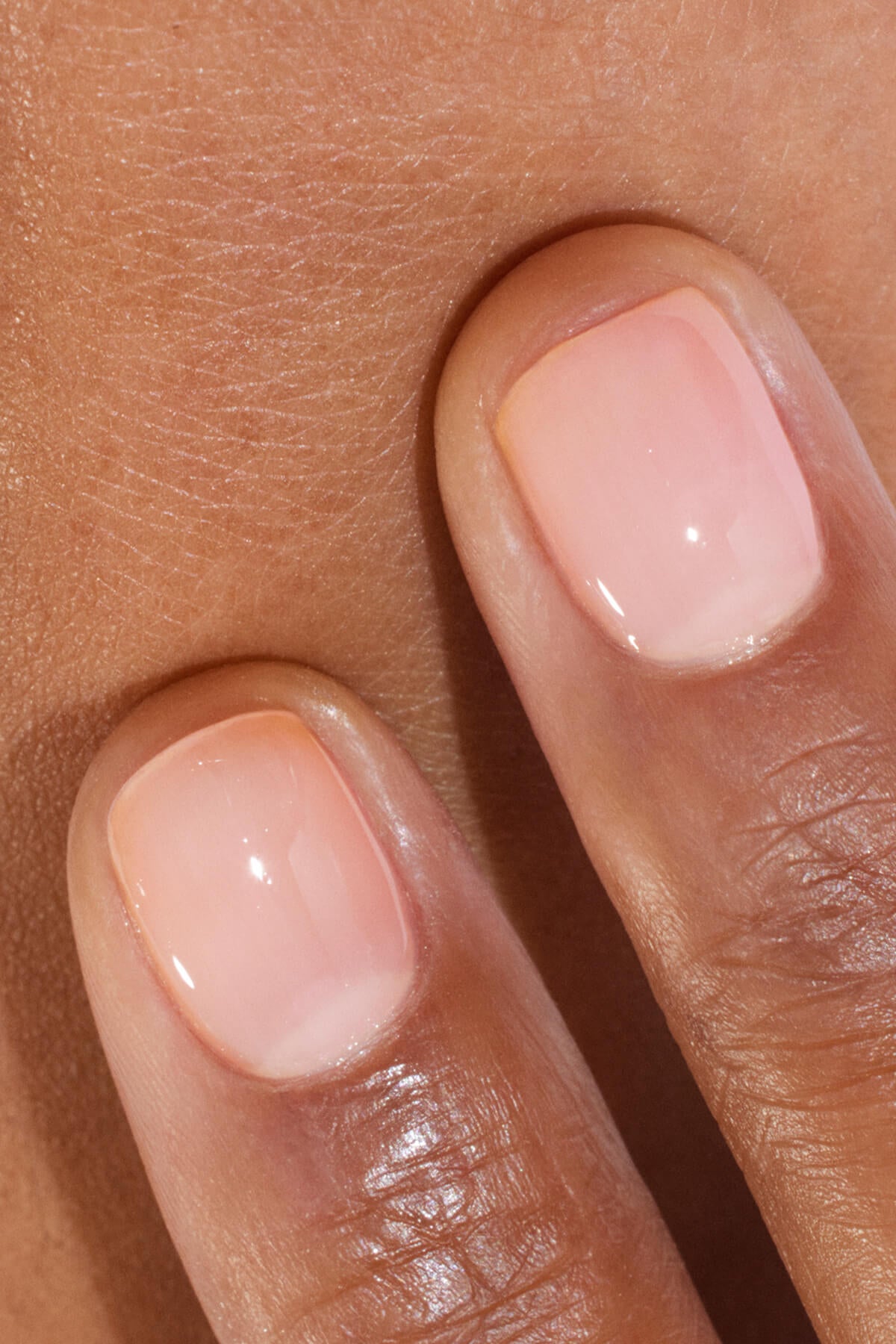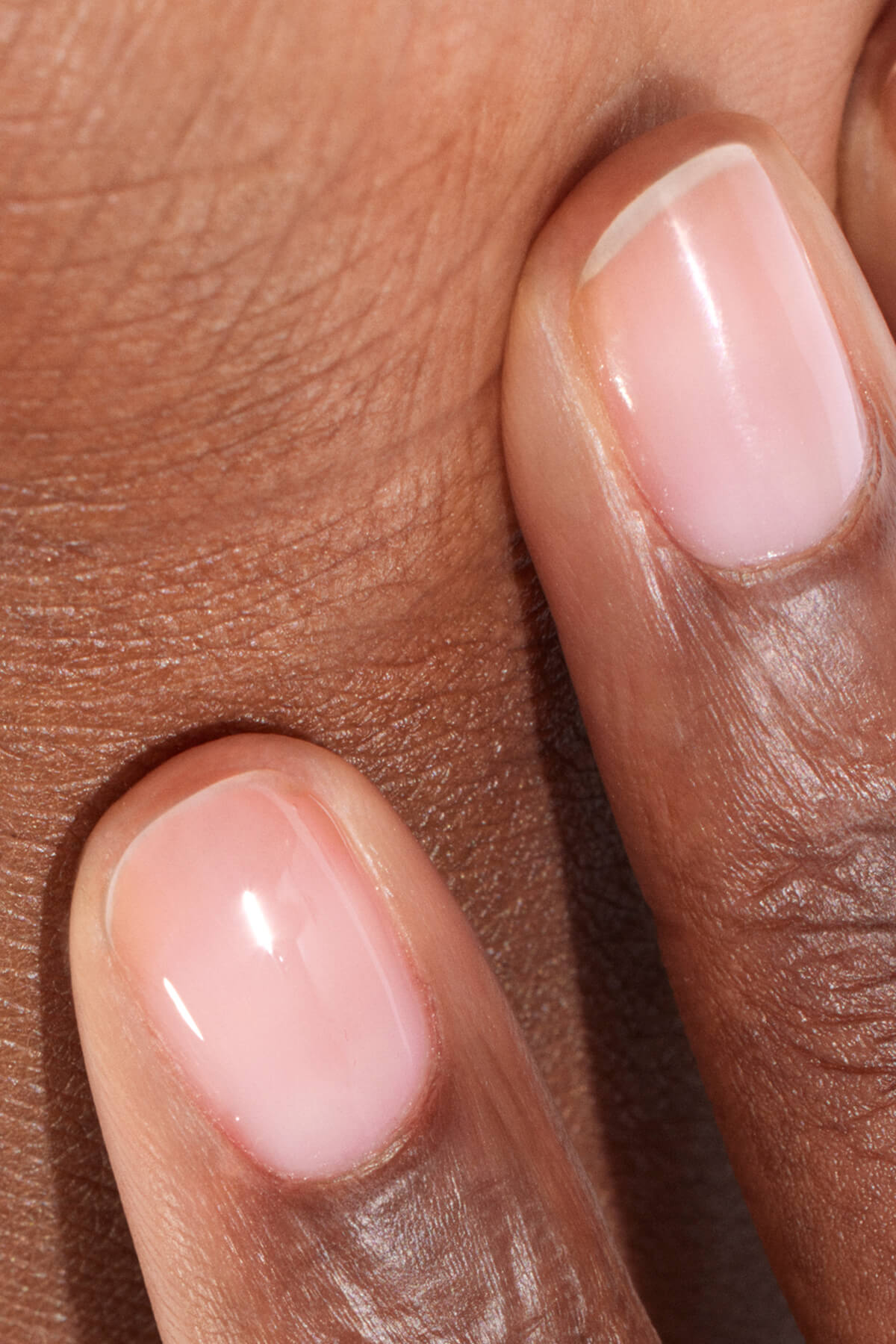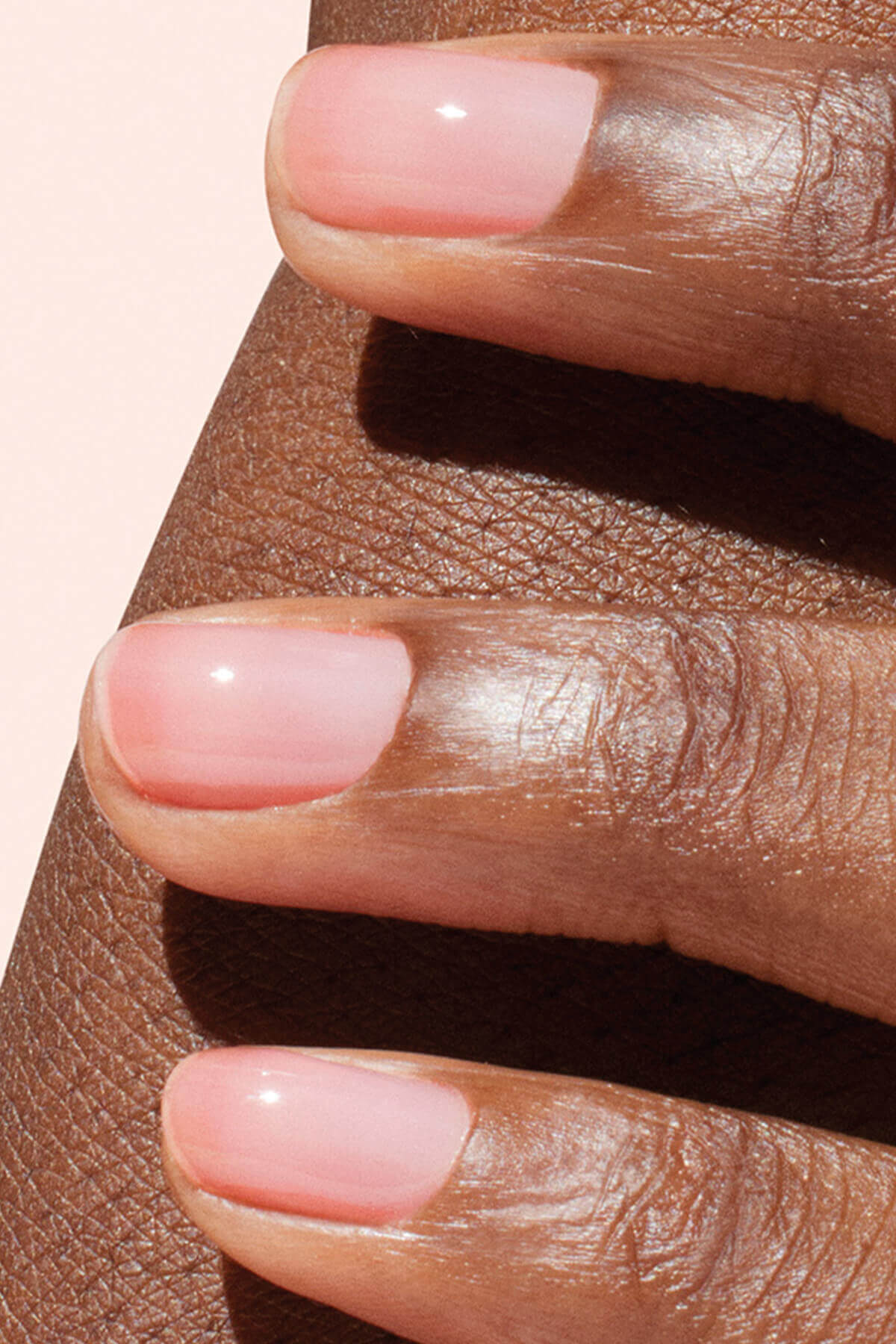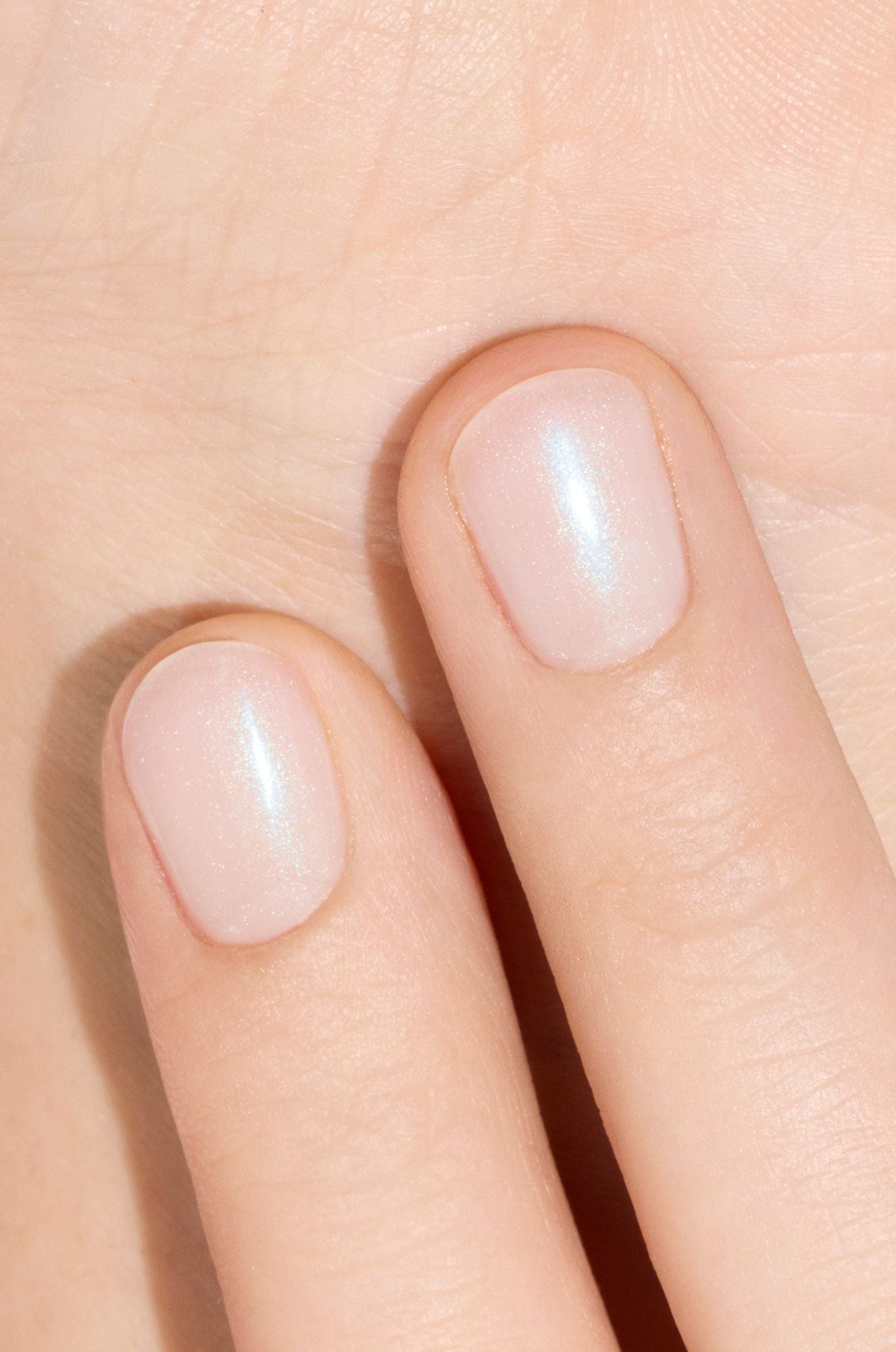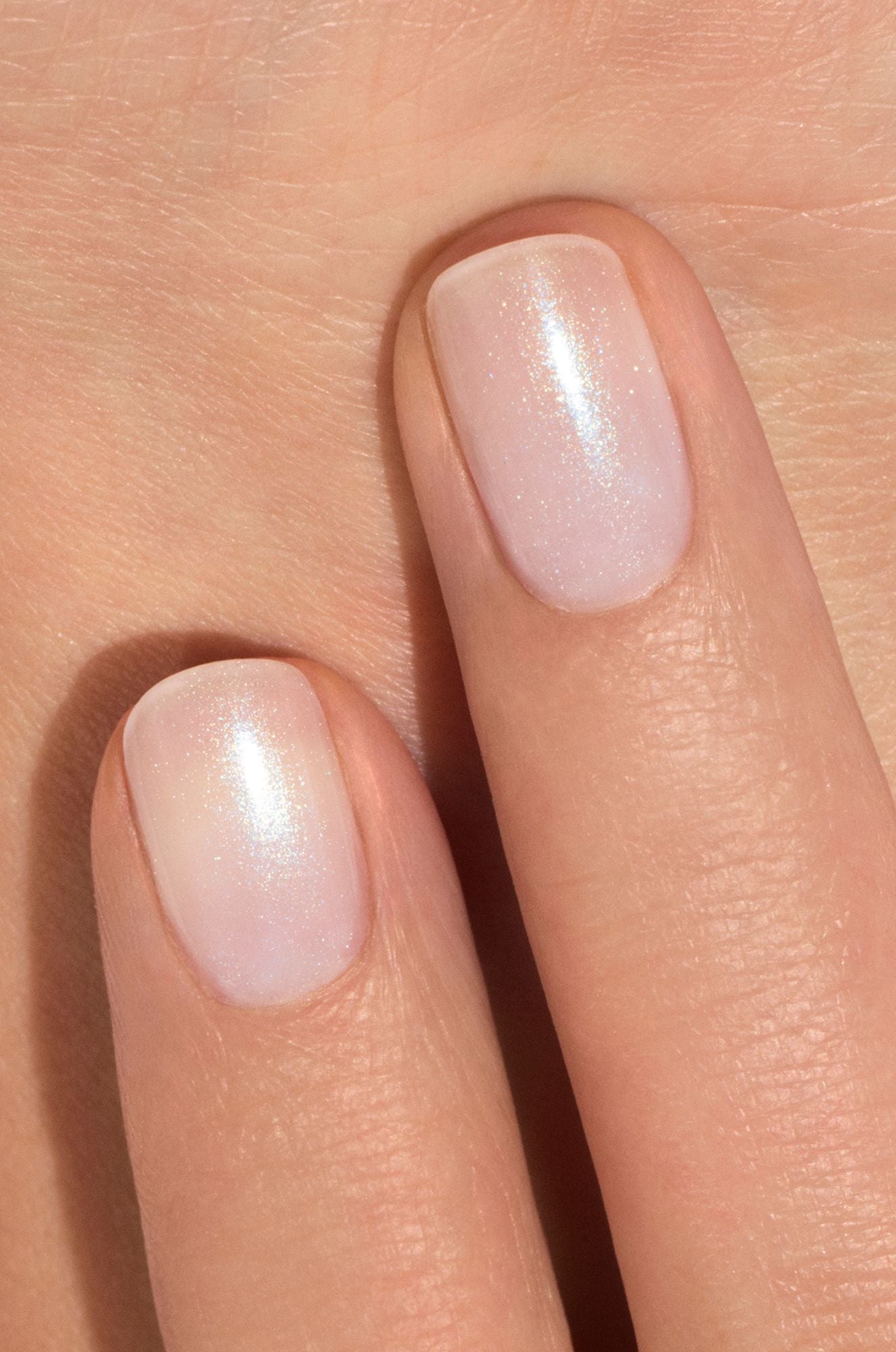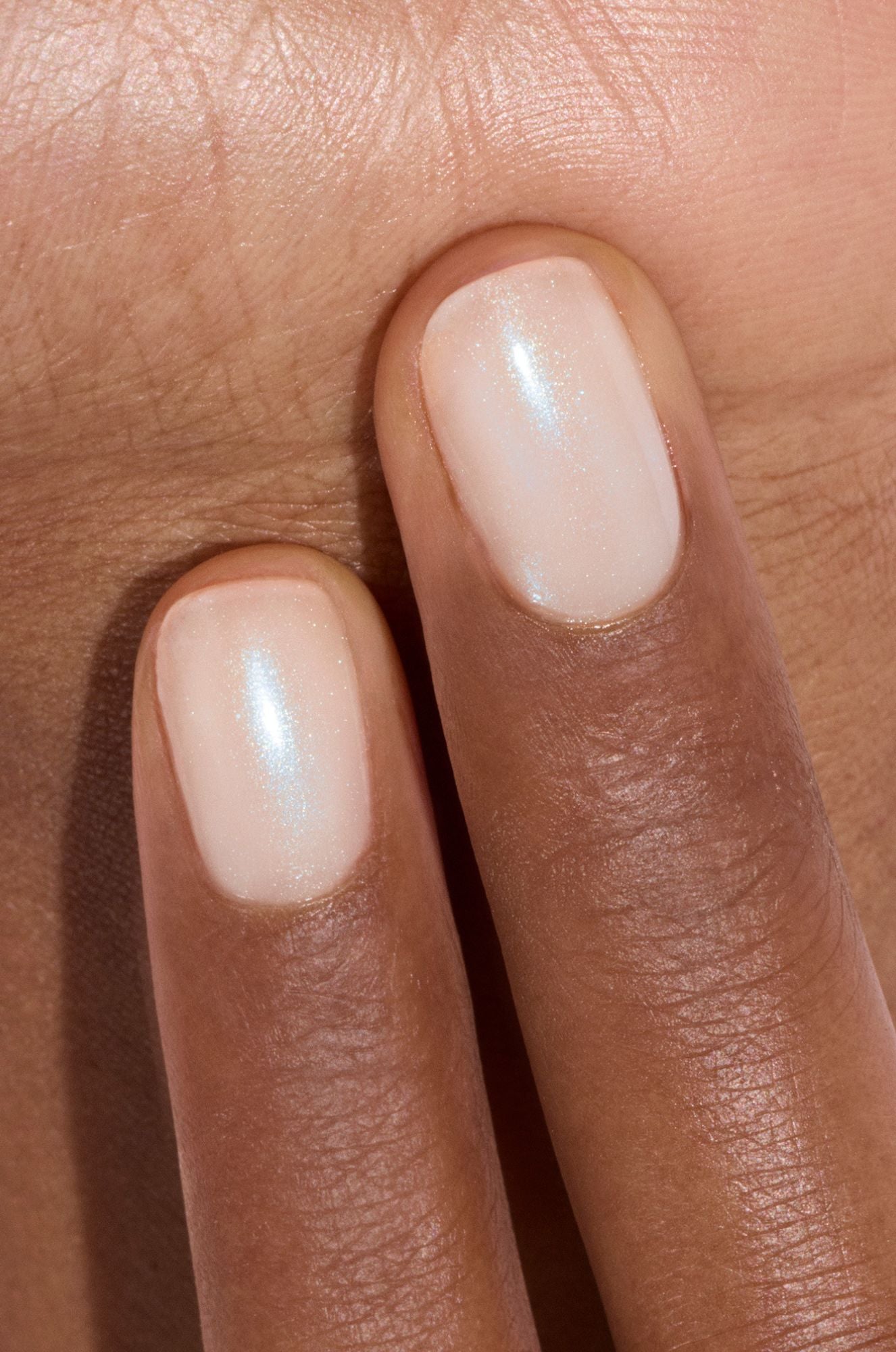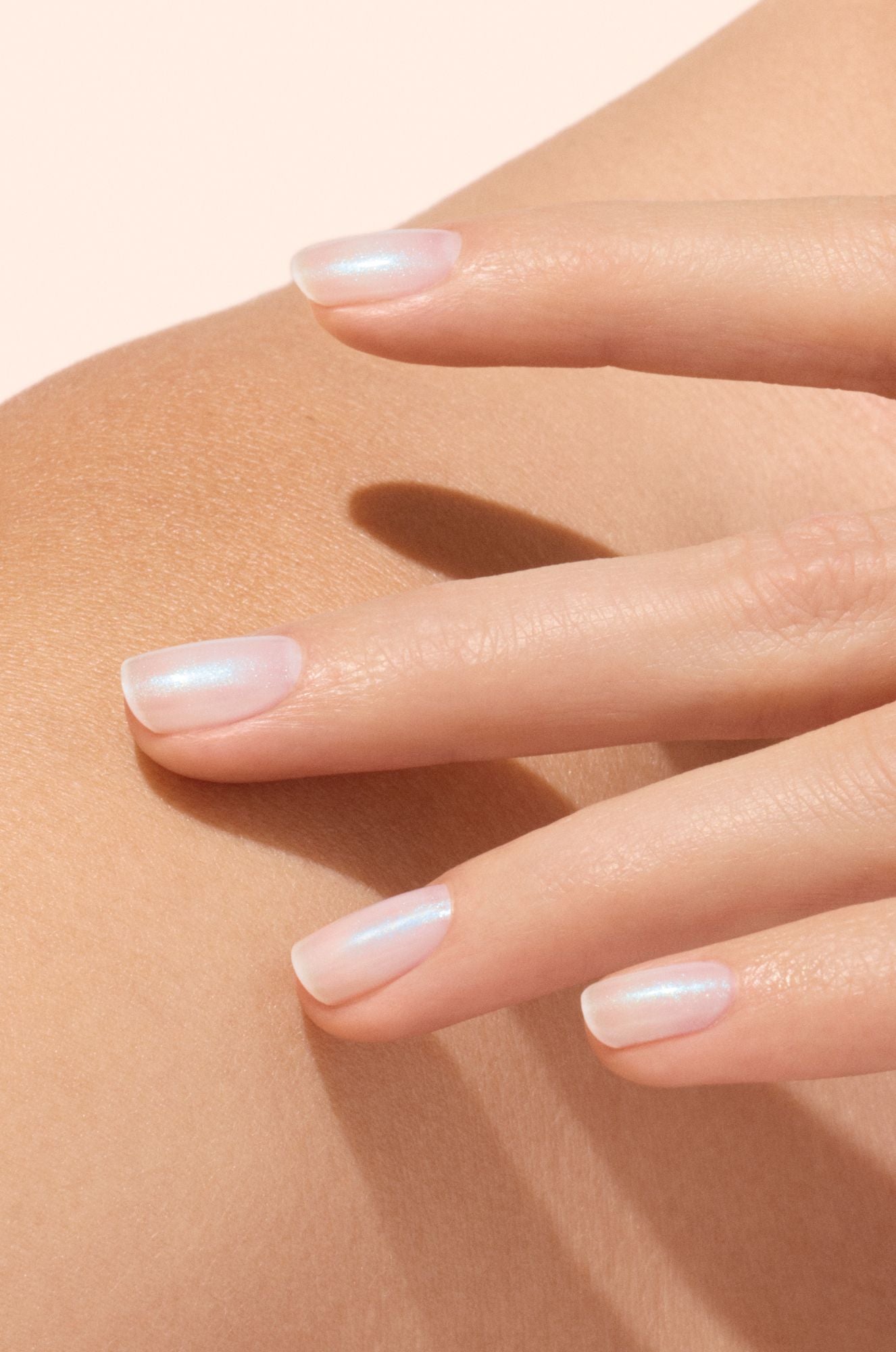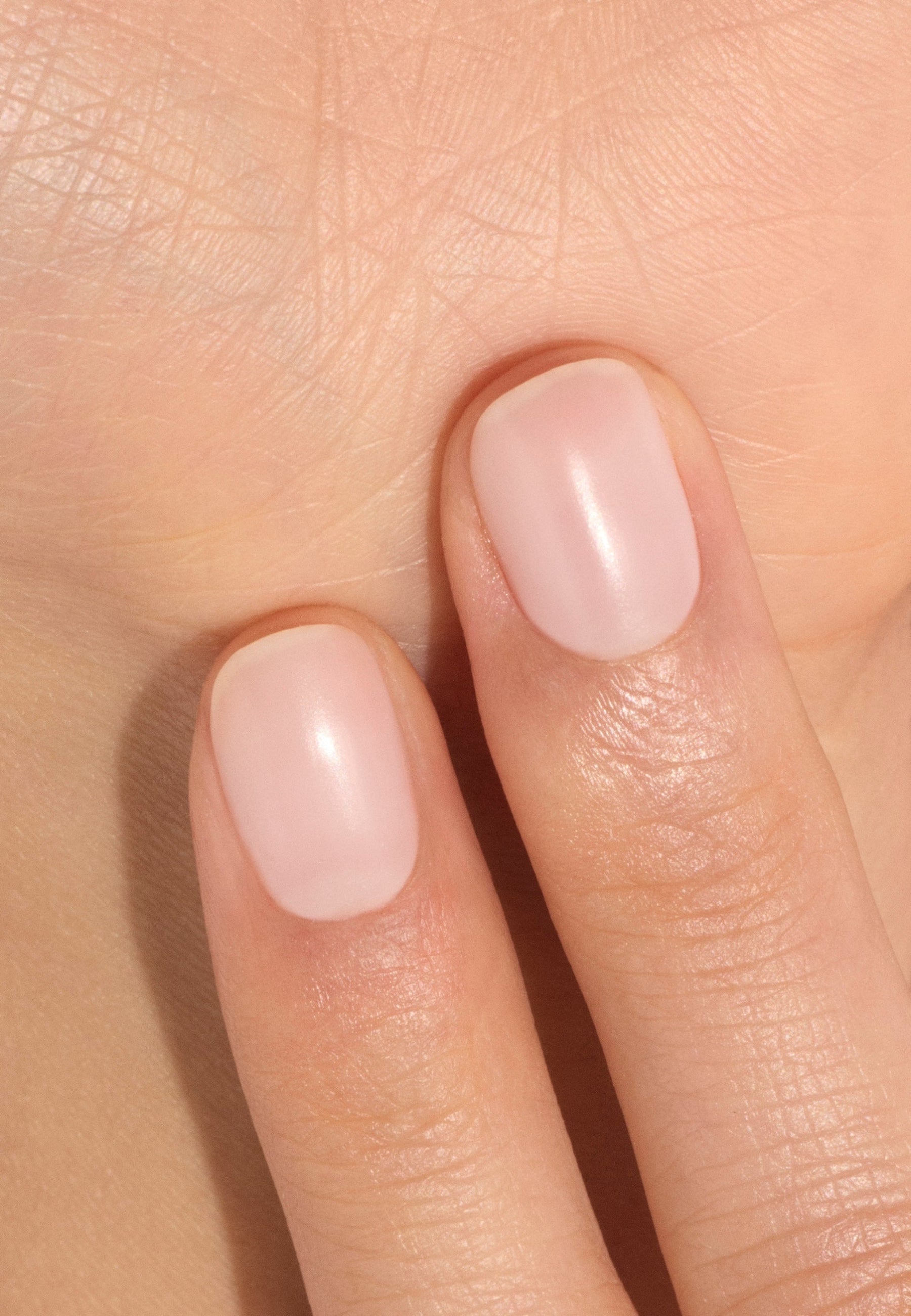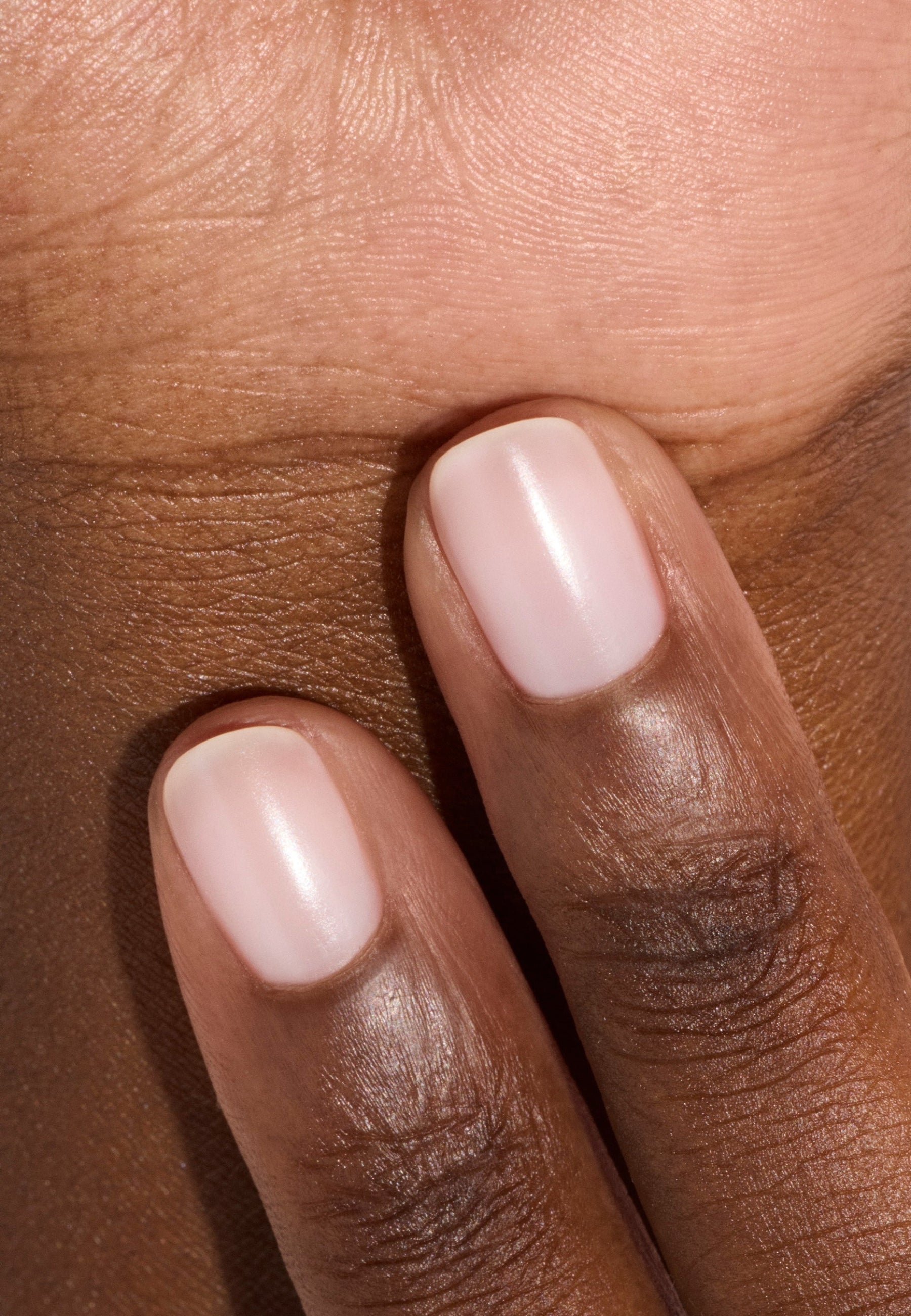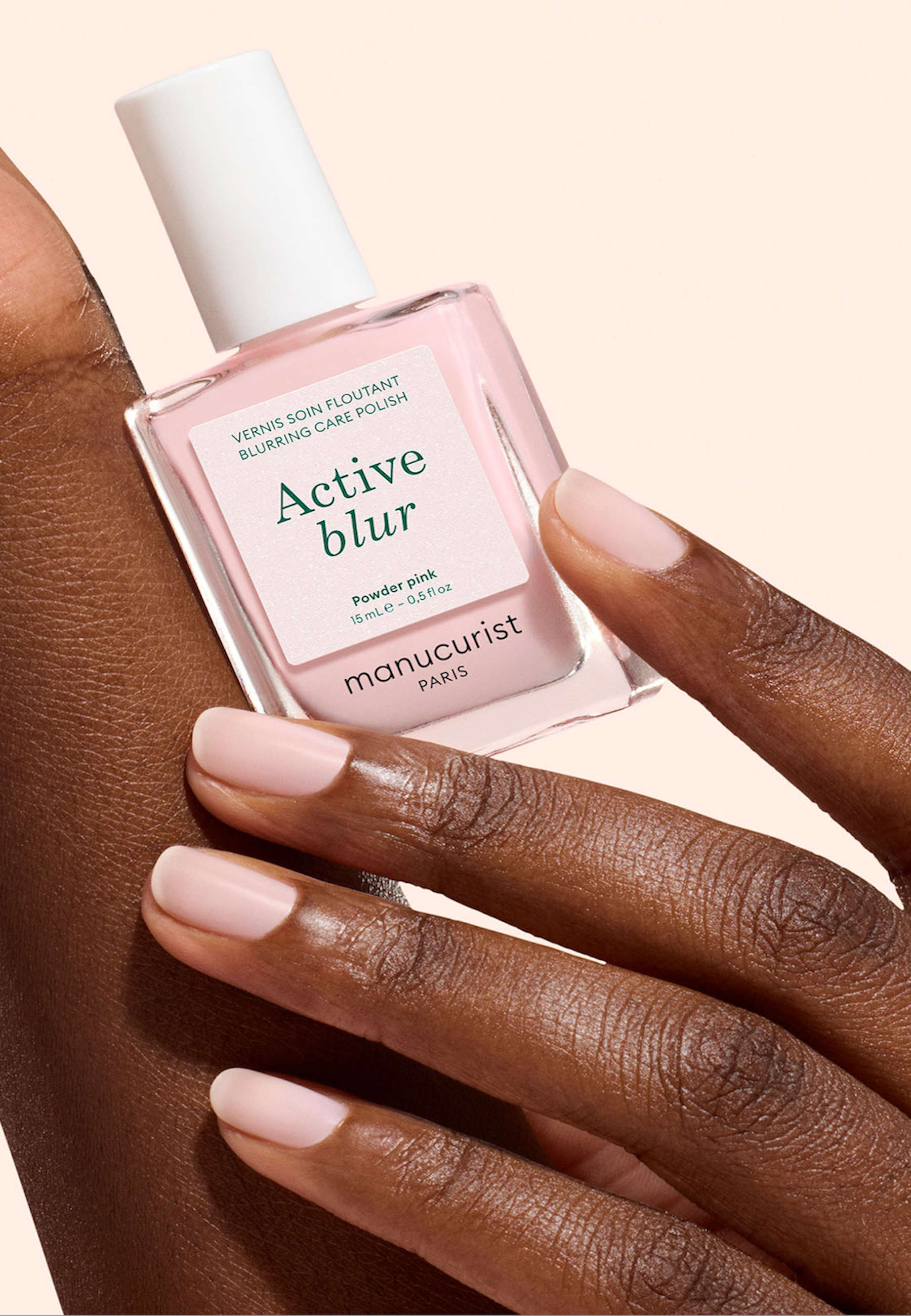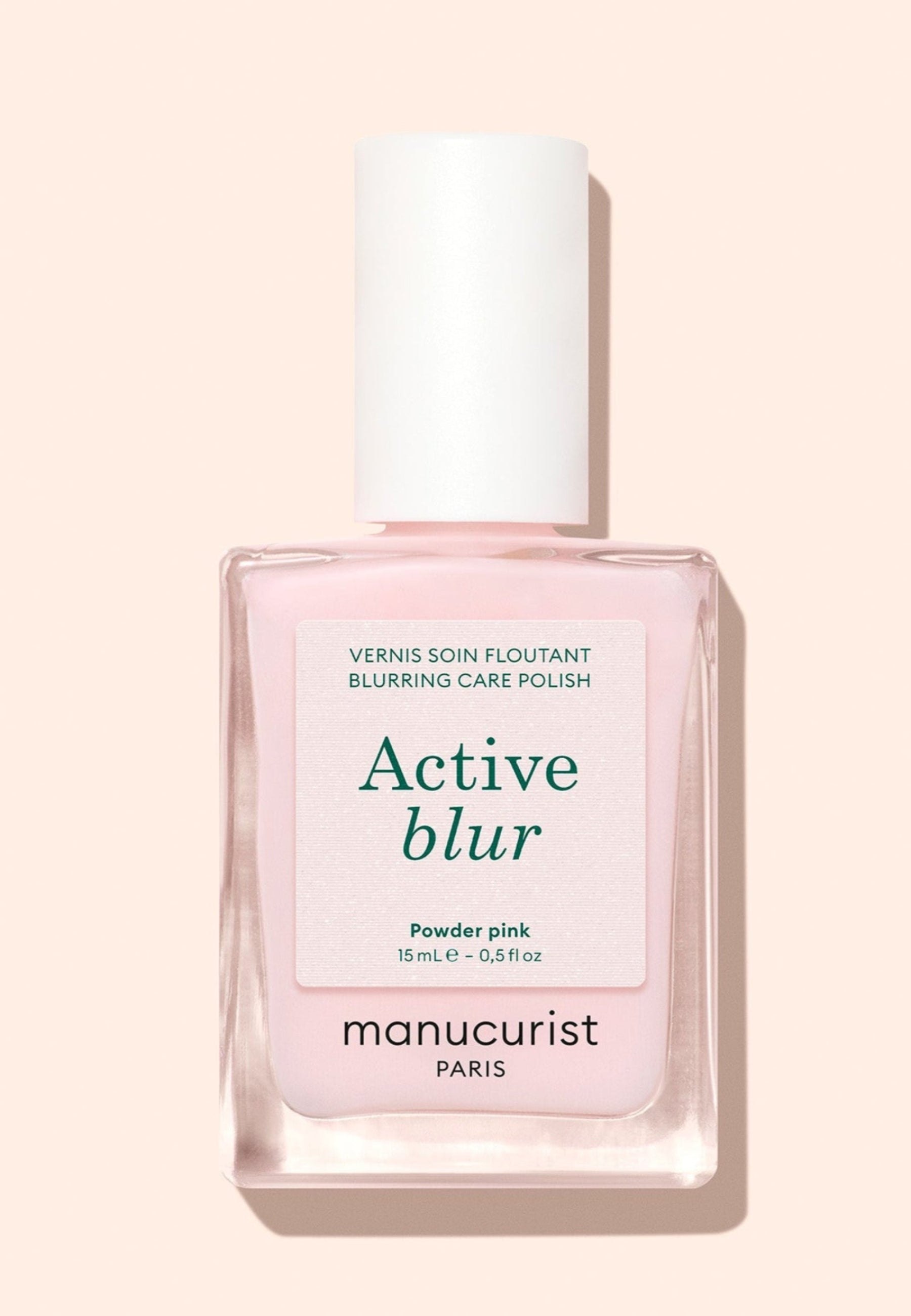


For about 15 years, semi-permanent varnish has become very popular. Its long hold, impeccable rendering and its brilliant mirror quickly seduced the addicts of the perfect manicure who want a result like pro, even at home. But one question often comes up: what are the side effects of semi-permanent varnishes on our nails? We're taking stock of what can weaken nails and how to preserve them.
To be noted:
- The semi-permanent offers mirror shine and long-lasting hold (2 to 3 weeks).
- The risks are mainly due to aggressive withdrawal or too frequent poses.
- A nail-friendly manicure requires preparation, moisturizing care and gentle removal.
- Check the composition: focus on bio-sourced and vegan varnishes, HEMA-free, TPO-free and without controversial substances.
What is semi-permanent varnish?
A nail polish that seems to have everything to please
At first glance, the semi-permanent varnish is the ideal nail polish which has only advantages:
- He's also easy to place as a classic varnish, ideal for a DIY manicure at home.
- It dries in a few minutes under UV or LED lamps.
- It is ultra-resistant and can hold without scawing for two to three weeks.
- It offers a gel effect and a mirror shine We love it.
So far, semi-permanent varnish has everything right but when you look at its composition, doubt arises.

Semi-permanent varnish, the ideal solution for a perfect manicure at home?
Controversial Ingredients
In Europe, cosmetics are subject to the Regulation (EC) No 1223/2009. It prohibits or restricts the use of many substances considered to be at risk in cosmetics sold in the EU (including classified substances). CMR — carcinogens, mutagens or reproductively toxic). By buying varnishes made in Europe, you have the guarantee to benefit from products free of problematic ingredients.
And if you are laying semi-permanent in beauty institute or buying gel or semi-permanent varnishes made outside of EU online, do not hesitate to check the composition of these products. Make sure they are HEMA-free (without methacrylate monomers), TPO-free and that they do not contain other prohibited substances such as DBP, toluene, formaldehyde, xylene, camphor, etc.
Risk-based withdrawal
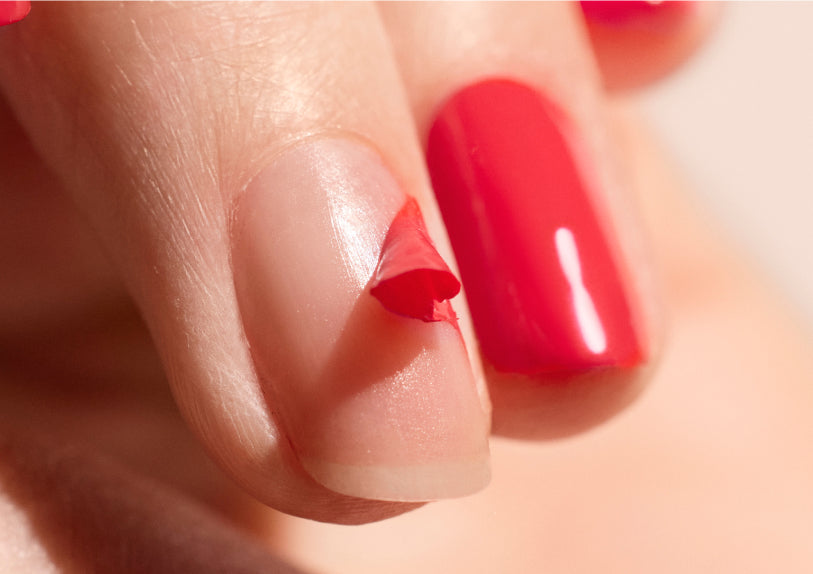
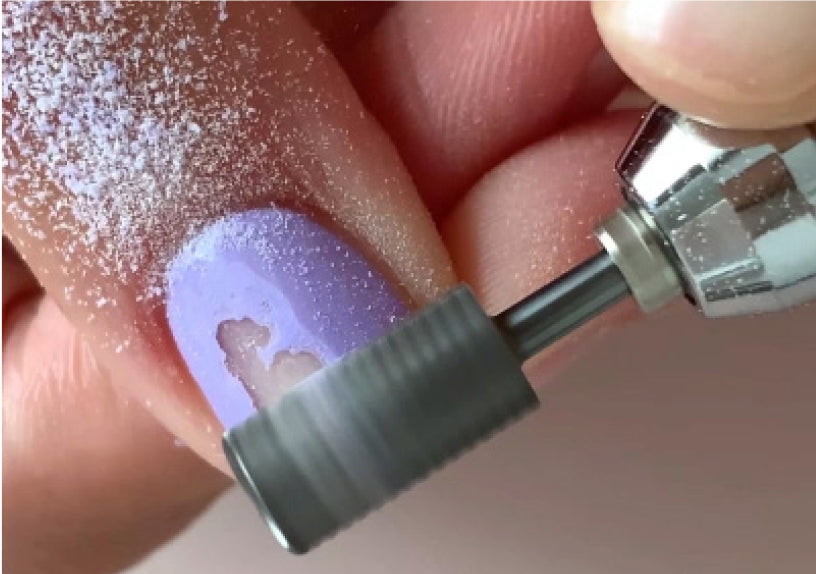
The deposit is probably the most delicate step in manicure, the one that puts your nails to a tough test. In the living room or at home, it is common to remove semi-permanent varnish with the help of a sander, nail file or acetone solvent. These techniques, which are poorly controlled, can damage the nail plate and dry cuticles.

A poorly controlled sander, lasting damage to the nail plate.
The effects of semi-permanent varnish on nail health
Not all nails react in the same way to semi-permanent varnishing. It all depends on their nature, the frequency of poses and the techniques used. The most common effects are:
Risks of using UV lamps
UV or LED lamps are essential for catalyze semi-permanent varnish and make it hard. Their ultraviolet rays are different from the UV rays emitted by the sun. Used reasonably (not too often, with a power of less than 48W and within the specified drying time), these UV/LED lamps do not have any no special danger (you do not risk skin cancer!)
With a longer catalysis time than LED lamps, UV lamps can generate a feeling warmed up, especially on sensitive nails. It is therefore advisable to focus on LED lamps, more effective and less energy-intensive, and apply a sunscreen before manicure, especially for sensitive skin or in case of photosensitizing medical treatment.

Apply a sunscreen to sensitive skin before manicure to prevent UV reactions from drying lamps.
Keratin layer alteration
L keratin, a fibrous protein that accumulates and hardens by forming superimposed layers. Remove semi-permanent varnish by grinding or sizing can end up alter this structure, a fortiori if you don't have perfect mastery of the technique. The result is: the plate is refined and the nail becomes soft, dull, split or brittle. In the longer term, the nail growth can be disturbed and striations may appear on the surface. On the manicure side, varnishes are getting harder and harder to hold.
Dehydration of the nail contour
The use of a semi-permanent acetone dissolver. The concern is that acetone is an aggressive solvent that dissolves the natural oil of the nail. The cuticles dry out and the nail loses its natural shield against external aggression with increased risk of infection.
Risks of nail sensitization
Redness, inflammation or allergic reactions are the warning signals your nails send when they are weakened or in contact with an allergenic product. This happens when you chain the semi-permanent manicures, without rest or nail care between two poses. Although it is tempting to change the color of varnish according to your moods (we understand you!), we recommend you dwait one to two weeks between each semi-permanent manicure. Take advantage of this to adopt a new routine that combines semi-permanent varnish and healthy nails.

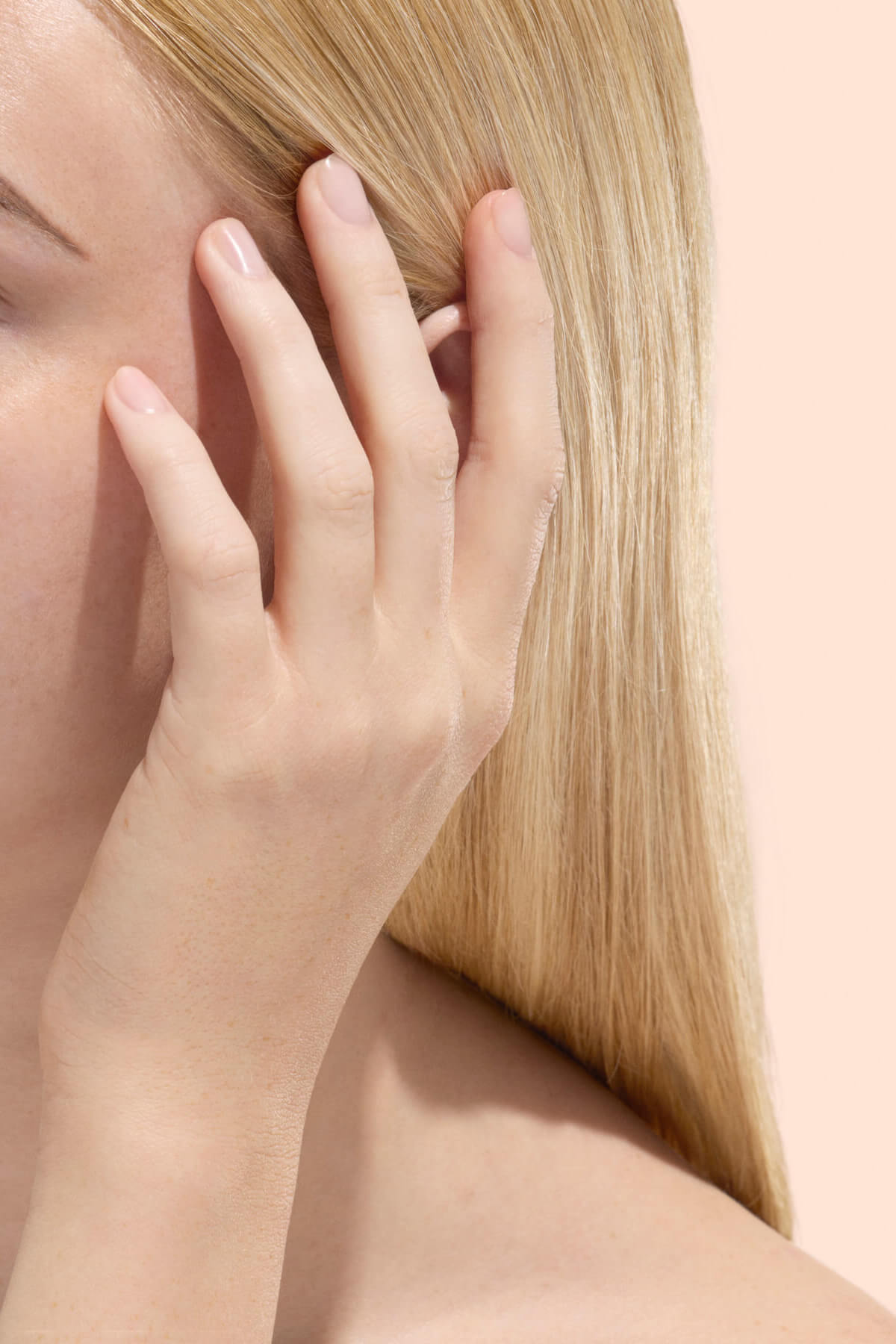
Instead of chaining semi-permanent varnishes, take a break and pamper your nails.
How to combine semi-permanent varnish and healthy nails?
Avoiding nails damaged by semi-permanent varnishes is possible and it's not difficult! Step by step you are being guided to a manicure that respects the health of your nails.
Treat your nails before, during and after semi-permanent application
A perfect and safe manicure starts well before the color and depends on several essential gestures:
- Nails fed and hydrated daily with nourishing oil for nails and cuticles such as theGreen oil, a complex of 6 vegetable oils (sweet almond oil, nuts, coconut, passion fruit, baobab and bancoulier) that regenerates the nail and its contour and promotes healthy growth.
- The well prepared nails The Commission has decided to: nails to give them a harmonious form, cuticles repelled to clear the plate, a depoliticized surface (to open keratin scales) and defatted.
- One Protocol of pose respected: following the 4 layer rule 1 base coat, 2 layers of colour, 1 layer of top coat) applied in thin layers, without overflowing on cuticles, and catalyzed under UV/LED lamp the time indicated.
- Right after the installation and until the varnish is removed, we continue to moisturize with oil specific for nails and cuticles.

Successful and safe manicure requires good gestures.
To sum up:
- Prepare your nails: sift, push back cuticles, depolish and degrease the plate.
- Hydrate daily with Green Oil (6 vegetable oils) or a suitable serum.
- Follow the 4 layer rule: 1 base coat, 2 layers of color, 1 top coat, catalyzing under UV/LED lamp.
- Take breaks of 1 to 2 weeks between each pose to let your nails regenerate.
Discover safer alternatives for manicure
Our semi-permanent varnish LED are designed for combining performance and soft gestures. An effective solution to enjoy the advantages of this type of varnish without suffering the disadvantages. Here's how:
Non-toxic semi-permanent varnish : before the European Union even forbids them, the formula of the varnish Green Flash™ was without any molecule at risk to health.
A vegan and bio-based formula up to 84%, in which the ingredients from petrochemicals have been replaced by safer and more durable plant alternatives.
KeraHCE+ technology innovative, contained in the Base Vitamin Coat Green Flash™, which combines hexanal, vitamin C and vitamin E, and made Green Flash™ the first semi-permanent fortifies and protects nails under the color.
To achieve this routine at home with essentials, you can start from a semi-permanent varnish kit Green Flash™

With Green Flash™ , opt for a bio-based semi-permanent varnish formula and technology that protects nail.
Modular long-term maintenance Depending on your needs:
- An intense color and a mirror shine for 12 days with the Top Coat Green Flash™.
- Extreme shine, a curved gel effect and an ultra pigmented color for 21 days with the Top Coat Xtrem Flash™.
Removal without sanding or acetone : with the Soft solvent Green Flash™, formulated without acetone and enriched with castor oil, the varnish withdraws in peel-off, without sanding or scraping. The nail is intact, perfectly preserved and hydrated.

A semi-permanent varnish that lasts up to 21 days and gently withdraws: this is the effect Xtrem Flash™ - I'm not.
Remove your varnish gently
As noted above, semi-permanent removal is potentially the most dangerous step for your nails. Fortunately, there are much softer removal methods that respect nail integrity. With Green Flash™ , no need for aggressive solvents. : one dissolvent without acetone Enough.
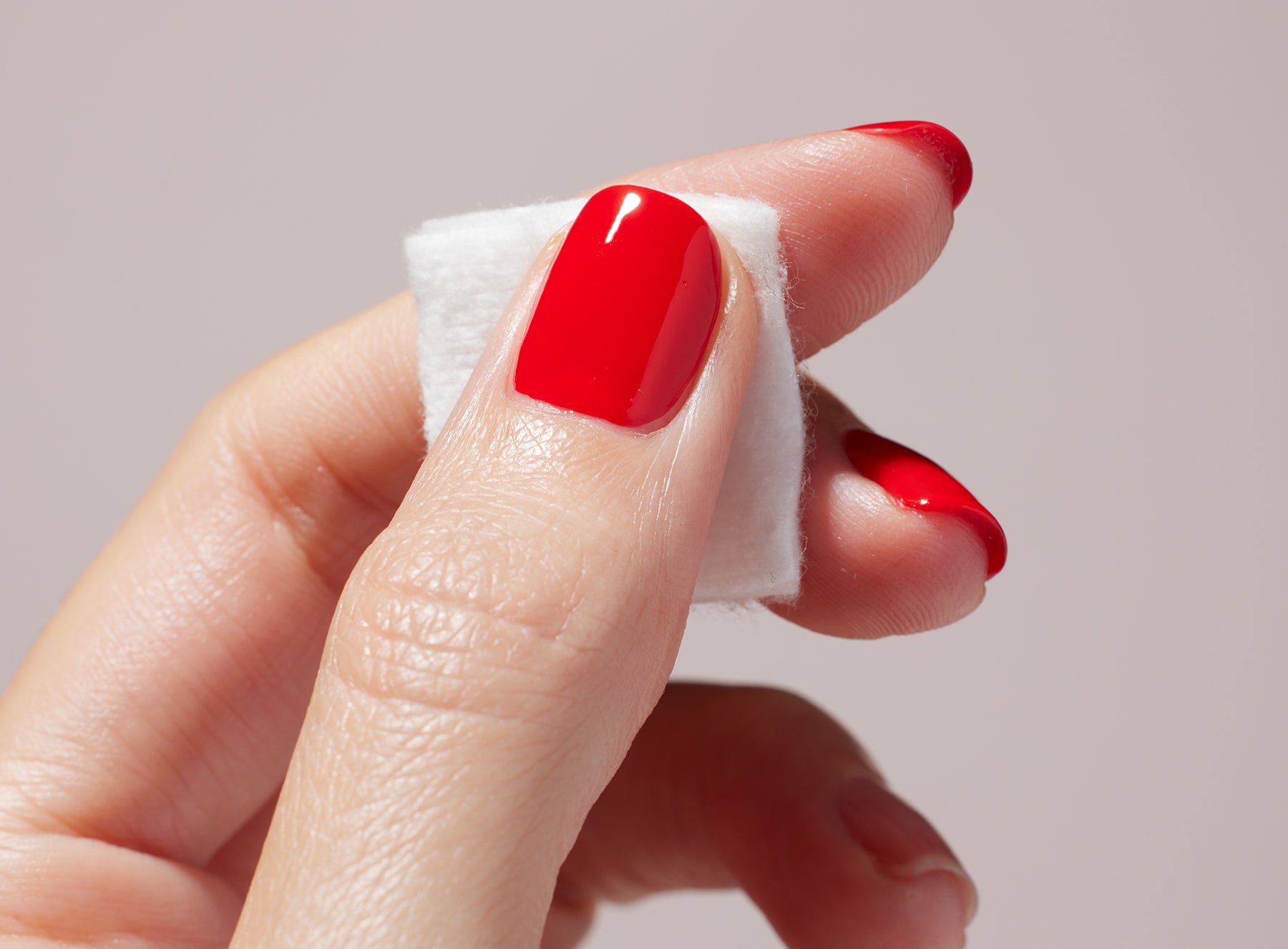
Just apply to each nail a square of cotton soaked with soft solvent Green Flash™, held by a pull-off clamp. Wait 1-2 minutes for the removal of a manicure Green Flash™ and 10 minutes for the removal of a manicure Xtrem Flash™ And the trick is done! The varnish is softened and withdraws in peel-off with a box stick. All you have to do is clean the varnish residue with a little soft solvent and apply a drop of Green Oil massage on each nail to moisturize.
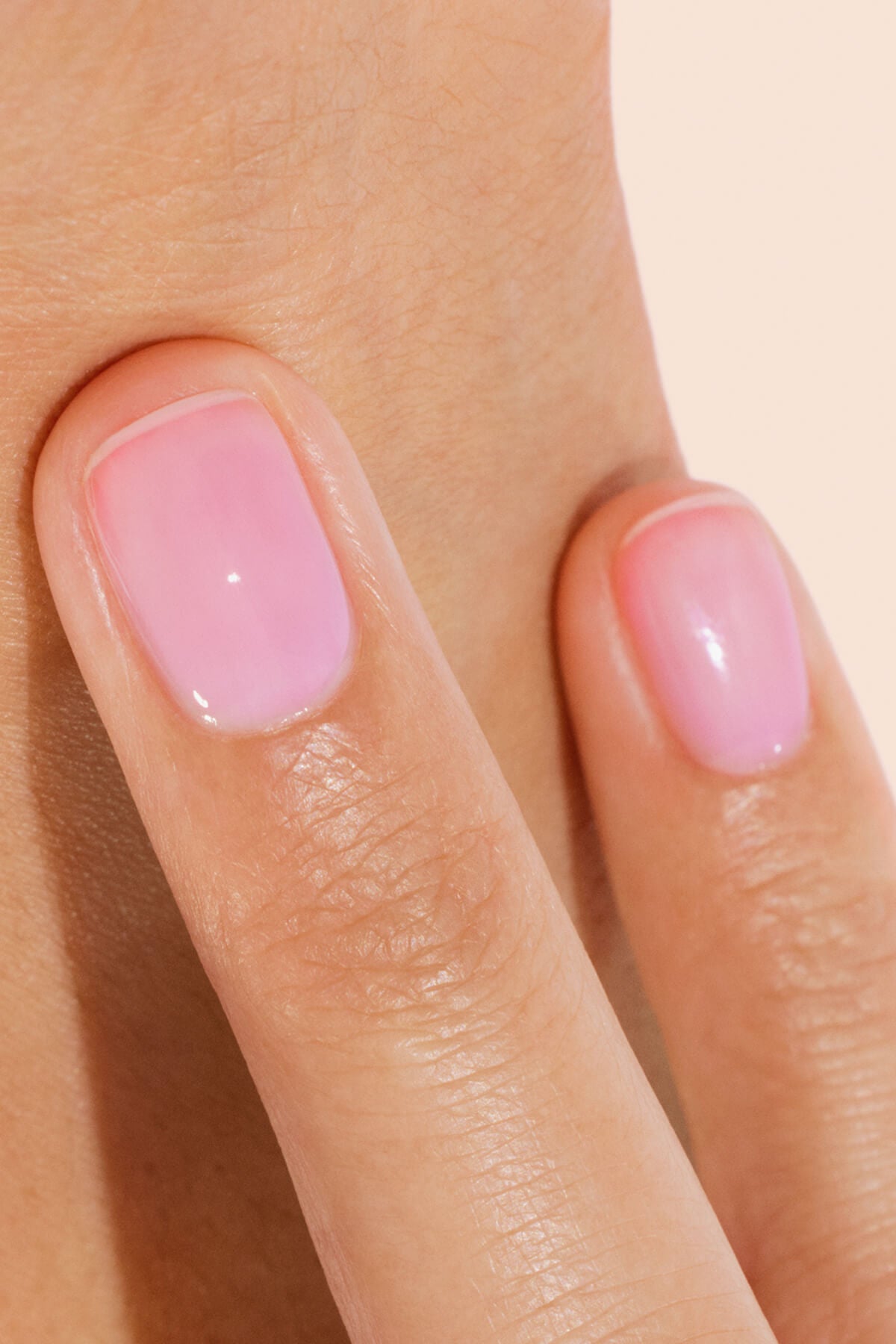
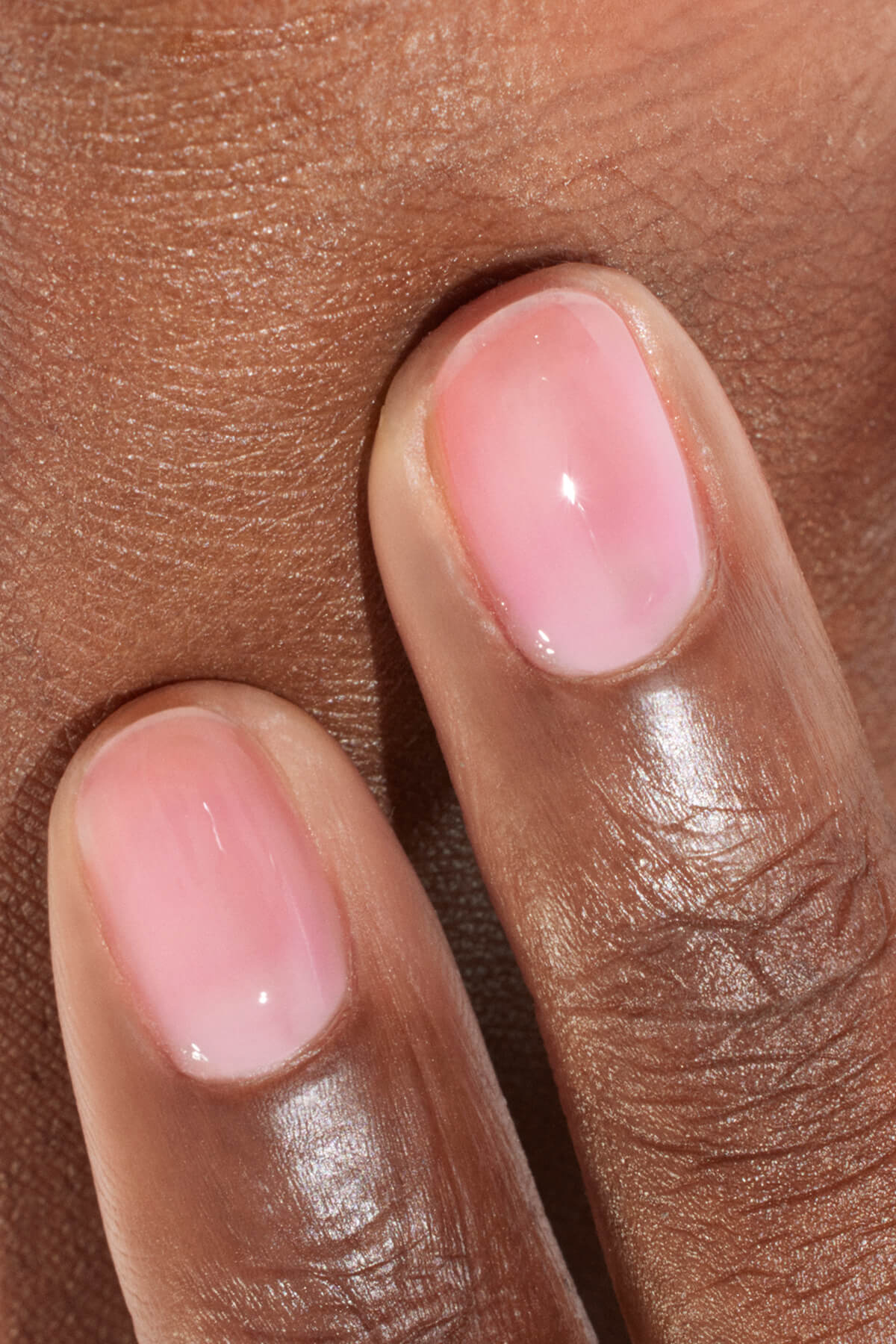
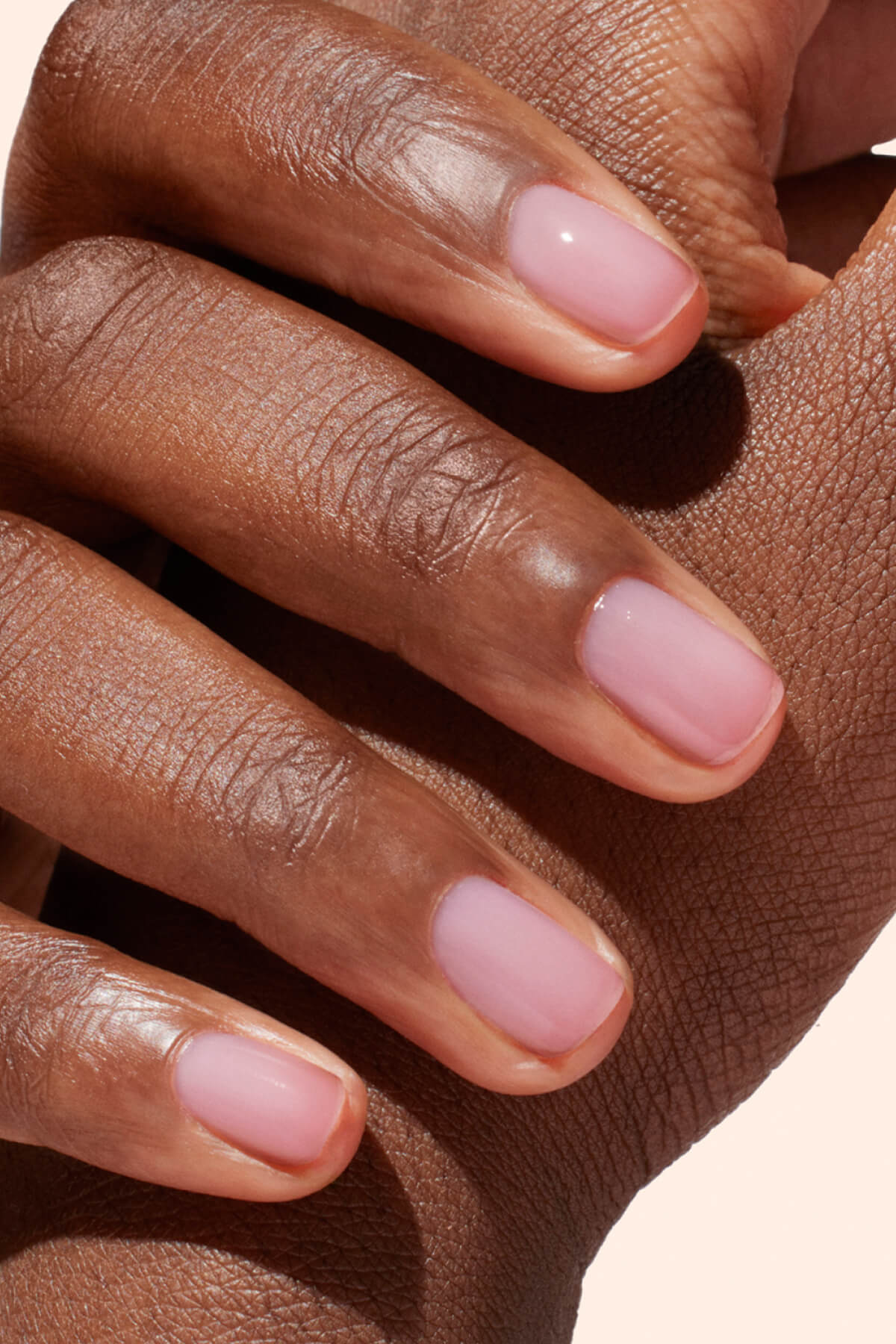
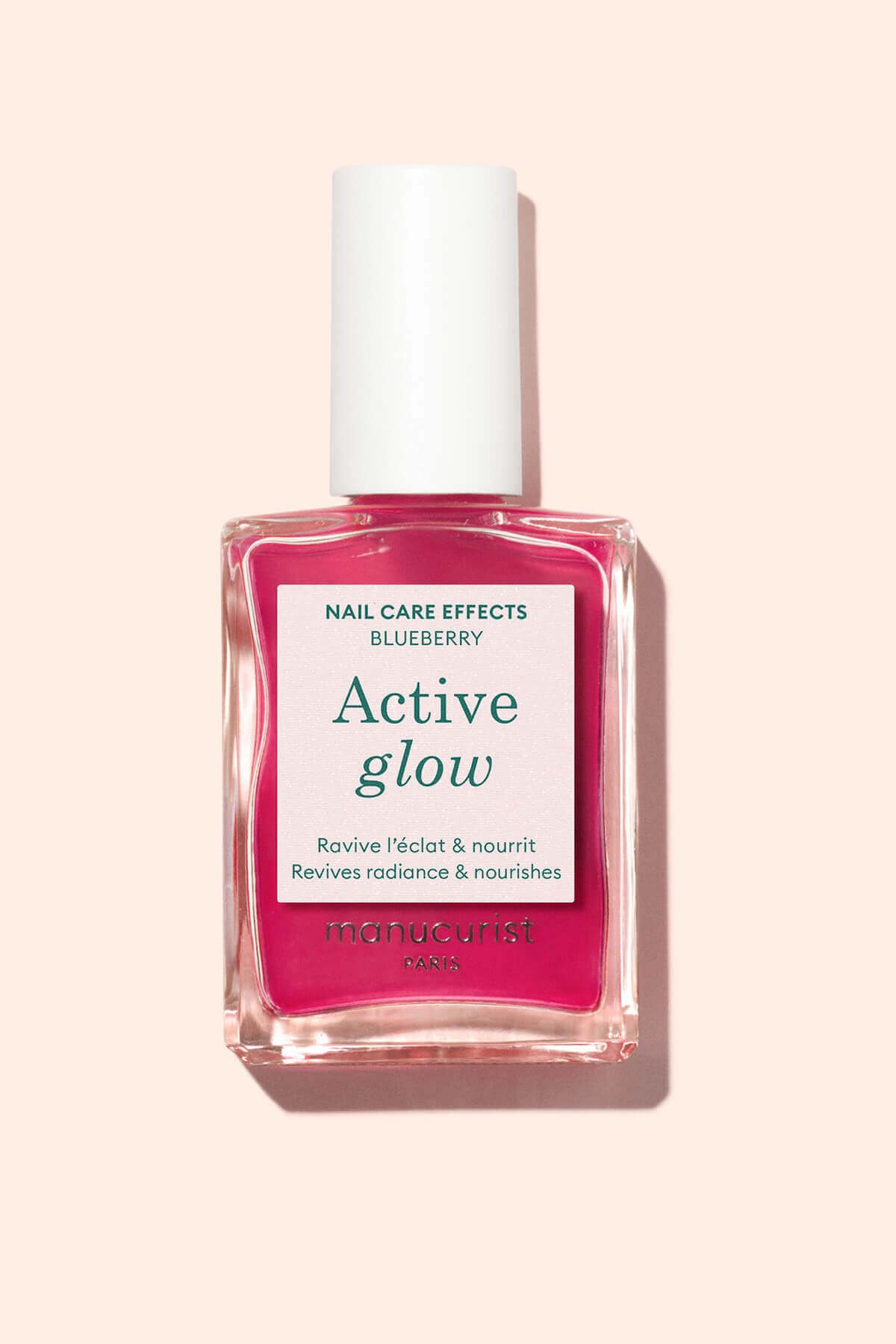
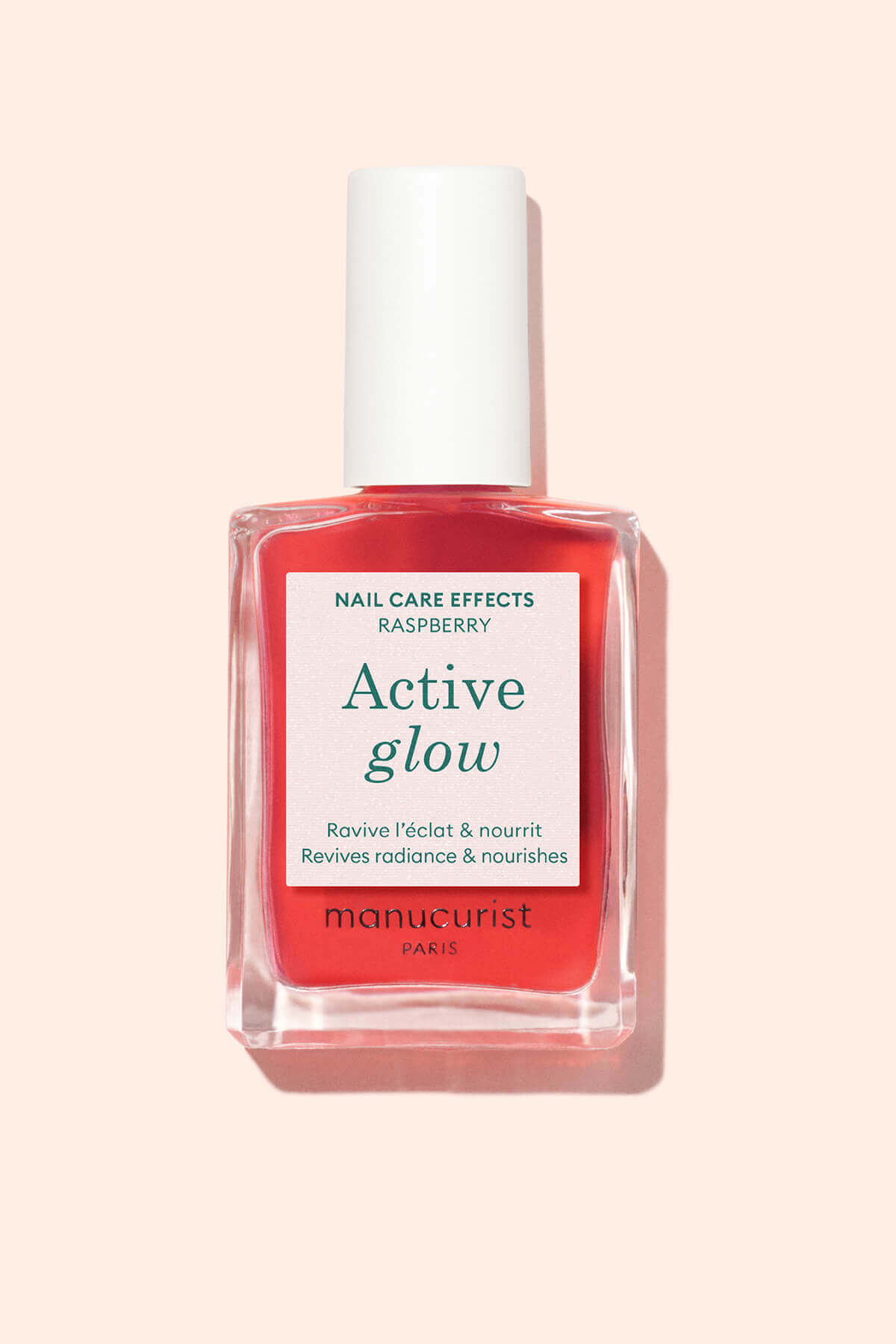
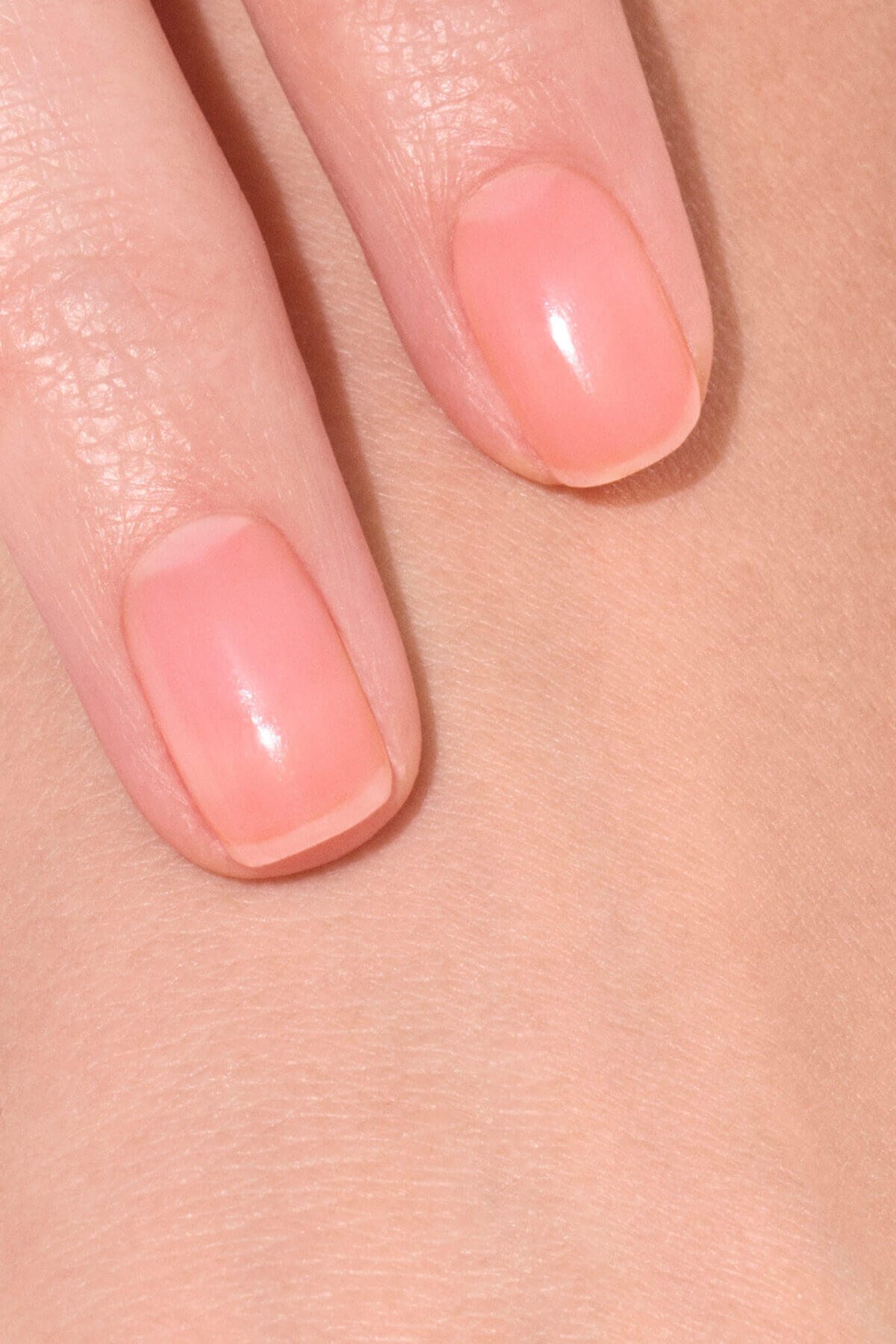
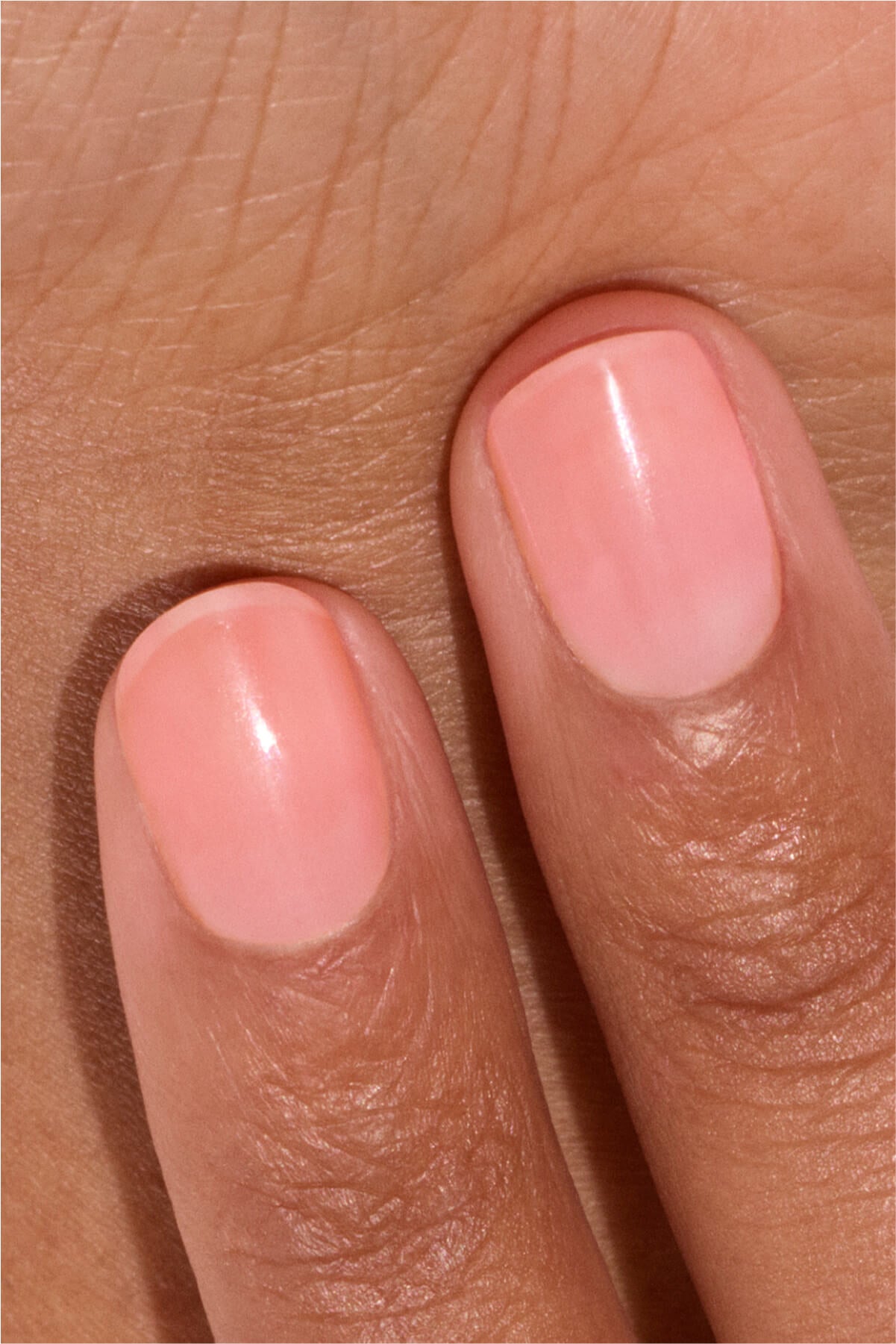
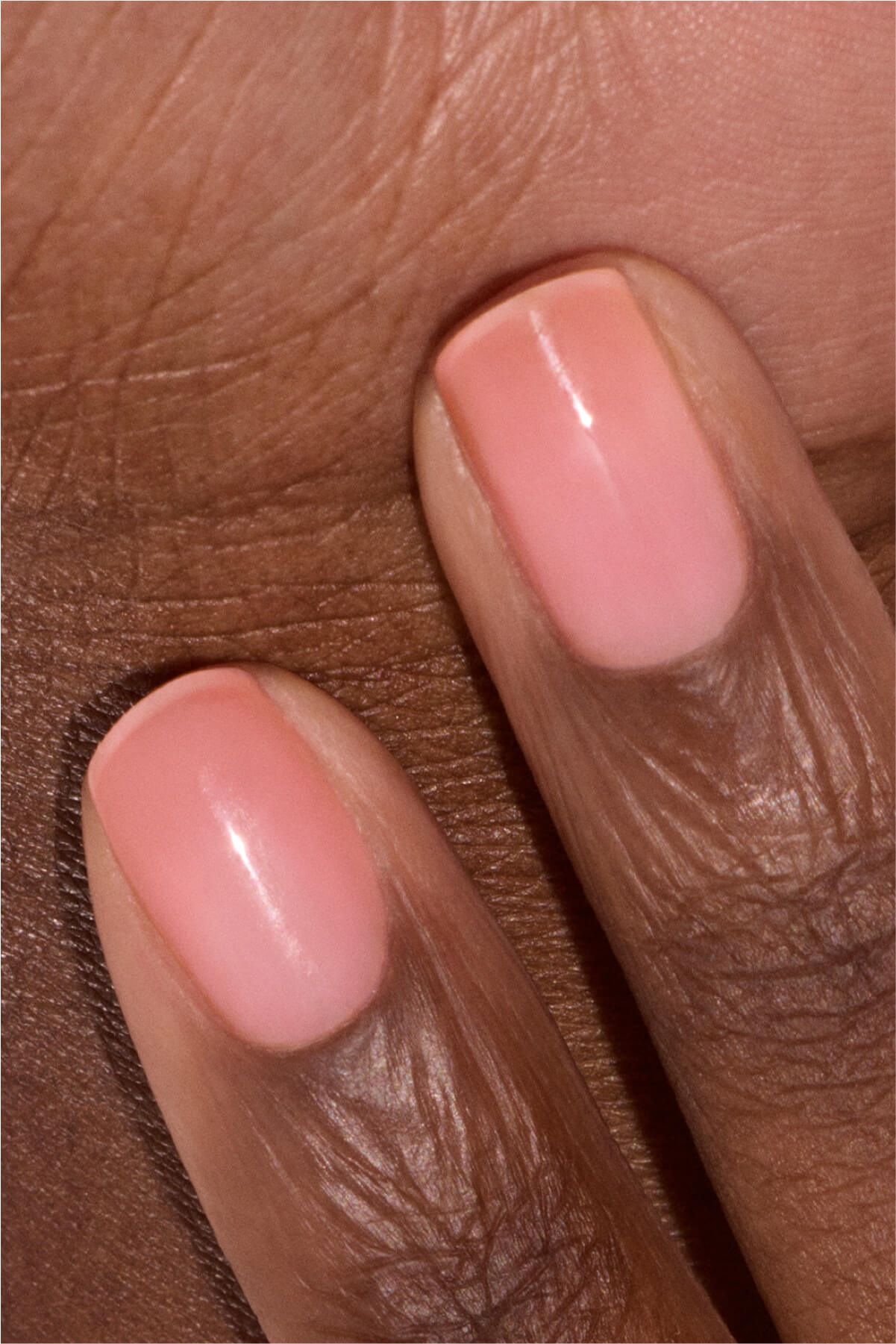
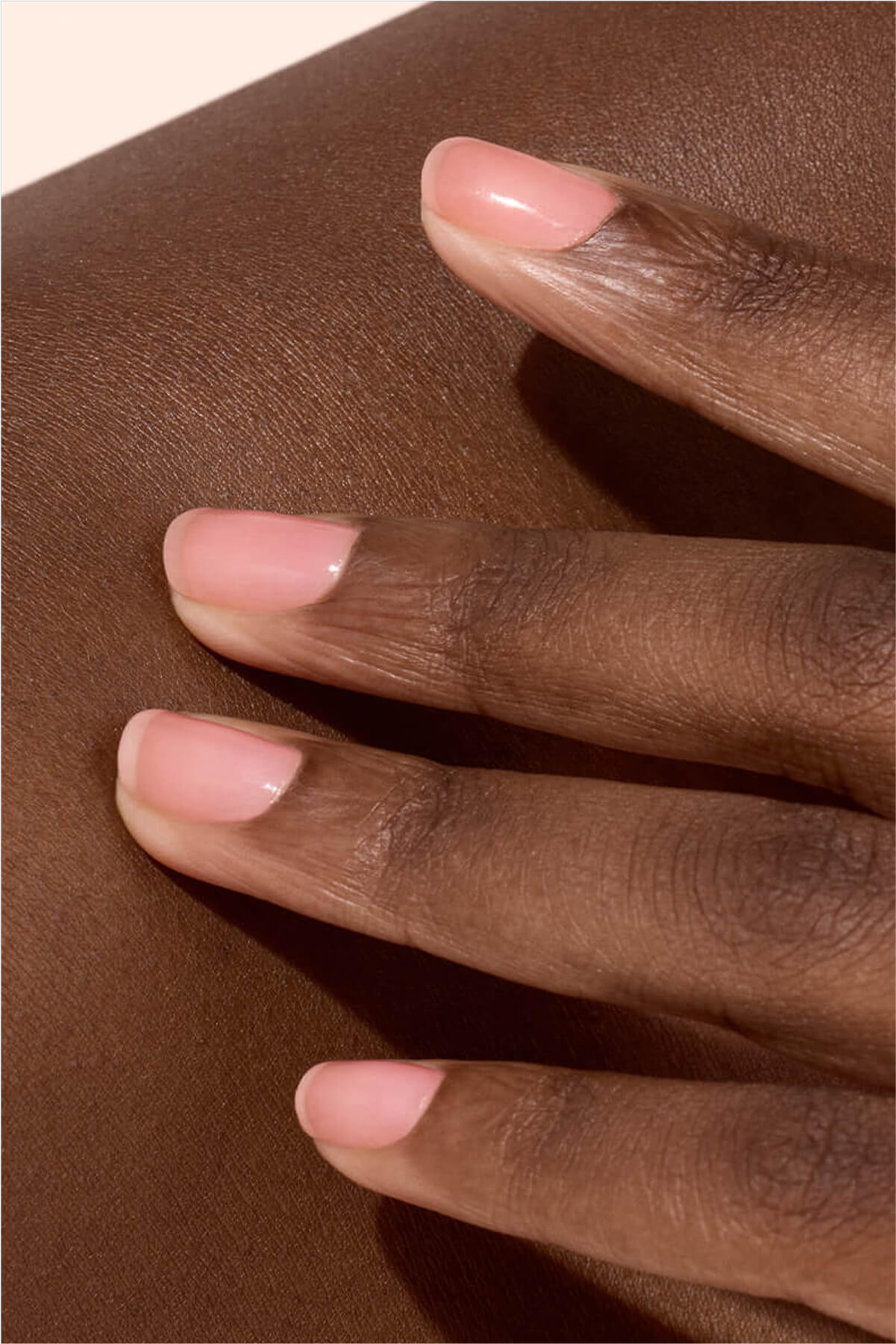
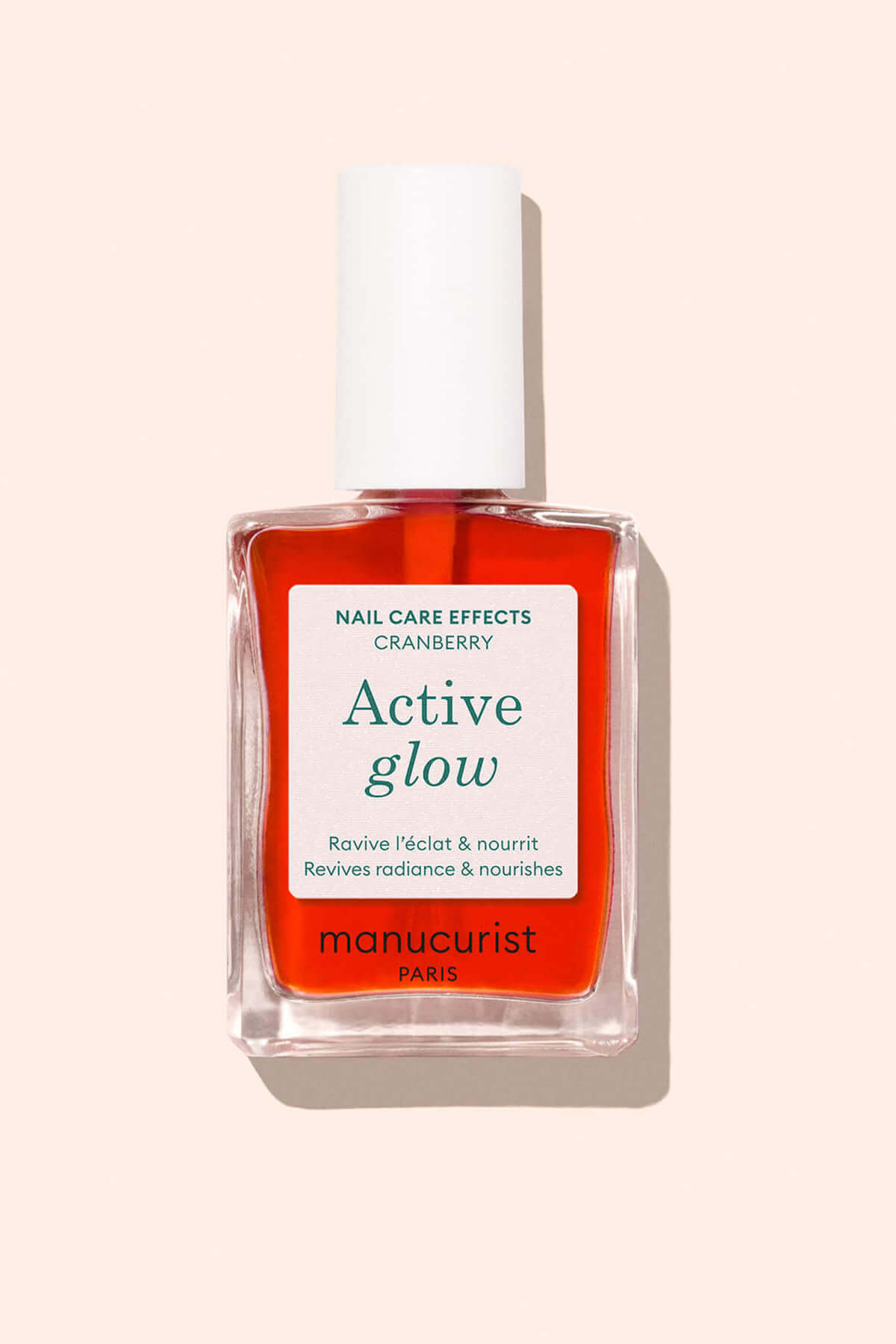
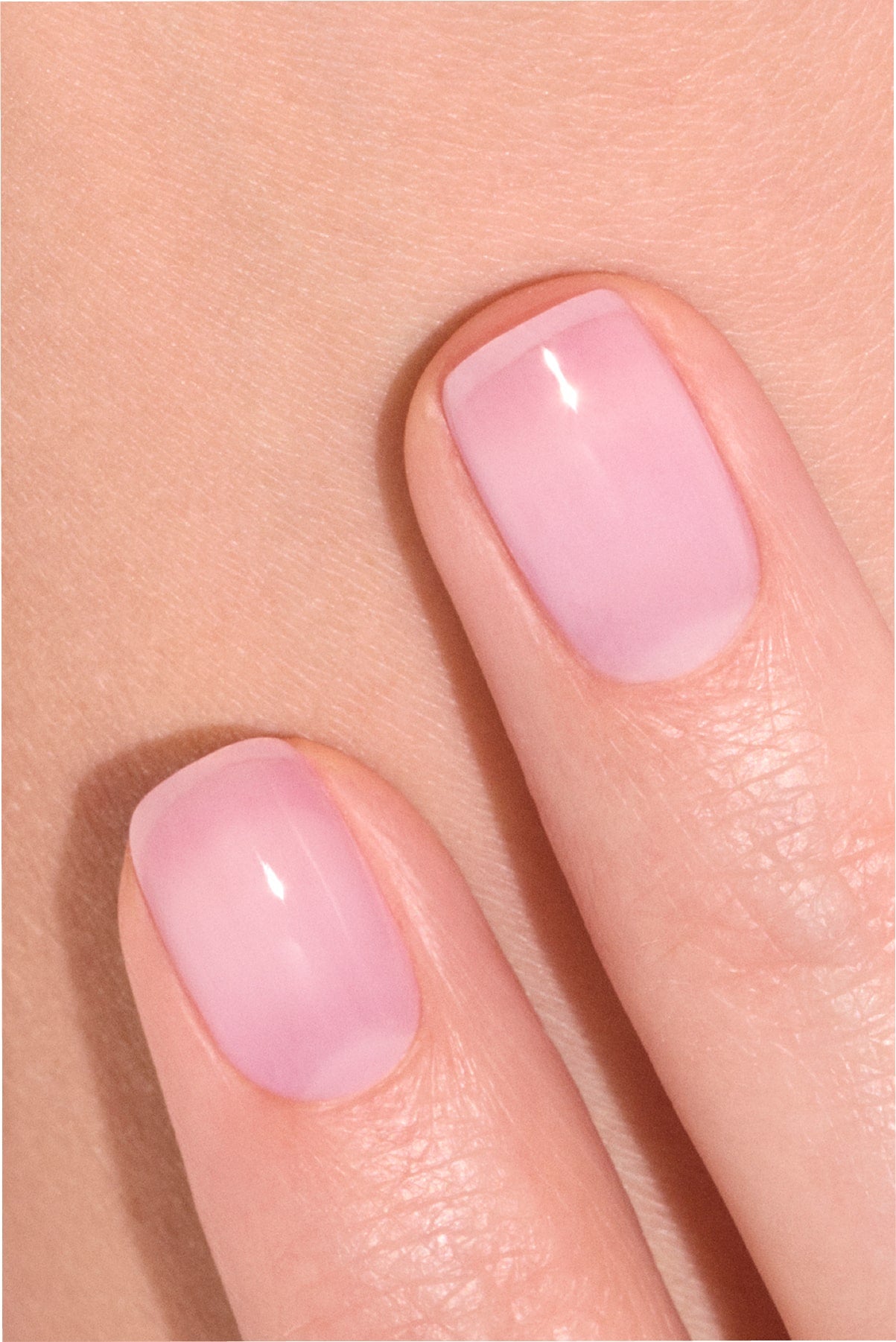
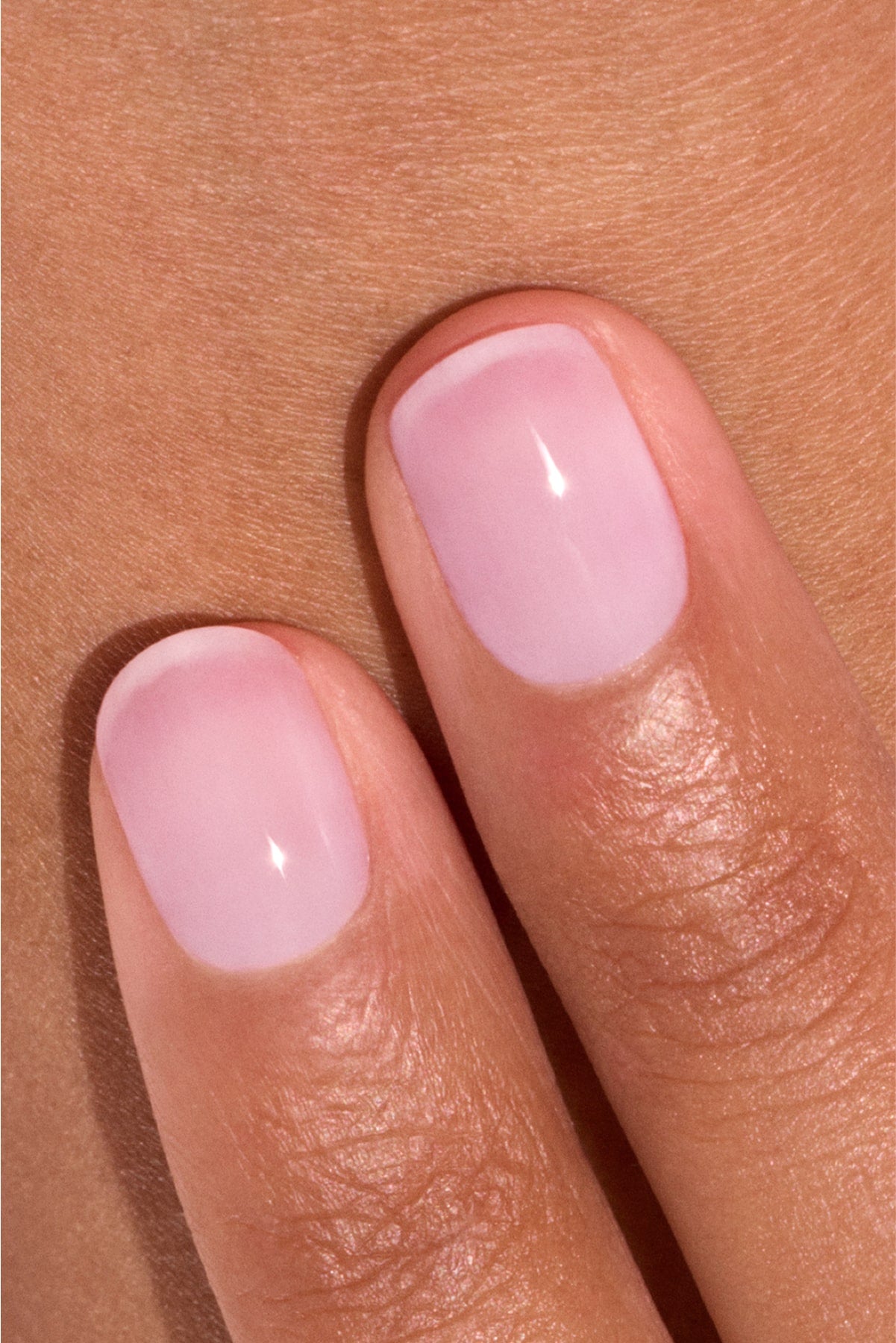
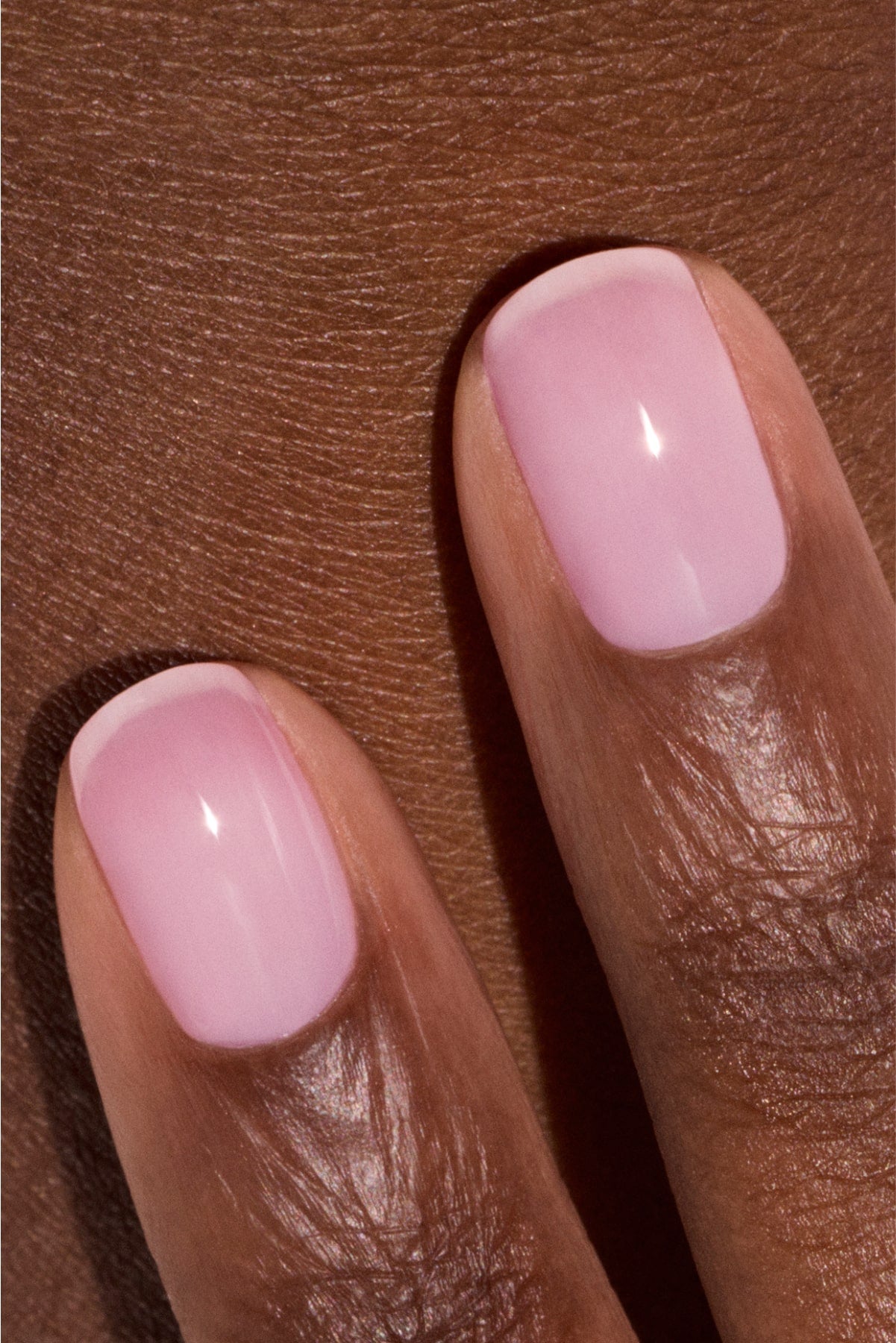
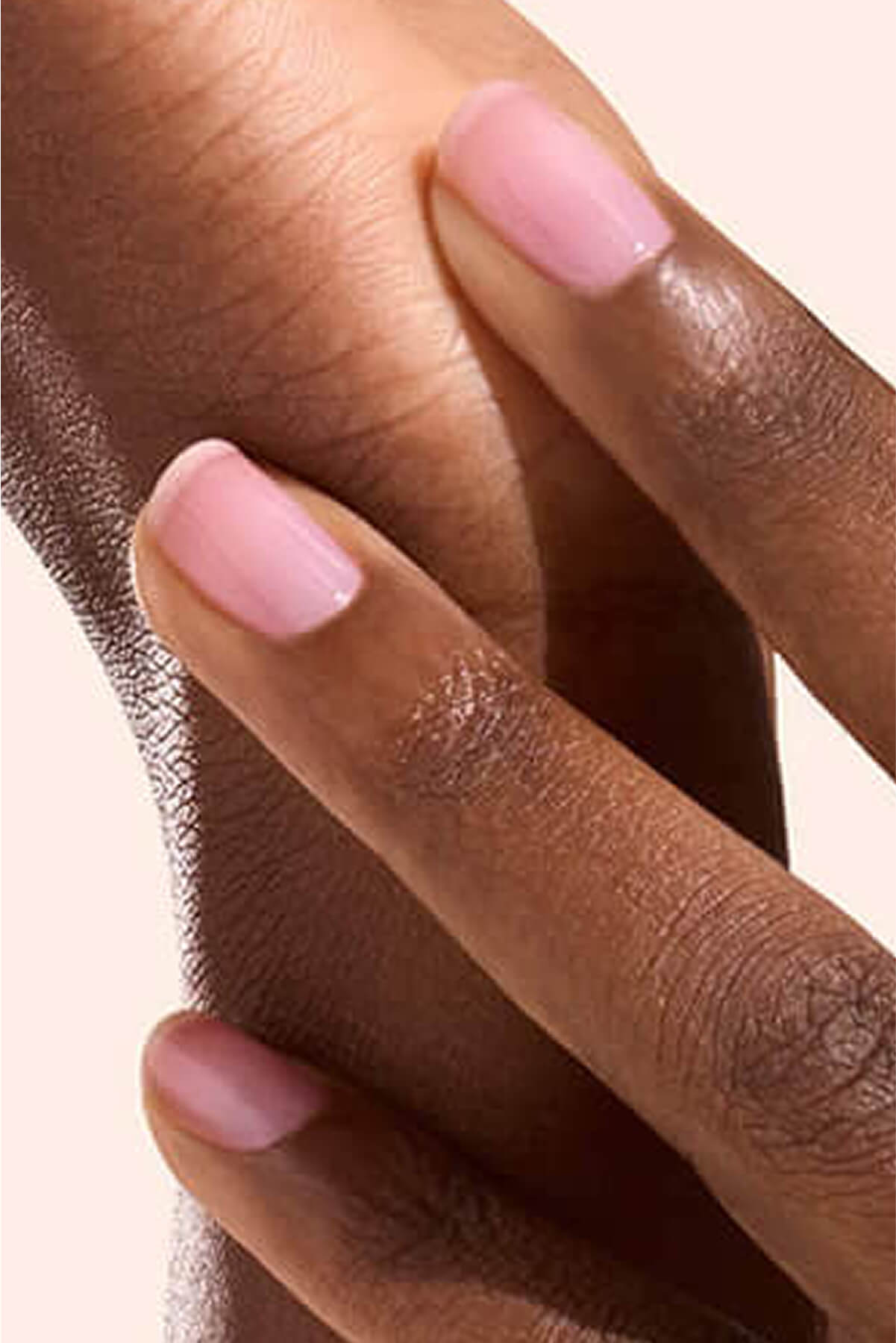
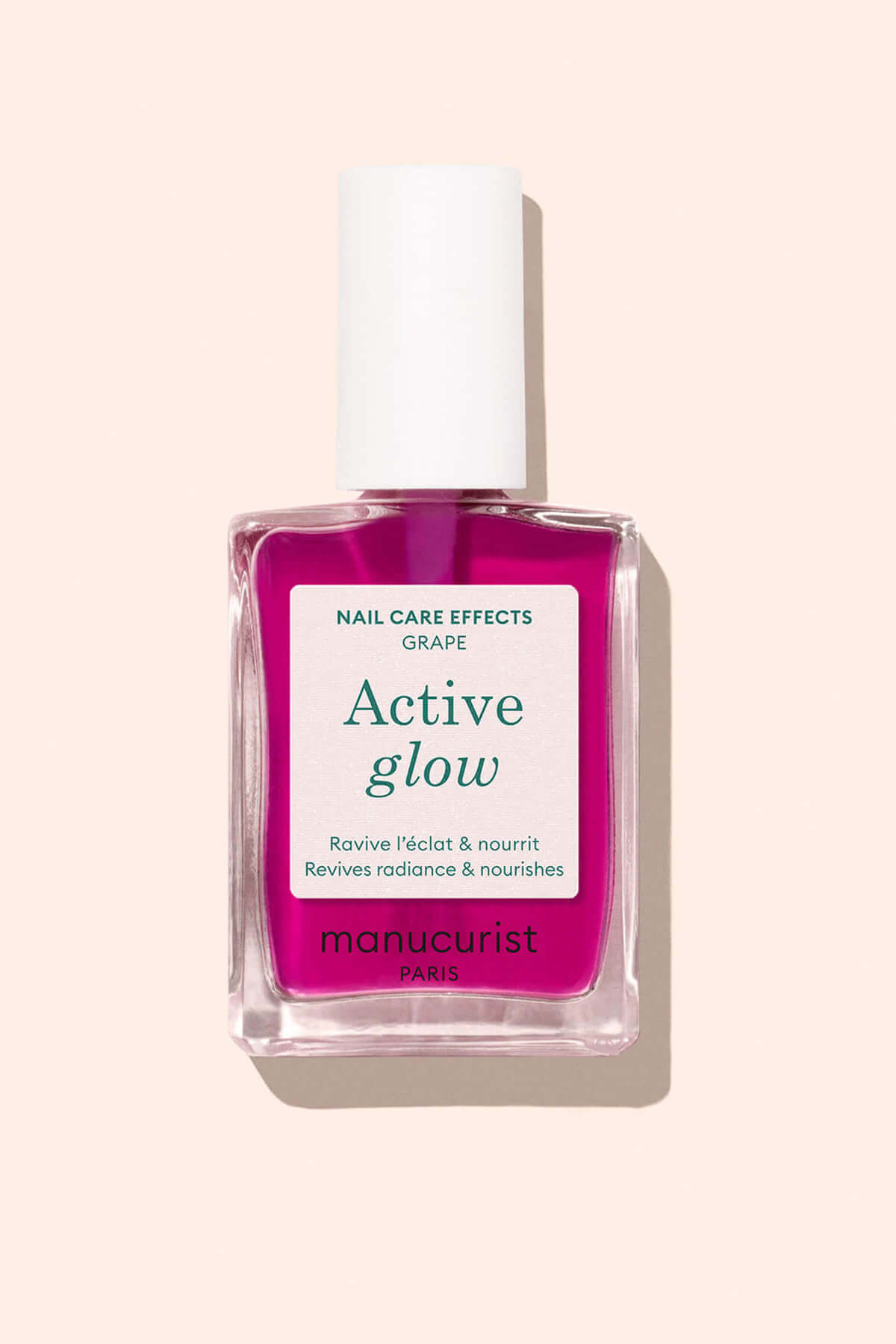
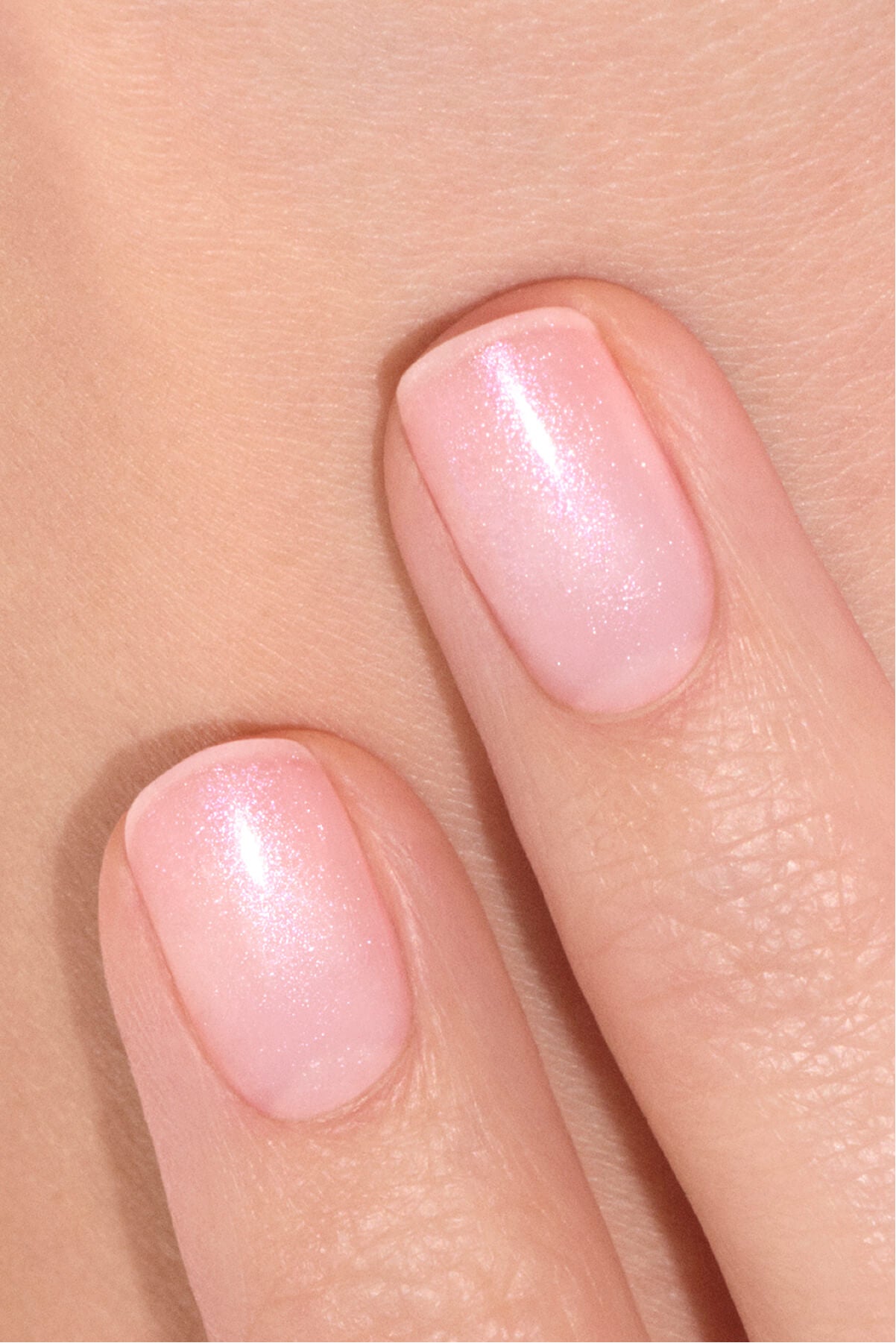
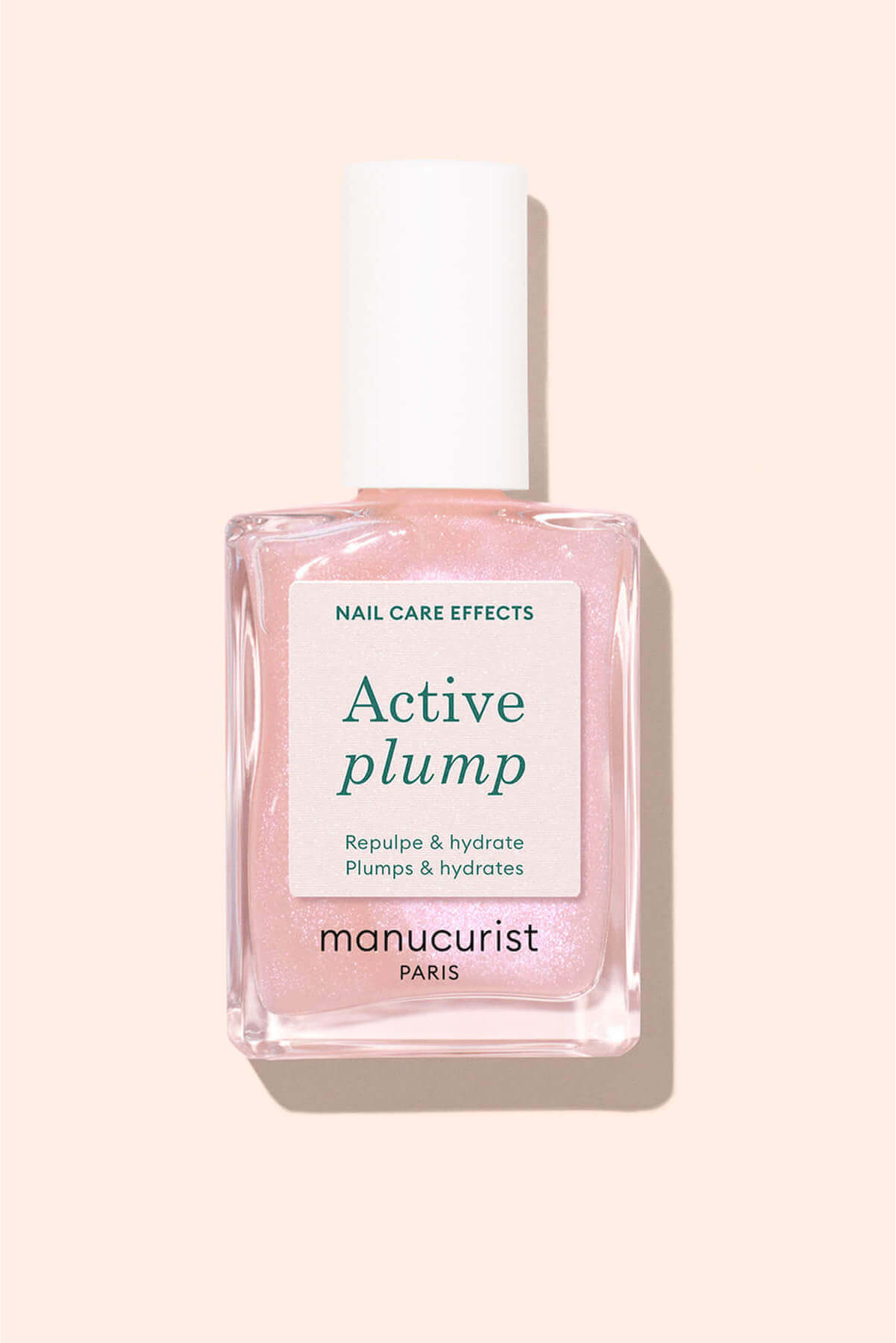
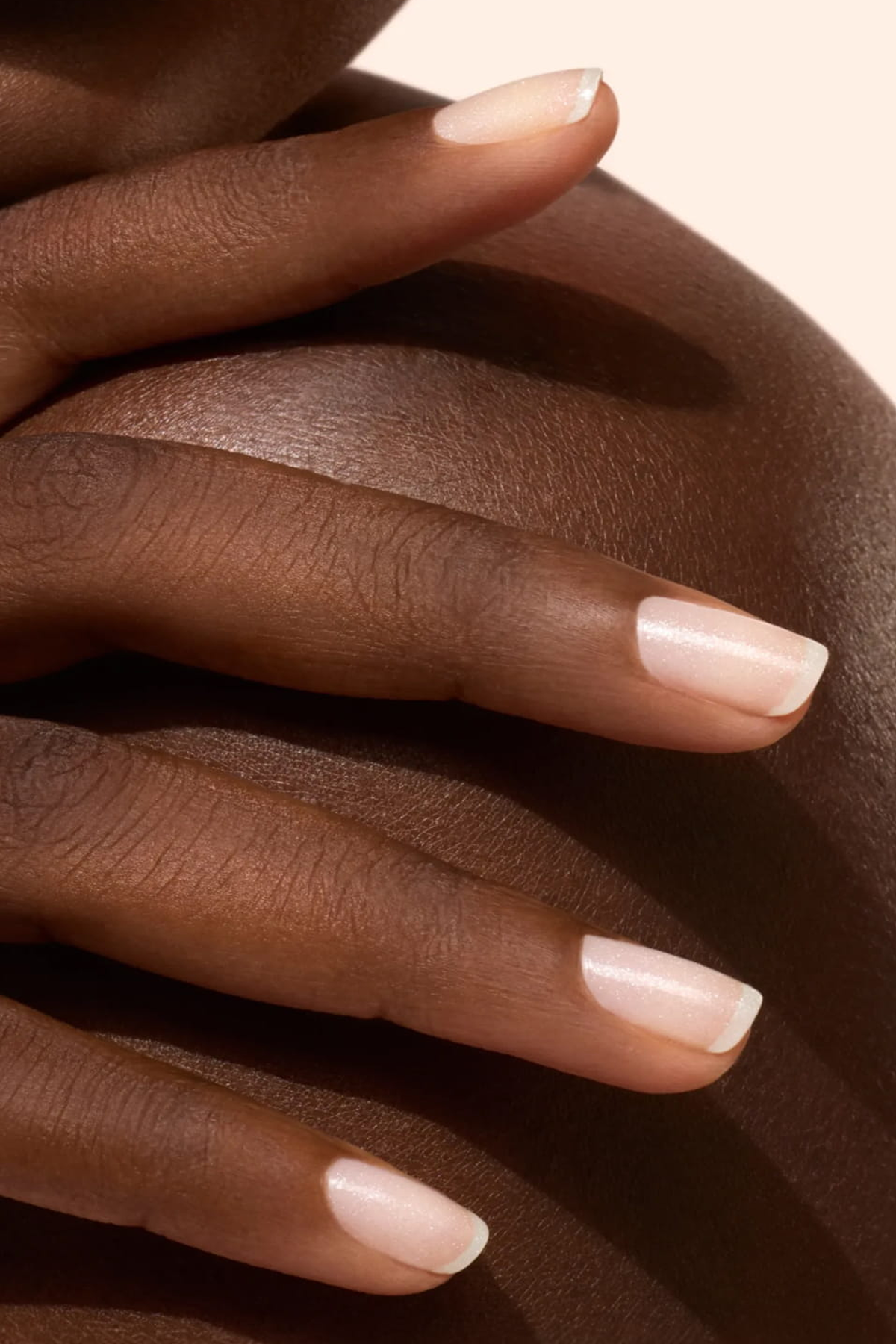
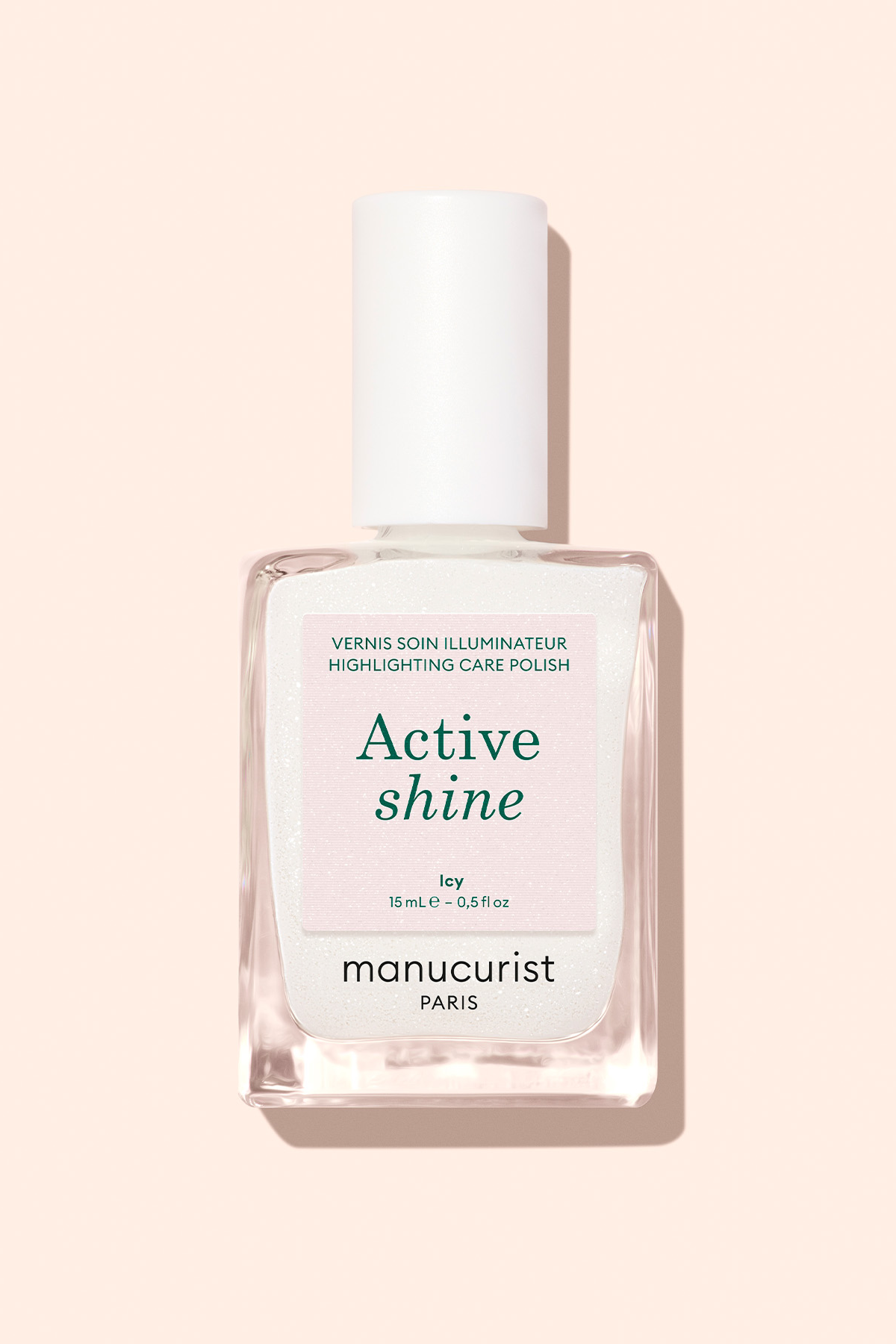
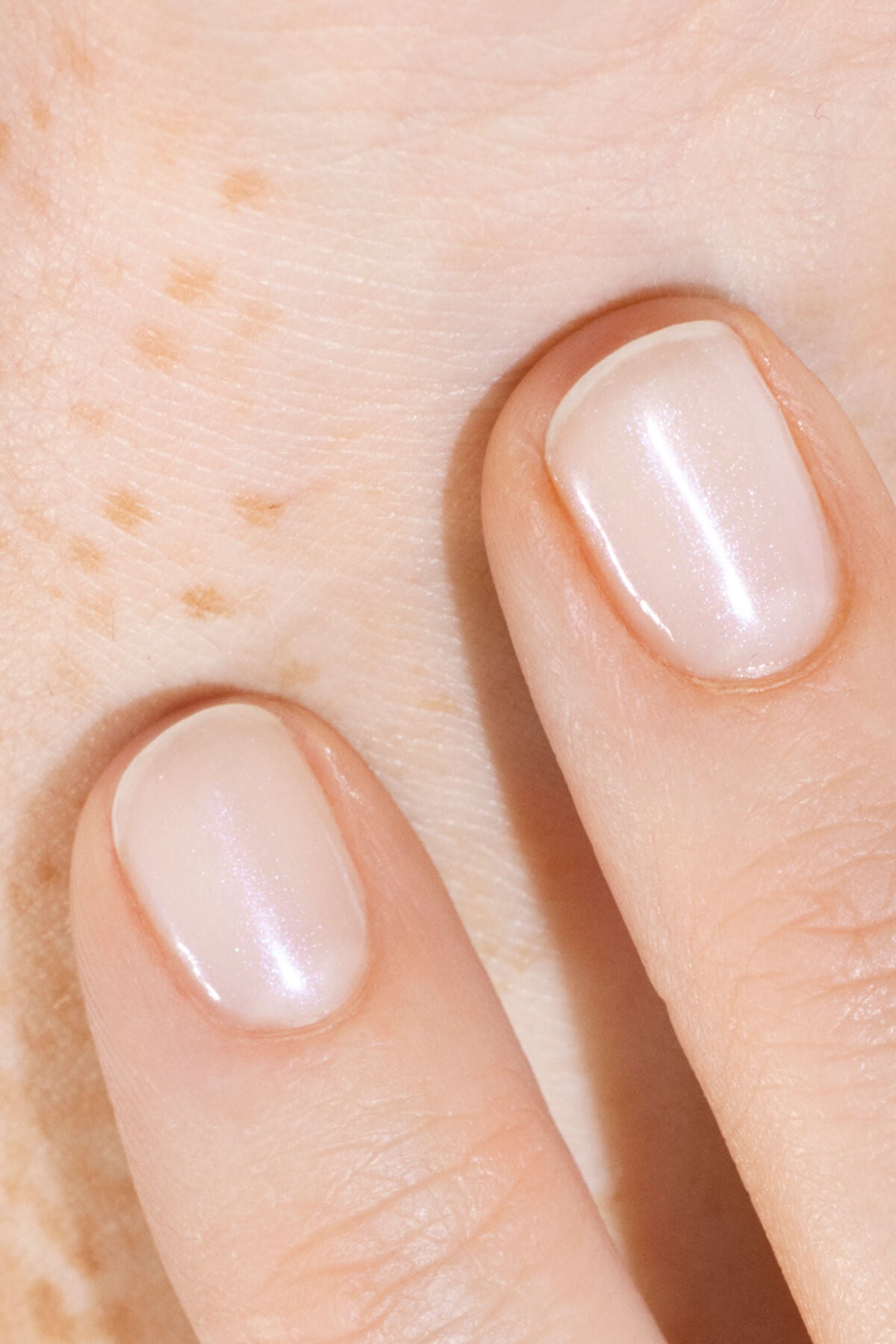
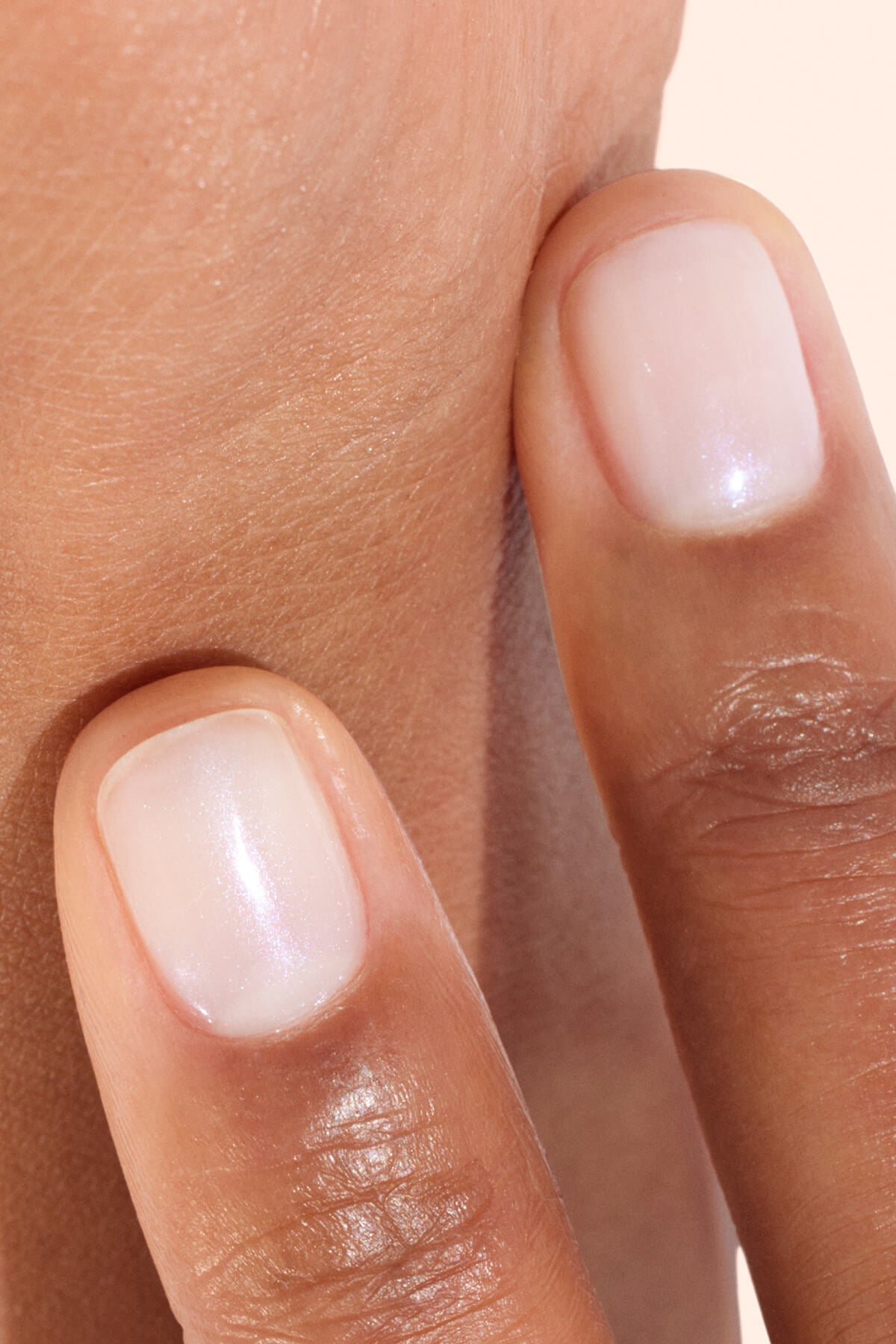
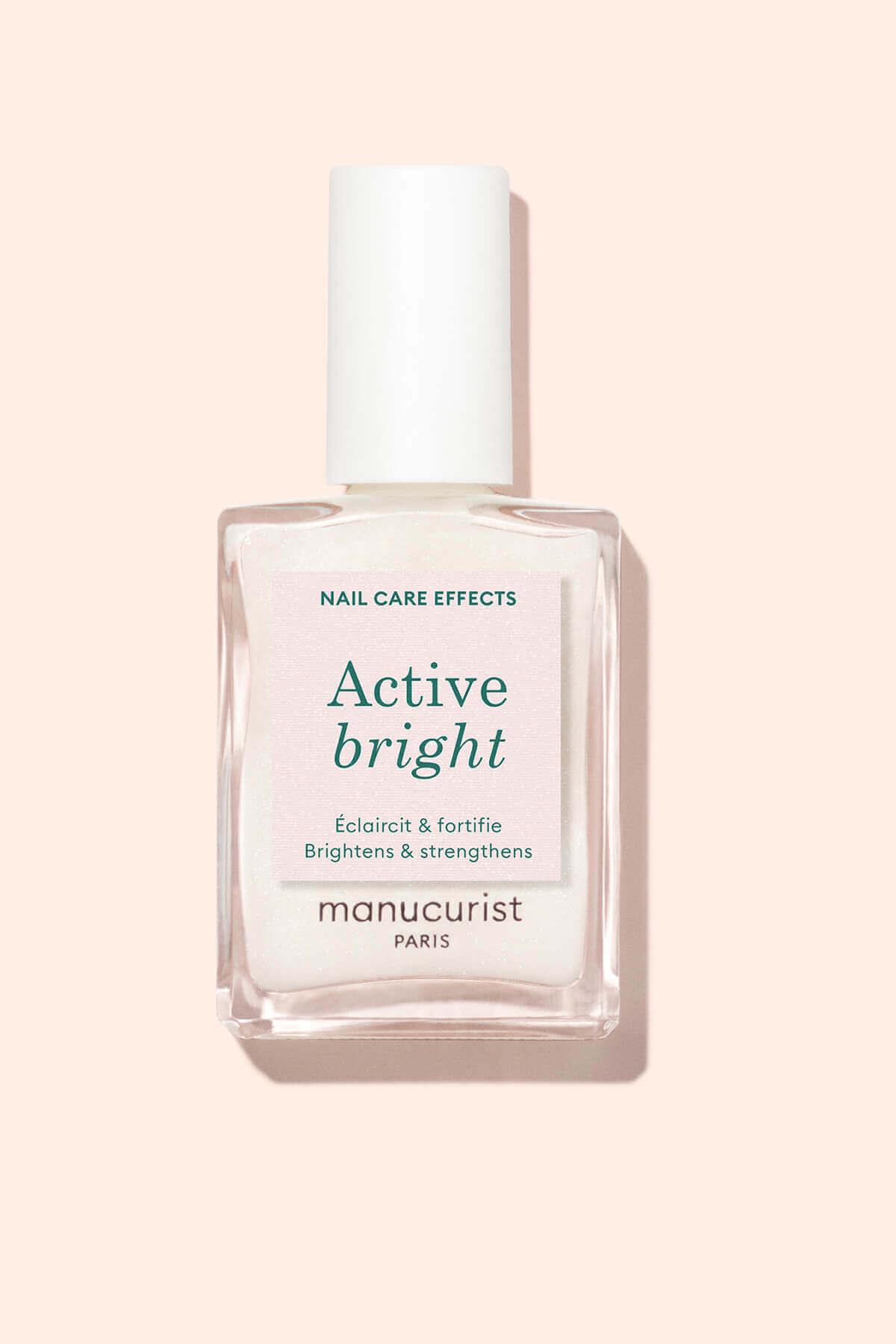
Finally, before you think about your next manicure, first offer your nails a fitness with the Healthy Glow Duo which combines intense hydration with the complete Serum and natural radiance revived with the Active™ Glow Raspberry care varnish.

After the removal of semi-permanent varnish, place for care with Green Oil and Healthy Glow Duo.
To sum up:
- Formula Green Flash™ vegan & bio-soured up to 84%, soft for nails.
- KeraHCE+ technology in the Vitamin Coat Base Green Flash™ : strengthens and protects nail under the color.
- Modular fit:
- 12 days with Top Coat Green Flash™
- 21 days with Top Coat Xtrem Flash™
- Gentle withdrawal without acetone or sanding with the Dissolvent Green Flash™ .
- Moisture of nails and cuticles after each manicure with Green Oil.
Frequently Asked Questions
How to remove a semi-permanent varnish without damaging nails?
You are strongly advised to avoid removing your semi-permanent varnish with sanding machine or acetone solvent. Prefer to semi-permanent varnish formulas that withdraw smoothly, without acetone or scratching, preserving the nail plate.
What are the side effects of semi-permanent varnishes?
The side effects of semi-permanent varnish are generally related to inappropriate manicure practices: frequency of too high poses and/or aggressive removal methods. The most common warning signs are: dehydration of cuticles, soft or brittle nails, disturbed growth, more sensitive nails, and even allergic reactions.
Is semi-permanent varnish dangerous for nails?
Semi-permanent varnish is not dangerous in itself, but its intensive or poorly framed use can explain why semi-permanent varnish damage nails. By respecting breaks, a soft withdrawal and a proper care routine, it is possible to reconcile long-lasting manicure with healthy nails.