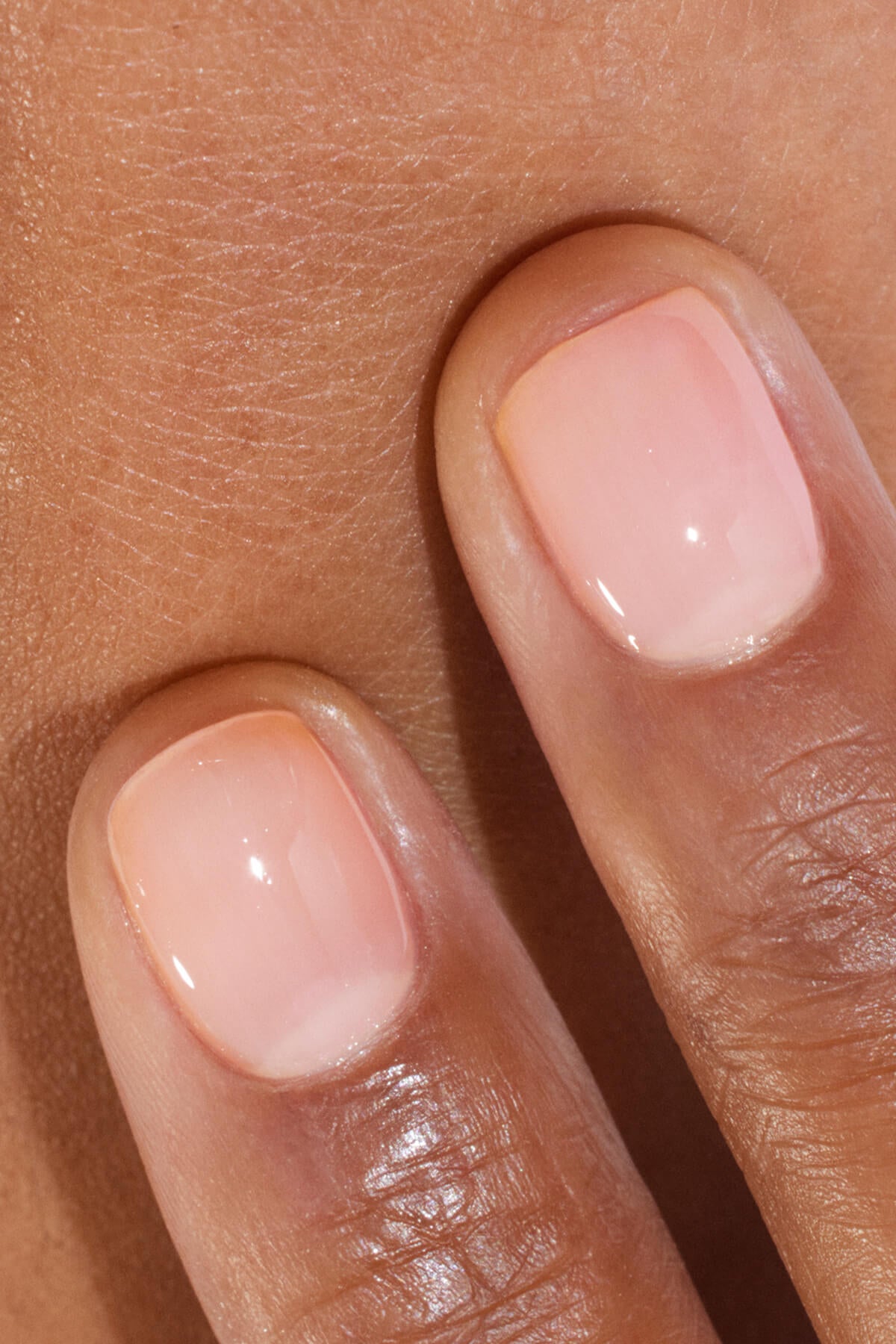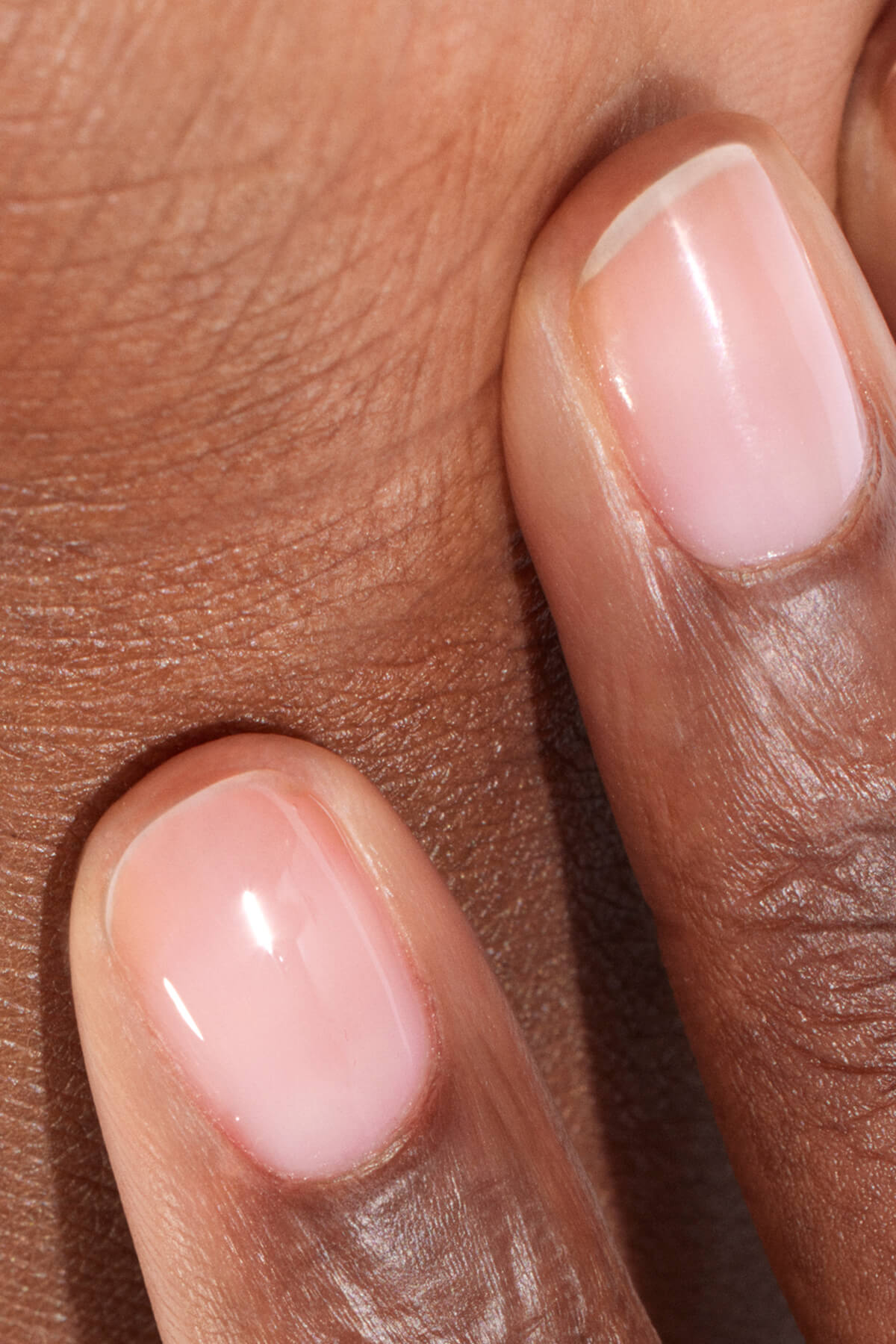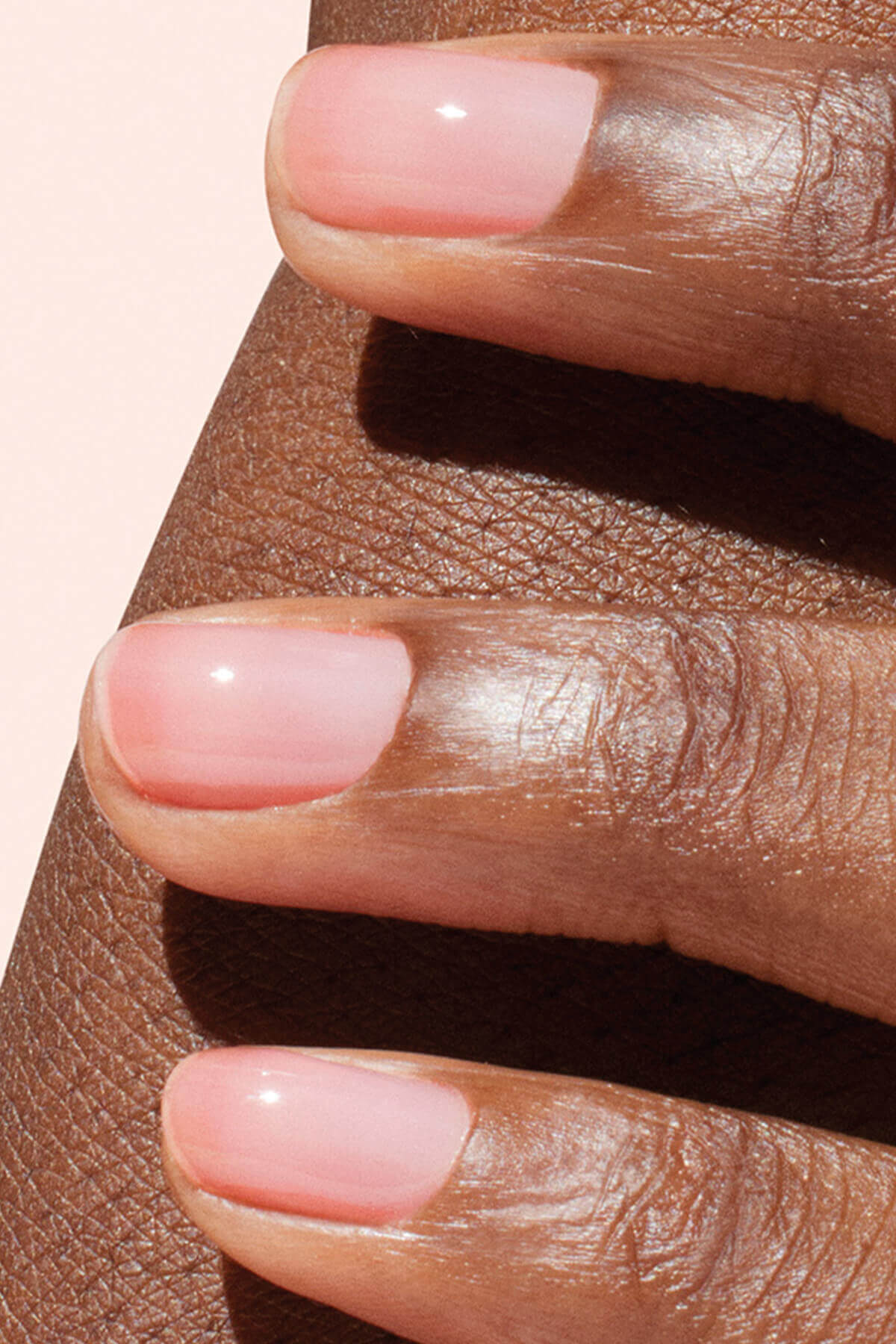


Do you already tire of your manicure and want to change it for a new color of trendy varnish? We understand, but stop making nails out of the air! Between radical chemical solutions and home recipes, there are today several ways to remove the varnish without compromising the health of the nails. Here is a overview of the most common methods with their advantages and disadvantages.
To be noted:
- Acetone decomposes the varnish but permanently weakens the nail by altering its protective hydrolipid film.
- DIY methods (vinegar, lemon, oil) are helpful but remain ineffective on pigmented varnishes and semi-permanent varnishes.
- The soft, non-acetone solvent removes the classic varnish in 1 minute without damaging the nail plate.
- The Dissolve Oil Green™ , bio-based 99%, is ideal for sensitive nails.
- After each deposit: a nourishing oil (like Green Oil) regenerates nails and cuticles.
Acetone solvents: a formidable effect on nails
What exactly is acetone?
L-acetone is a Powerful solvent, often present in the classic solvent formulas, commonly used to remove classic varnishes, semi-permanent varnishes, glues or resins. Very effective, it rapidly breaks down molecules and pigments. The problem is, he doesn't stop there. He's going to go too. tackle the natural fatty film that covers the nail plate and protects him from external aggression. Other collateral victims: cuticles which surround the plate. The acetone will dry them up and they can no longer play their part in protective shield of the matrix.
The effects of l-acetone on nails
If you regularly use a traditional d-acetone solvent, you may have noticed the following effects:
- Nails that split or break easier.
- A feeling of drought, or even irritation around the nail.
- Temporary laundering nail surface.
What's the matter? Its stripping effect that removes not only the varnish, but also the protective hydrolipid film of løongle and skin. The result is that the natural barrier is weakened, l and becomes more vulnerable to external aggression, and its Keratin structure is weakened. Before thinking about your new manicure, think about changing the method of removing your varnish to preserve your nail health.
To sum up:
- Acetone: an effective but aggressive solvent that alters the natural protective film of the nail.
- Common side effects: split nails, dry cuticles, bleaching, irritation.
- Avoid if your nails are already fragile, dry or damaged.
Methods of withdrawal without solvent
The lime, to be handled with caution
The primary function of a file is to shorten the nail and give it a nice square, oval or pointed shape according to your tastes and desires.
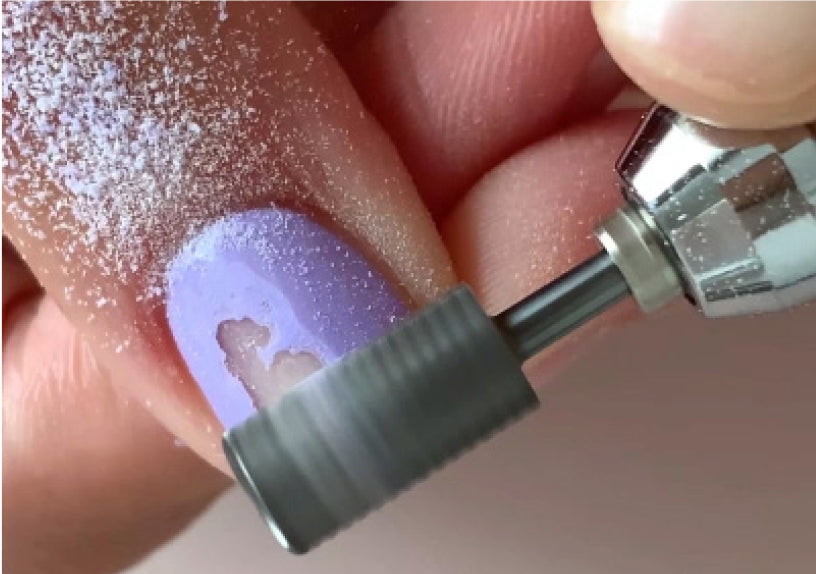
Misused to remove from conventional varnish (especially when squeaking), nail file risk of lasting damage to the nail plate and creating irregularities. Hard to hide defects that you will keep until the nail renews (about 3 months minimum). A bad habit to banish absolutely if you care about the beauty of your natural nails.
DIY removal methods
If you want to avoid too aggressive chemicals, there is some secret recipes to remove nail polish gently. These methods can troubleshoot but they are not always effective on very pigmented or dark varnishes. Here are some mixtures to test for remove your coat of varnish gently, with natural ingredients and a little elbow oil :
- Hot water + mild soap + vinegar : Need a soft alternative? Dip your nails in a hot (non-hot) bowl of water, a little sweet soap mixed with a spoon of white vinegar for about ten minutes. The heat will contribute to the soften the varnish layer, while the acetic acid contained in the vinegar modifies the pH of the coloured film, facilitating its degradation while being naturally soft for your nails. Then gently rub each nail with a clean cotton or cloth to remove the softened varnish layer. Although this method takes a little patience, it has the advantage of not drying out natural nails, unlike traditional solvents.
- Lemon juice + white vinegar or vegetable oil : lemon is also a good alternative for its slightly solvent properties. Mixed to nourishing oil such as castor oil, sweet almond oil or olive oil, or white vinegar, lemon juice allows for the remove the varnish residues It's got citric acid. While vegetable oils, rich in fatty acids and lipophilic triglycerides, gradually dissolve pigments. In addition to their cleansing action, these oils feed keratin, strengthen cuticles and limit breakage and duplication. Pour a few drops of the mixture onto a clean cotton and let it put down for a few minutes. Rub slightly for faster varnish removal.
- Soda dicarbonate + soda dicarbonate : Less known but sometimes effective on light varnishes, toothpaste and baking soda acts by mechanical action. Bicarbonate, known for its slightly abrasive properties, combined with the surfactants present in the toothpaste (such as sodium lauryl sulfate), can weaken the varnish layer. By gently rubbing with an old soft toothbrush, this mixture can help to remove residues but is only effective on unresistant varnishes. Use with moderation on sensitive nails!

Natural alternatives to be made at home to remove your varnish gently.
(@unsplash)
Vernis peel-off, an innovation to follow
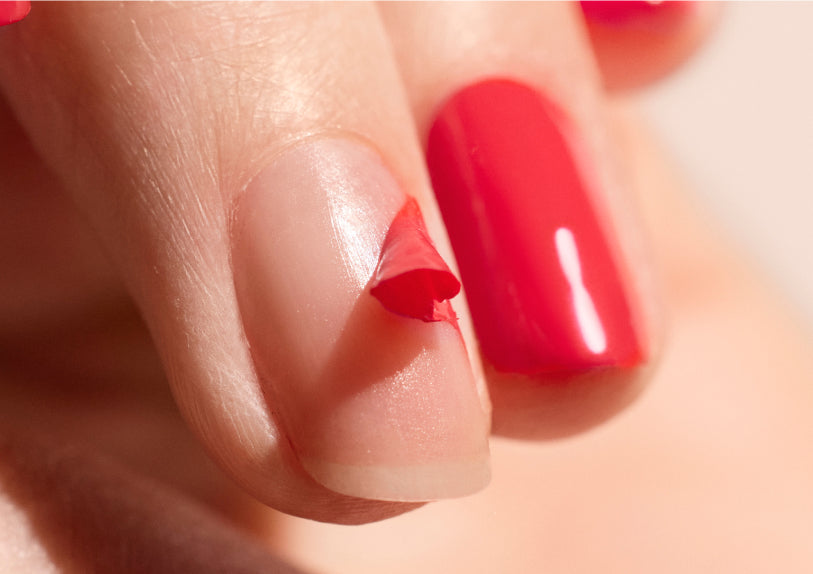
Inspired by facial masks that dry on the skin and simply take off, Peel-off varnishes allow easy and non-solvent removal. Simply gently lift the edge of the varnish layer and it will theoretically detach itself in one gesture. An interesting innovation that allows quick and effortless removal, without impact on nail health. To be tested!
Without promising the effectiveness of a classic solvent, these methods have the advantage of being less aggressive for skin and nails.
To sum up:
- DIY methods (vinegar, lemon, oil, bicarbonate): soft but slow and not very effective on dark varnishes.
- Lime: to be reserved exclusively for nail shaping, never at the removal of the varnish.
- Peel-off varnish: practical innovation for fast and safe removal for nails.
Our routine for a gentle and respectful deposit
To remove your nail polish efficiently and without damaging your nails, bet on a well thought out routine, such as routine Green™ of the Manucurist , with products formulated to preserve the natural balance of løngle. Here is how to proceed with a gentle deposit which integrates into a complete routine of nail care :
1. Prepare 10 squares of cotton adapted to the size of your nails.
2. Stir in each cotton with a little solvent without an acetone.
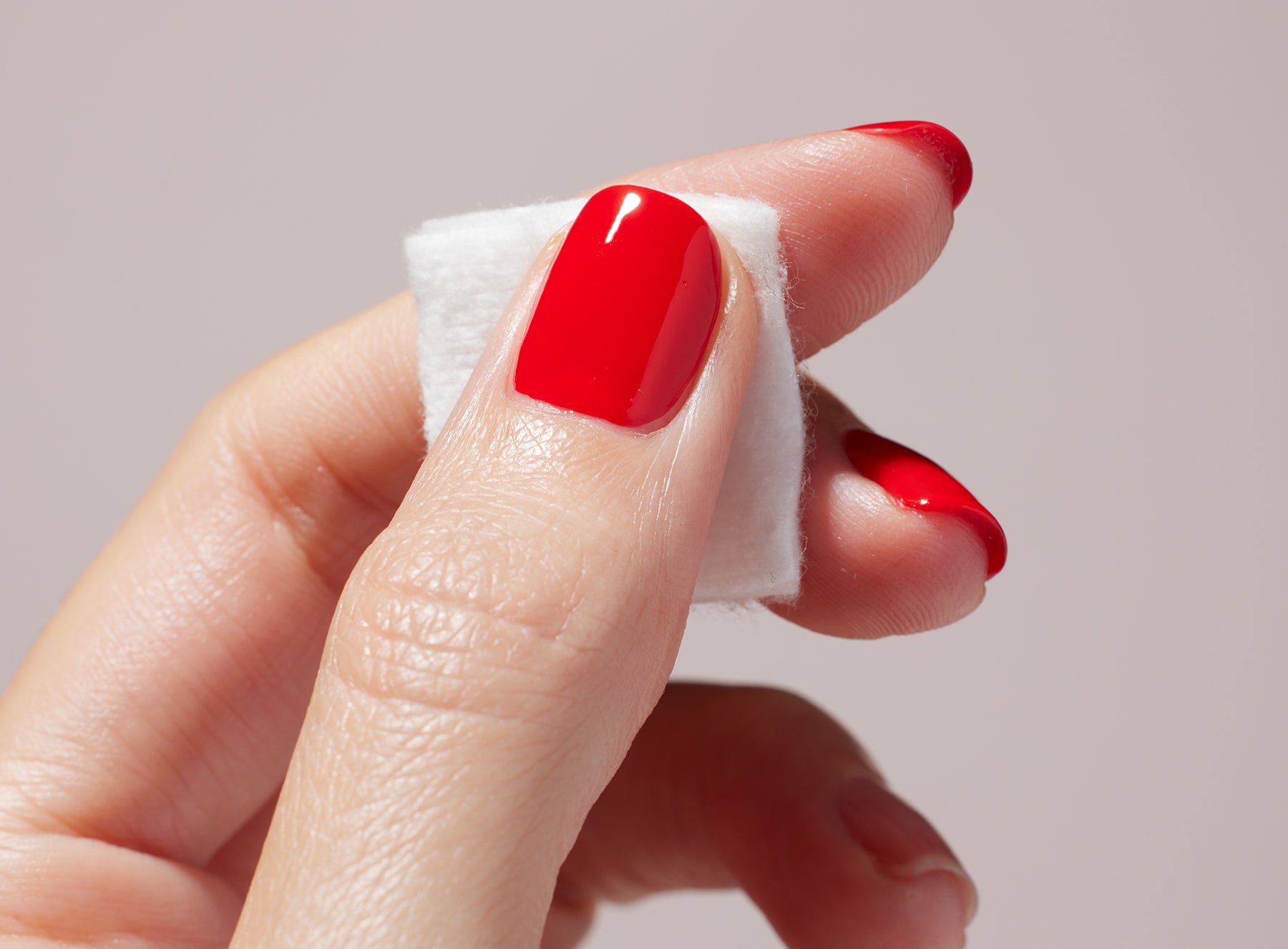
3. Apply one cotton on each nail and leave it to work for a minute Pressing the cotton on the nail. You can use clips or pieces of aluminum paper to treat all your nails with one hand simultaneously, saving a little time ;-)
4. Swipe the cotton without rubbing: the varnish withdraws effortlessly, leaving your clean nails. If varnish residues persist on the contours, re-enter these areas with a clean cotton soaked in soft solvent.
5. Finish with a moisturizing treatment Applying a fortifying oil to the nails or cuticle oil.

Clean & soft removal, to pamper your nails without attacking them.
Soft solvent, solvent oil or solvent bath: what to choose from?
It all depends on the nature of your nails and your needs! At Manucurist , 3 types of formula are proposed to remove the classic varnish :
- The soft solvent : a new solvent formula without acetone which allows the removal of varnish Green™ and Active™ in 30 seconds without attacking nails or drying skin. Enriched Panthenol, C & E vitaminsIt softens the nail fiber and strengthens it over time. With a bonus, a sweet smell of lavender.
- L-Oil : more than just a cleaning gesture, our oil is a cleansing and nourishing treatment, particularly suitable for removing varnish on the sensitive nails. Formulated without acetone of course and enriched with sweet almond oil, this oil nourishes in depth while effectively eliminating Green™ and Active™ varnishes as well as the processing bases.
- The Magic Dip Remover : with this new Dissolvant bath, you can now remove the varnishes Green™ and Active™ in 10 seconds, without cotton or pull-off clamps. A soft formula without acetone, enriched with panthenol and C & E vitamins, for an express and ultra practical solution thanks to its nomadic format.


What about semi-permanent varnish?
The removal of semi-permanent varnish is a often feared step. It is indeed difficult to remove the Traditional gel varnish other than by means of acetone solvent, or even pure d'acetone, intensive image or sanding. So many aggressive deposition techniques which can cause significant damage to nails and their contours: dull and soft nails, altered keratin plates, dehydrated nails and cuticles, disturbed growth.
Fortunately, with the development of the semi-permanent varnishes new generationThe situation has improved. Thanks to their bio-based formulas, based on natural ingredients, it is now possible to remove its semi-permanent home without acetone and without sanding. This is the case with the varnish Green Flash™ of the Manucurist that takes away in 1 minute in peel-off with the Soft solvent Green Flash™. Its formula enriched with castor oil leaves natural nail perfectly preserved and hydrated.
Tip : for a more efficient removal of your manicure Green Flash™ or Xtrem Flash™ , mattify the top coat of varnish with a Polishing block. You create micro-stripes that promote the penetration of the solvent and facilitate the degradation of varnish layers.
Find all the details of this gentle deposit routine in our dedicated article.


What do you do after the dropoff?
To activate the beauty and shine of your natural nails after removing the varnish, here are some useful gestures:
- Massez each nail and its cuticles with a few drops of nourishing oil, concentrated in plant actives. L-l-l-Green oil is a complex of 6 botanical oils that regenerates and moisturizes the nails in depth and their contour, for a healthy and harmonious shoot.
- Before you chain on a new manicure, take the time toassess the health of your nails. For this, do not hesitate to carry out a Custom online diagnostic to define your nail type and choose the routine care appropriate.
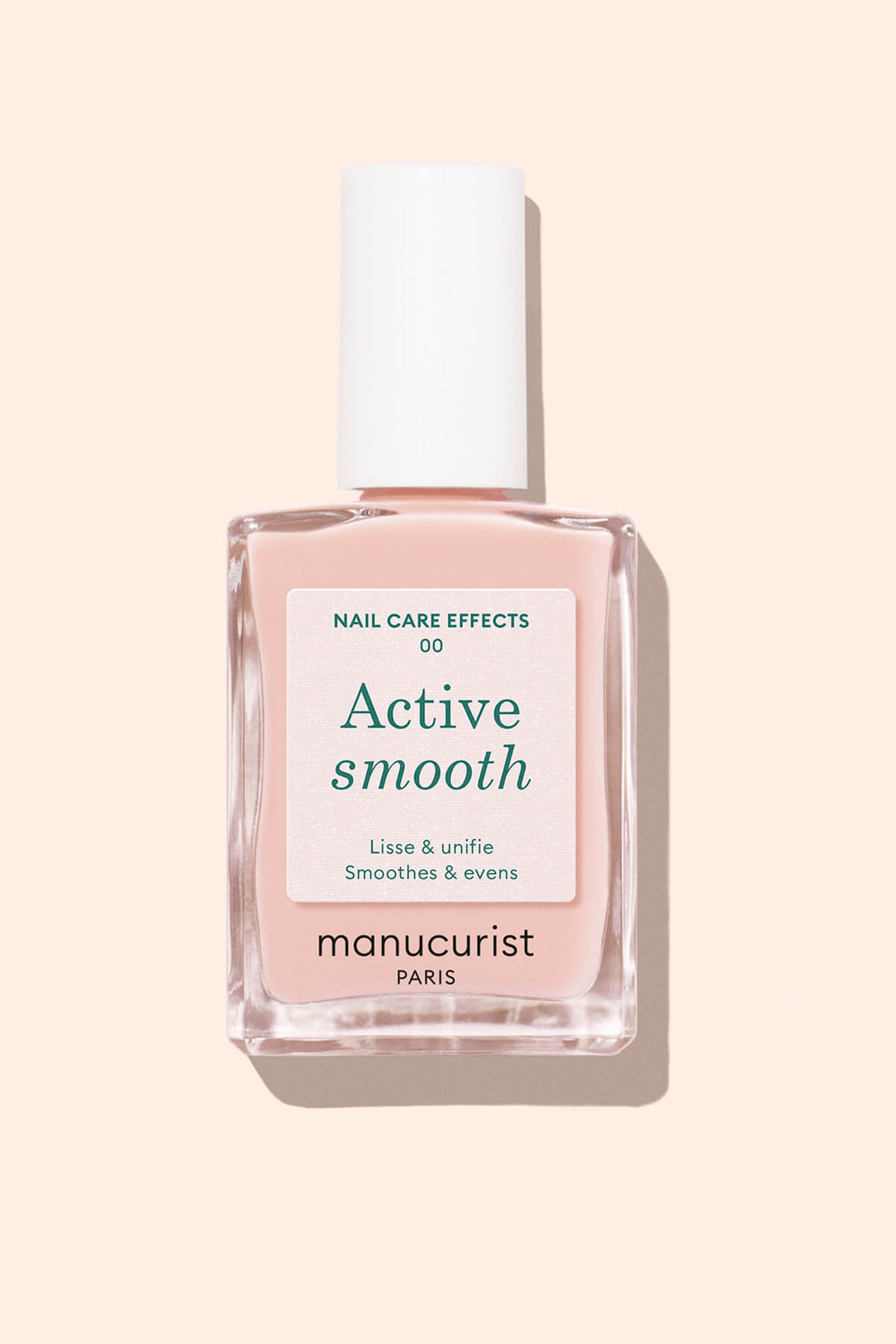
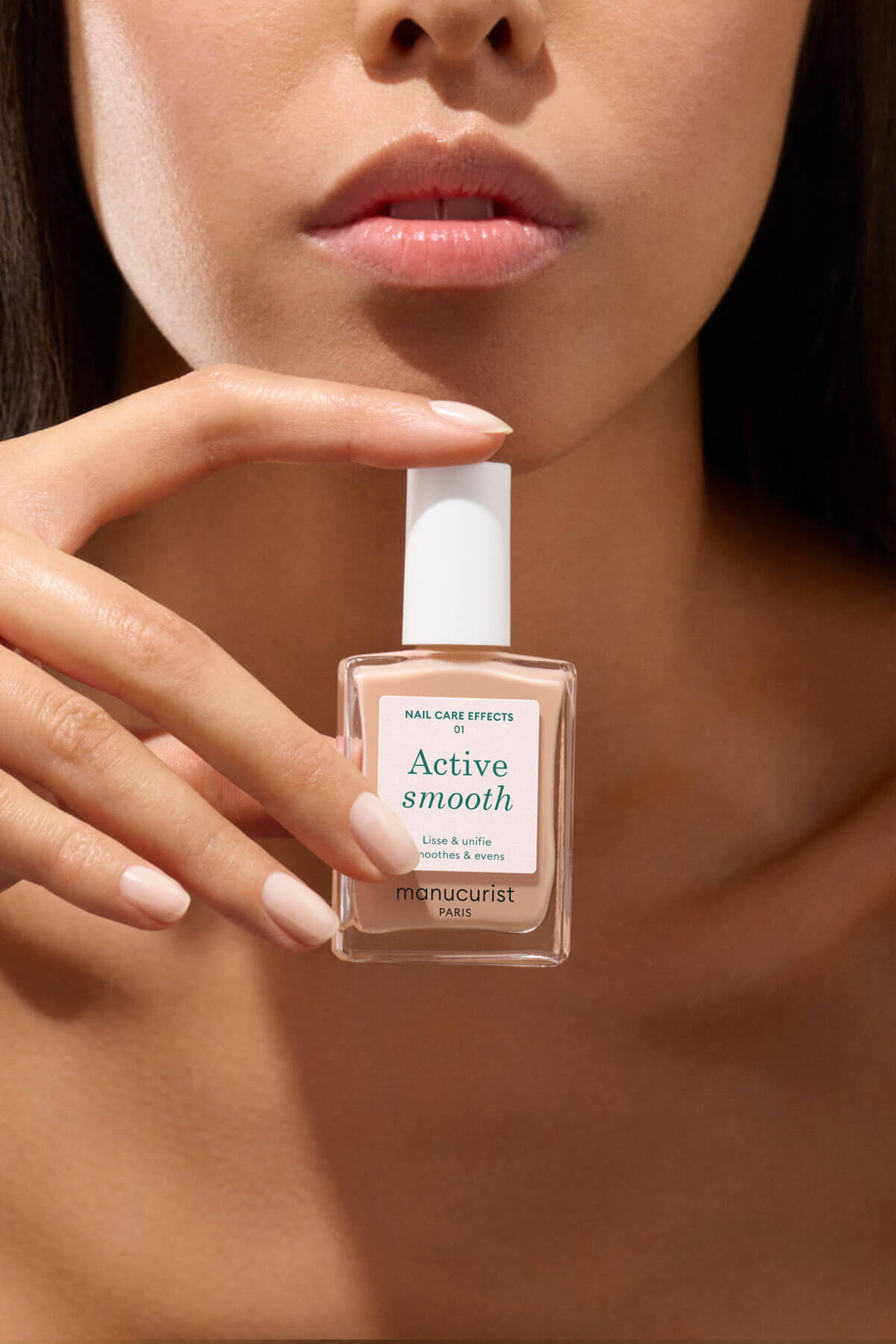
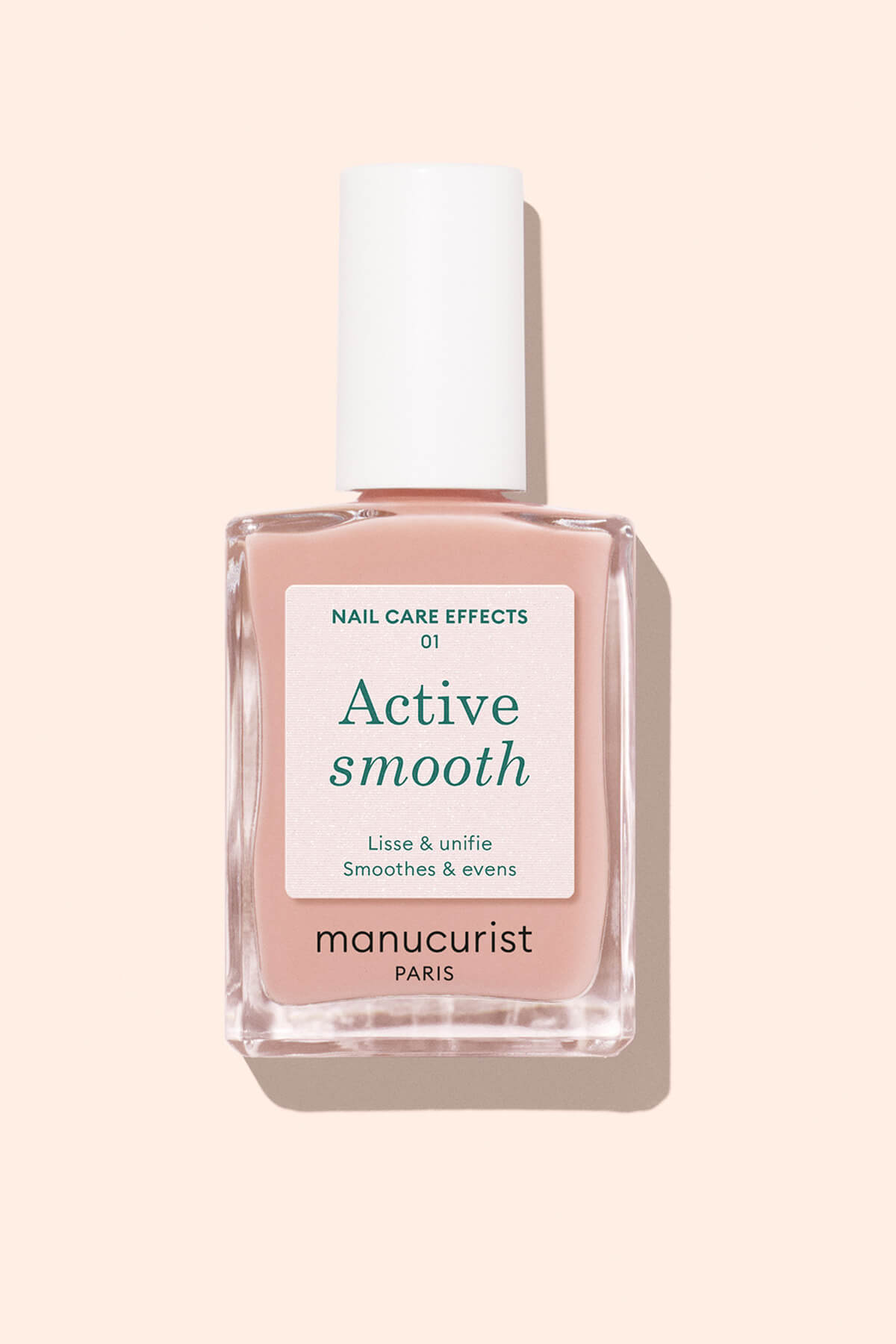
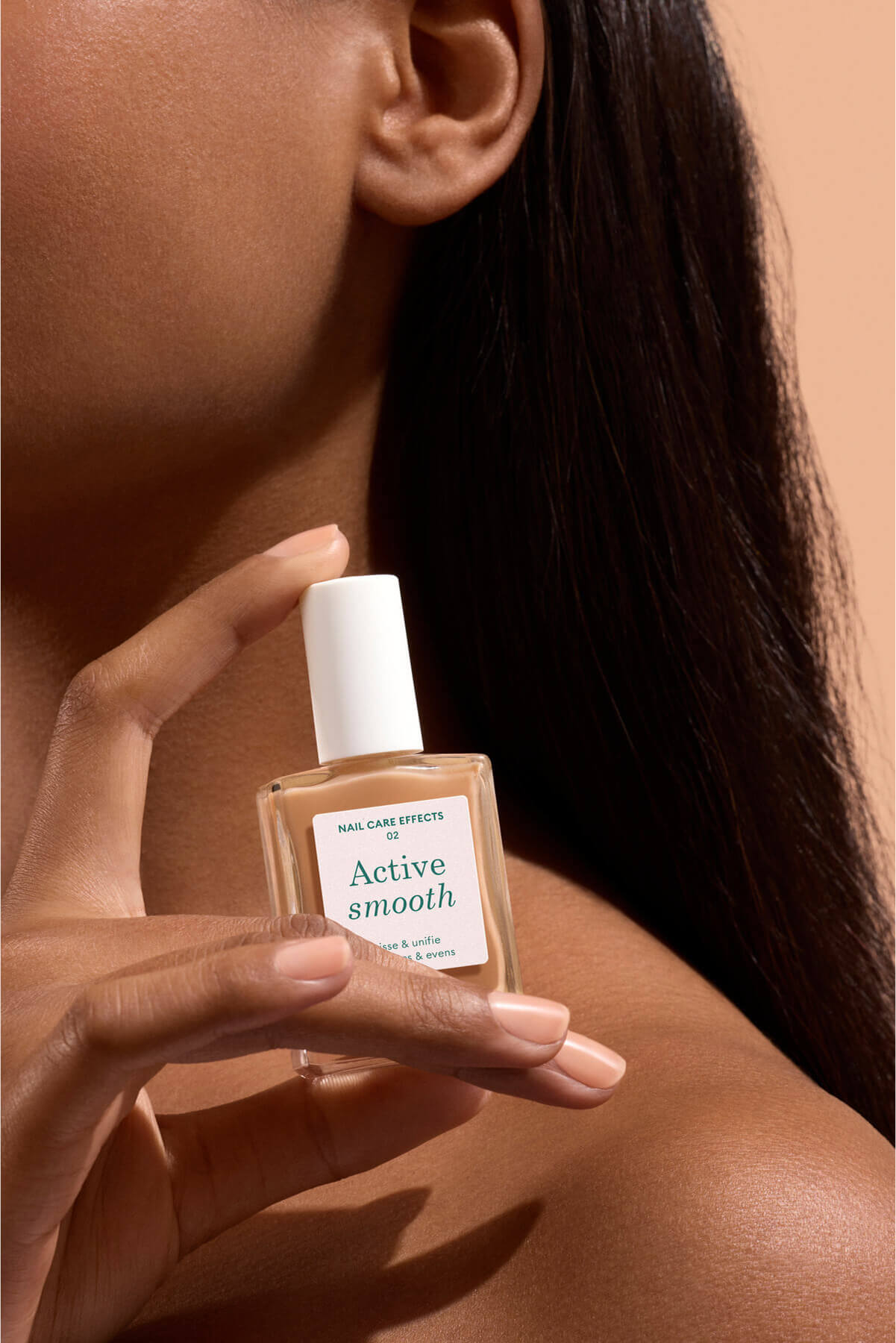
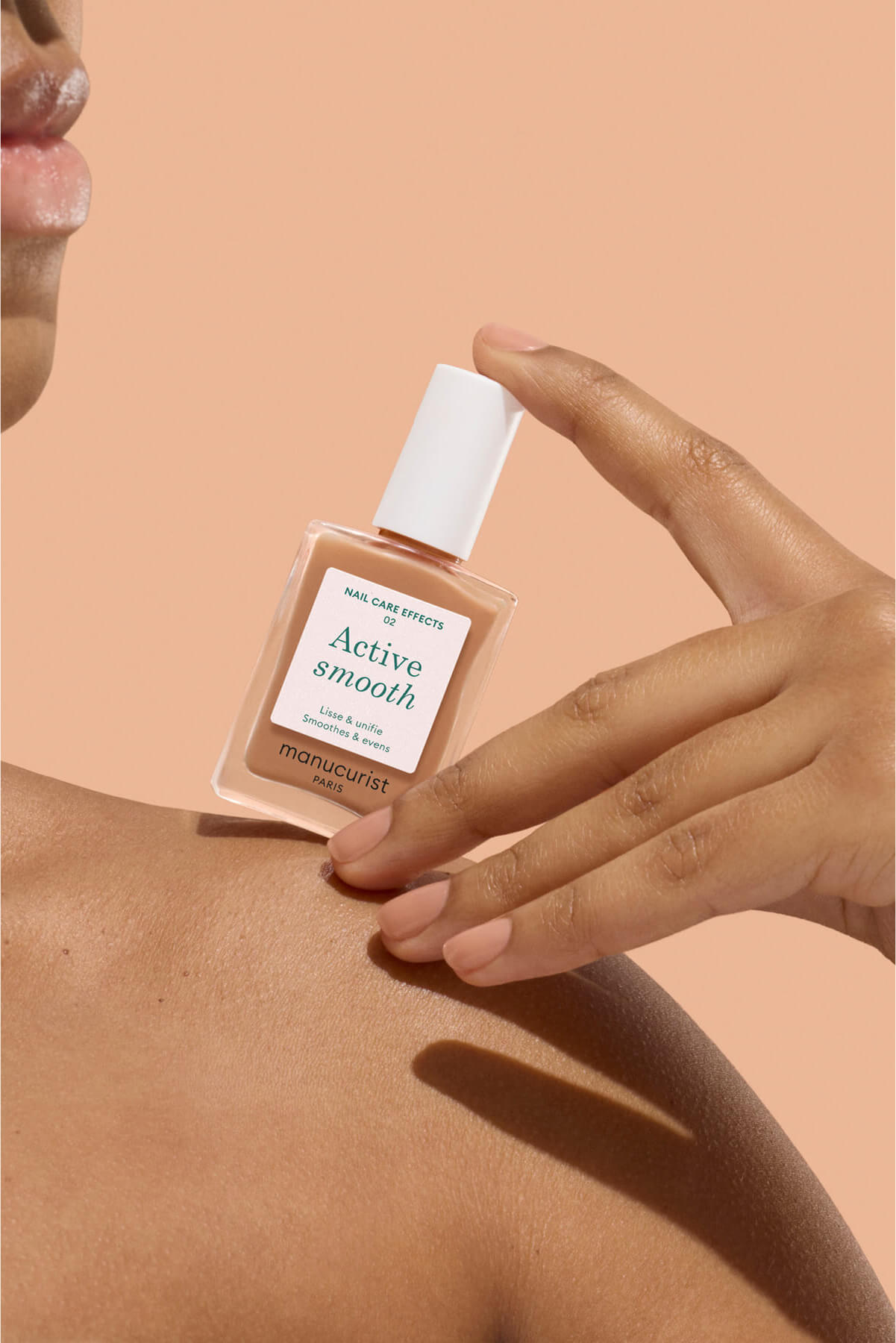
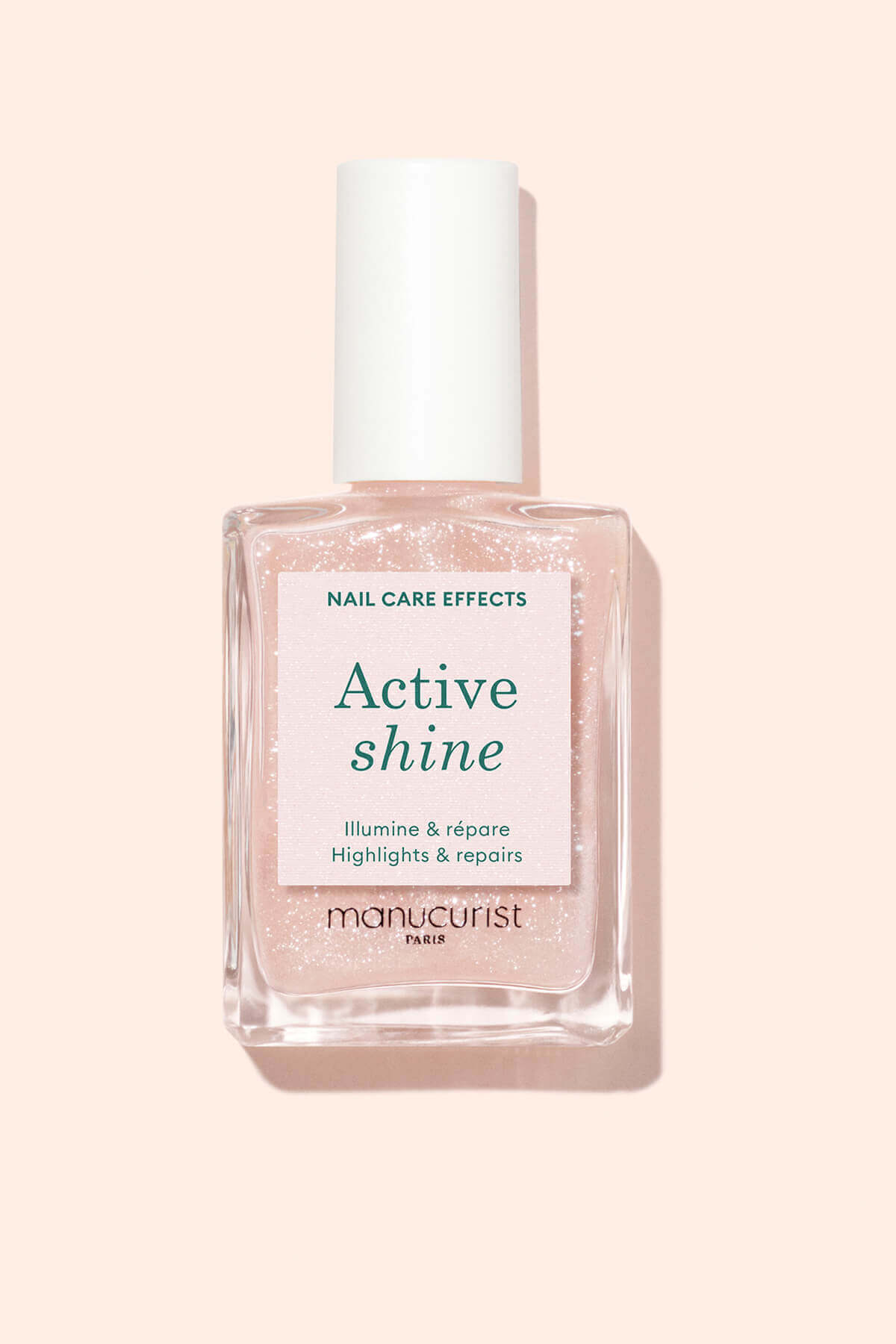
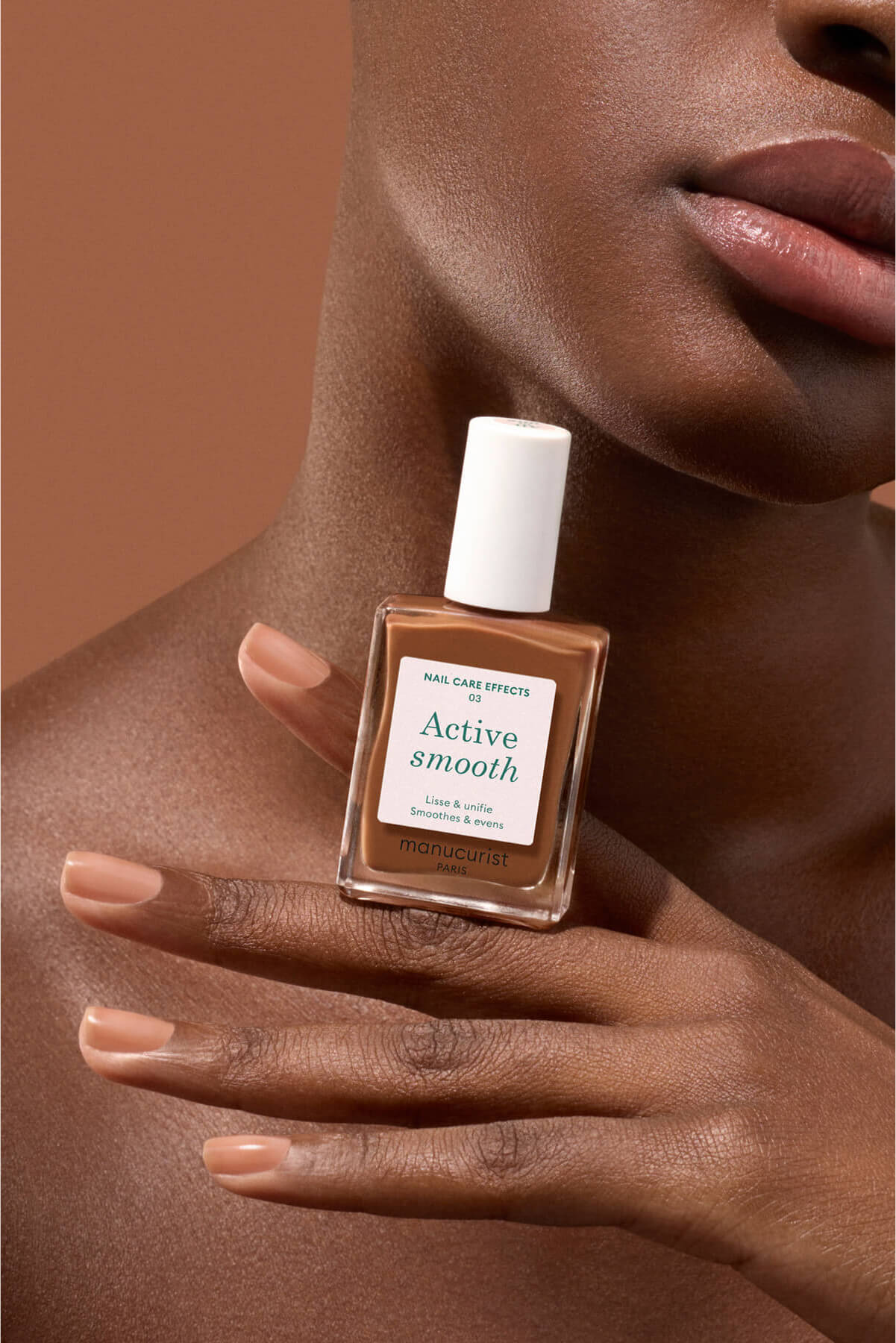
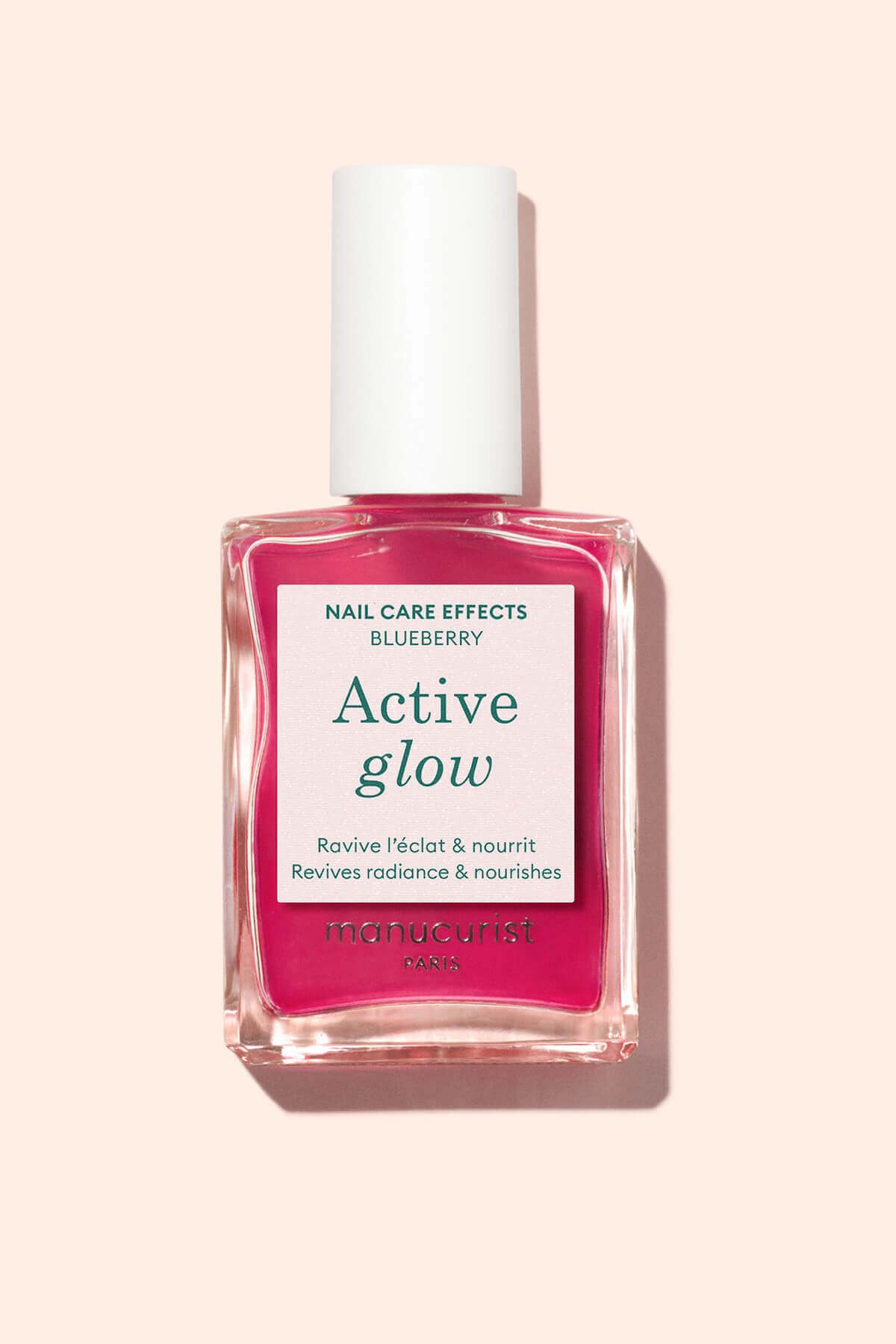
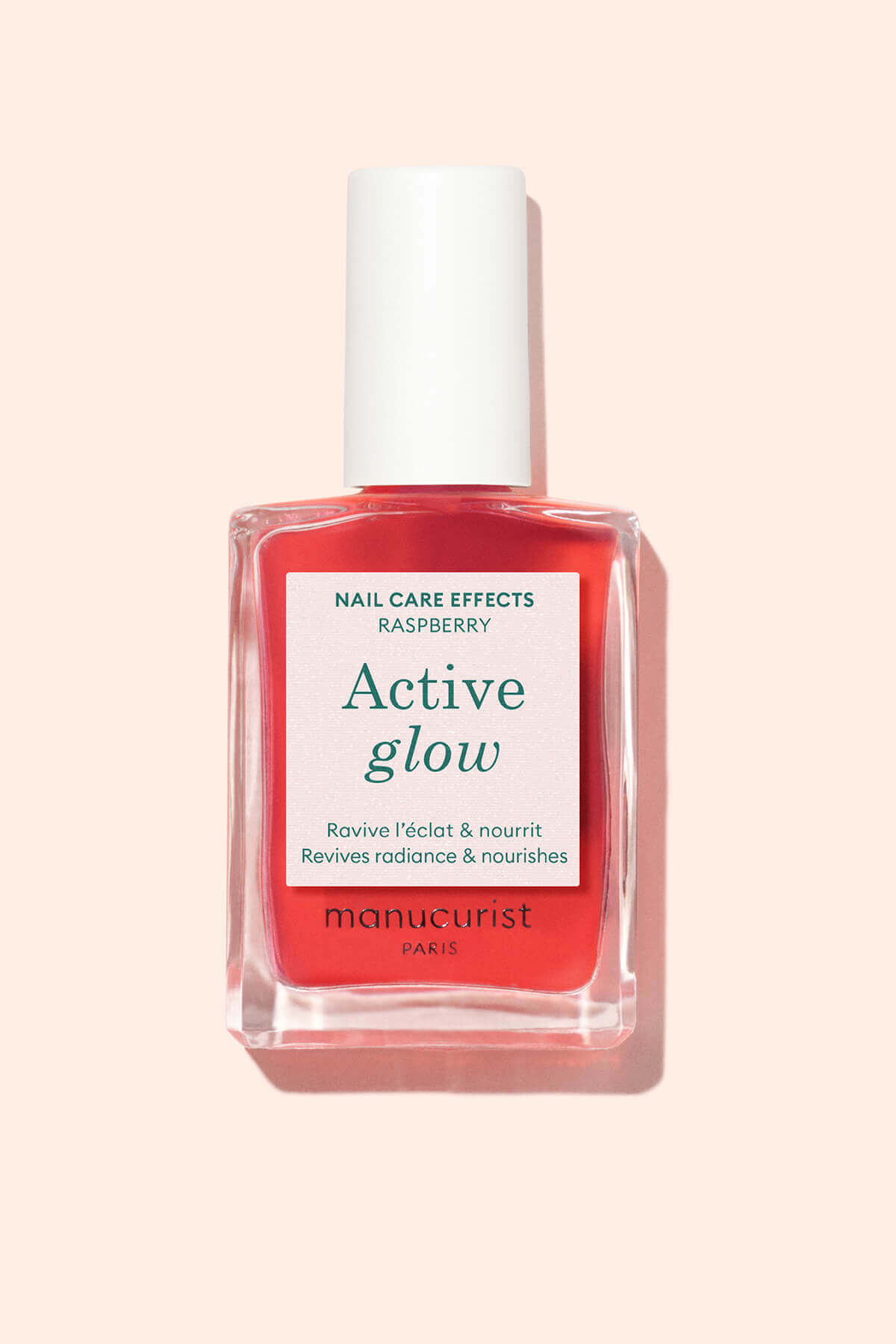
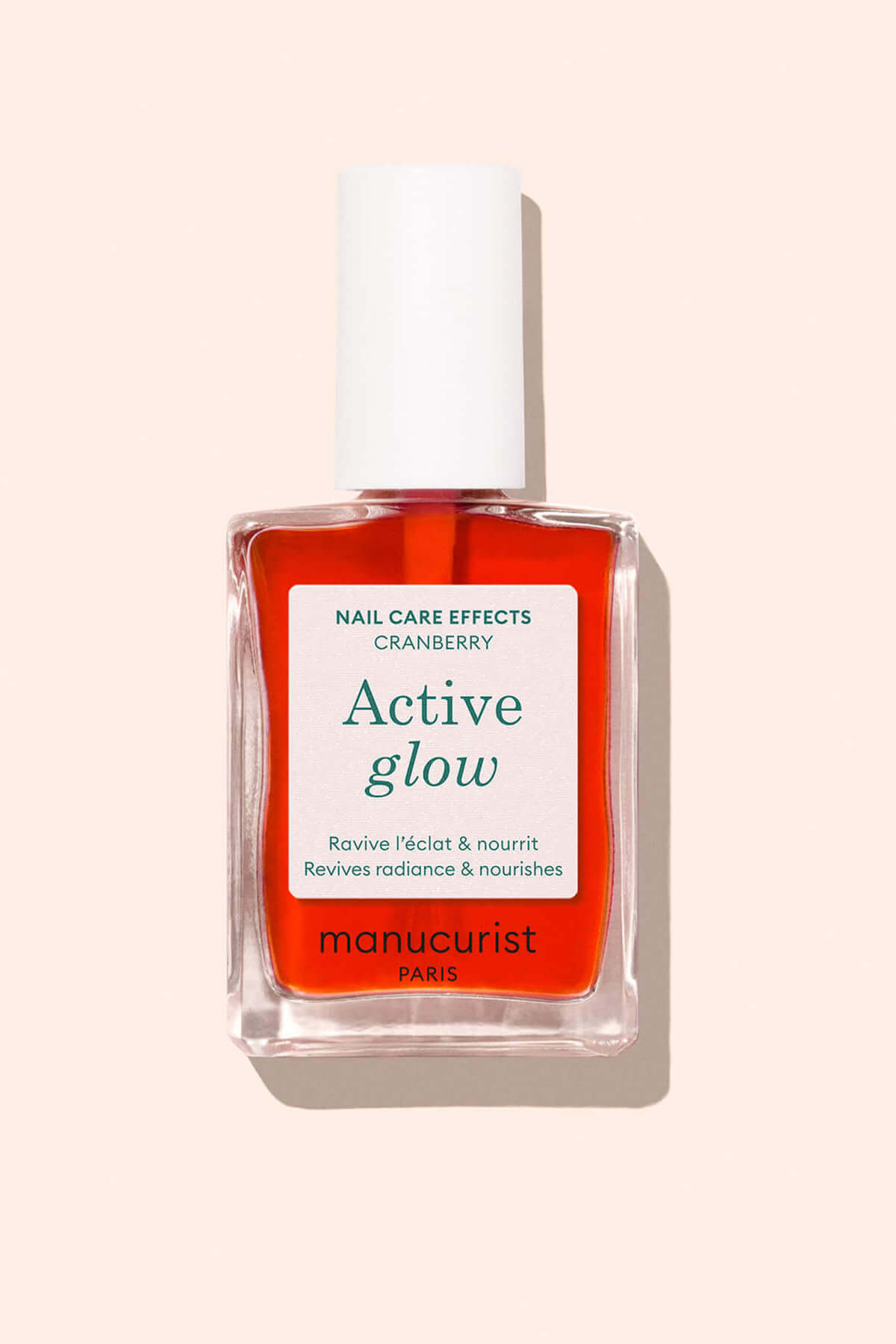
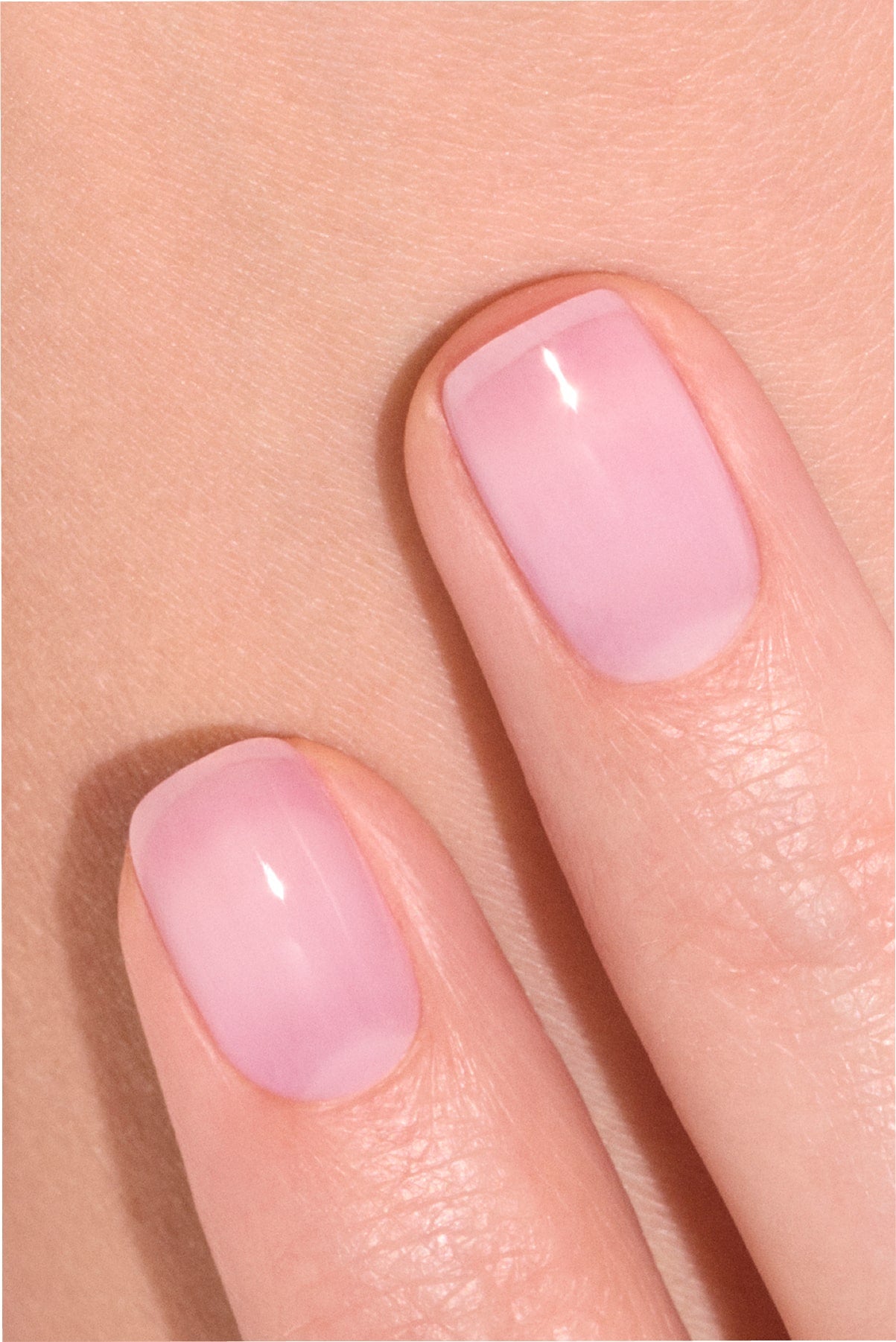
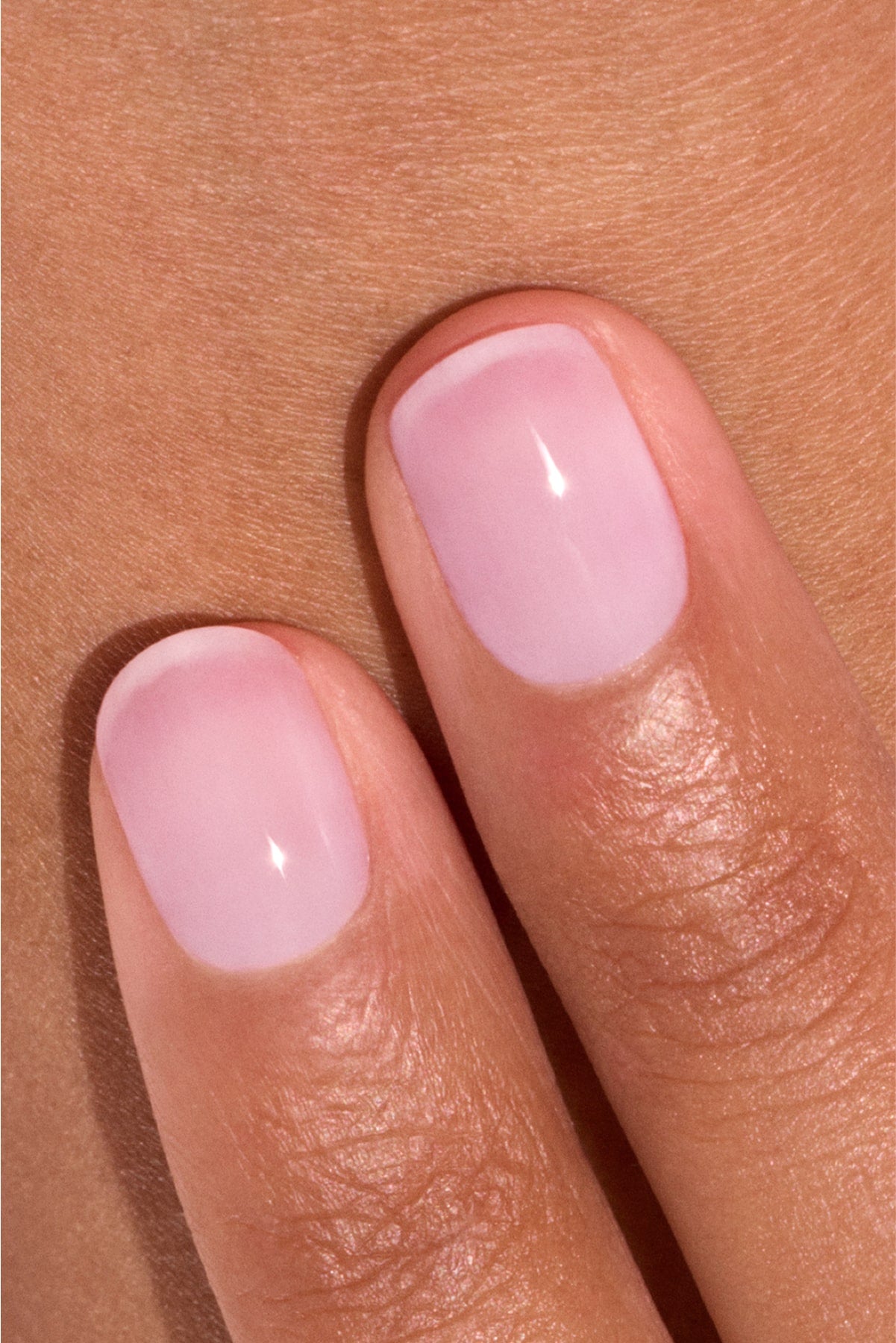
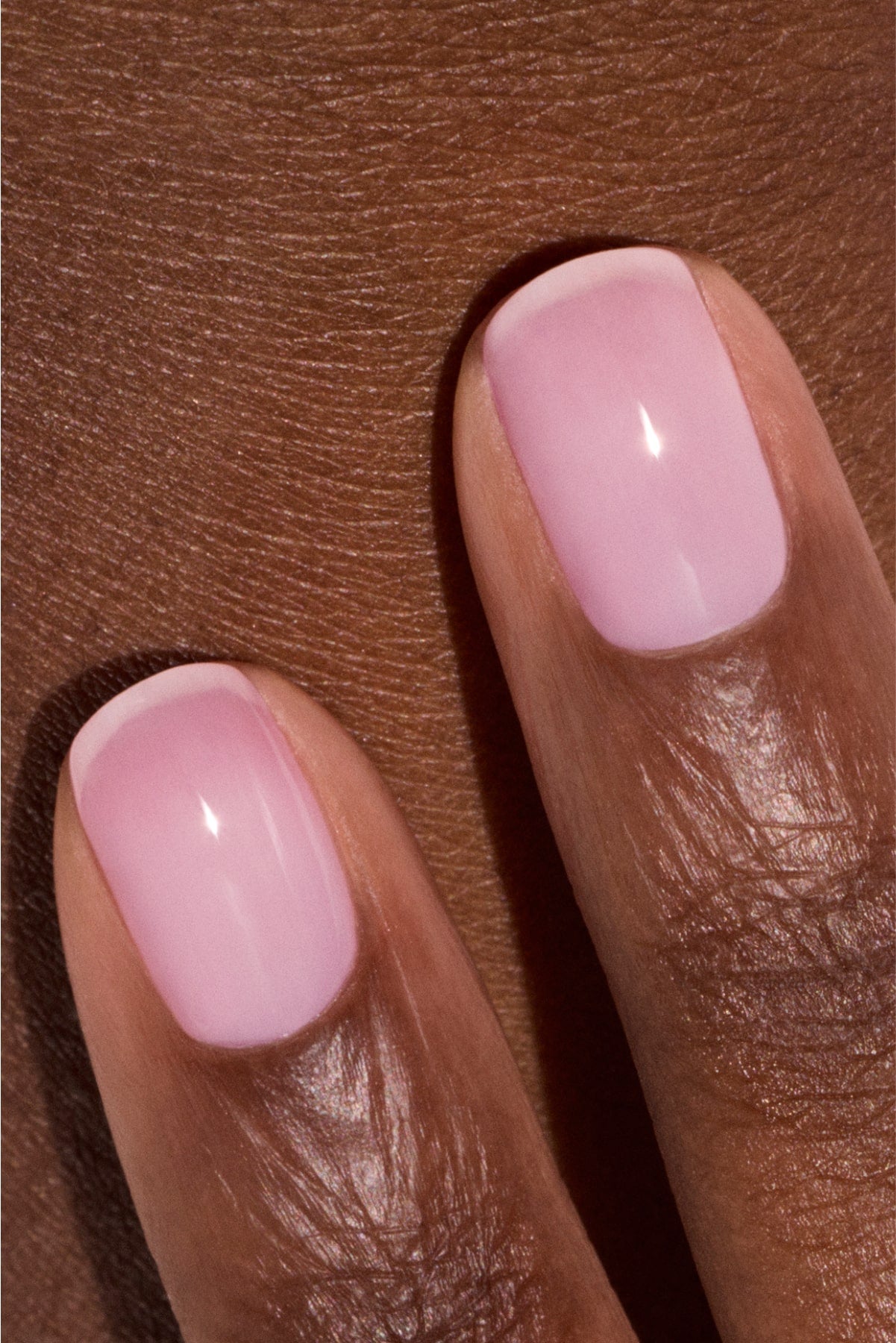
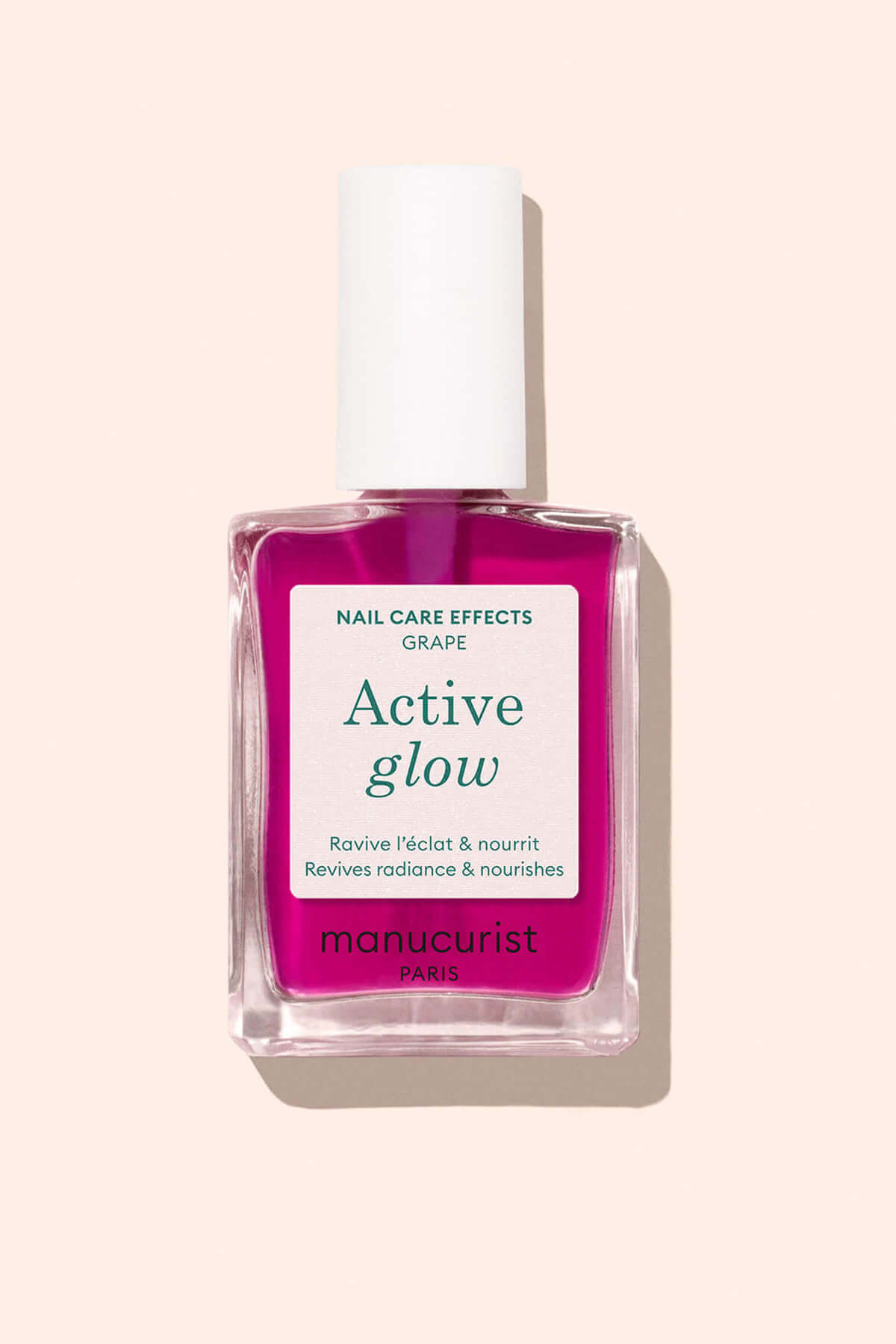
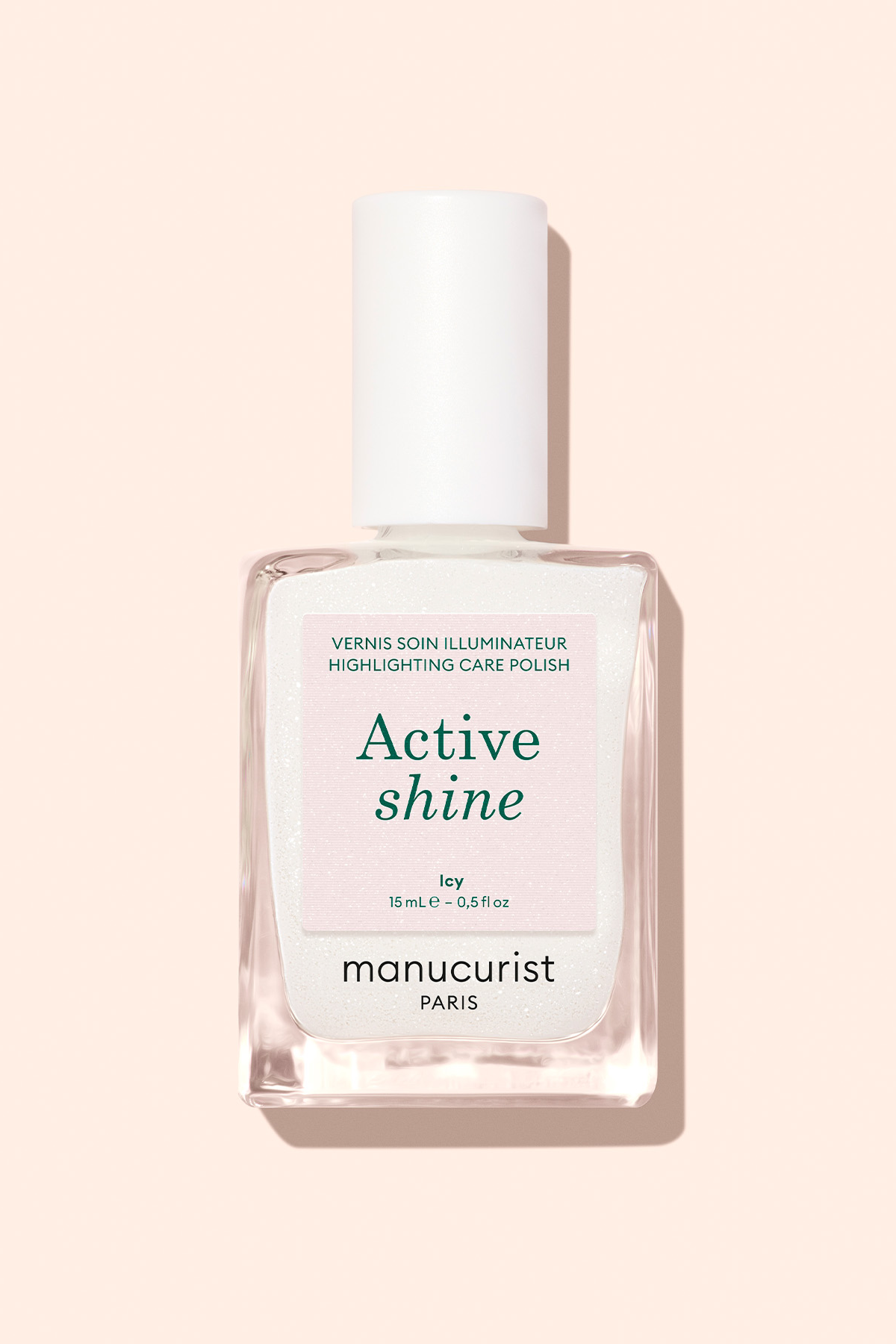
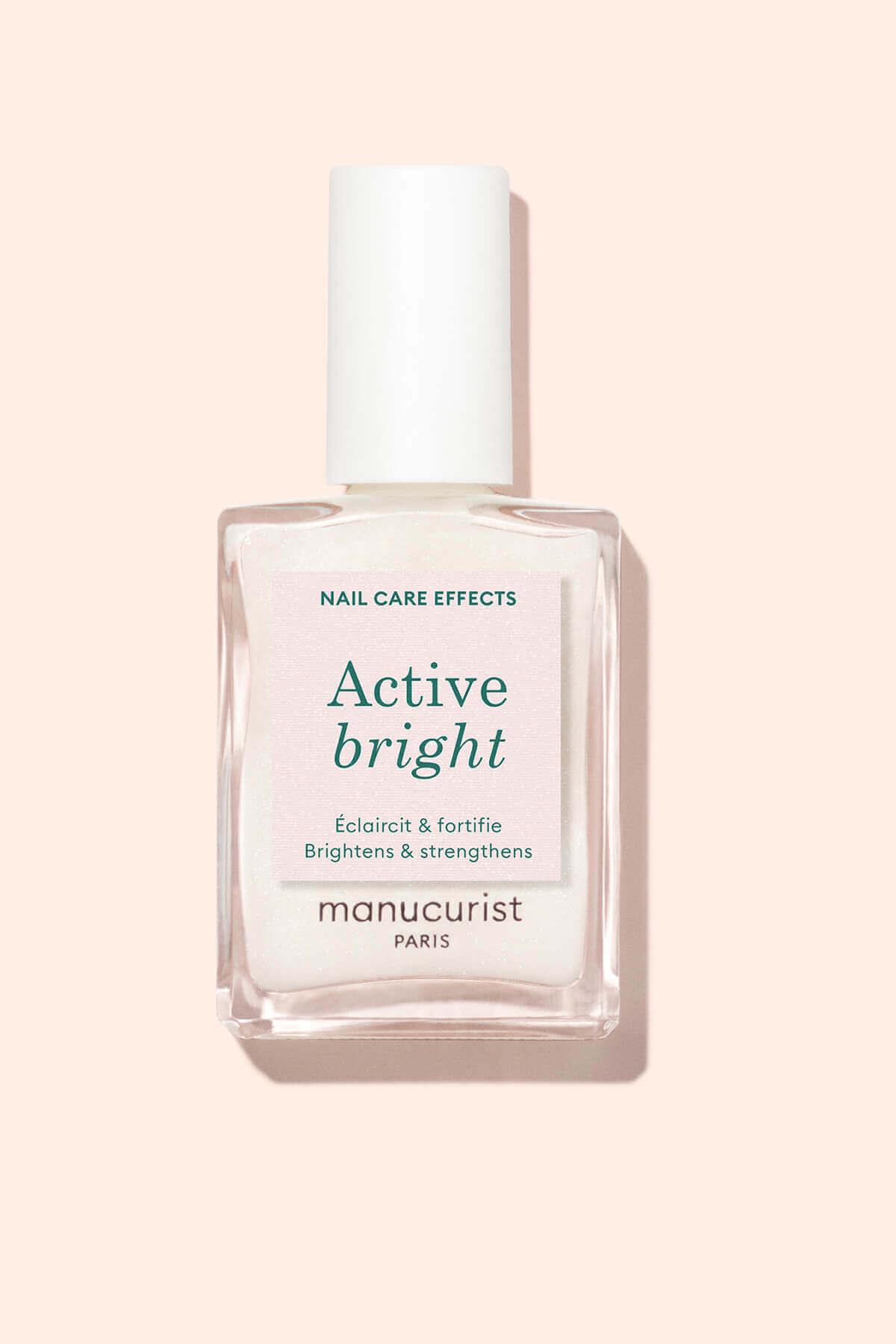
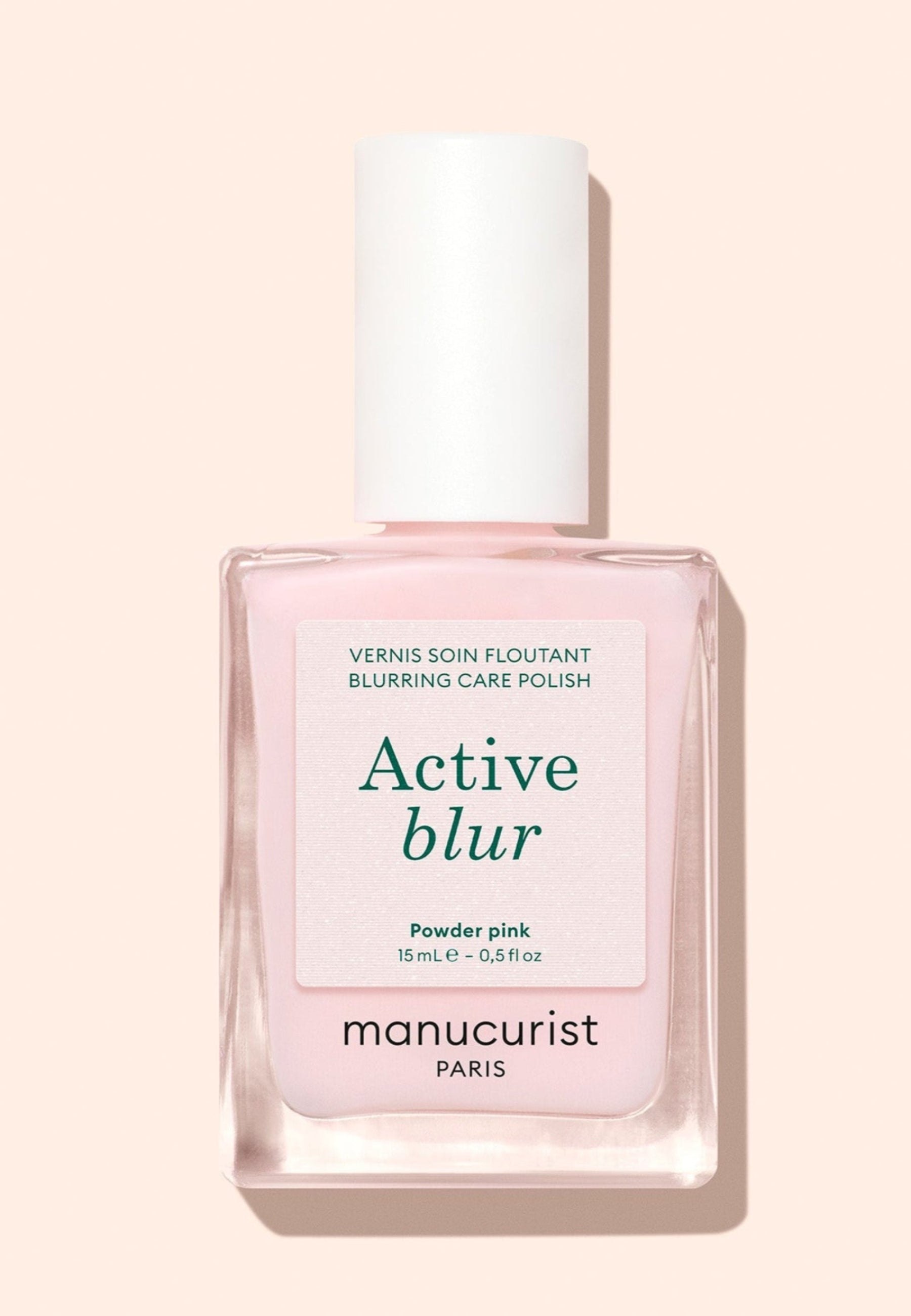
- If you need to dress your nails, choose a varnish nourishing care with make up effect. The Active™ range declines 12 treated varnishes, enriched with natural actives, that strengthen your nails between two manicures. Gloss, CC Polish or brightener effects, it's up to you to choose your Active™!


There are a thousand ways to remove your nail polish but not all are worth it. Between powerful solvent and natural tips, soft acetone-free solvents appear to be the right compromise between performance and respect for nail health. The best way for us to ensure a sustainable manicure.