

Green Flash™Green™
Solvents, resins, plasticizers, pigments, photo-initiators... Behind a bottle of varnish hides a combination of chemical elements that vary according to the type of varnish, whether it is classic, bio-sourced, water-based or photopolymerized. In recent years, several substances traditionally used in the manufacture of varnishes have been banned in Europe for their effects on human health. Others remain allowed but are under surveillance because they may be sensitized or irritating. So how do we know if a varnish is safe and healthy? We'll give you the keys to avoid bad surprises.
The healthier nail polish is a varnish whose formula is free of CMR, endocrine disruptors or monomers, who dry in the open air and withdraws without sanding or acetone. Bio-based varnishes most often meet these criteria while offering a close look to the classic formulas.
The semi-permanent varnish Demand more vigilance: methacrylate monomers (HEMA and di-HEMA banned in Europe in cosmetics for sale to individuals) are among the most reported contact allergens and its removal weakens the nail.
To choose your varnish, the list printed on the packaging remains the most reliable tool, much more than a mention clean or x-free The definition of the mark varies from one brand to another.
No, nail polish is not dangerous to health when it is used on a point basis and purchased in a controlled circuit. However, some formulas contain allergenic, irritating or suspected endocrine disrupting substances, the impact of which varies depending on the type of varnish and the frequency of application.
The good news is that in Europe, the cosmetic composition sold to private individuals is strictly framed. The Regulation (EC) No 1223/2009 excludes any ingredient that poses a risk to human health and formally prohibits the use of substances classified as carcinogenic, mutagenic or toxic to reproduction (CMR). That's reassuring!
However, the risk is not zero, particularly if products purchased outside the EU are used, and exposure is through two means:
The controversial ingredients are divided into three families: endocrine disruptors and CMR substances, contact allergens and irritants. They all perform a precise technical function, film flexibility, shine, adhesion or color stability, which explains their historical presence in the formulas.
Both families combine ingredients with the most serious long-term effects, in terms of hormonal functioning, cancer risks, genetic disorders or reproductive problems.
Dibutyl phthalate (Dibutyl Phthalate or DBP) long served as a plasticizer: it softens the varnish film and prevents it from scaping. It is classified as toxic to reproduction and is now banned in cosmetics sold in the European Union. Many manufacturers have replaced it with the triphenyl phosphate (Triphenyl Phosphate or TPHP). This plasticizer is in turn suspected of disrupting the endocrine system, and it will be prohibited from 2027.
Benzophenones (Benzophenone-1, Benzophenone-3) are UV filters that prevent the colour from discoloring in light. They are also suspected of acting as endocrine disruptors.
The OPT (Trimethylbenzoyl Diphenylphosphine Oxide) is a photoinitiator. It triggers the hardening of semi-permanent varnishes under the lamp, and it is classified as toxic for reproduction. It is banned in cosmetics since September 2025 in Europe. A bottle purchased before this date may still contain one: check the INCI list of semi-permanent varnishes you already have at your home.
Formaldehyde (Formaldehyde) was used as a hardener to strengthen nails. He is classified as a carcinogen and also a contact allergen. If no longer used as such, its derivatives always appear in varnish formulae.
A contact allergen usually does not trigger a reaction from the first application. Skin becomes more sensitive as exposures progress, then react to each new contact. Possible reactions are redness, itching or eczema around the nail. They can also appear on the eyelids, face or neck, areas you touch with your fingers.
The resin tosylamide/formaldehyde (Tosylamide/Formaldehyde Resin) is a filmogenic resin that brings shine and adhesion. It's one of the historical allergens of varnish.
Colophane (Colophonium, Rosin) is a resin from pine sap. It improves the nail-like nail-catching of the varnish. It is a recognized contact allergen, which reminds us that an ingredient of natural origin is not necessarily risk-free.
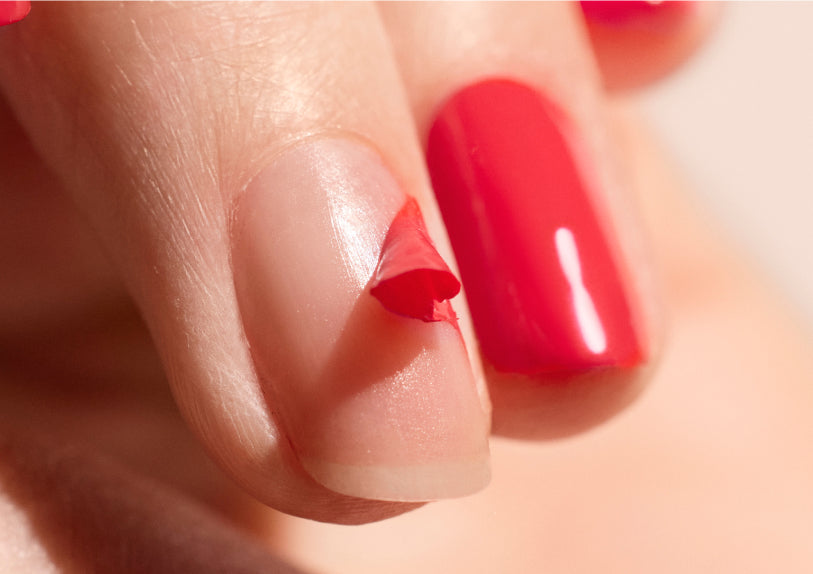
Methacrylate monomers (HEMA, Di-HEMA Trimethylhexyl Dicarbamate) are at the base of semi-permanent varnishes. They polymerize under UV or LED lamps. Before hardening, these liquid molecules easily penetrate the skin. The risk increases when the product overflows on cuticles or when polymerization is incomplete, due to an inappropriate lamp or too short exposure time. These are the most common allergens in nail laying today. Once installed, the allergy is durable. In Europe, nail products containing these substances are prohibited for sale to individuals since 2021 and their use is restricted to professionals under conditions.
Toluene (Toluene) and xylene (Xylene) keep the liquid varnish in the vial. They then evaporate to let the film dry, and it is these vapors that are the problem. In a poorly ventilated room, they can irritate the airways and eyes, causing headaches and dizziness. Repeated exposures are the most at risk, especially for professional in-school workers. Toluene is also suspected of being toxic to reproduction.
The Camphor (Camphor) is a plasticizer rather than a solvent, but it has similar irritant effects. It is also toxic when swallowed: keep the vials that contain them out of the reach of children.
The International Nomenclature of Cosmetic Ingredients (INCI) is compulsory on all cosmetics sold in the EU. The ingredients appear in descending order of concentration, then in free order below 1%. The names are written in English or Latin, which allows them to be identified regardless of the language of the package.
Here are the substances to be found in the INCI lists of your beauty products that are to be avoided:
| Name of INCI to be identified | Role in varnish | Reason for vigilance |
|---|---|---|
| Dibutyl Phthalate (DBP) | Plastifier | Reproductive toxicity, banned in the EU since 2004 |
| Triphenyl Phosphate (TPHP) | Plastifier | Suspected endocrine disruptor, banned from 2027 |
| Toluene | Solvent | Irritant for the respiratory tract, reprotoxic |
| Formaldehyde | Hardener | Allergen, carcinogen |
| Tosylamide/Formaldehyde Resin | Filmogenic | Contact allergen |
| Camphor | Plastifier | Irritant, toxic if swallowed |
| Xylene | Solvent | Irritant vapours |
| Colophan | Adhesive resin | Contact allergen |
| Benzophenone-1, Benzophenone-3 | UV filters | Suspected endocrine disruptors |
| Trimethylbenzoyl Diphenylphosphine Oxide (TPO) | Photo-initiator of the semi-permanent | Reproductive toxicity, banned since September 2025 |
| HEMA, Di-HEMA Trimethylhexyl Dicarbamate | Semi-permanent monomers | Contact allergens, banned since September 2021 |
The entries 5-free, 9-free or 16-free no regulatory definition is observed: each brand sets its own list of exclusions. The figure is less important than the substances actually excluded, to be compared with the table above.
The level of bio-sourced ingredients indicates the share of vegetable matter such as sugar cane or cassava. This is neither a biological certification nor a guarantee of skin tolerance, but colophan is the standard example.
For regular use, bio-based varnish without controversial substances offers the best balance between health, nail hold and nail respect. The varnish in water contains the least solvent but lasts less time, while semi-permanent cumulates the points of vigilance. Find out at a glance the advantages and the points of vigilance specific to each type of varnish:
| Type | Ingredients | Drying | Held | Deposit | Points of vigilance |
|---|---|---|---|---|---|
| Classic varnishes | Petrochemical solvents and resins, nitrocellulose, plasticisers | Open air | One week or more depending on the formulas | Dissolved, often with acetone | Plasticizers, solvents, UV filters |
| Bio-based varnishes | Same architecture with majority of alternative ingredients of plant origin | Open air | Up to one week | Sweet solvent without acetone | Bio-based rate varies according to the shades and brands, natural allergens possible |
| Water varnishes | Dispersive water and resins, very few solvents | In the open, slower | 48h | Mild lukewarm or solvent water | Low resistance to shocks and water |
| Gel nail polish | Monomers and oligomers of methacrylates, photoinitiators | Under UV or LED lamp | Two to three weeks | Acetone, sanding and/or limage | Allergies to methacrylates, UV exposure, aggressive deposition |
| Bio-sourced LED varnishes | Non-volatile and non-sensitizing copolymers, photoinitiators, majority of alternative ingredients of plant origin | Under LED lamp | Two weeks | Sweet solvent without acetone | Bio-based rate varies according to the shades and brands, natural allergens possible |
The water varnish is suitable for children and people sensitive to solvent odours. Classic and bio-sourced LED varnishes are for those who want a result close to classic or semi-permanent varnishes with premium, a formula lightened in controversial ingredients.
Yes, traditional semi-permanent varnishes are the most hazardous in current varnishes, for four reasons related to their chemical composition and use:
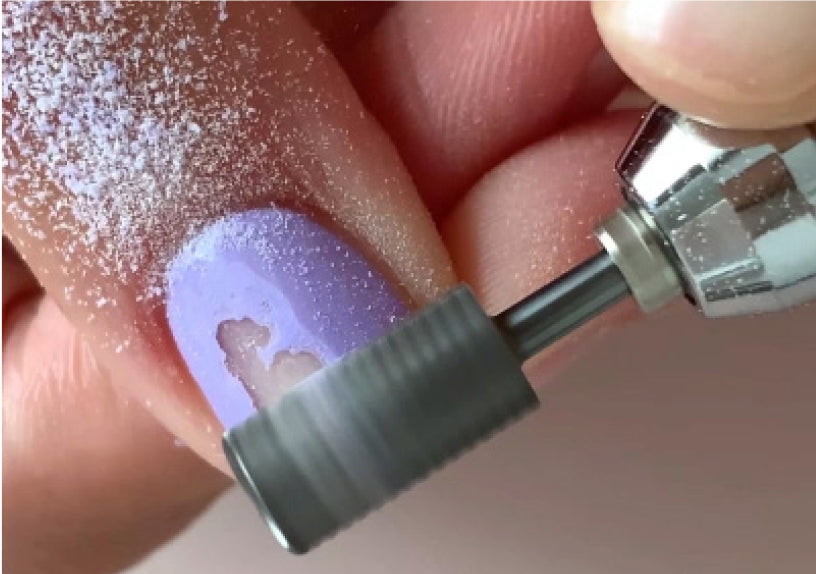
A varnish that dry in the open air and who is withdraw with a soft solvent without acetone, is the one that will damage your nails the least. The damage comes more from repeated poses and removal than from the varnish itself. The more conventional or semi-permanent varnishes are put together, the more nails are exposed to theacetone. This product dissolves the lipids that ensure the cohesion of the keratin layers. The result: the nail becomes dry, brittle and split. Surface sanding before or after a semi-permanent period removes a fine thickness at each installation. It is then essential to feed the nail in depth in order to stimulate keratin production and allow the plate to be renewed.
👉 The solution? The Commission has already taken a number of steps to improve the quality of the information. bio-based varnishes which avoids these inconveniences while offering comparable performance to classic and semi-permanent varnishes in terms of hold and shine.

At Manucurist we formulate our varnishes for cprofessionally rendered oncile and composition respectful of consumer health. To do this, we are making sure that at-risk molecules are banned from our products even if they are not yet prohibited by regulation. And we replace petrochemical ingredients with mild alternatives, extracted from biomass, as much as possible.
The nail polish Green™ contain up to 83% of ingredients of plant origin, derived in particular from cassava, maize, sugar cane or cotton. Their formula is free of DBP, toluene, formaldehyde, formaldehyde resin, camphor, HPPT, xylene, parabens and animal ingredients. These varnishes are easy to put, dry in the open air, without UV or LED lamps, and last up to seven days. Finally, it is remove in a minute with a soft solvent without acetone. Ideal for a simple and fast manicure that preserves nails.
For those who seek the long hold of the semi-permanent without the risks that go with it, the range Green Flash™ offers a varnish composed of 84% bio-sourced ingredients, guaranteed without HEMA, TPO and other harmful substances. It dries under a LED lamp with a power not exceeding 36W, with a catalysis time of 5 to 10 minutes max per manicure, thus limiting UVA exposure. Green Flash™ se remove without acetone and without sanding, with a suitable soft solvent, which avoids the alteration of the plate and allows to enjoy a beautiful manicure up to 12 days.
We recall that an allergic reaction is still possible with plant ingredients. If you have an allergy history, we strongly recommend that you compare the INCI list with the results of your allergy tests.



Green Flash™
the perfect alternative!
SEMI-PERMANENT LED
Green Flash™

Go home, without acetone, without rubbing

Immediate drying
under LED lamp

Ingredients Bio-sourcing & Vegan

Nails fortified with the patented Base Coat for a 21 days*
*With the Top Coat Xtrem Flash™
CLASSIC SEMI-PERMANENT
Other brands
Retired in institute withacetone, using a sander
Immediate drying
under lamp UV
Ingredients Risk and Non vegan
Held 3 weeks with risk Of nails damaged
VERNIS TO UNGIL
Green™
Go home, without acetone, rubbing
Drying in a few minutes Open air
Ingredients Bio-sourcing & Vegan

The fortified nails with the Base Coat for a uniform of 7 days
Green™
ultra pigmented bio-based varnish
VERNIS TO UNGIL
Green™
Go home, without acetone, rubbing
Drying in a few minutes Open air
Ingredients Bio-sourcing & Vegan
The fortified nails with the Base Coat for a uniform of 7 days
SEMI-PERMANENT LED
Green Flash™
Go home, without acetone, without rubbing
Immediate drying
under LED lamp
Ingredients Bio-sourcing & Vegan
Nails fortified with the patented Base Coat for a 21 days*
*With the Top Coat Xtrem Flash™
CLASSIC SEMI-PERMANENT
Other brands
Retired in institute withacetone, using a sander
Immediate drying
under lamp UV
Ingredients Risk and Non vegan
Held 3 weeks with risk Of nails damaged
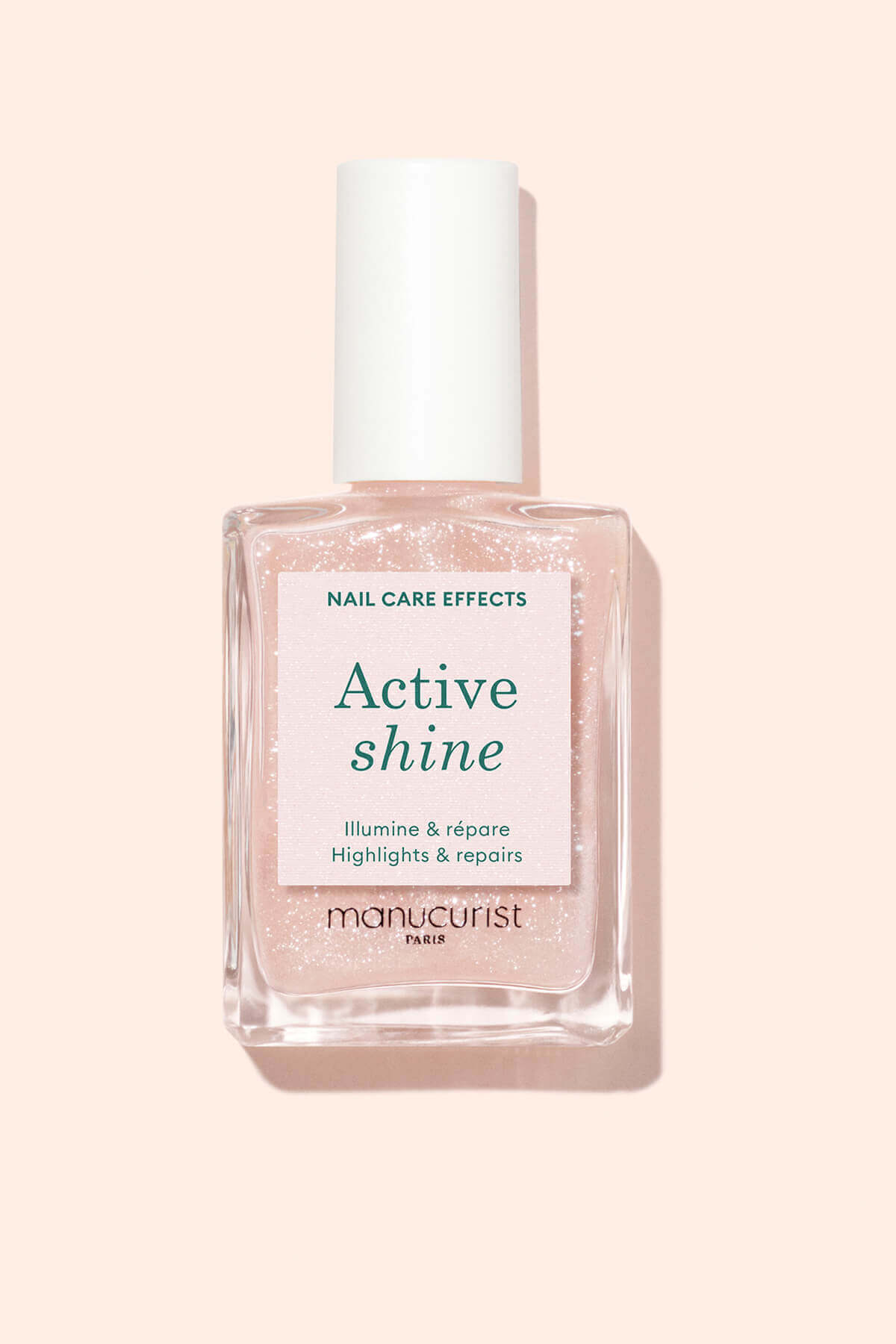
Active™ Smooth

Make-up effect : CC Polish

No more : Satin

Coverage : Light
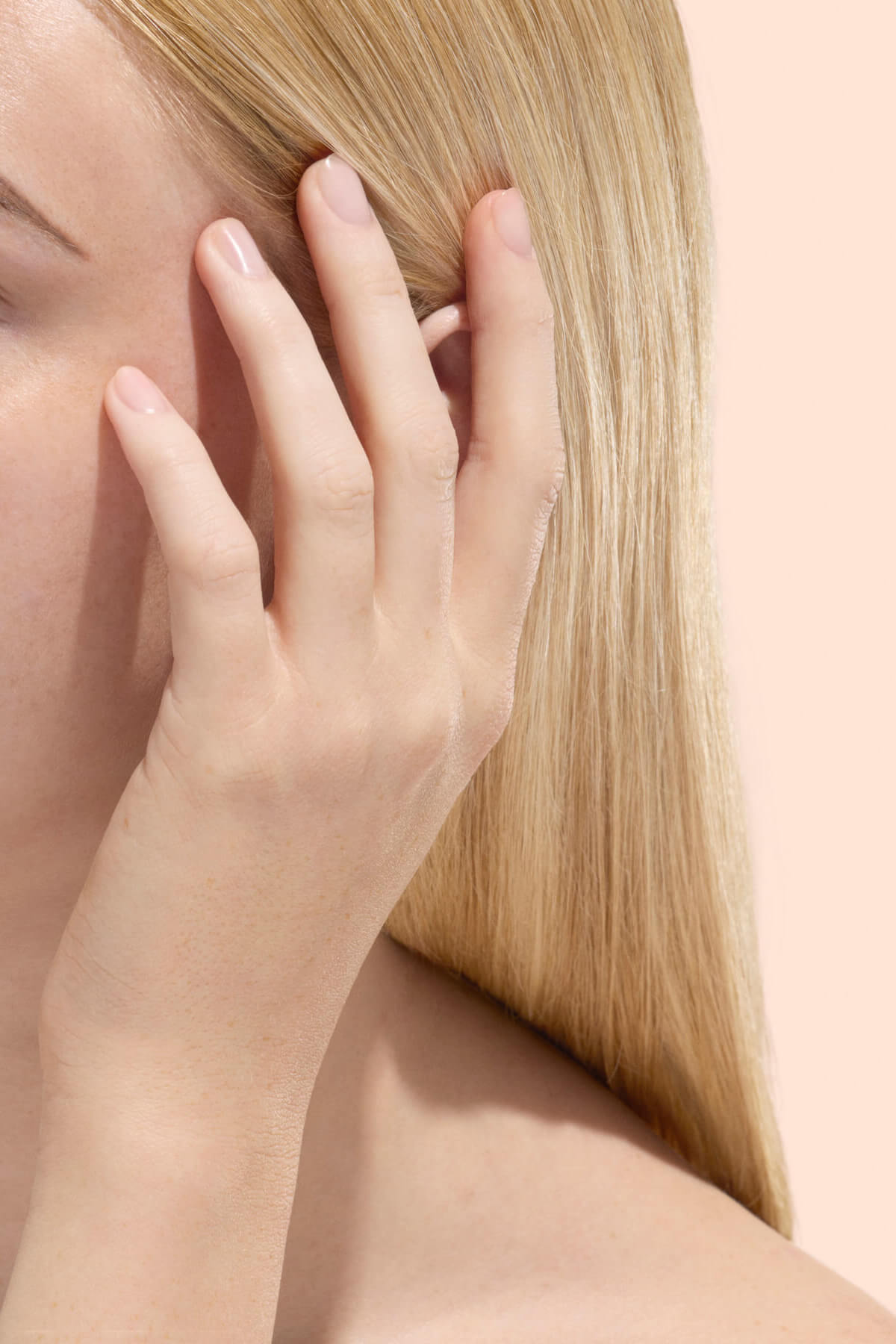
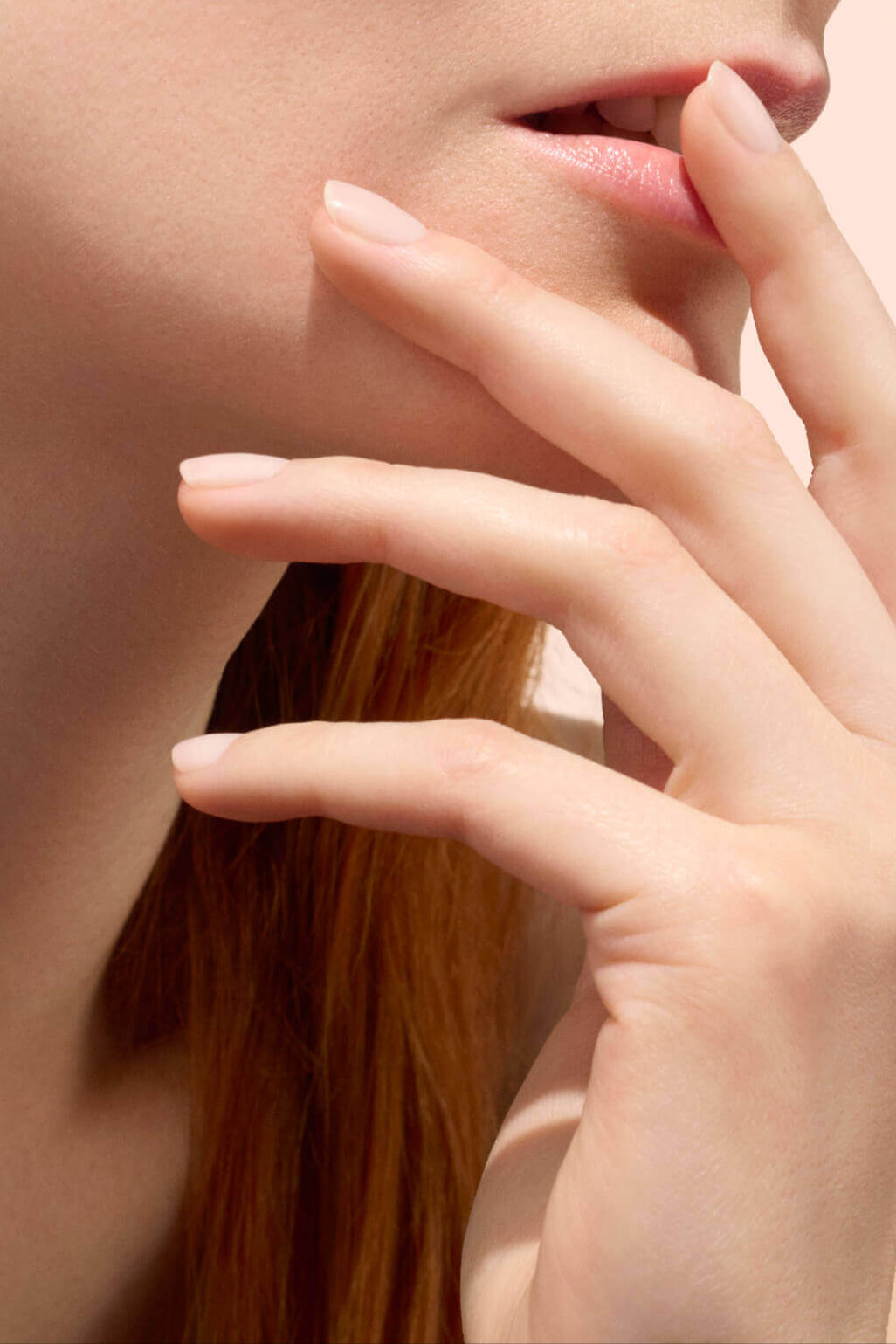
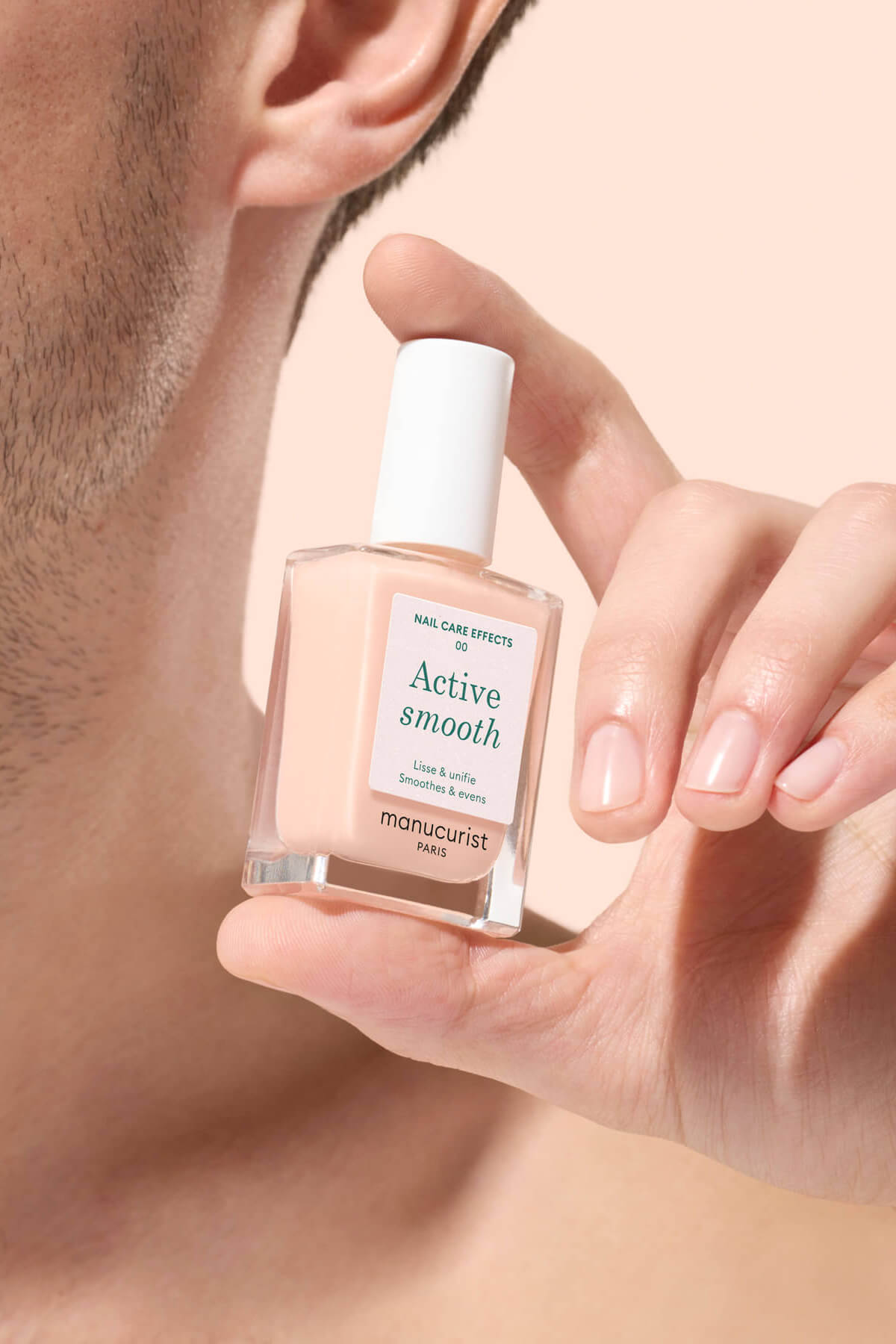
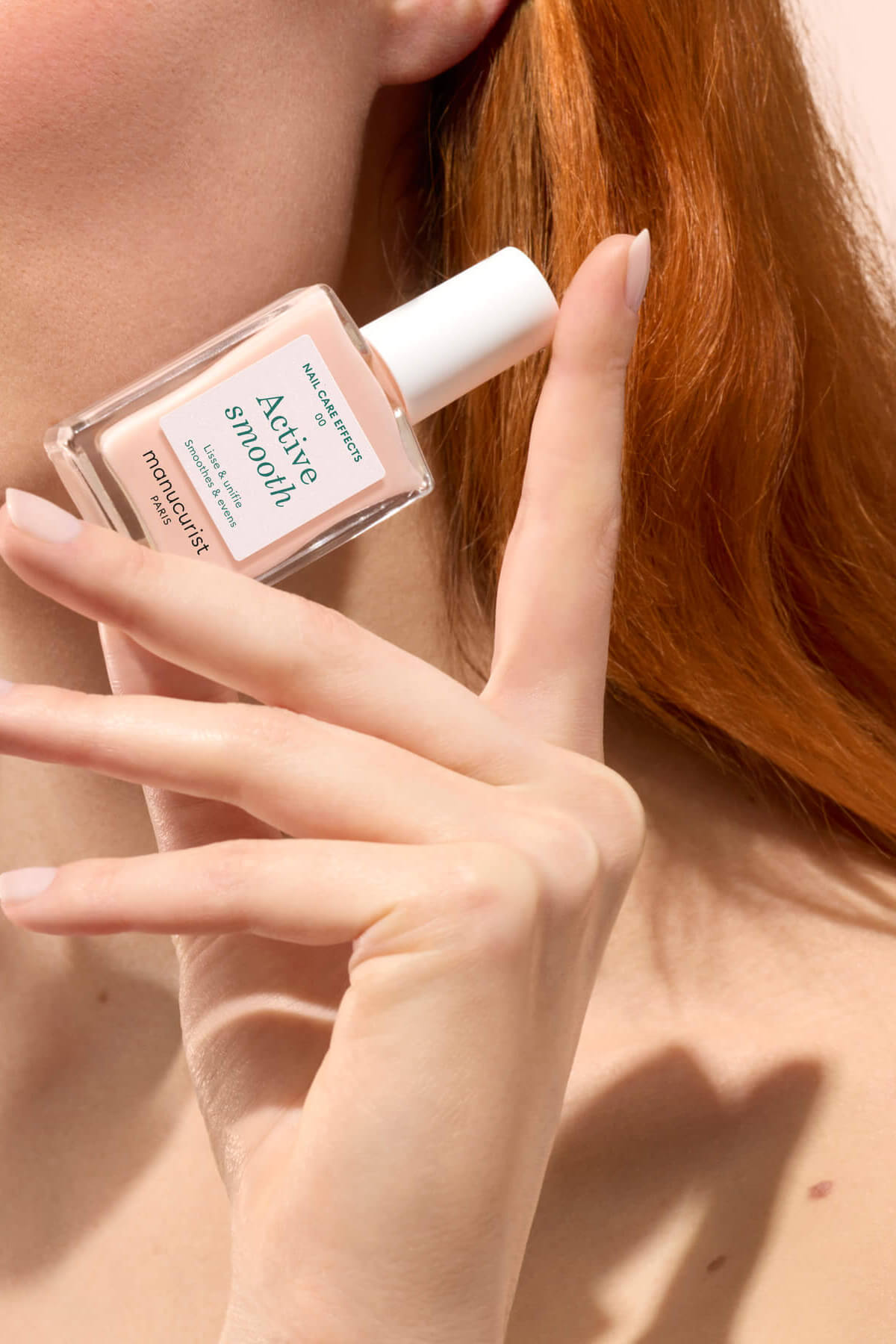
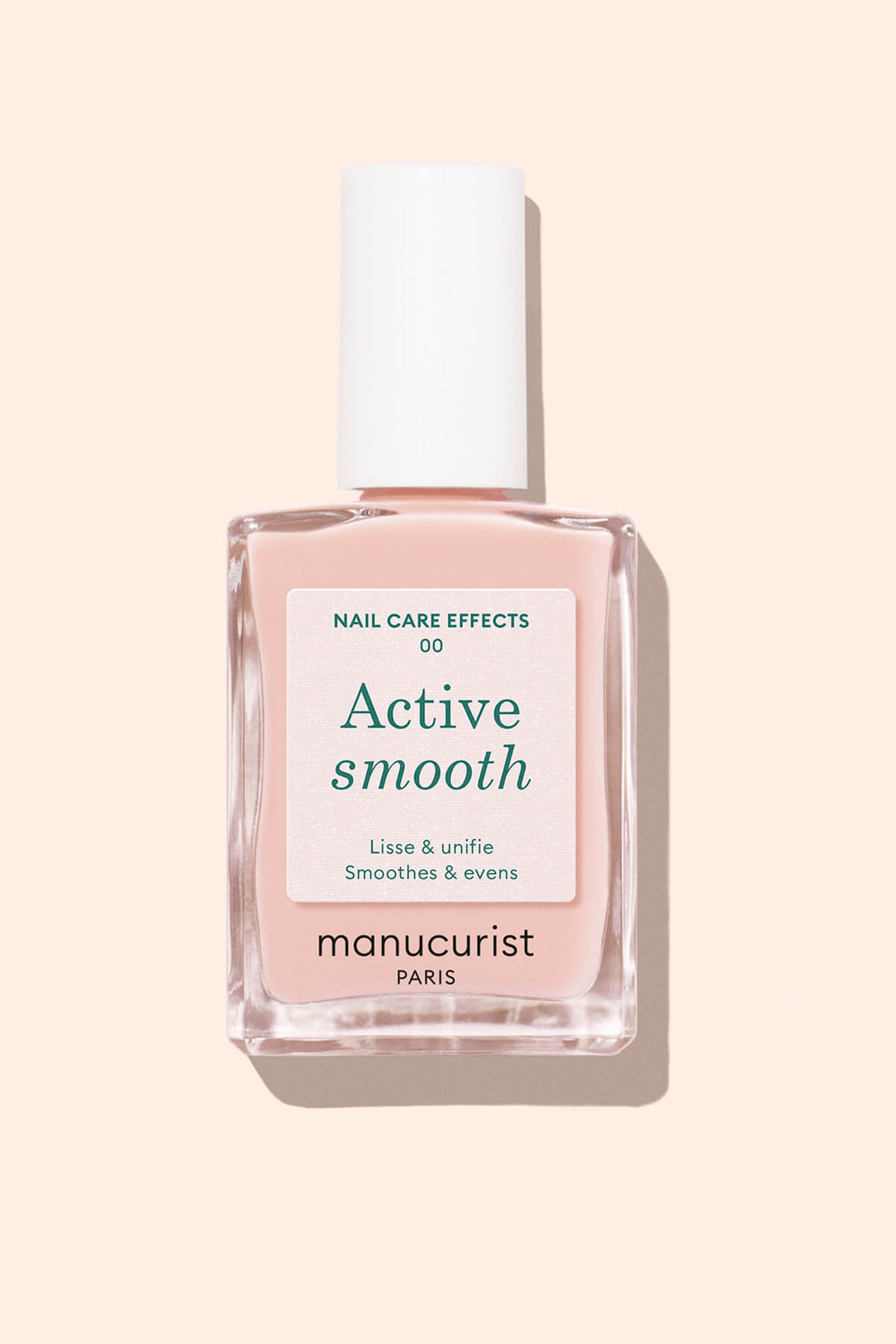
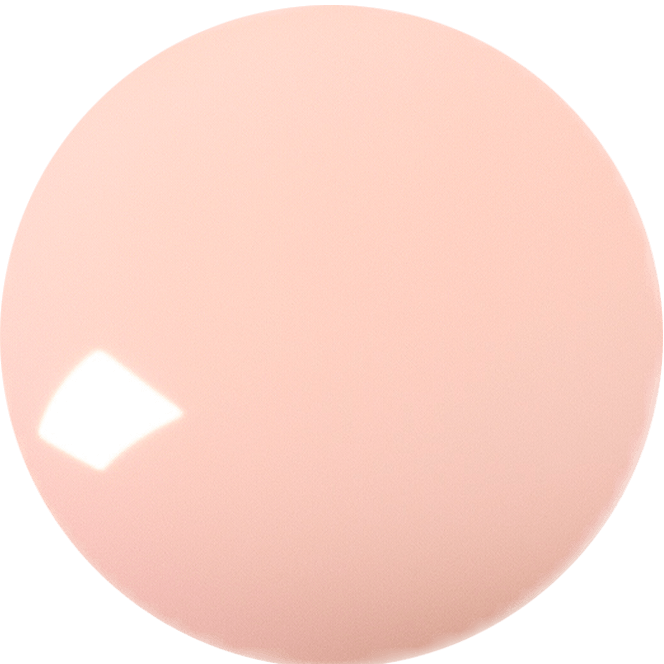
Active™ Smooth - 00
For a rosé veiled finish
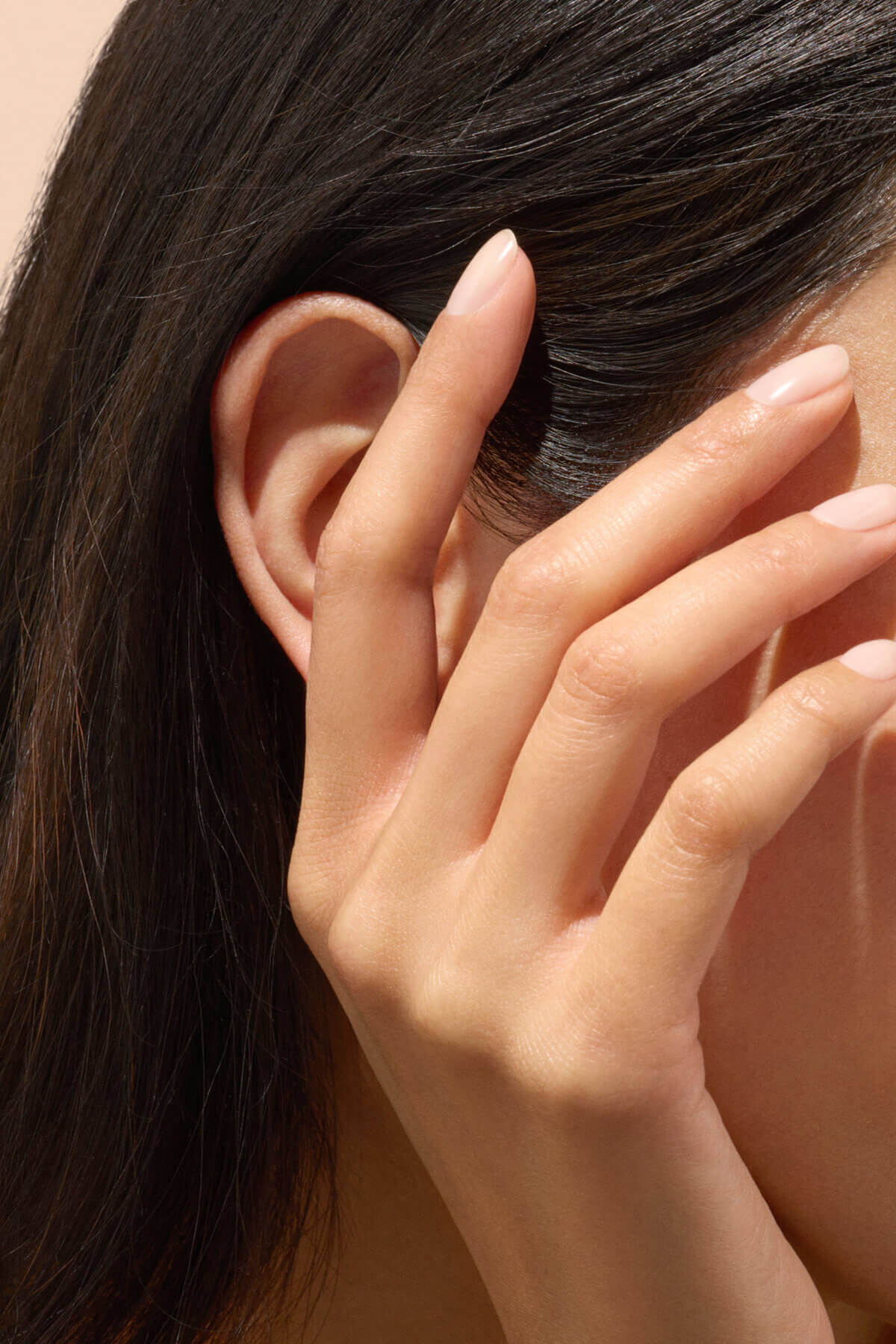
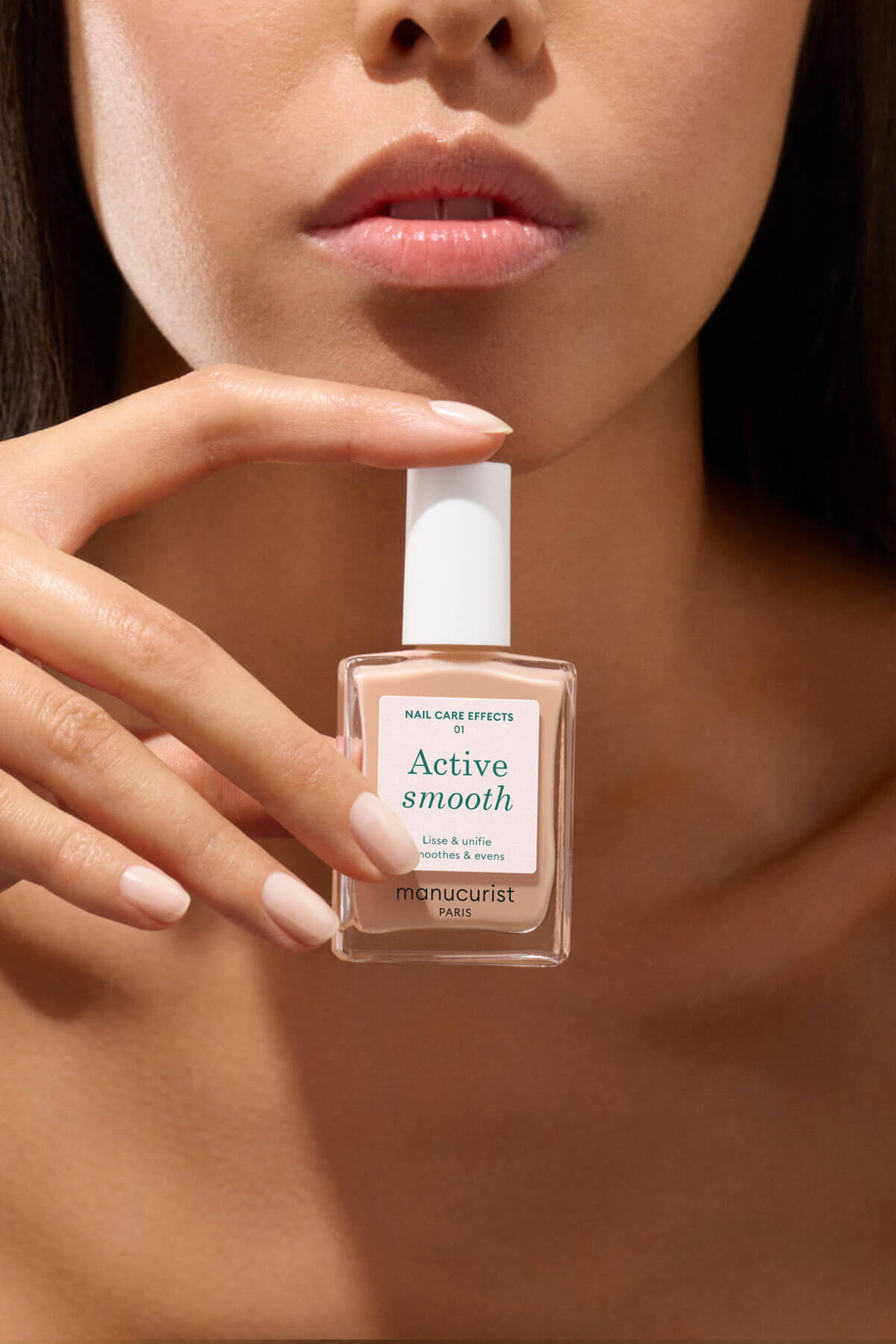
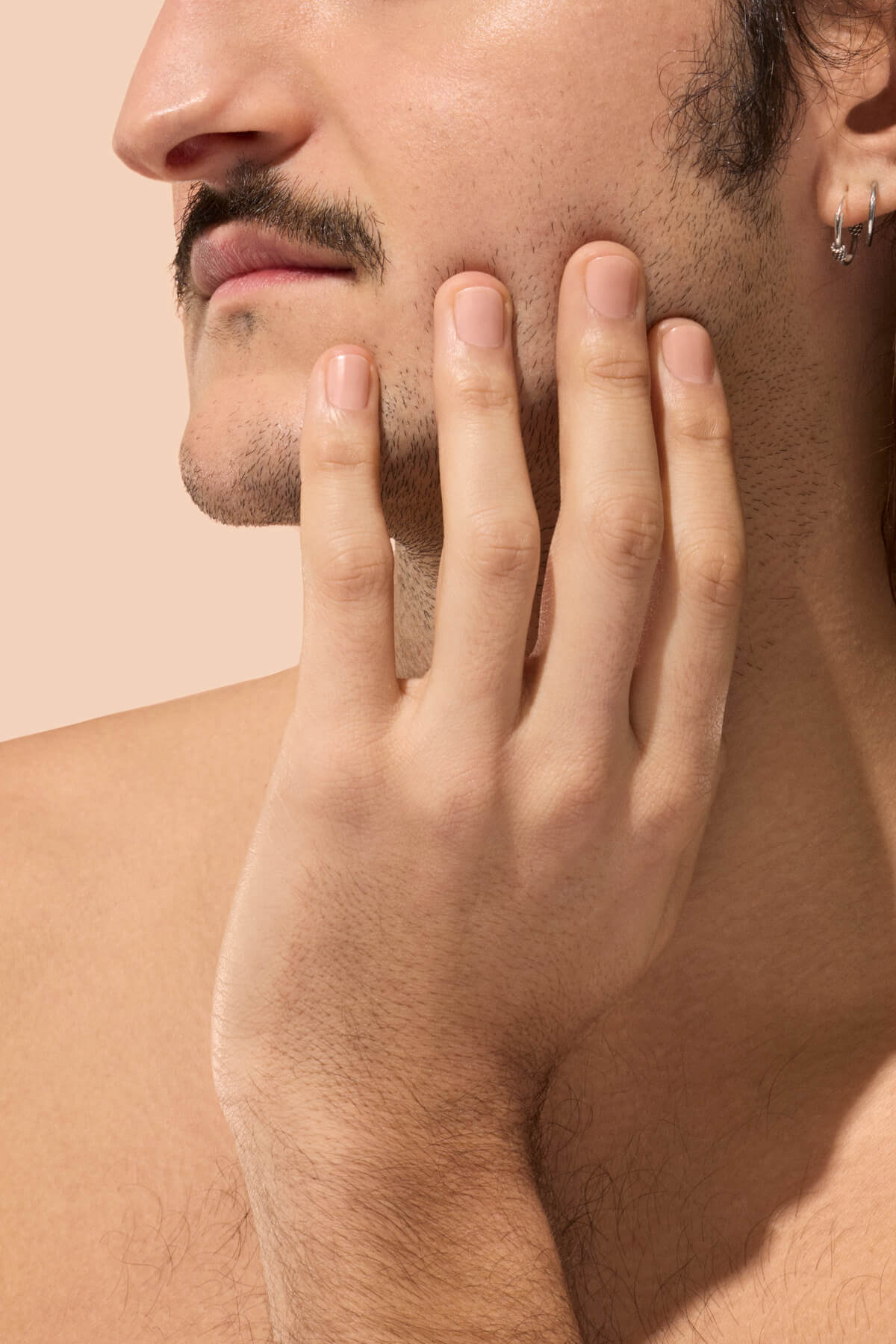
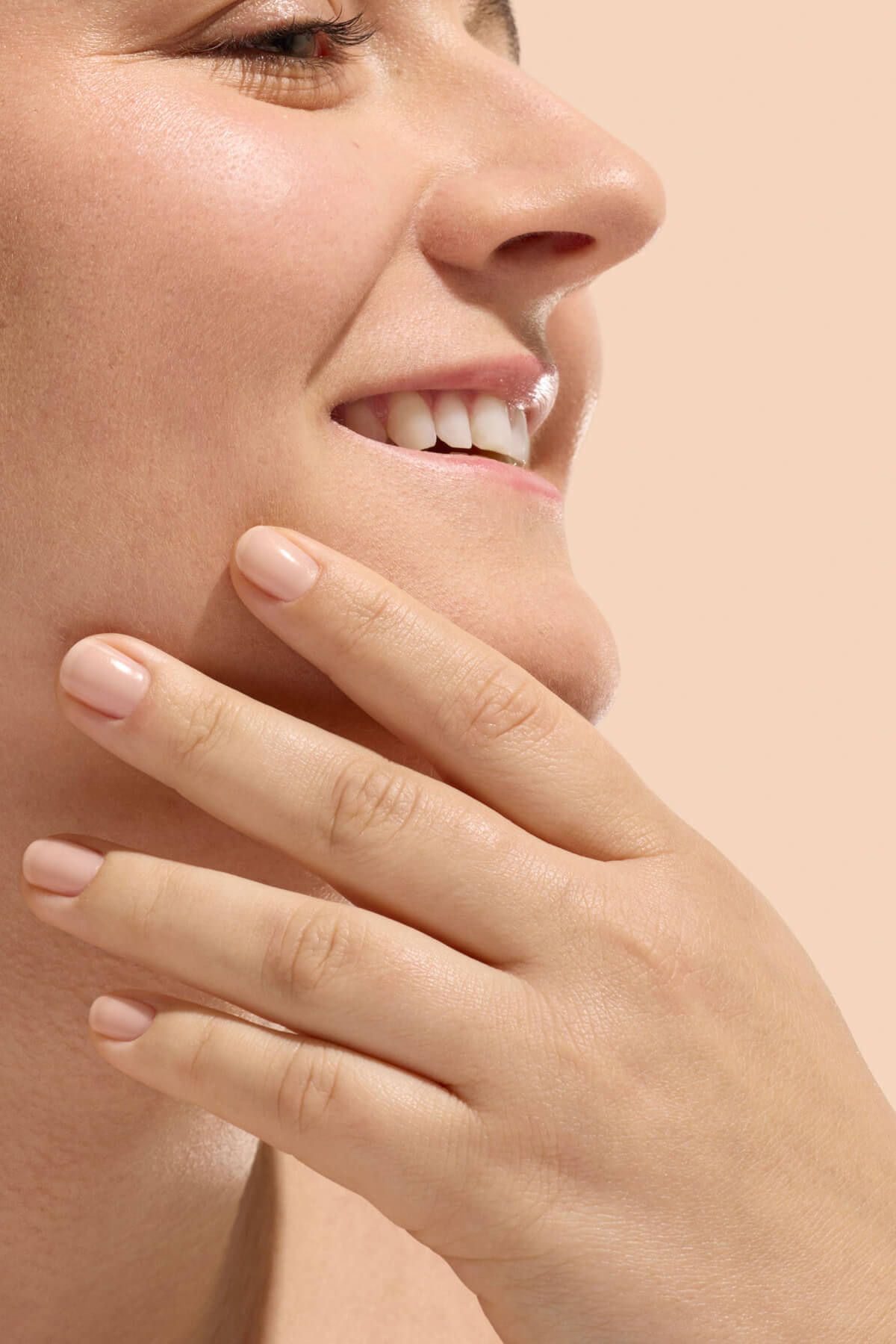
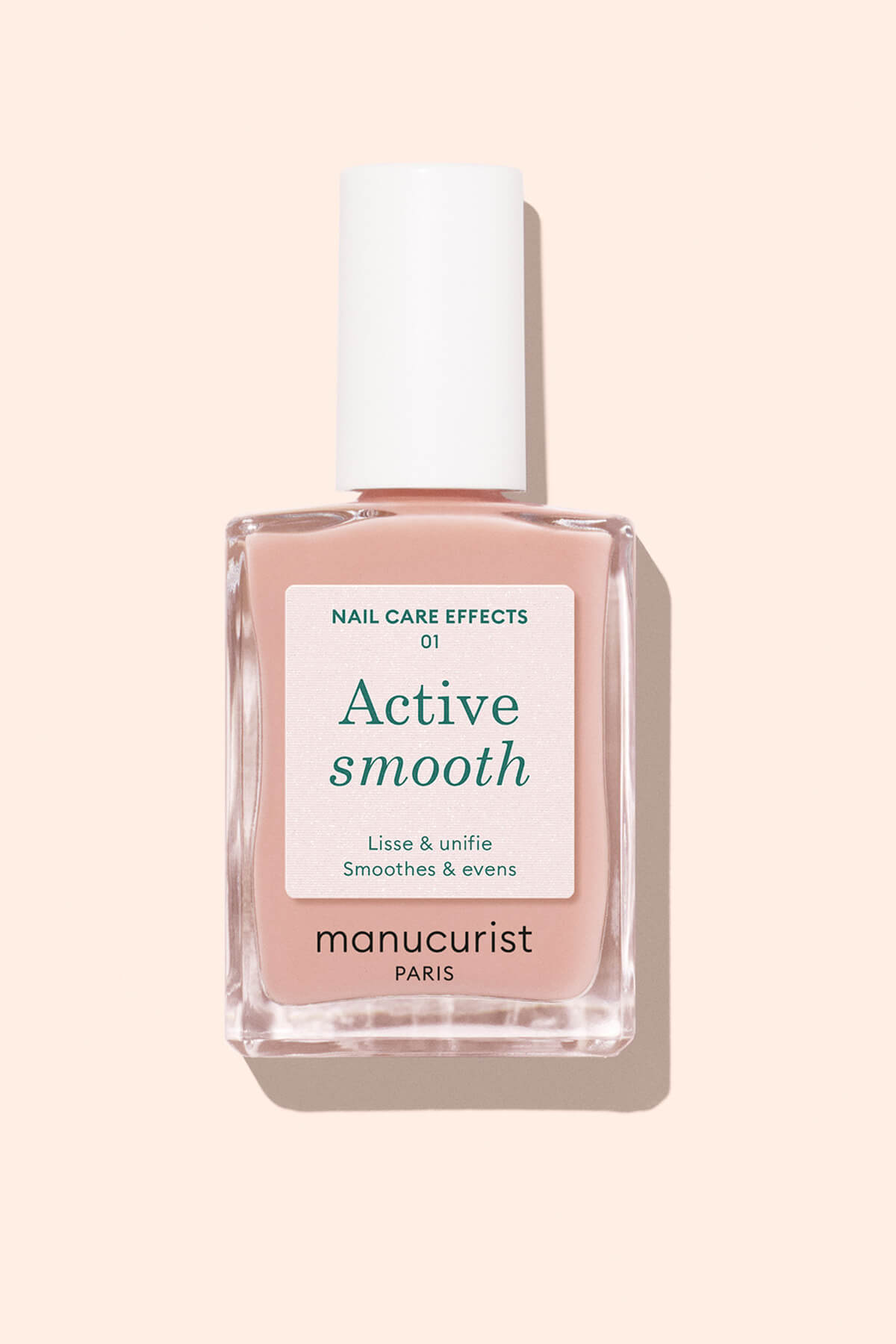
Active™ Smooth - 01
For a beige veiled finish
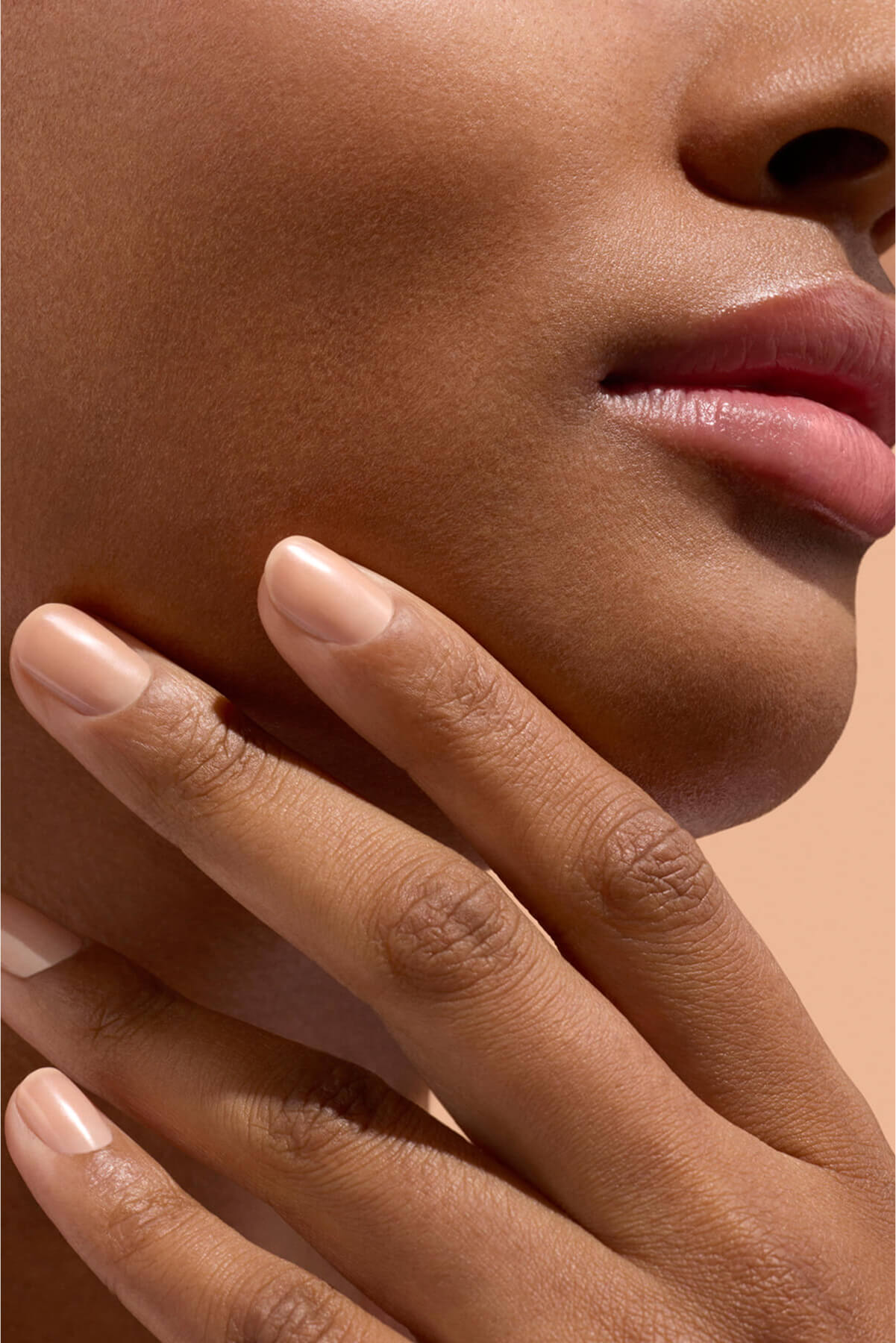
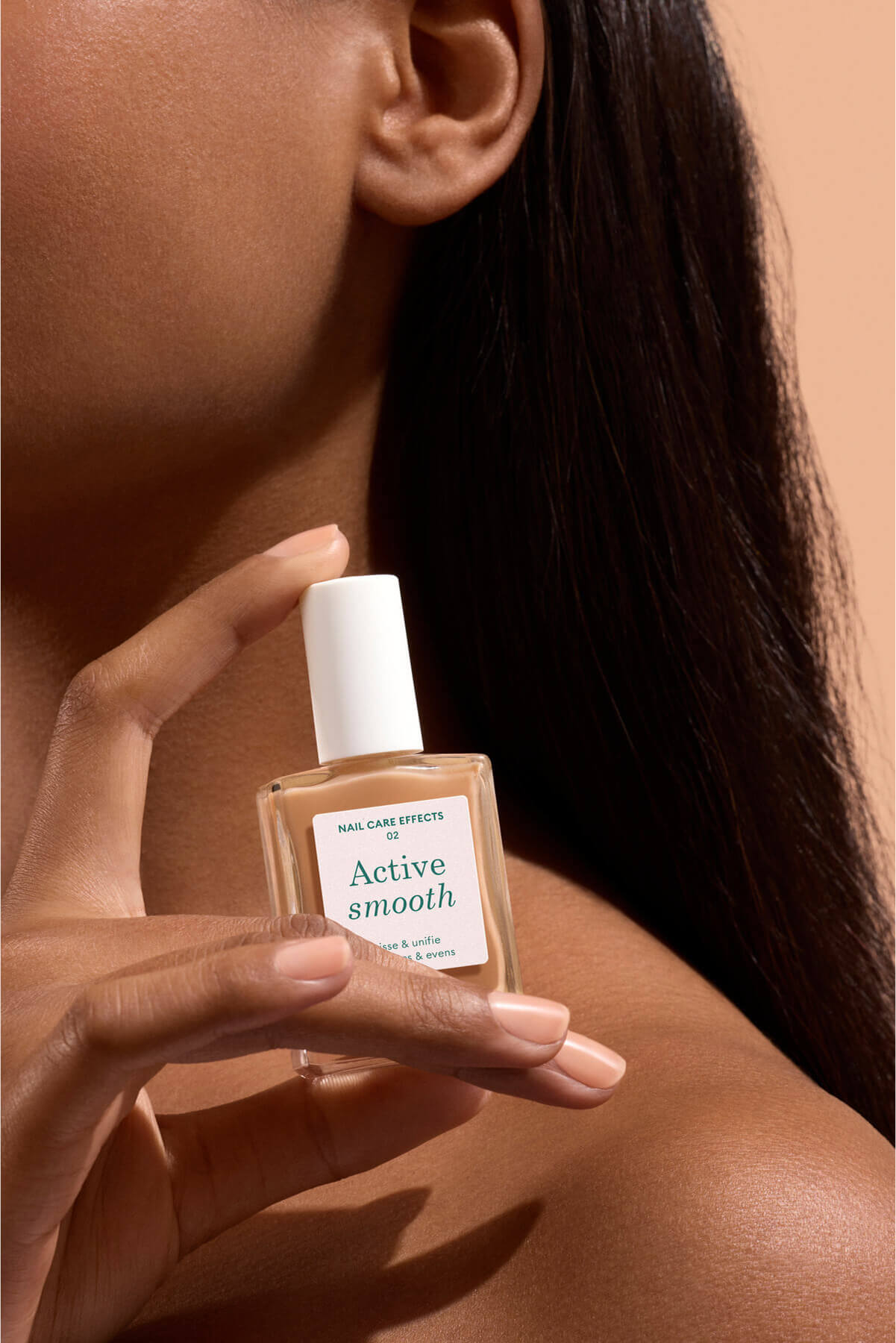
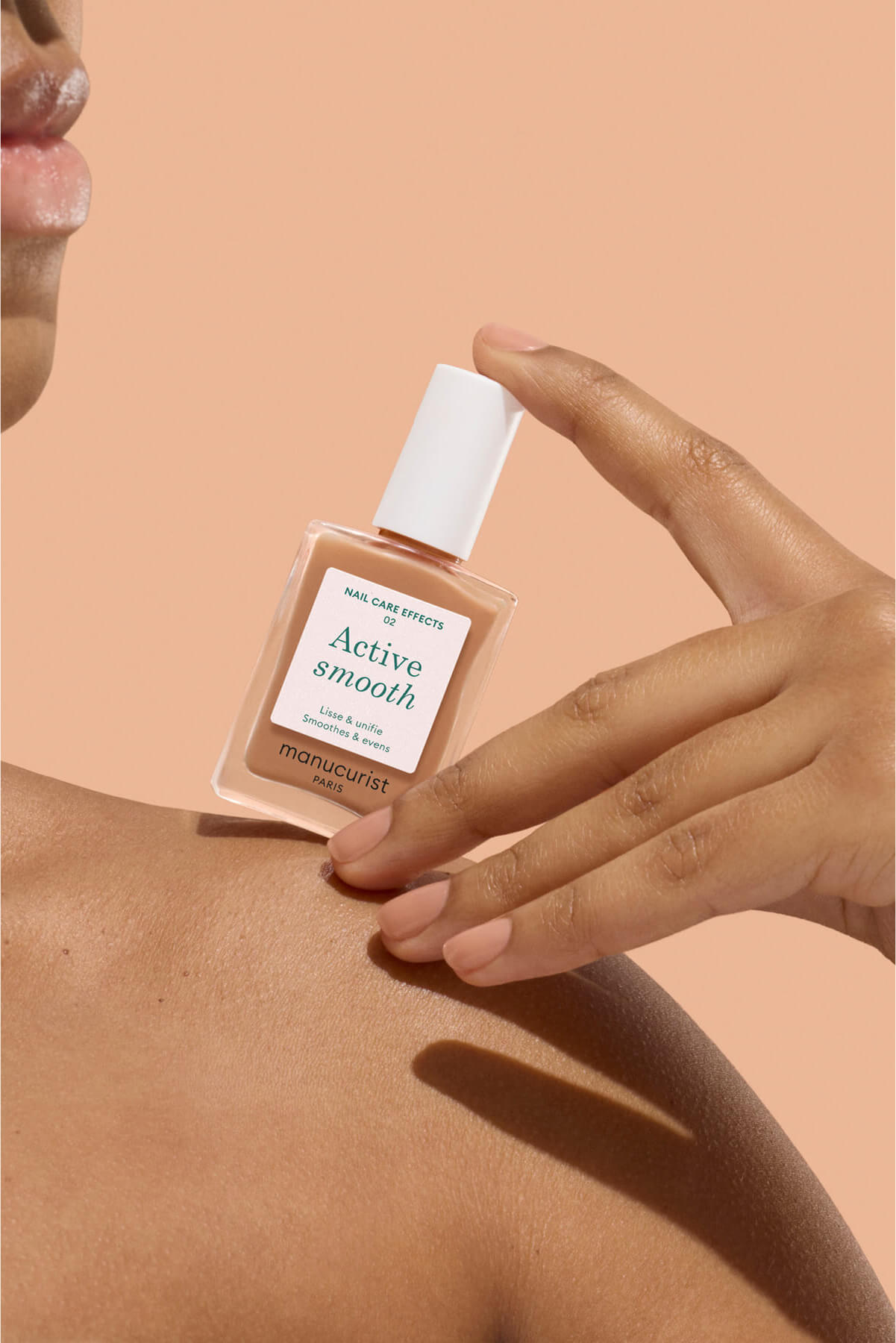
Active™ Smooth - 02
For a golden veiled finish

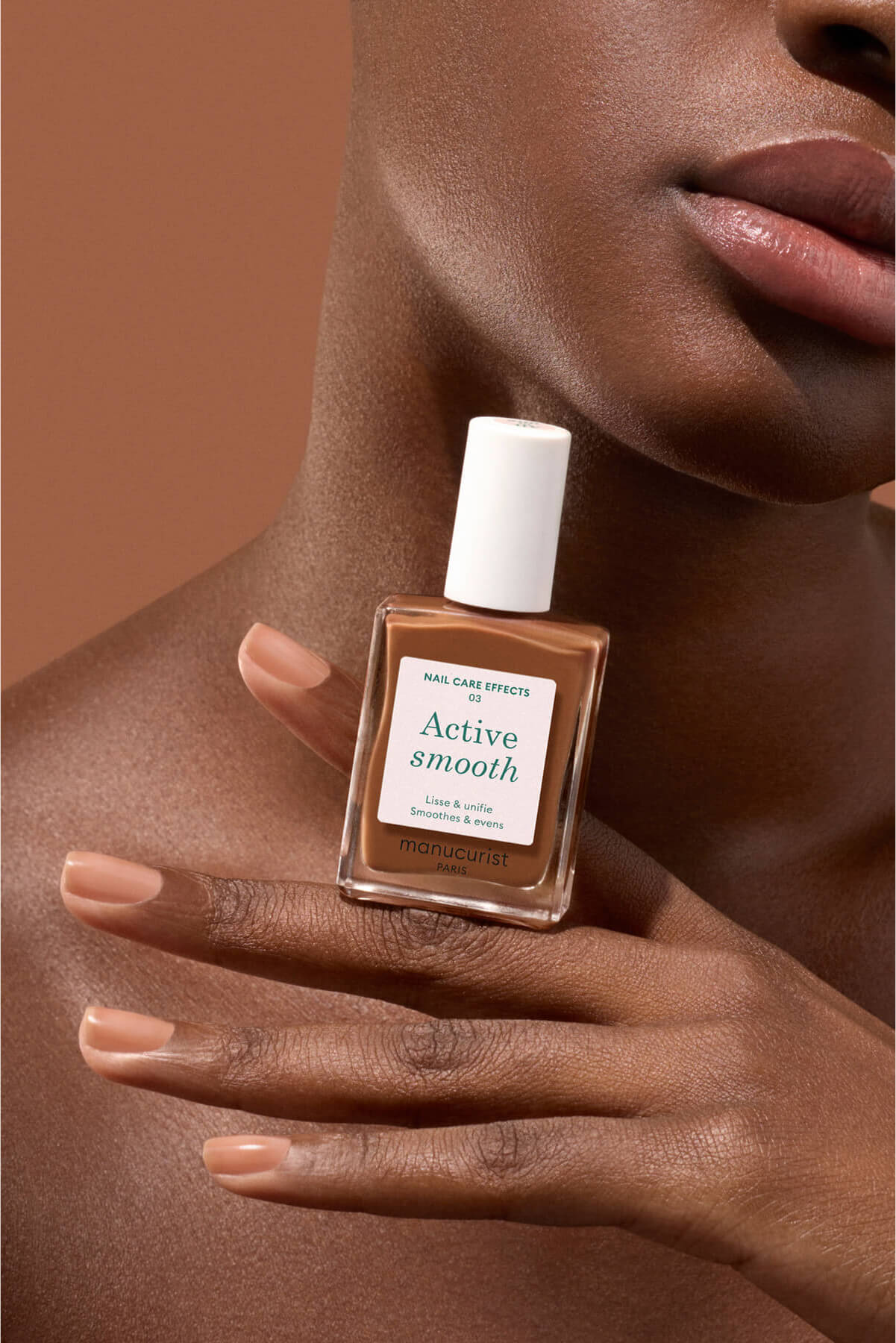
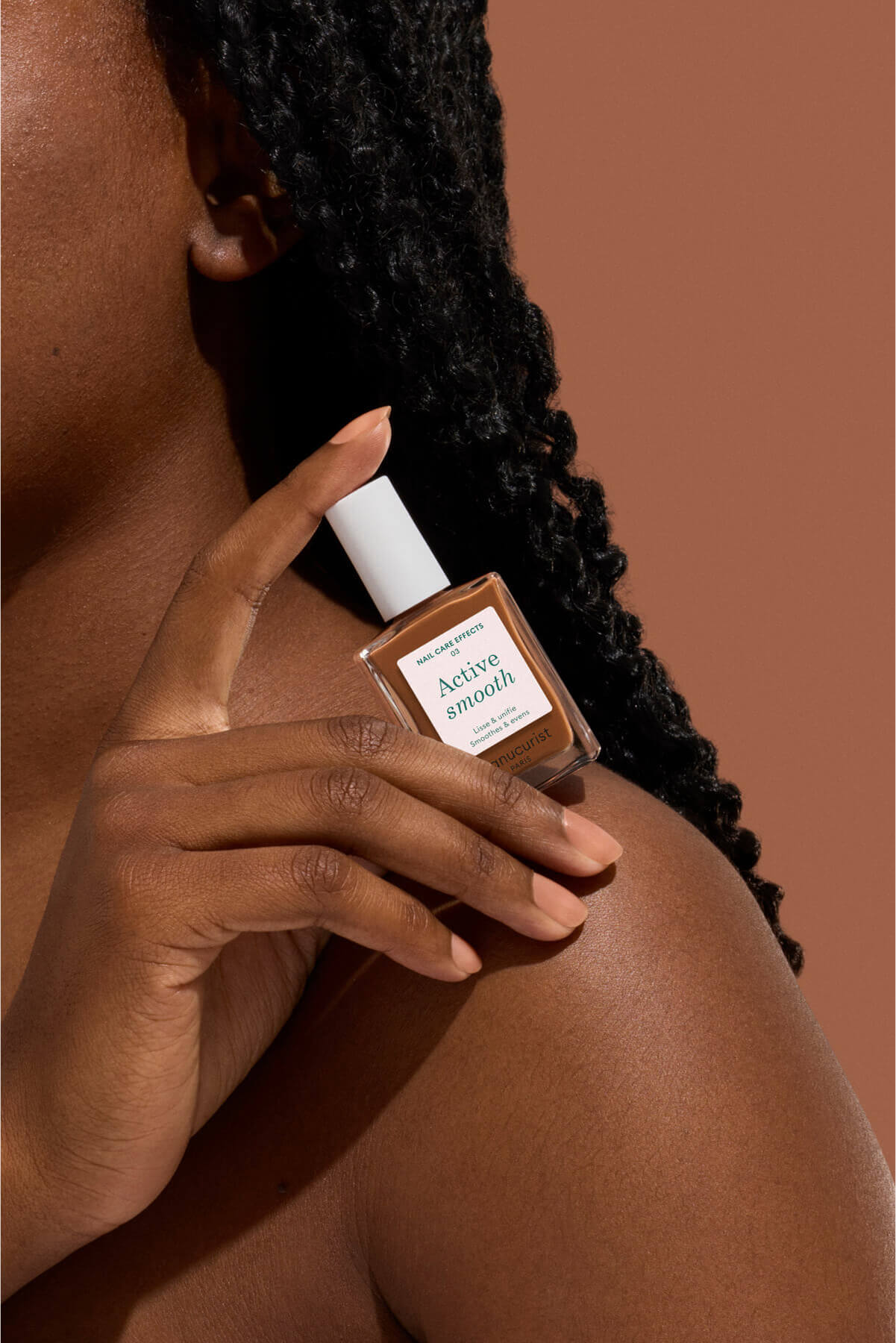
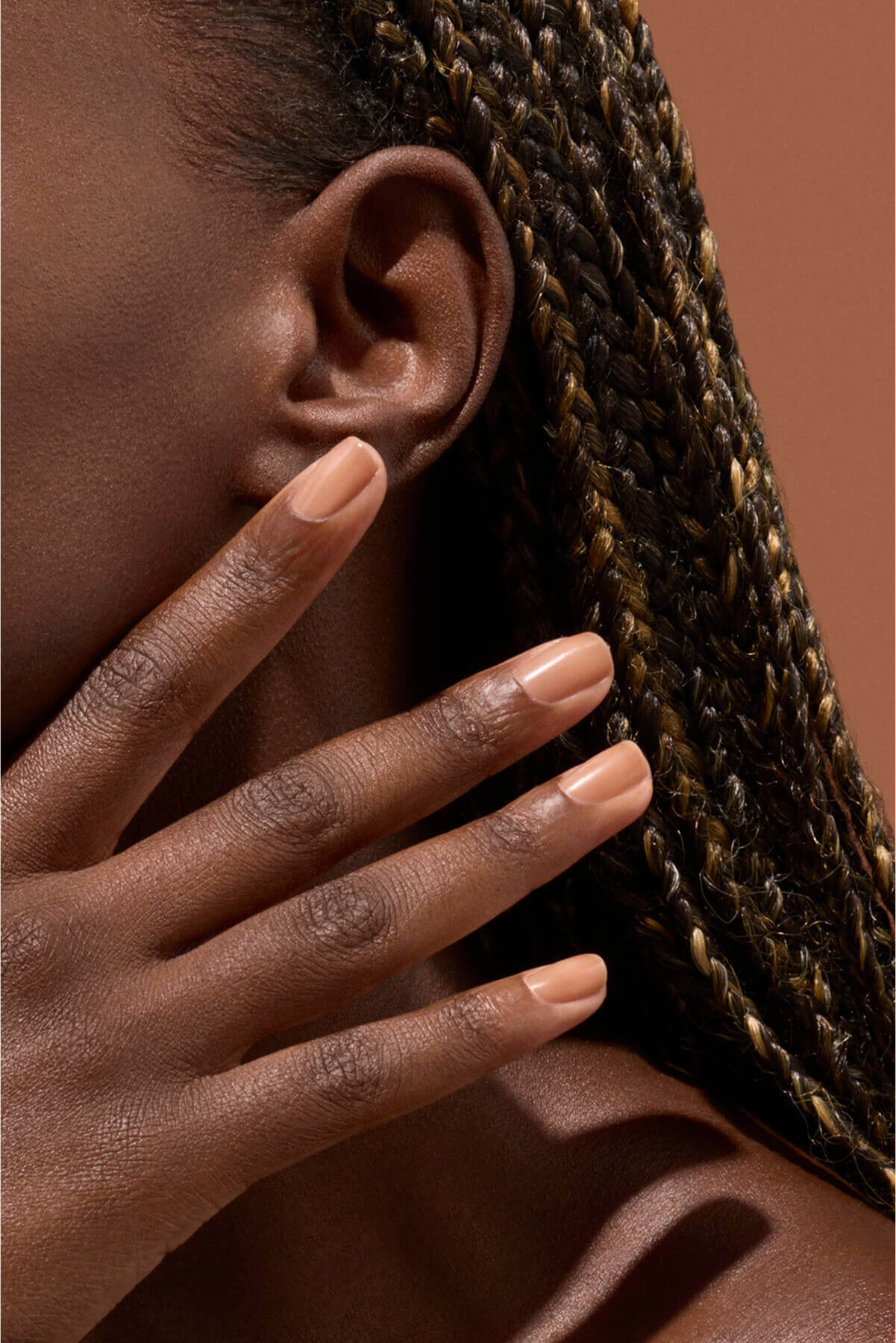
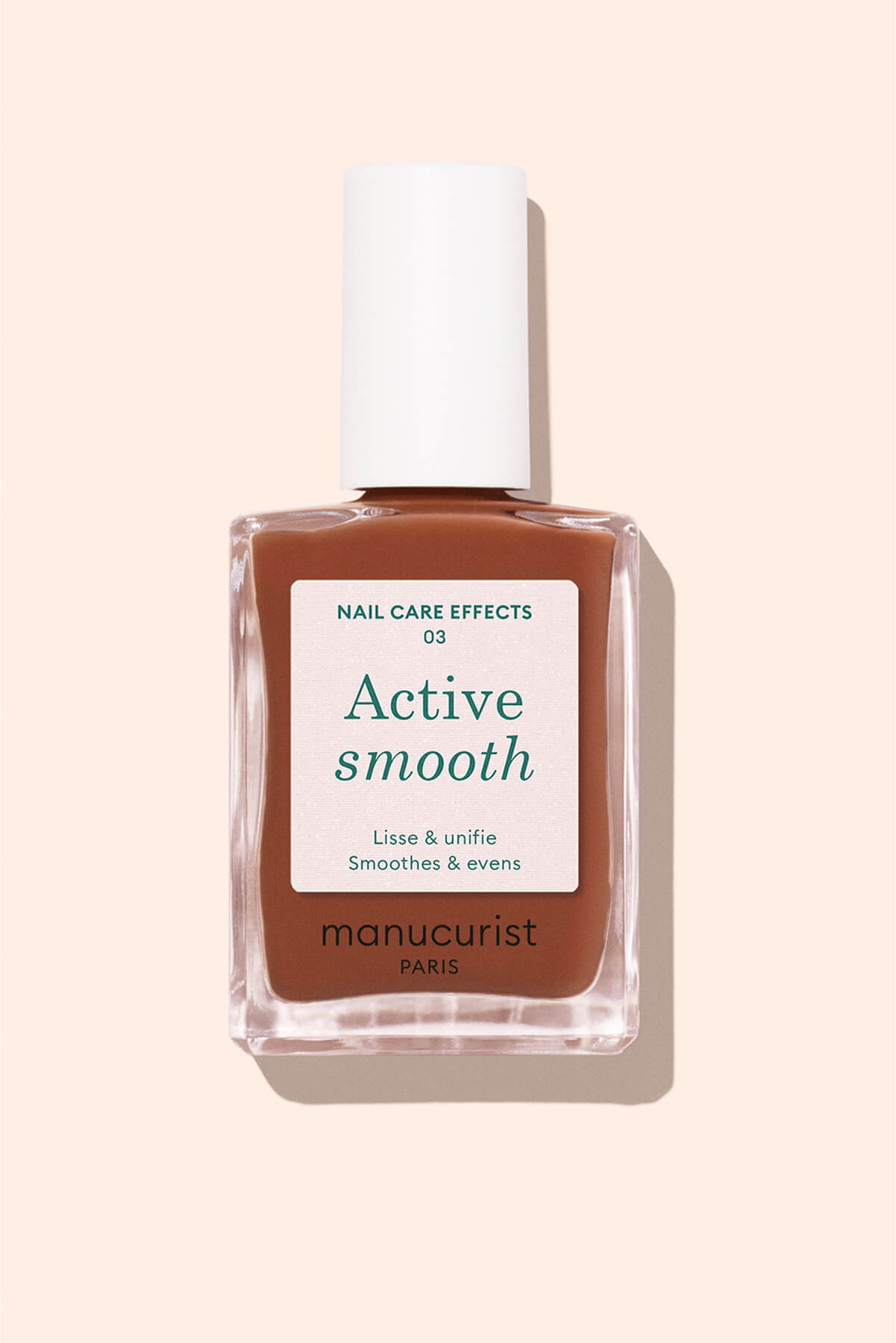

Active™ Smooth - 03
For a bronze veiled finish
Active™ Glow
Make-up effect : Gloss
No more : Brillance mirror
Coverage Translucent
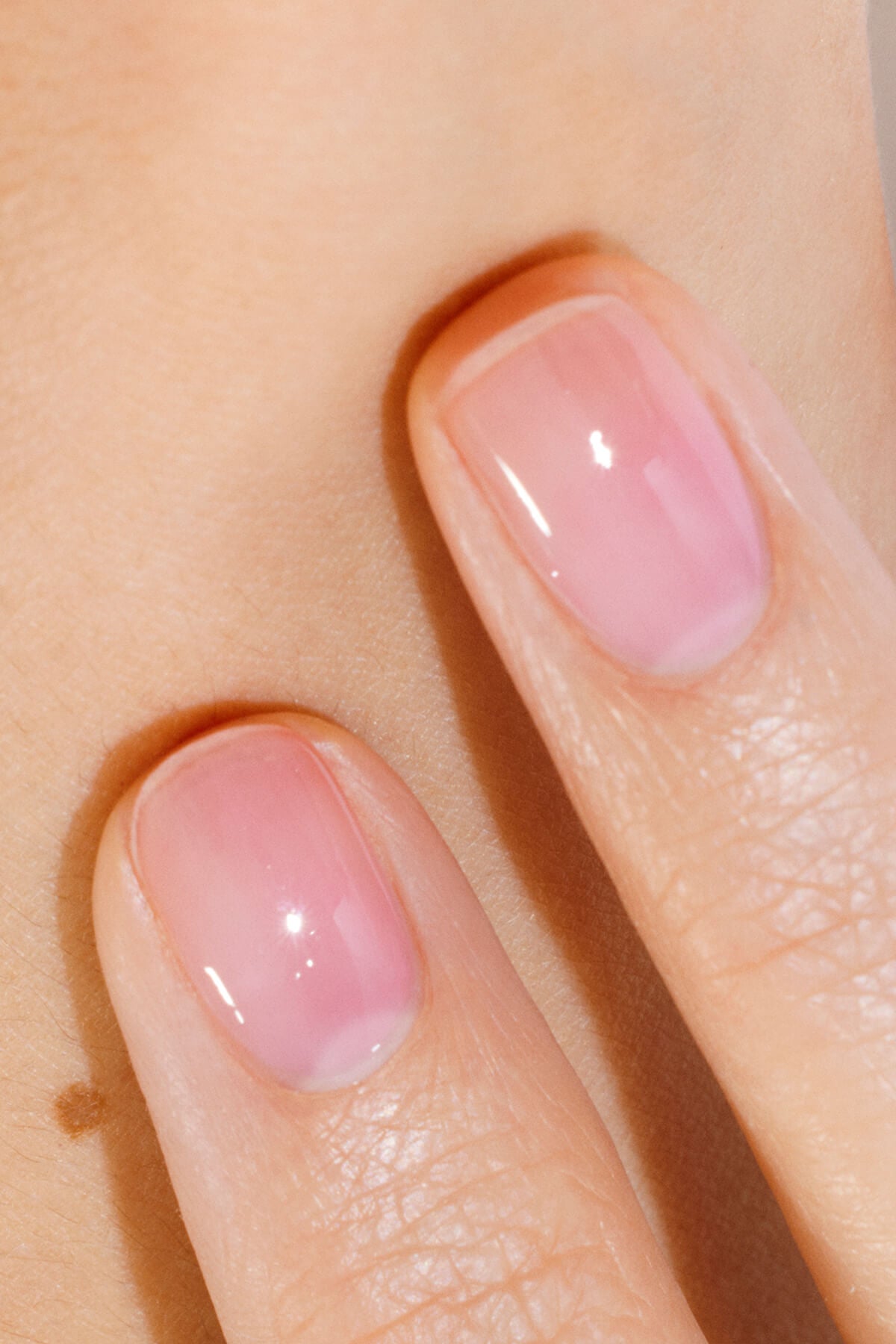
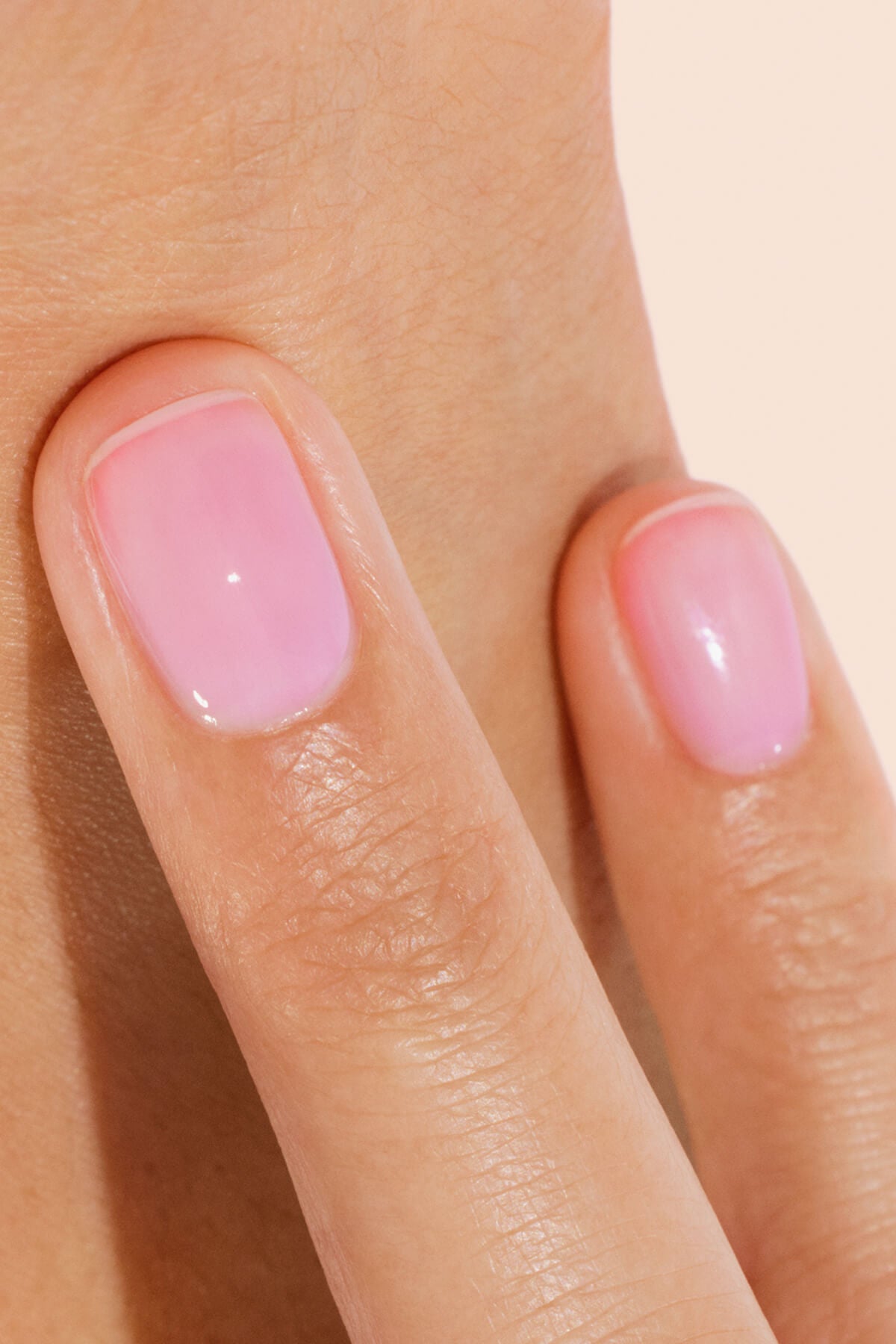
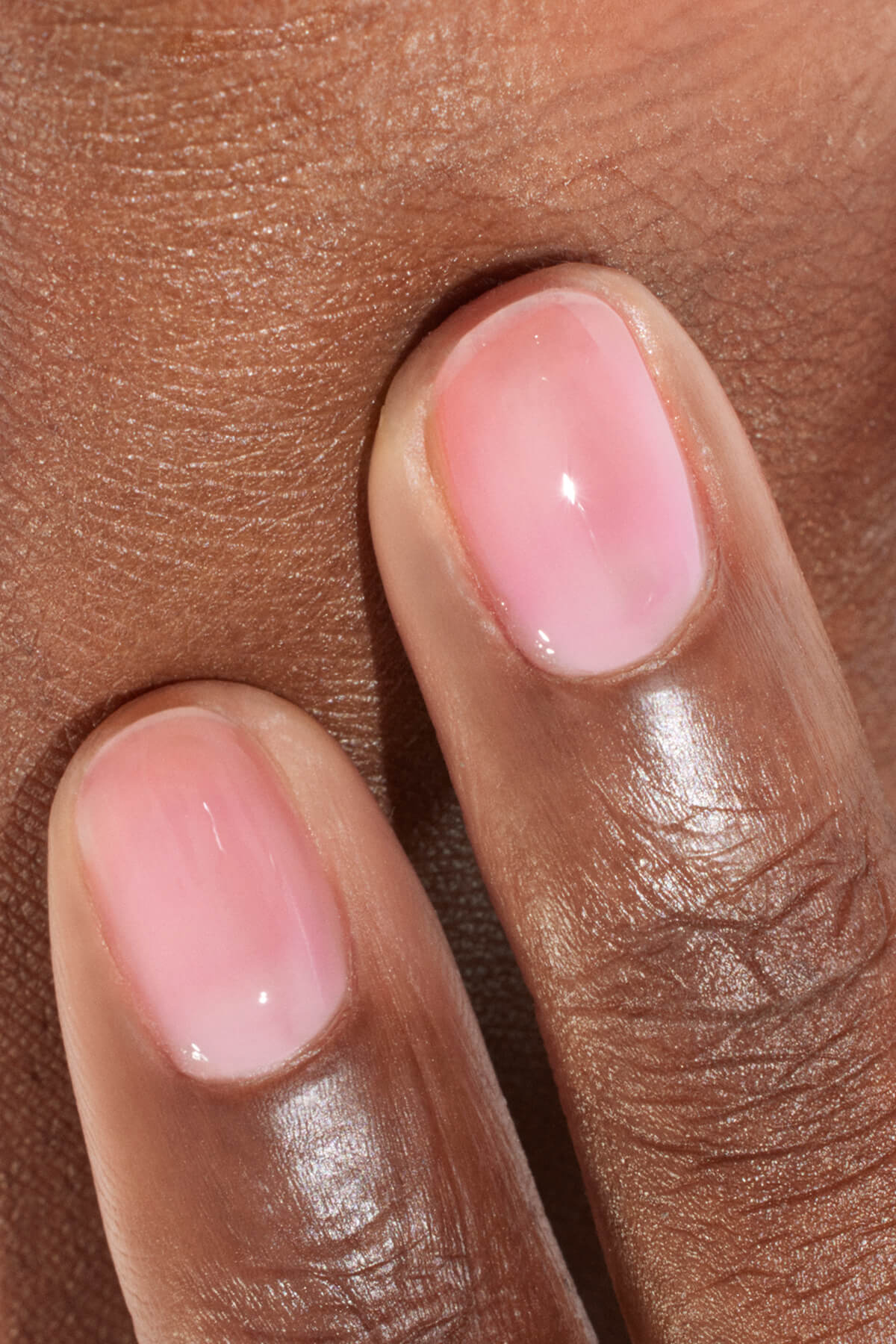
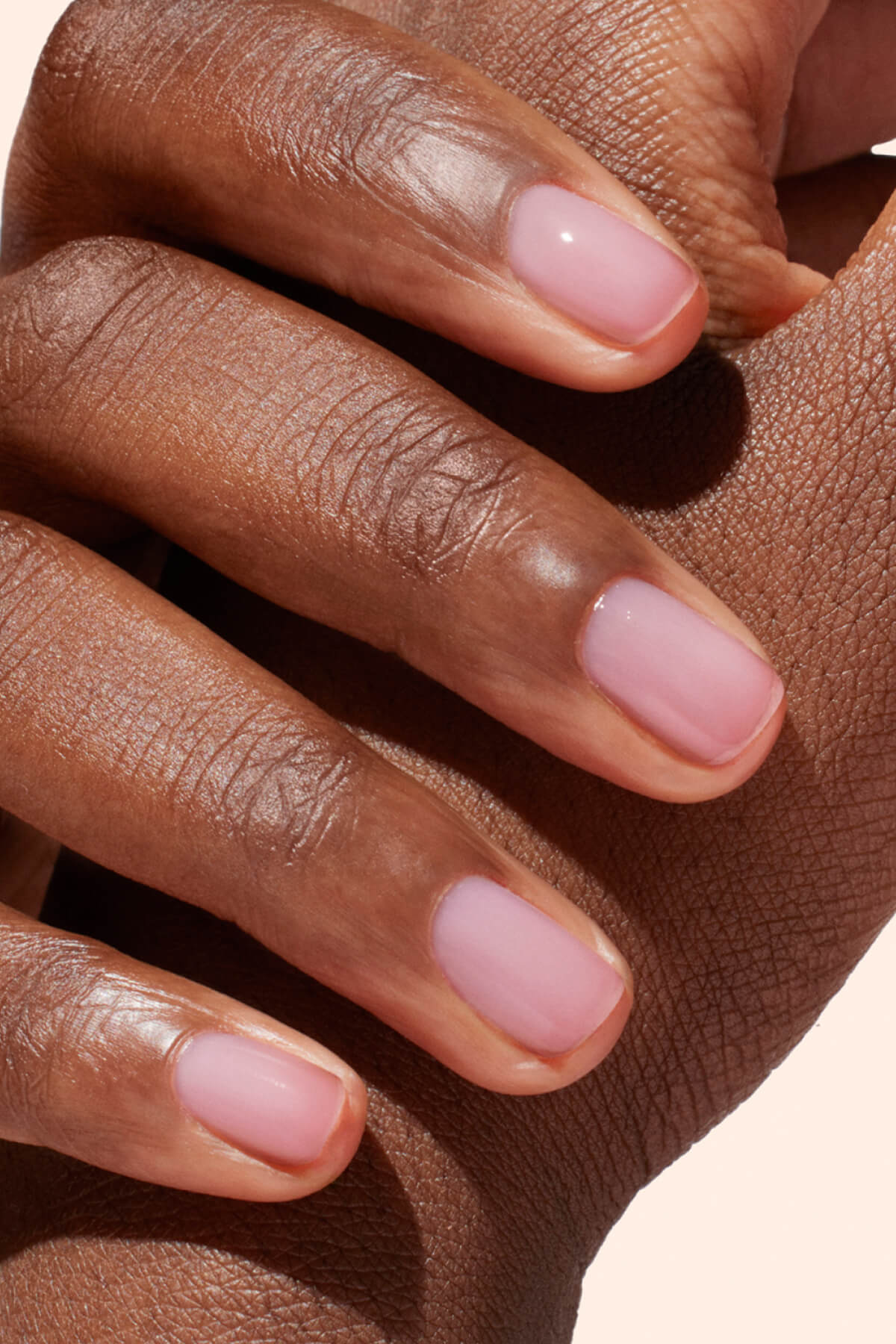
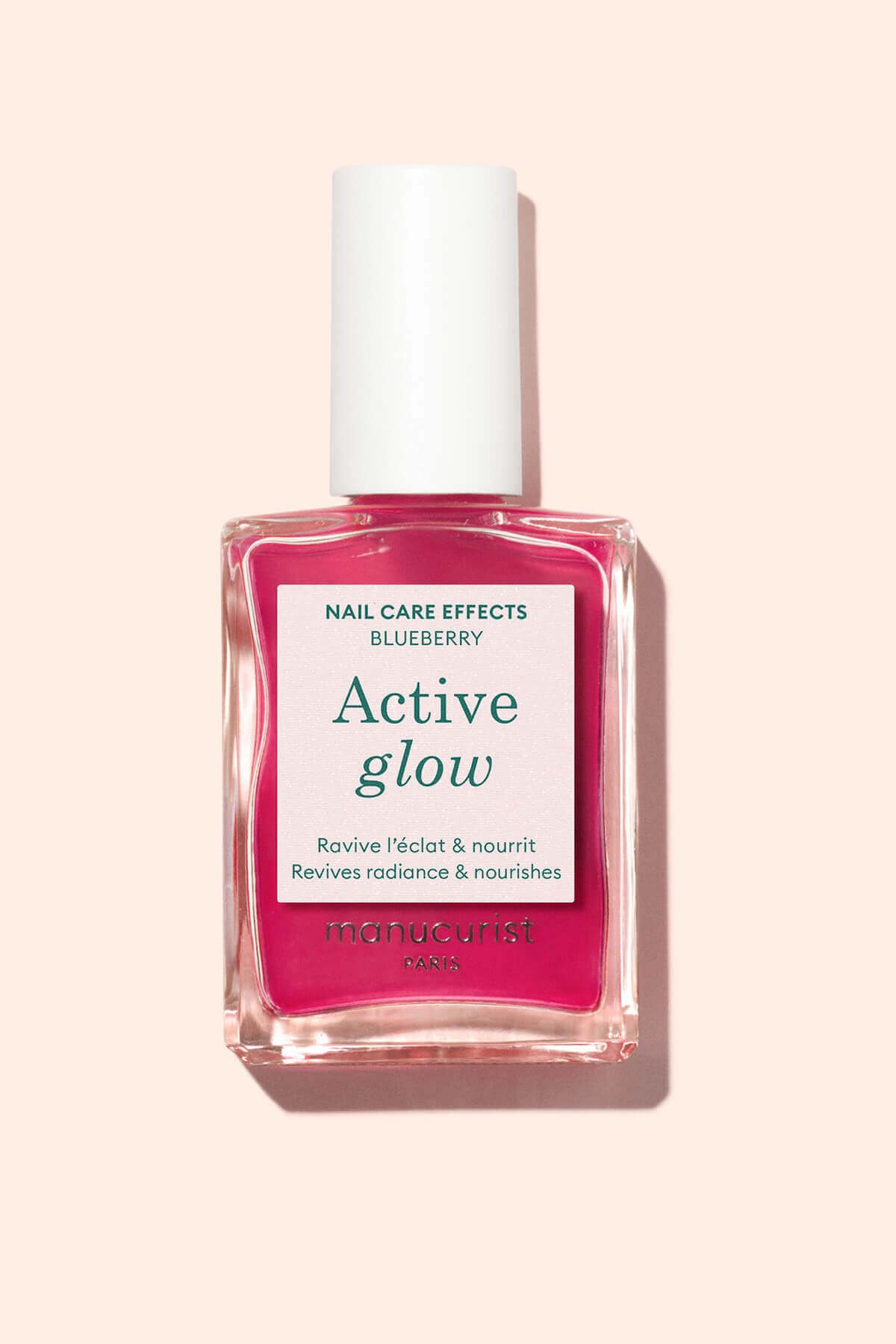
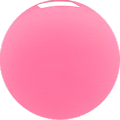
Active™ Glow Blueberry
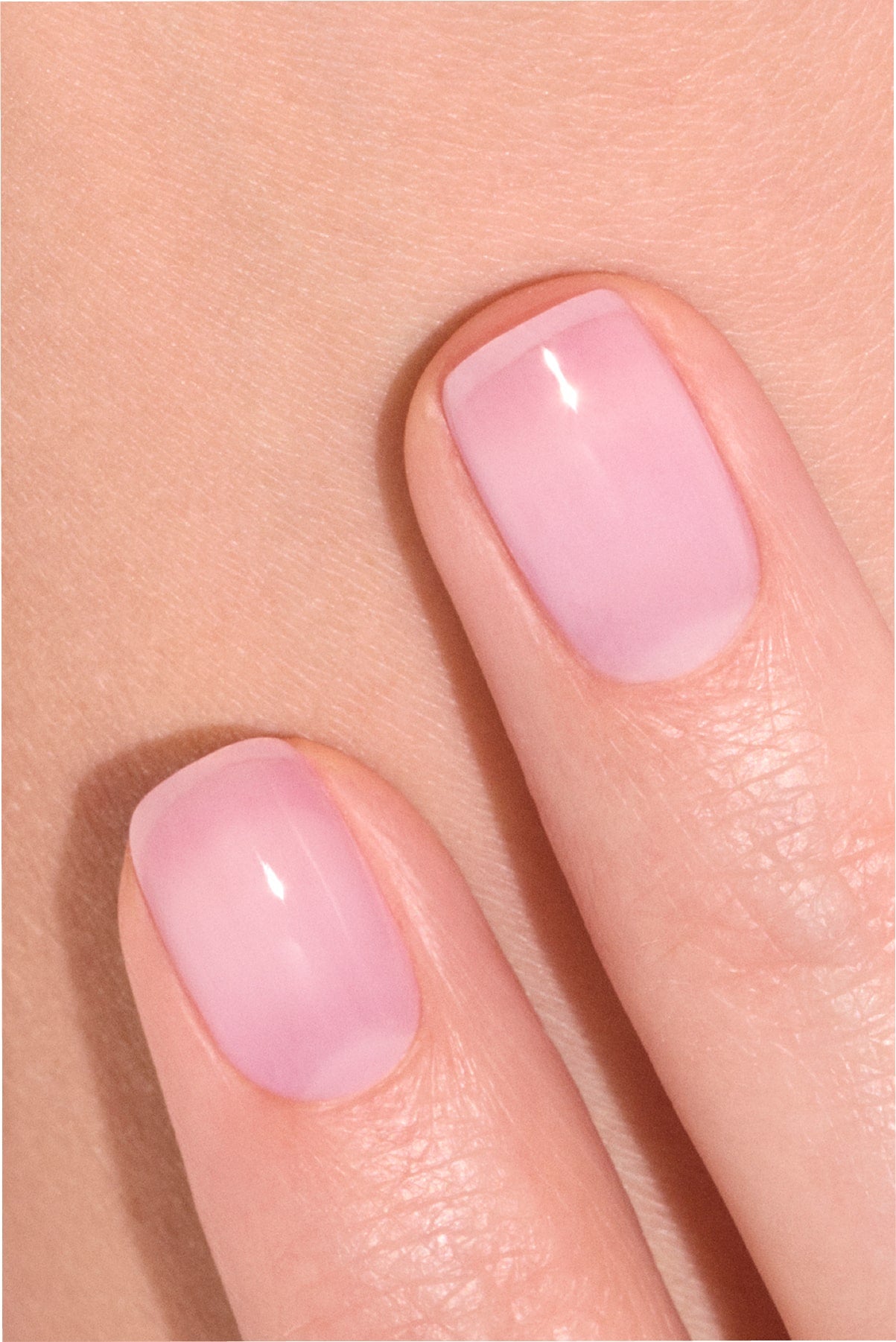
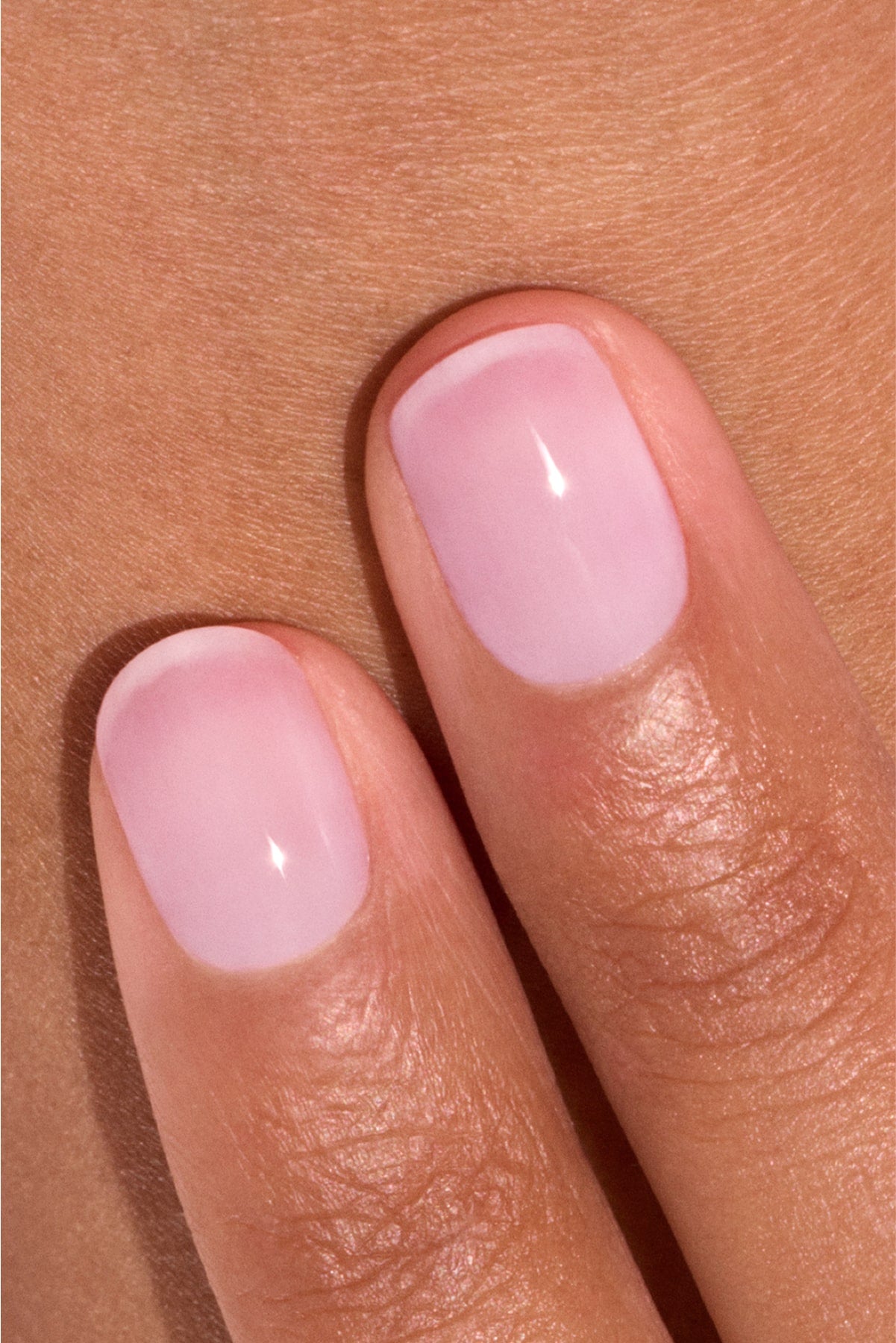
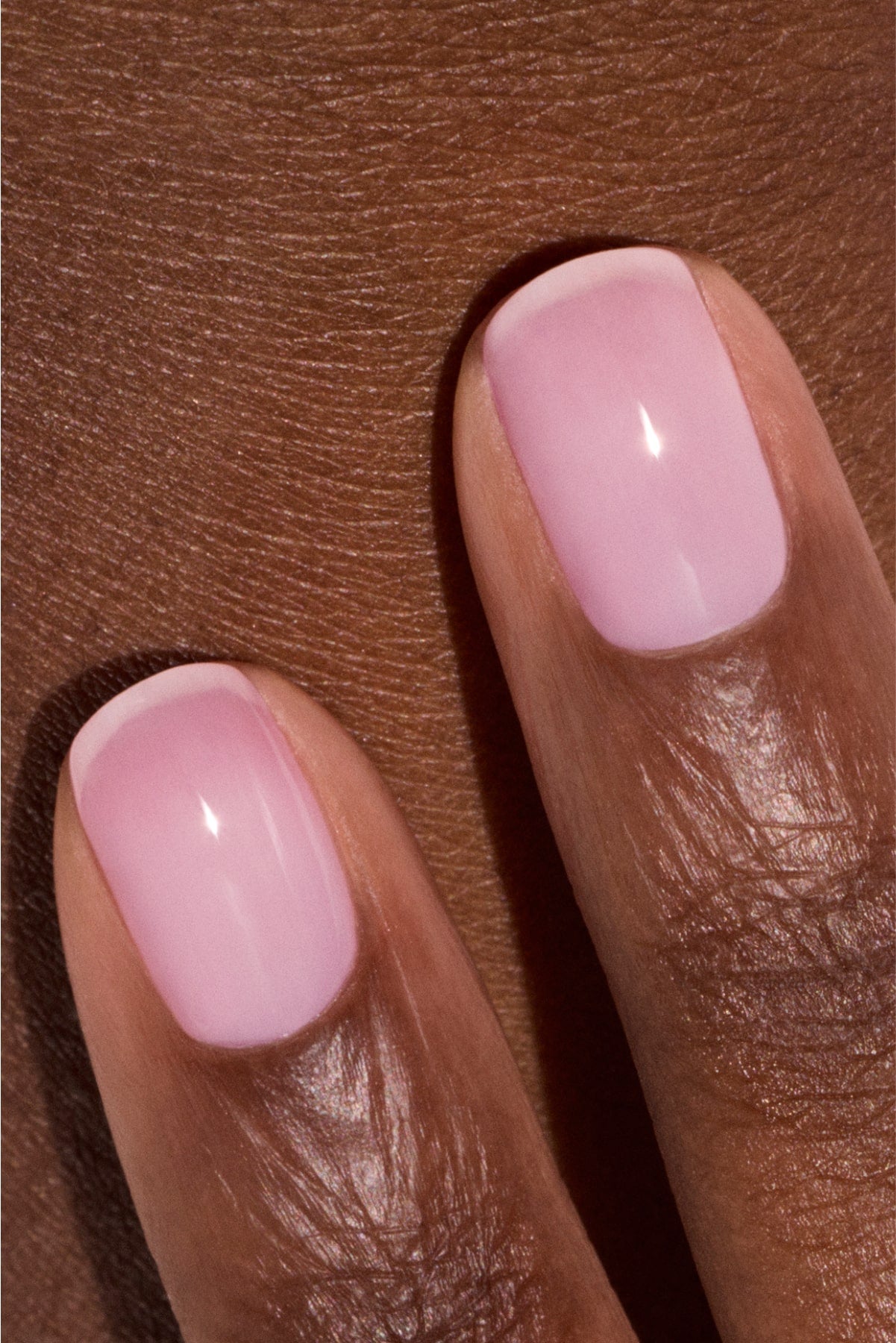
For an intense pink gloss effect
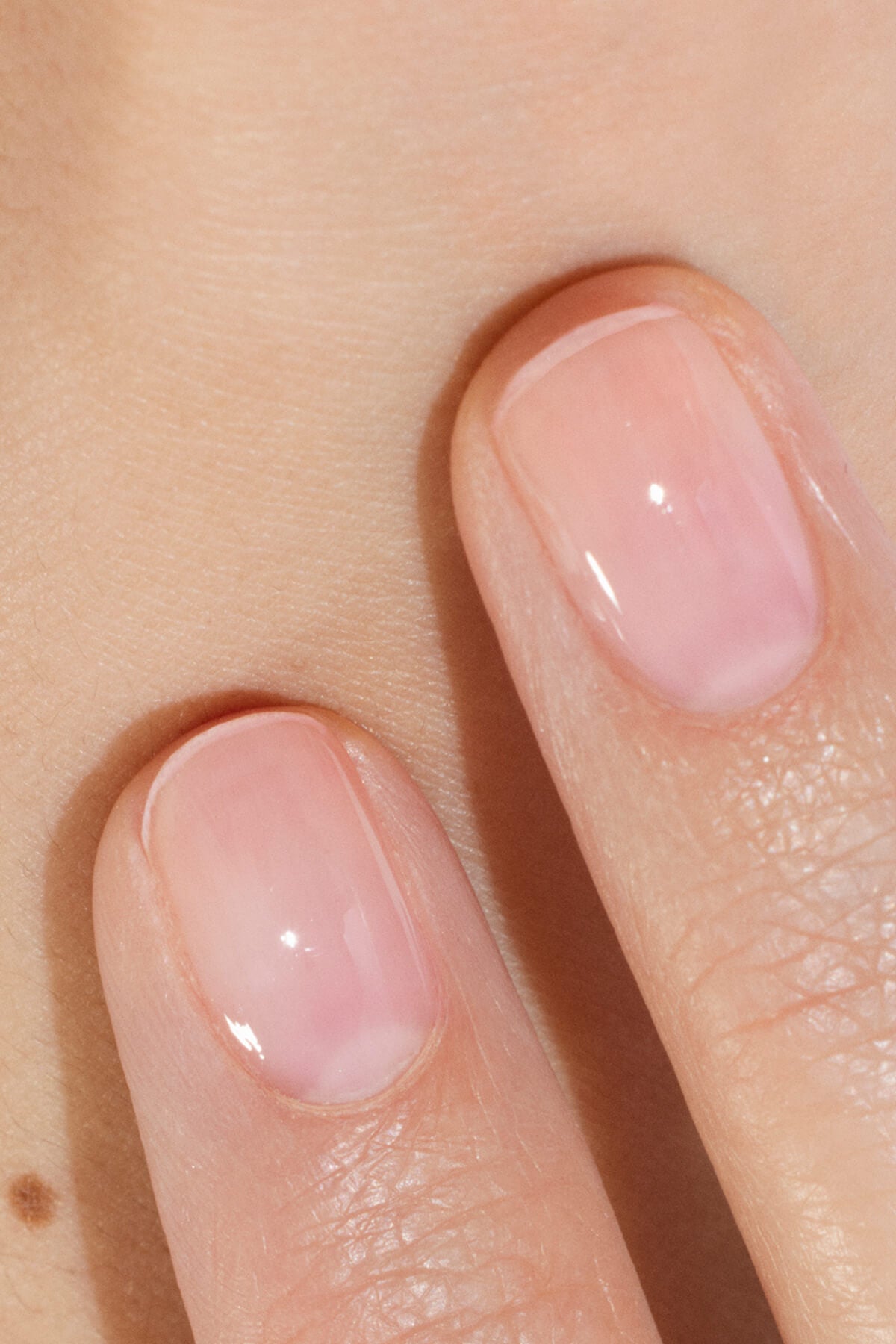
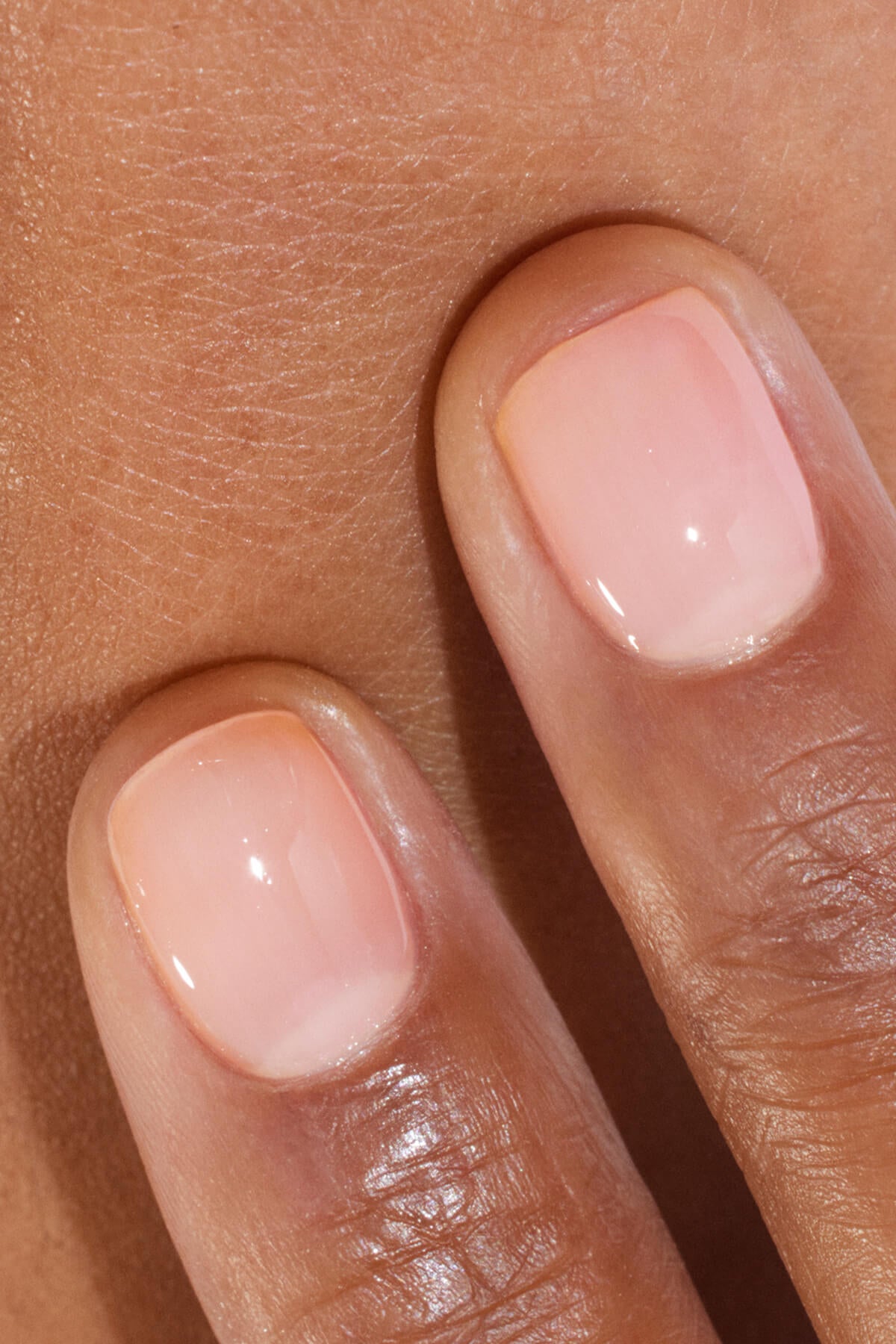
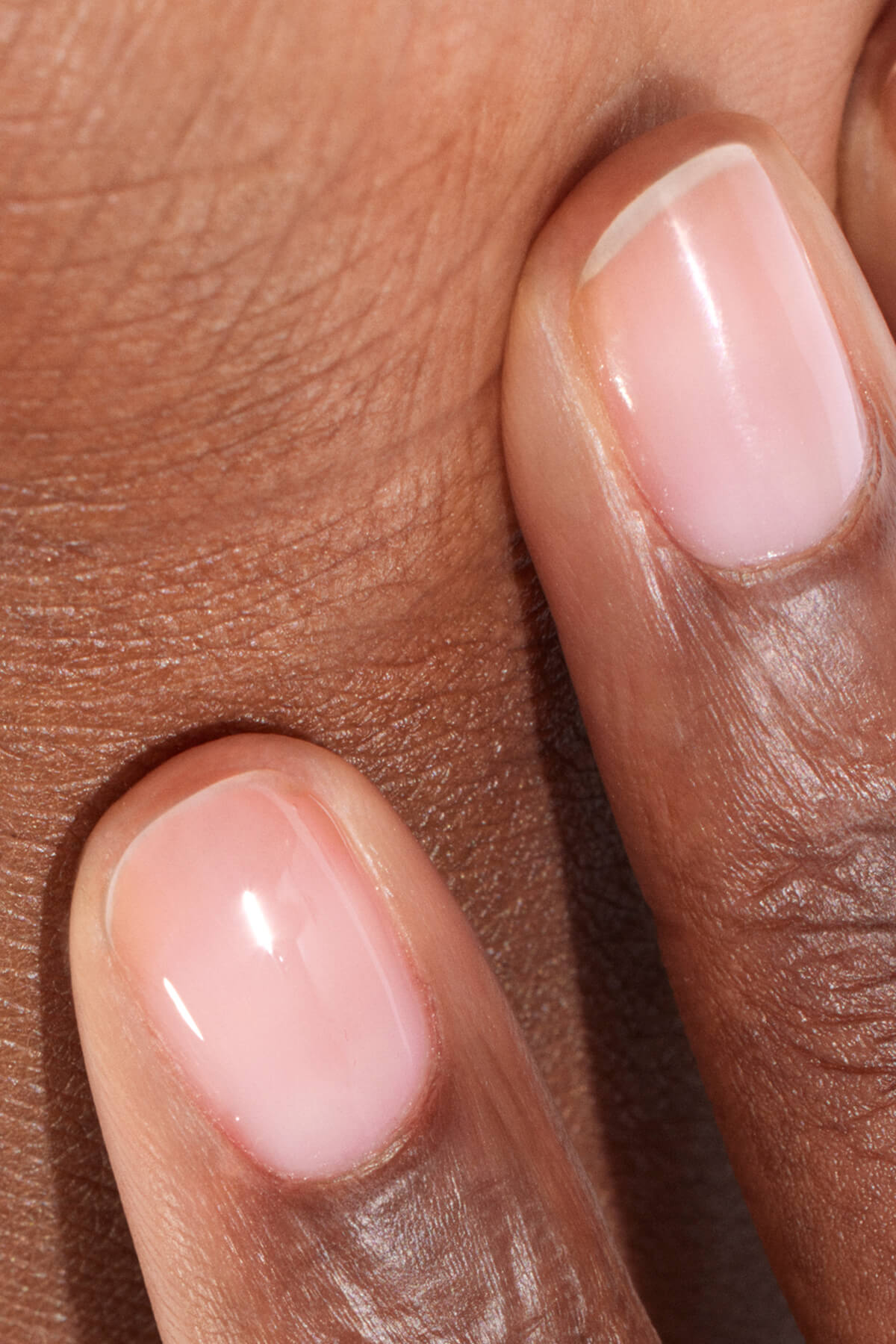
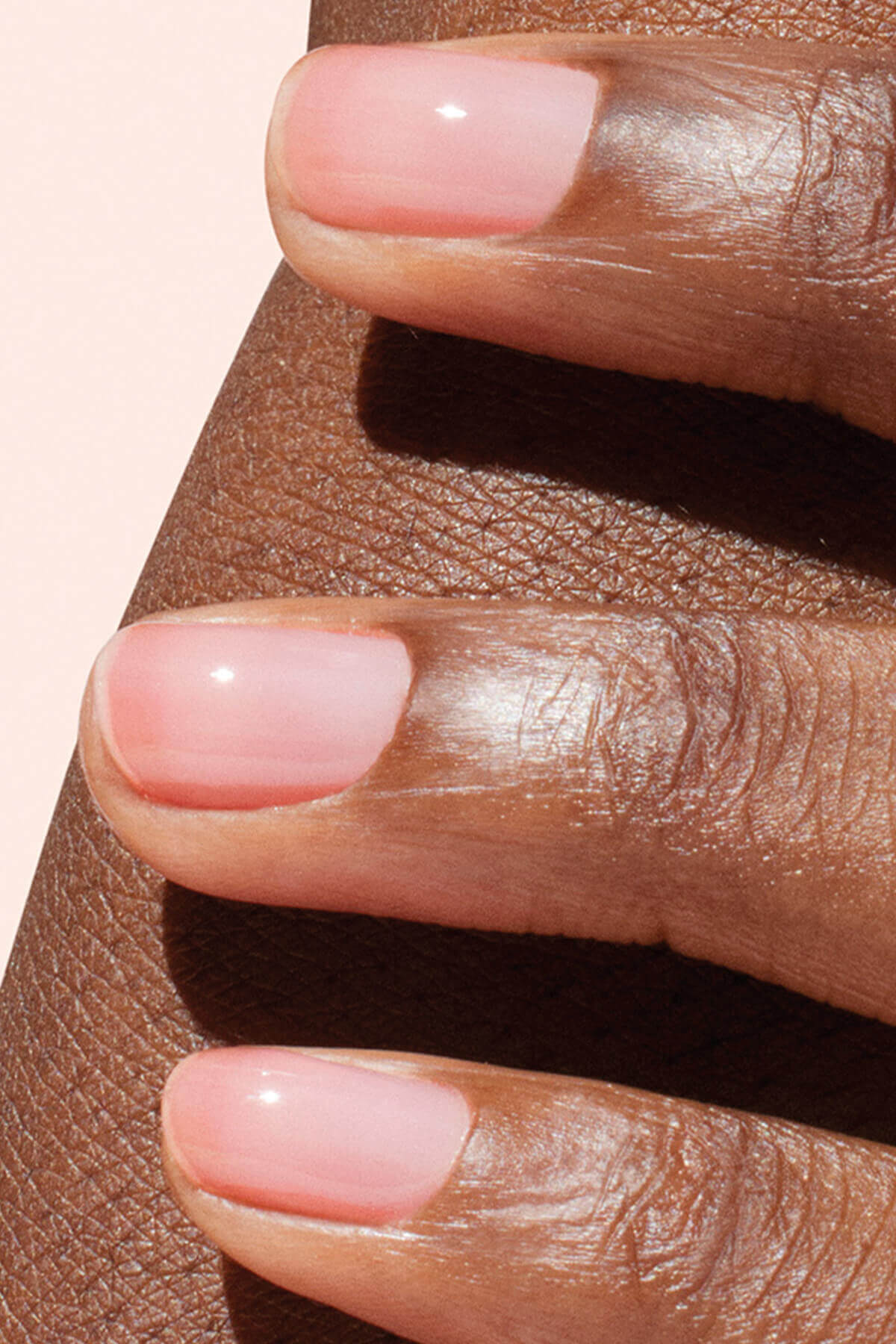
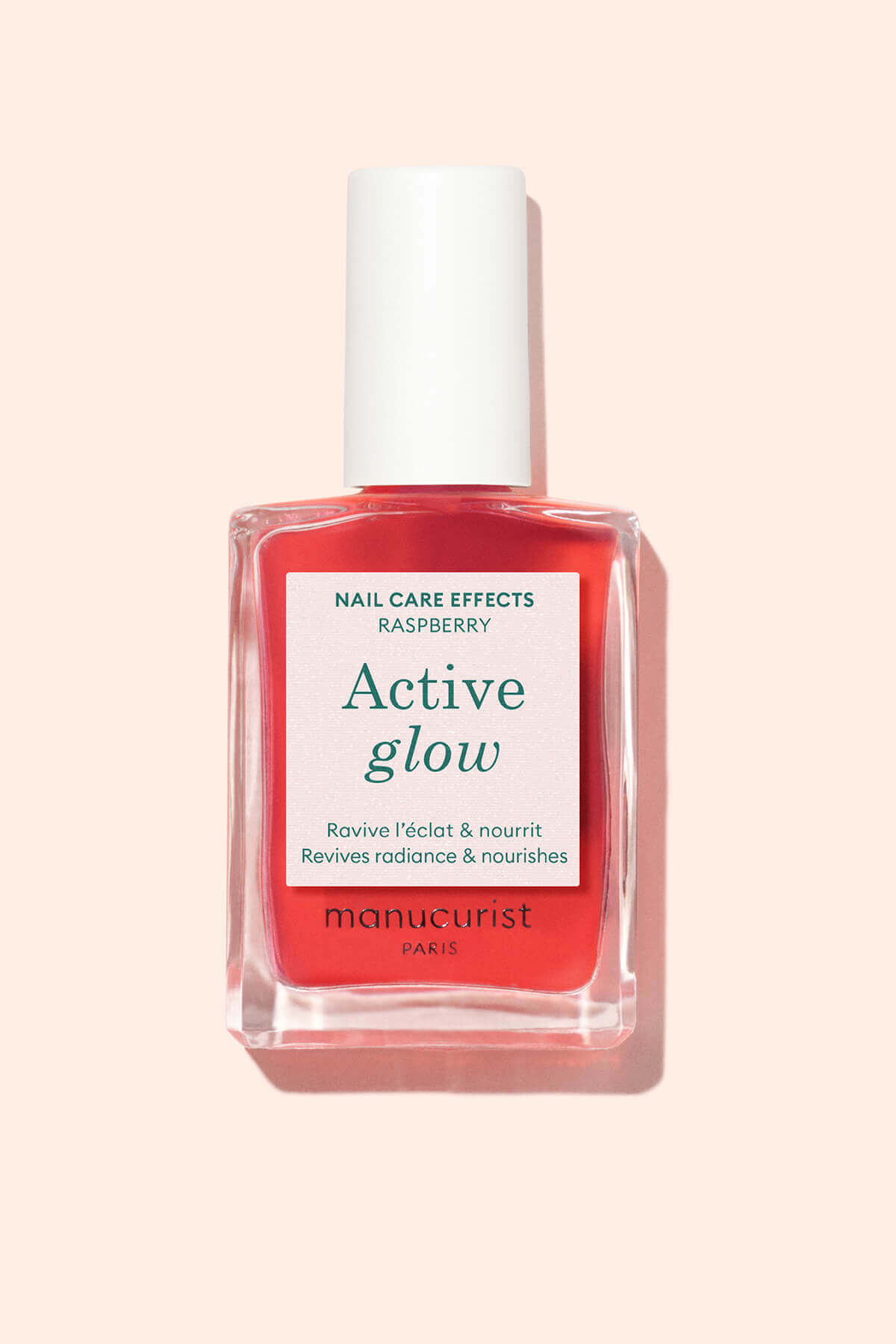
Active™ Glow Raspberry
For a pink fishing gloss effect
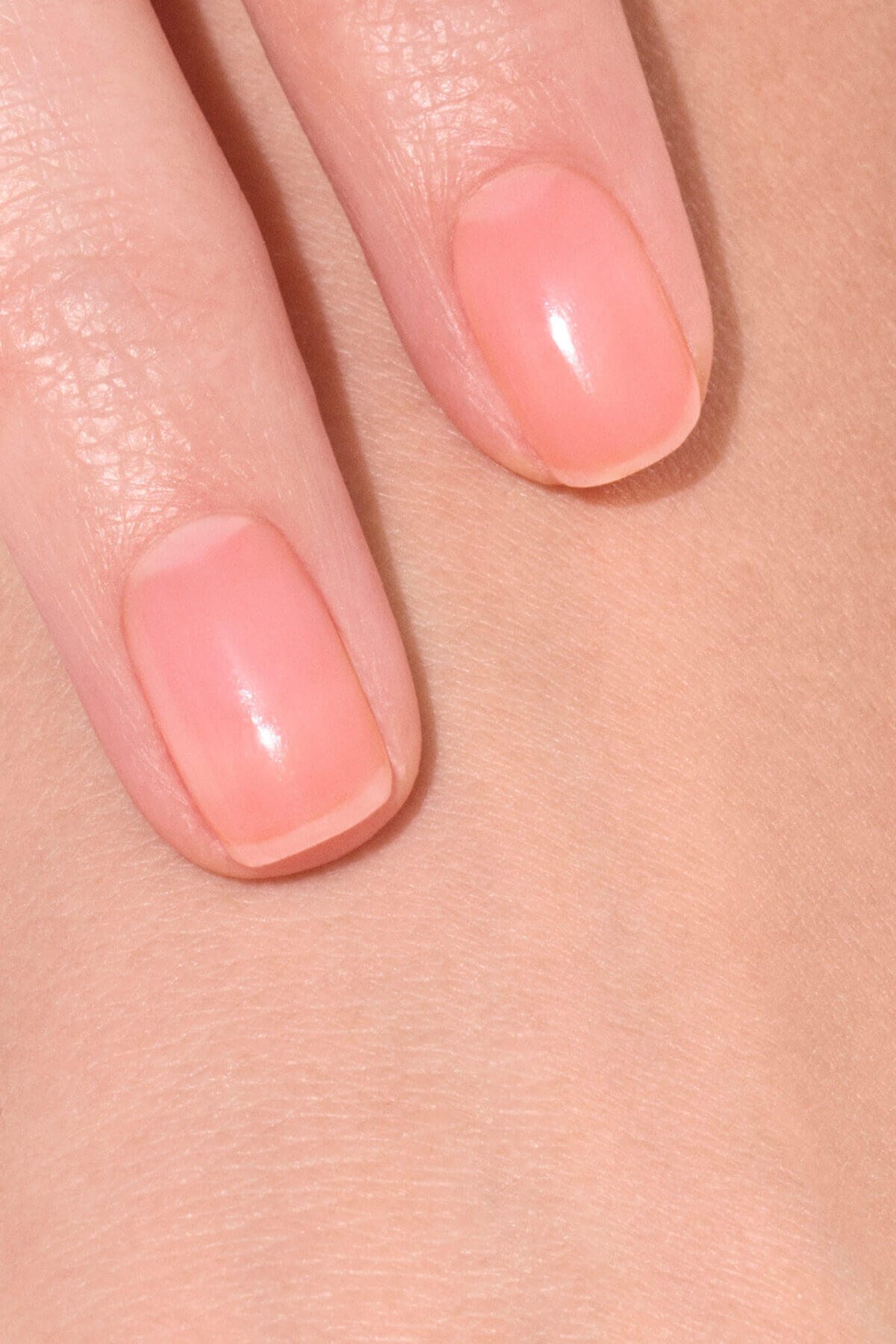
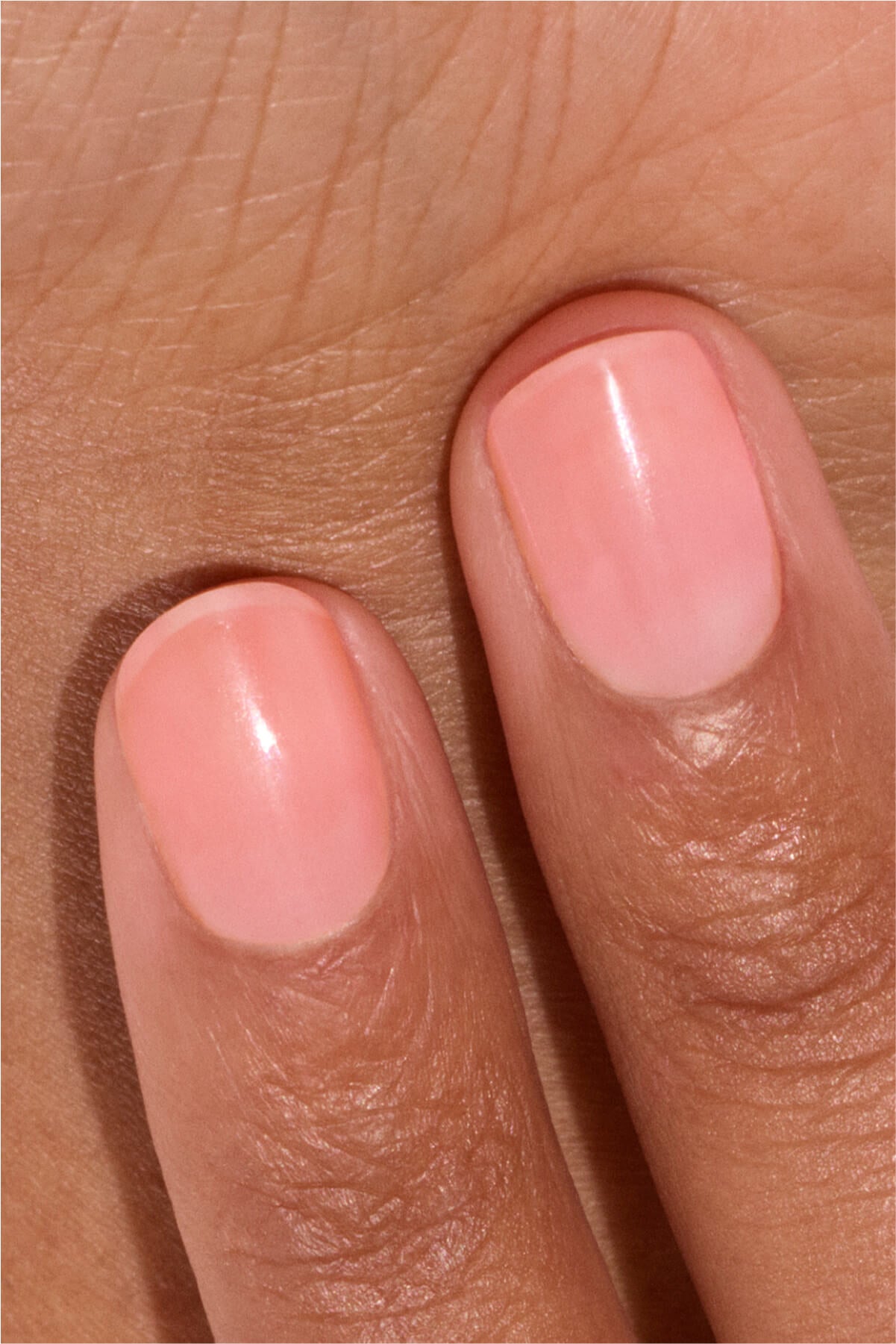
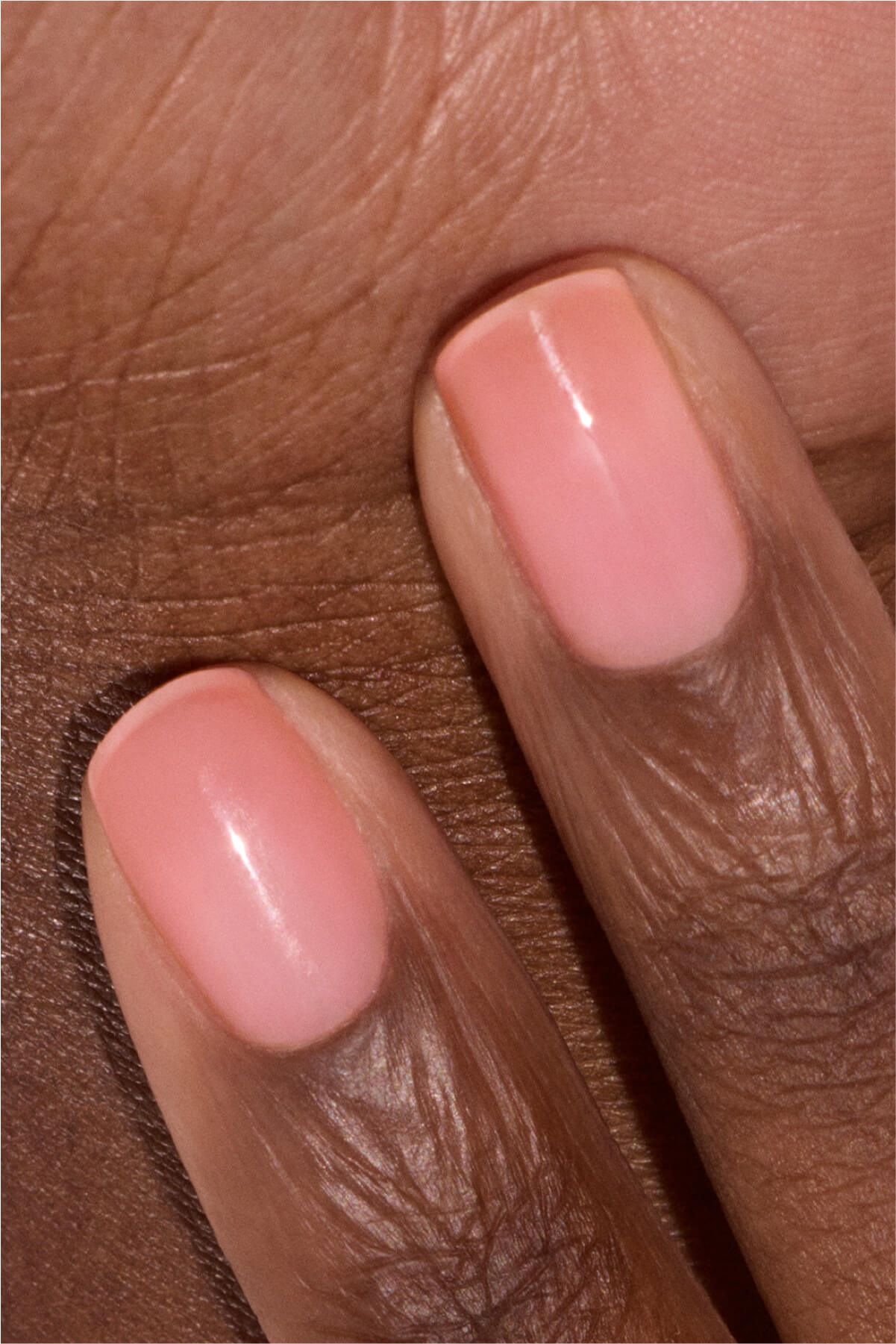
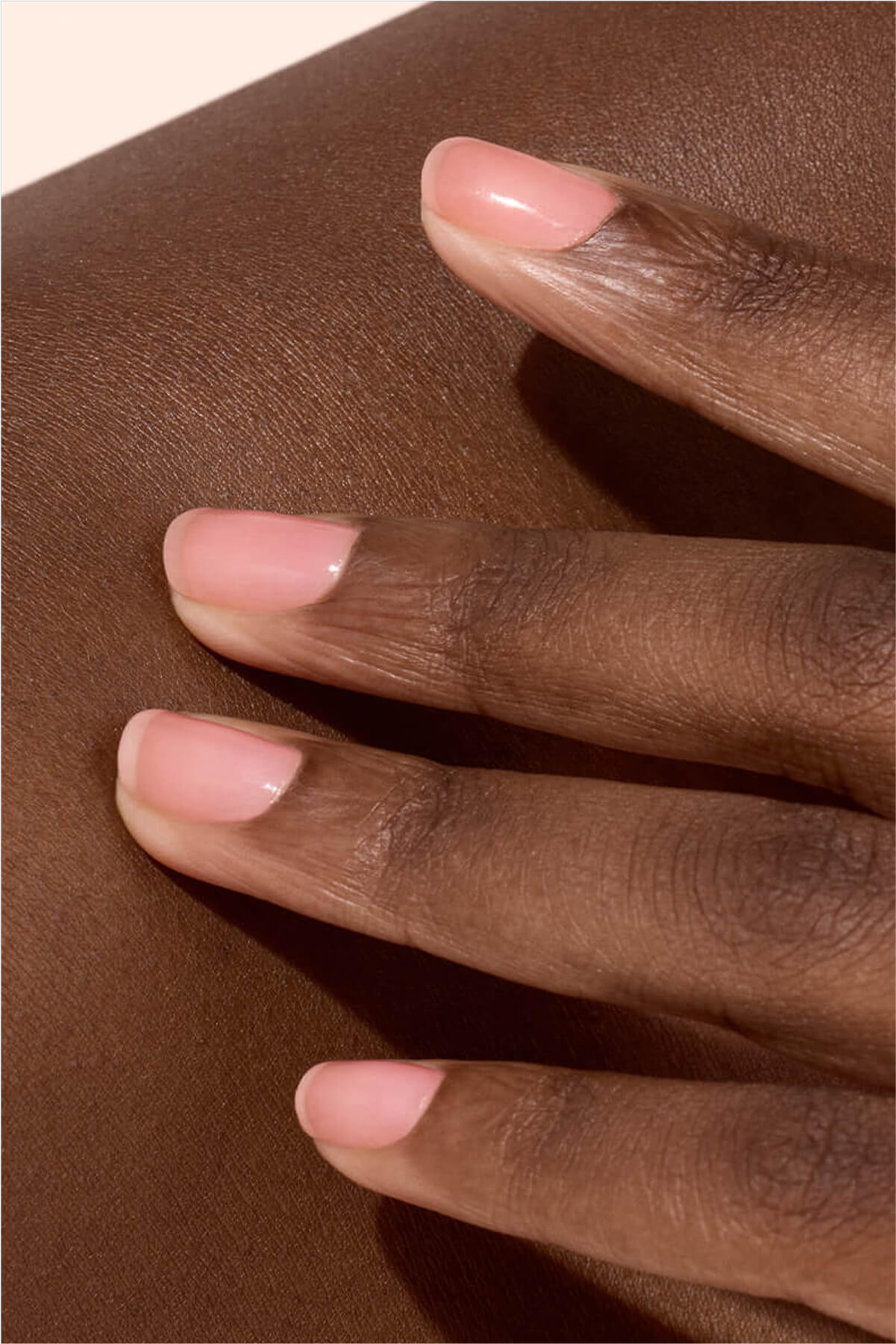
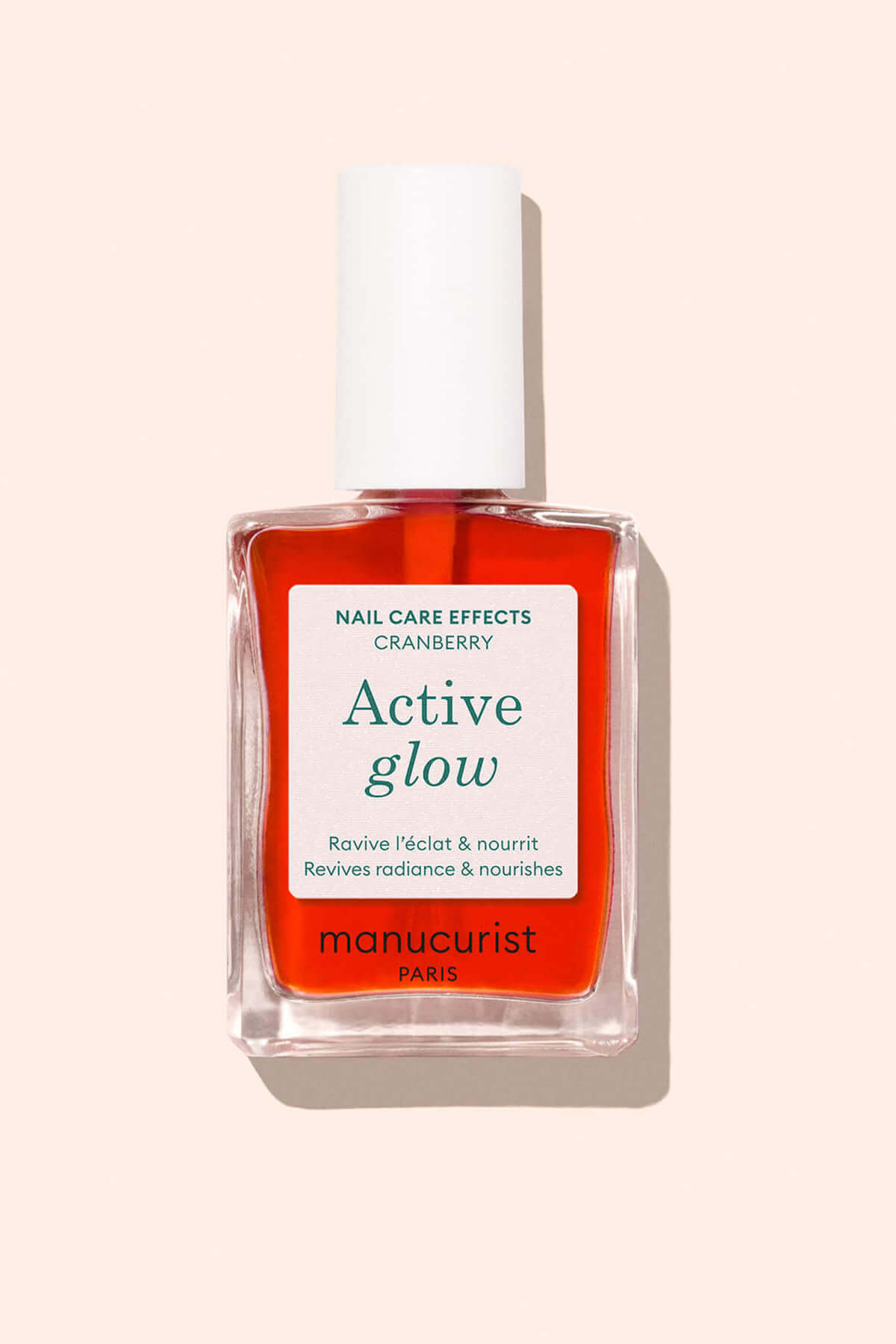

Active™ Glow Cranberry
For a glossy coral effect
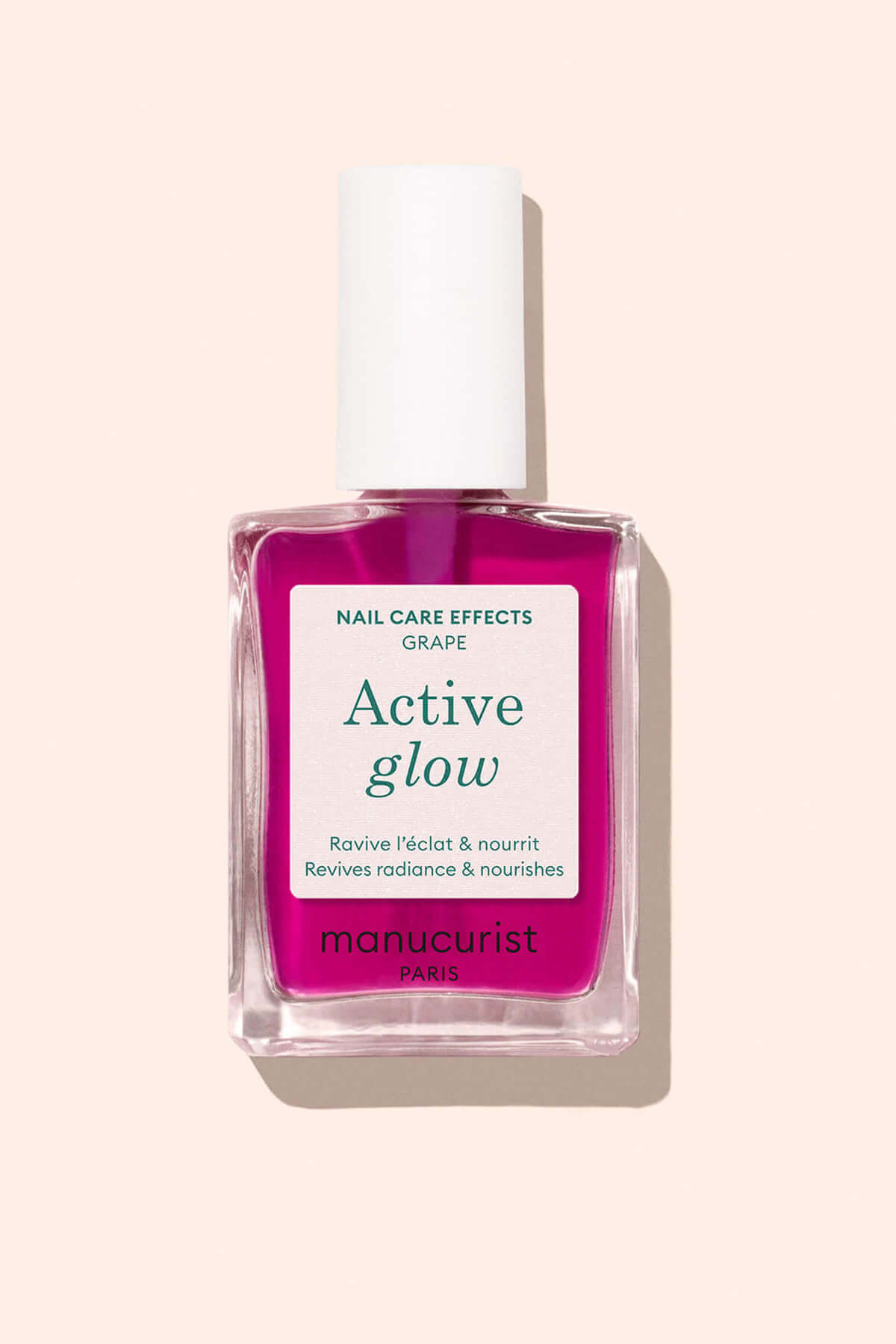
Active™ Glow Grape
For a gloss lilac effect
Active™ Plump, Shine, Blur & Bright
No more : Naked
Coverage : Semi-opaque
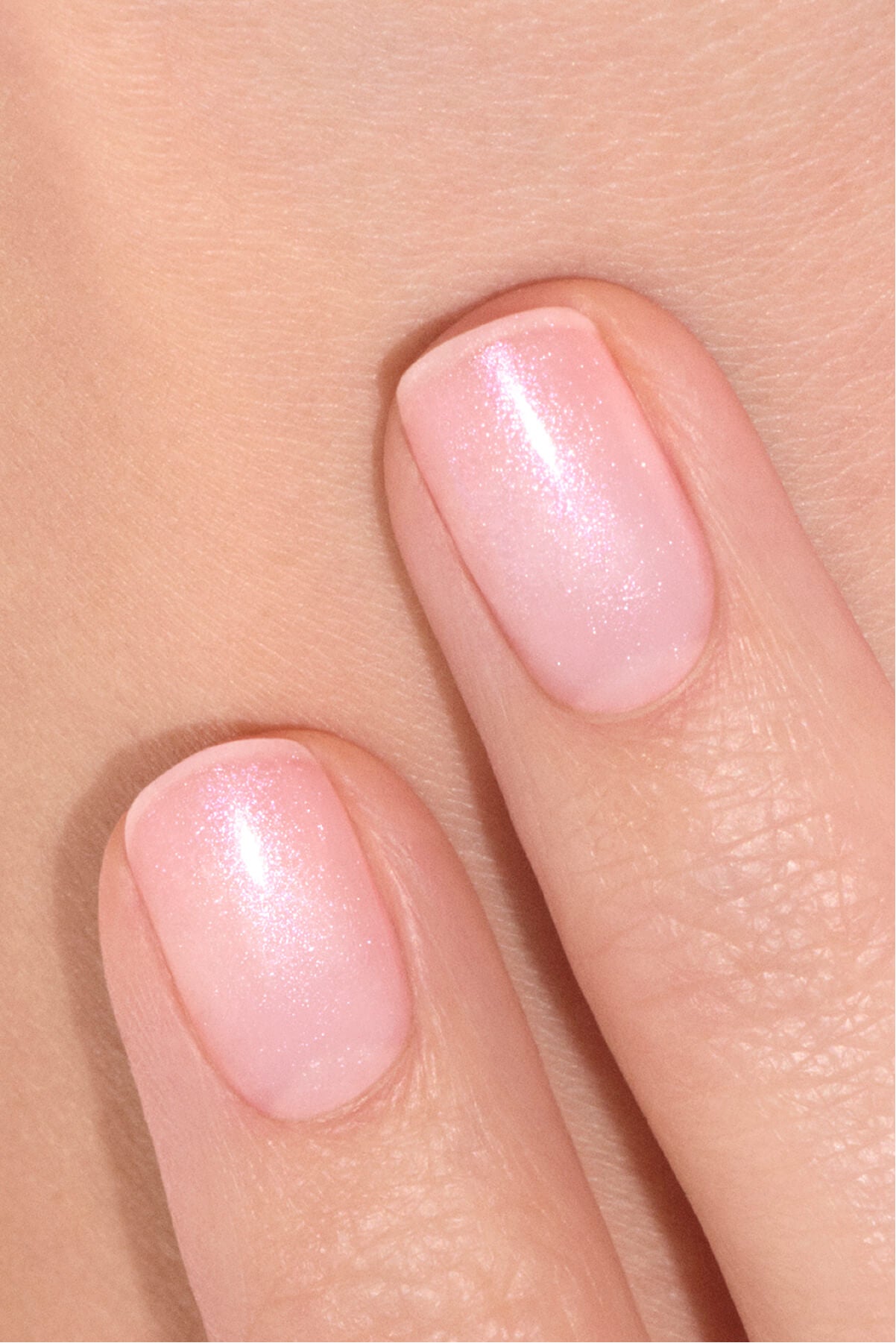
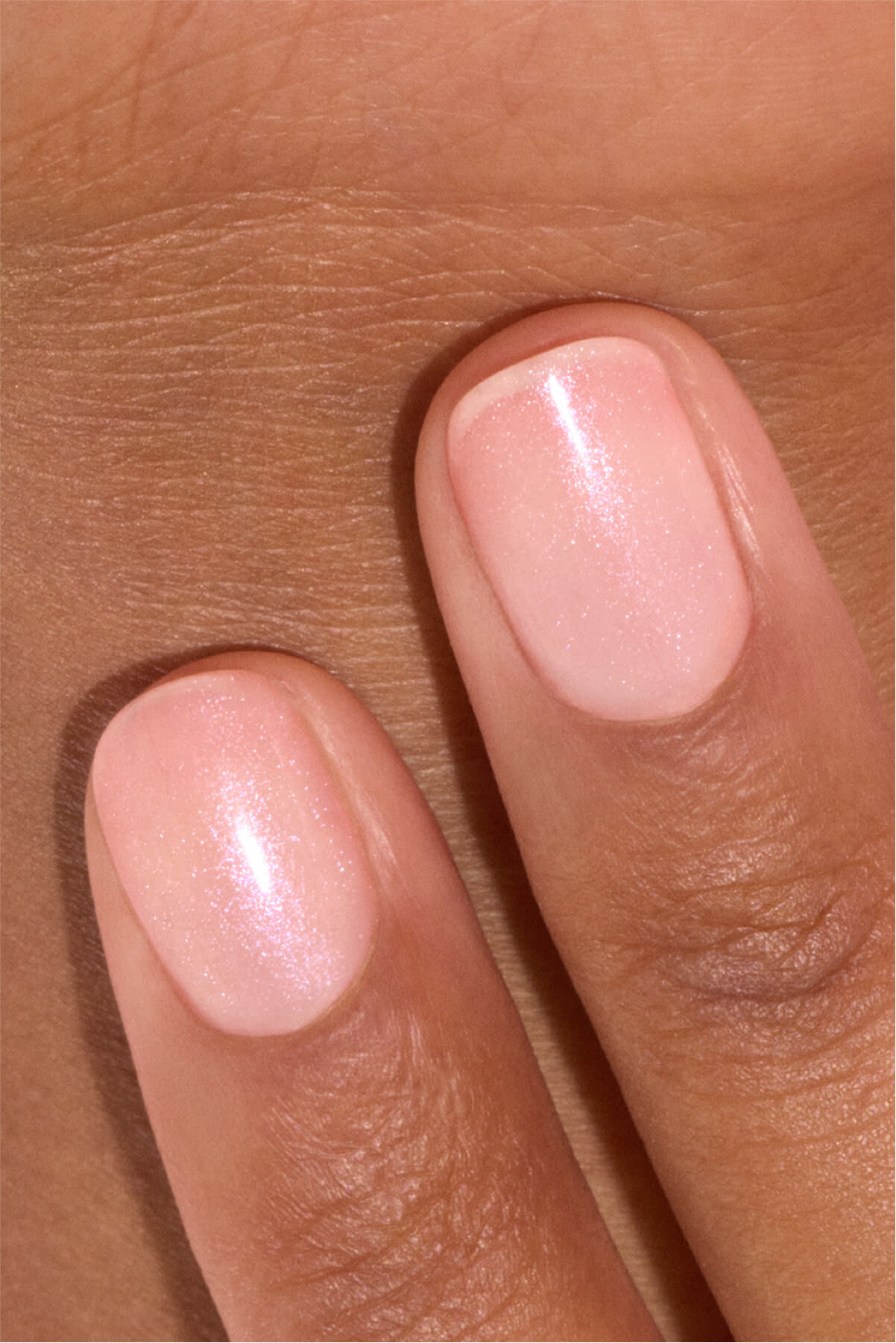
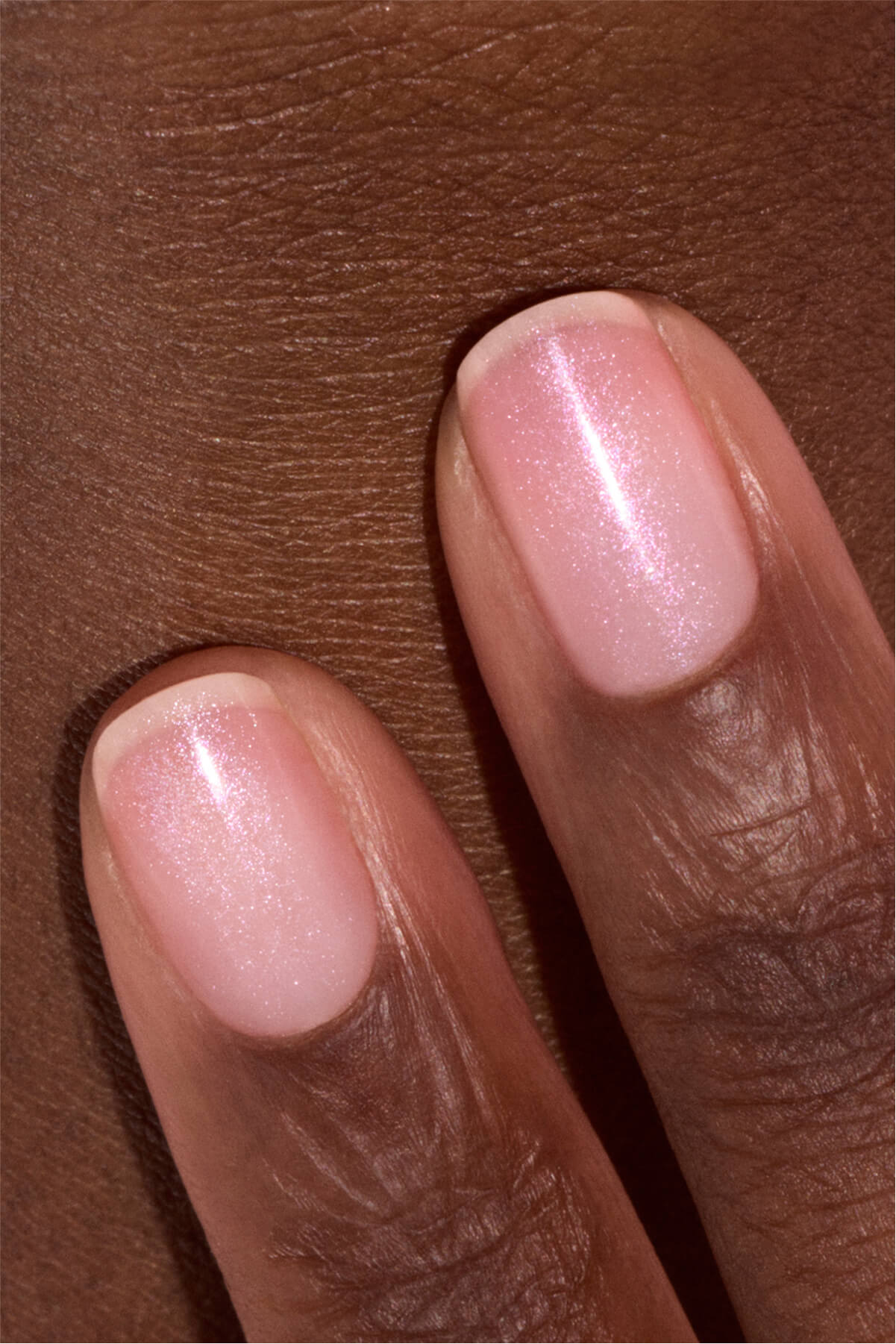
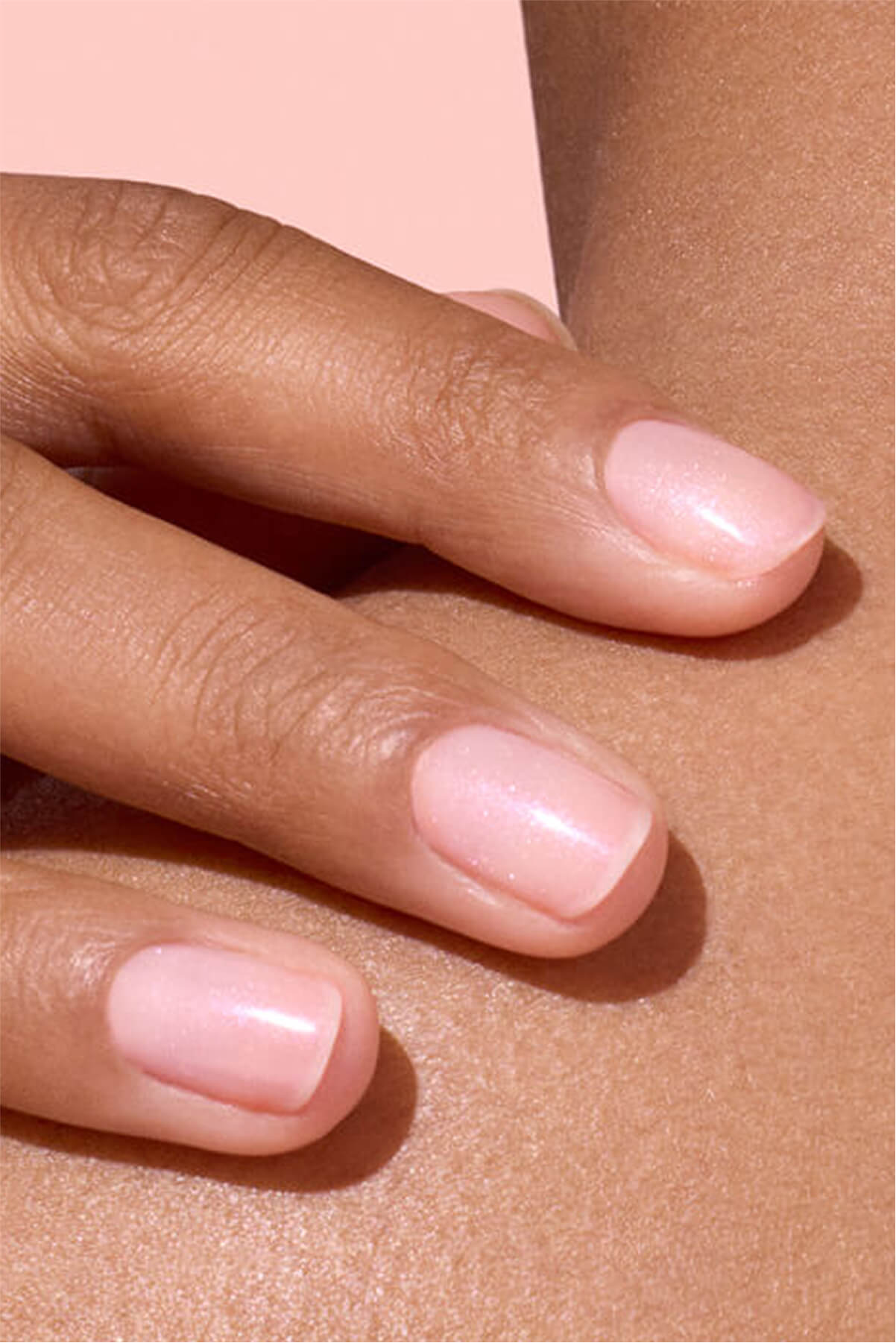
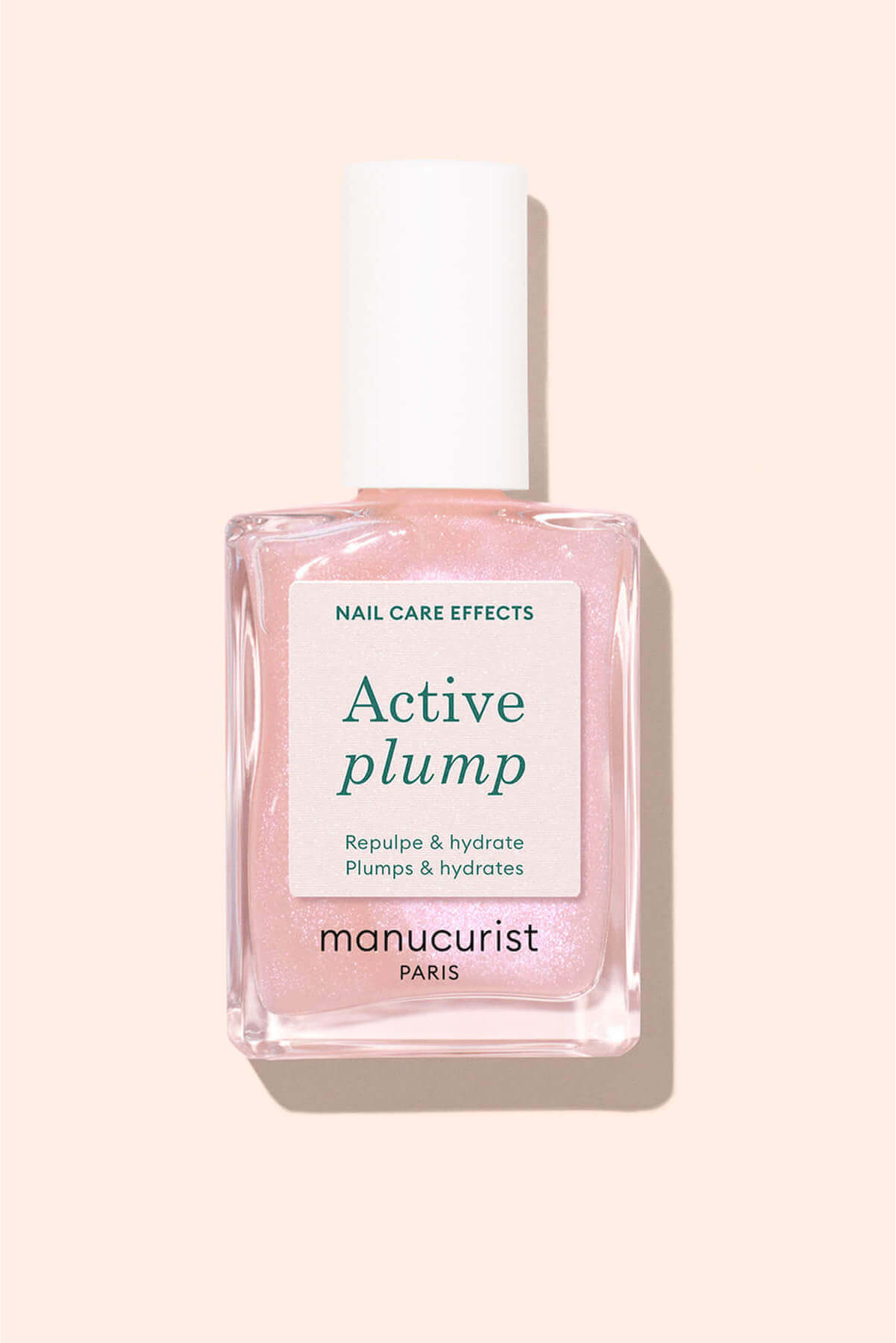
Active™ Plump Pink
For a repulsive effect and a baby pink tint
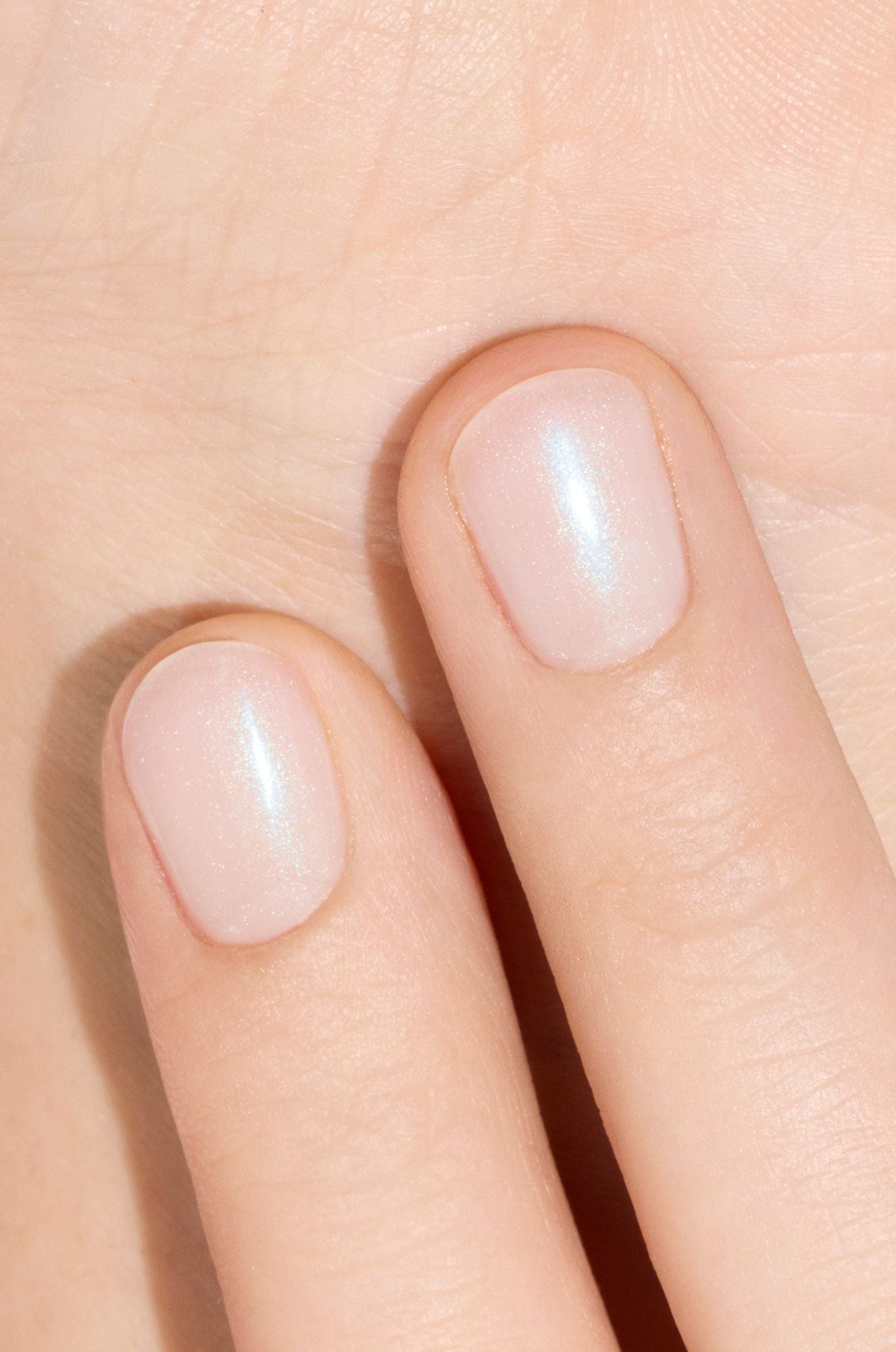
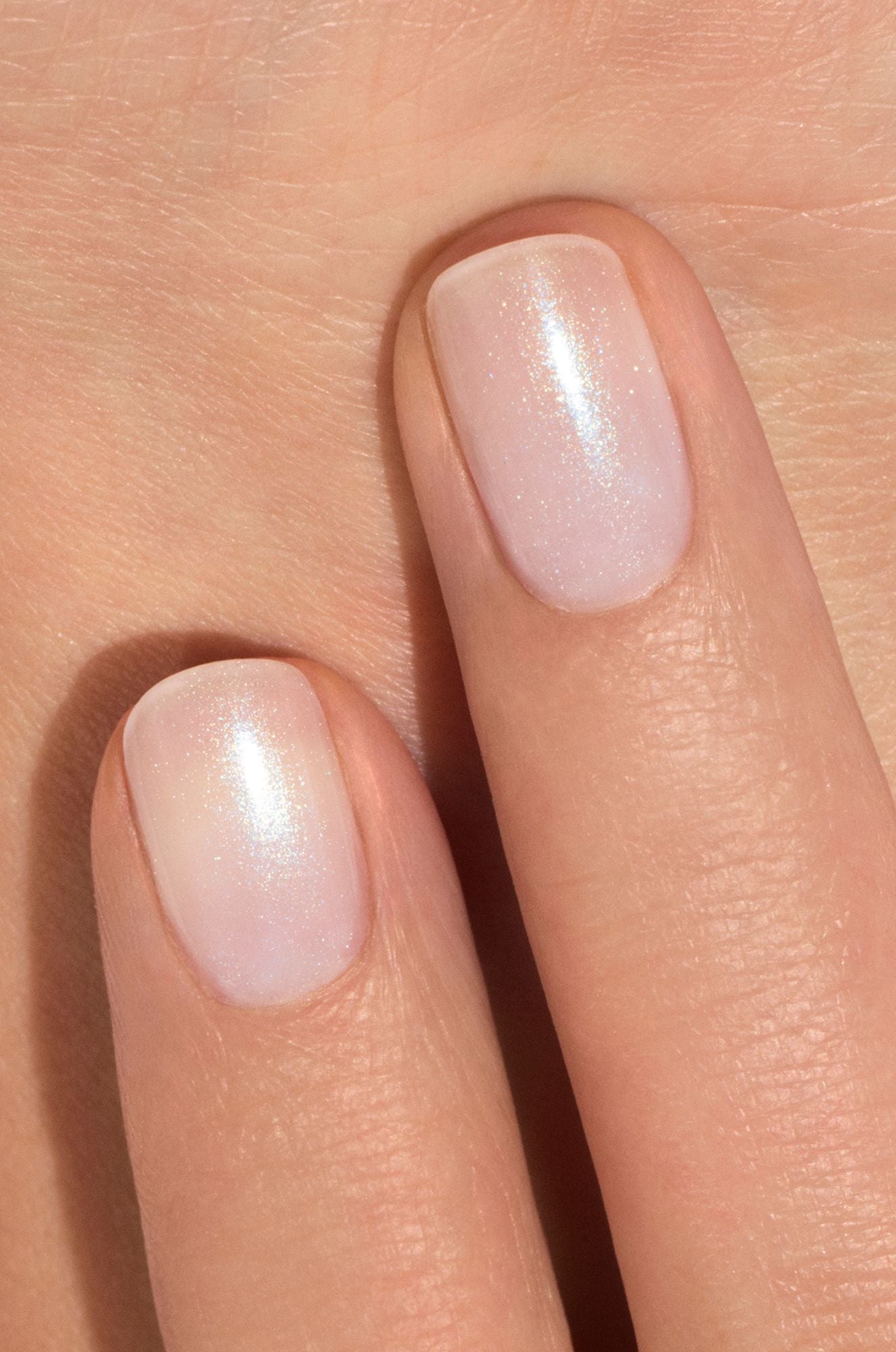
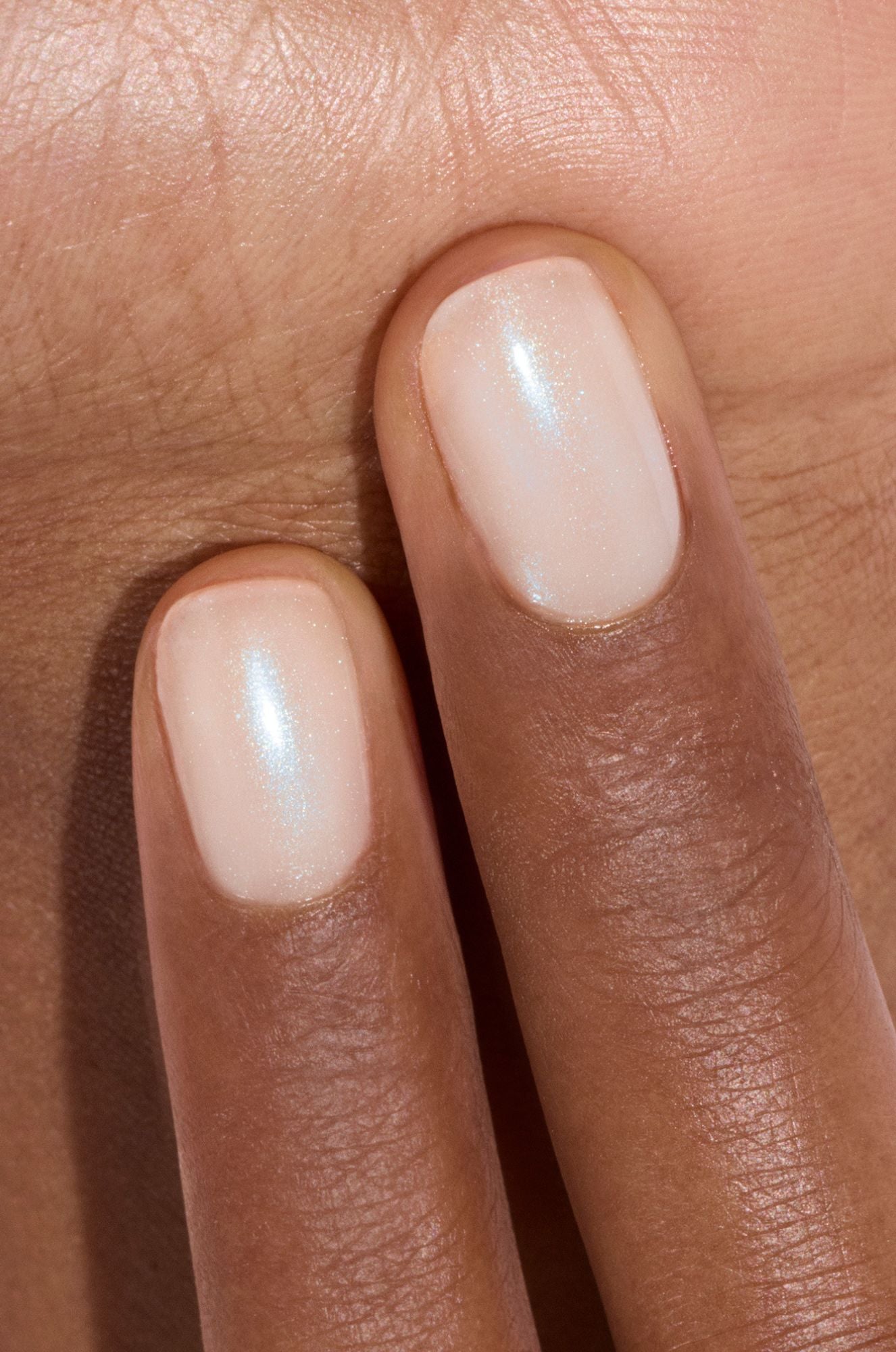
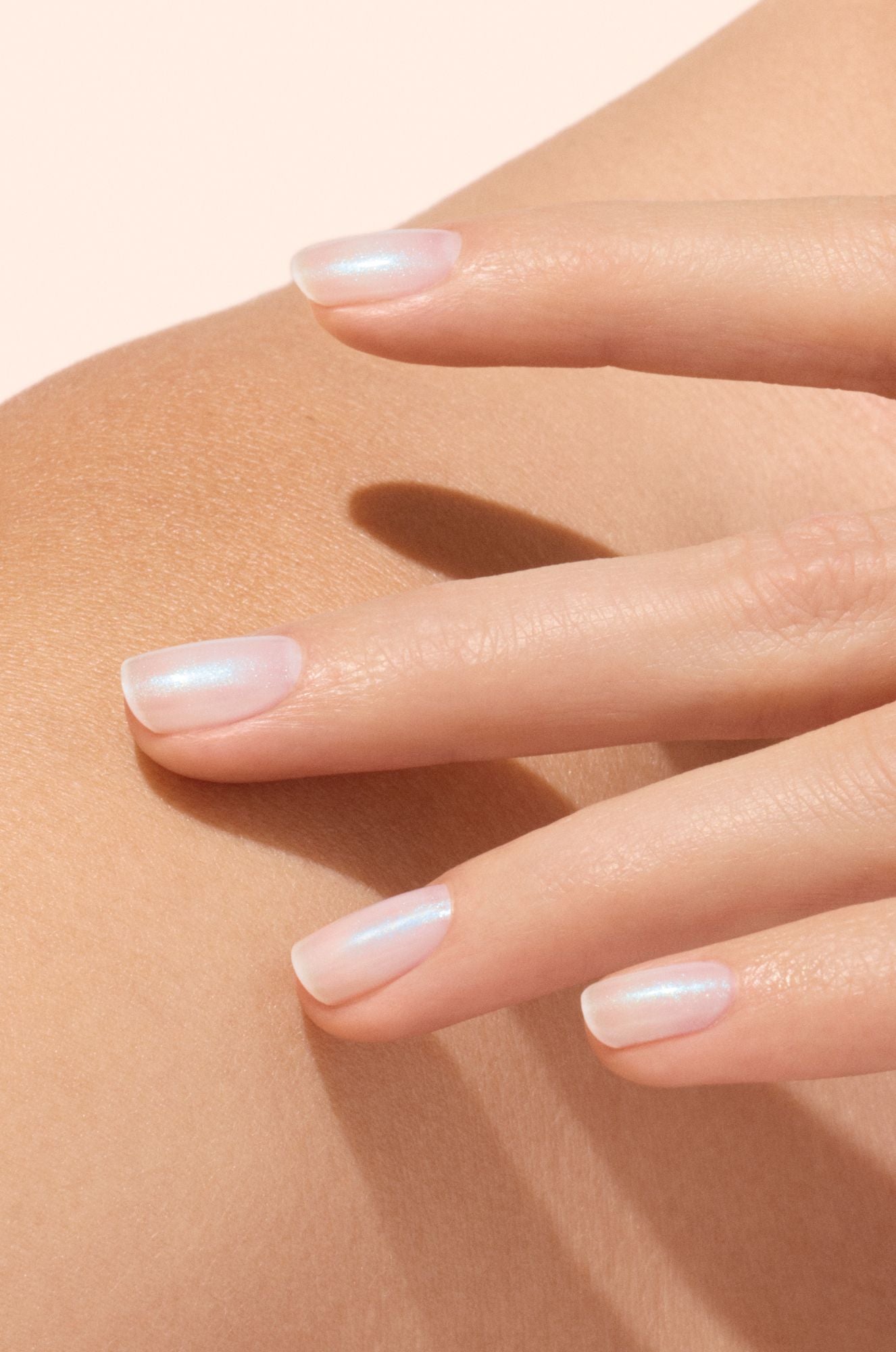
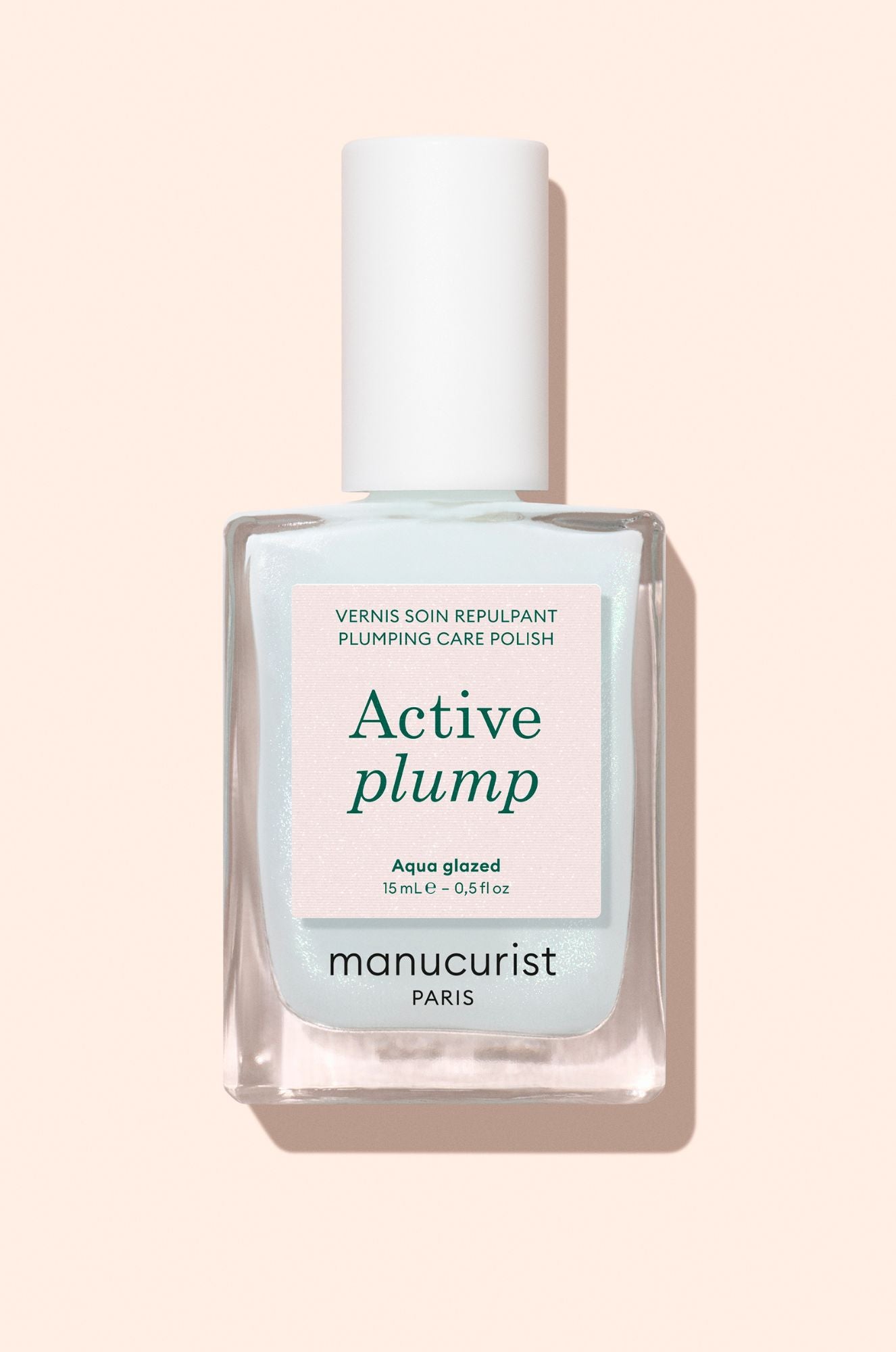
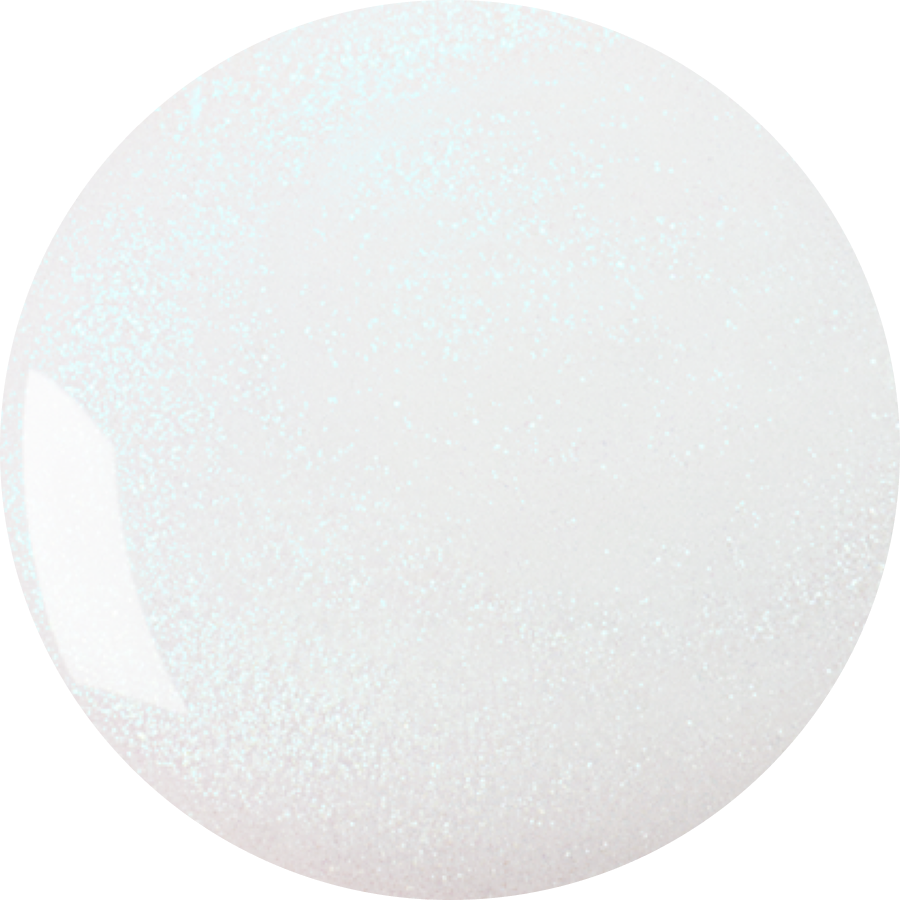
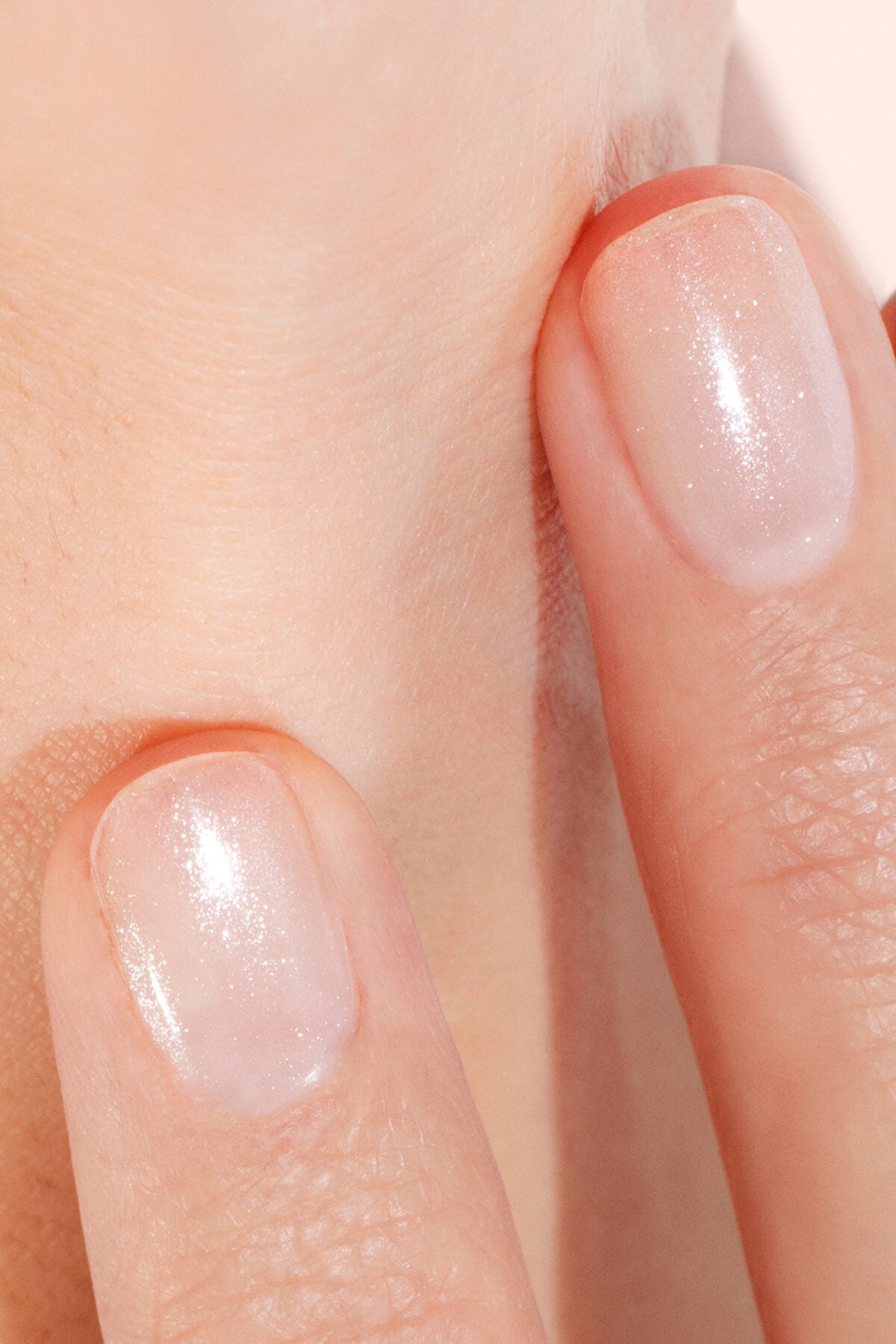
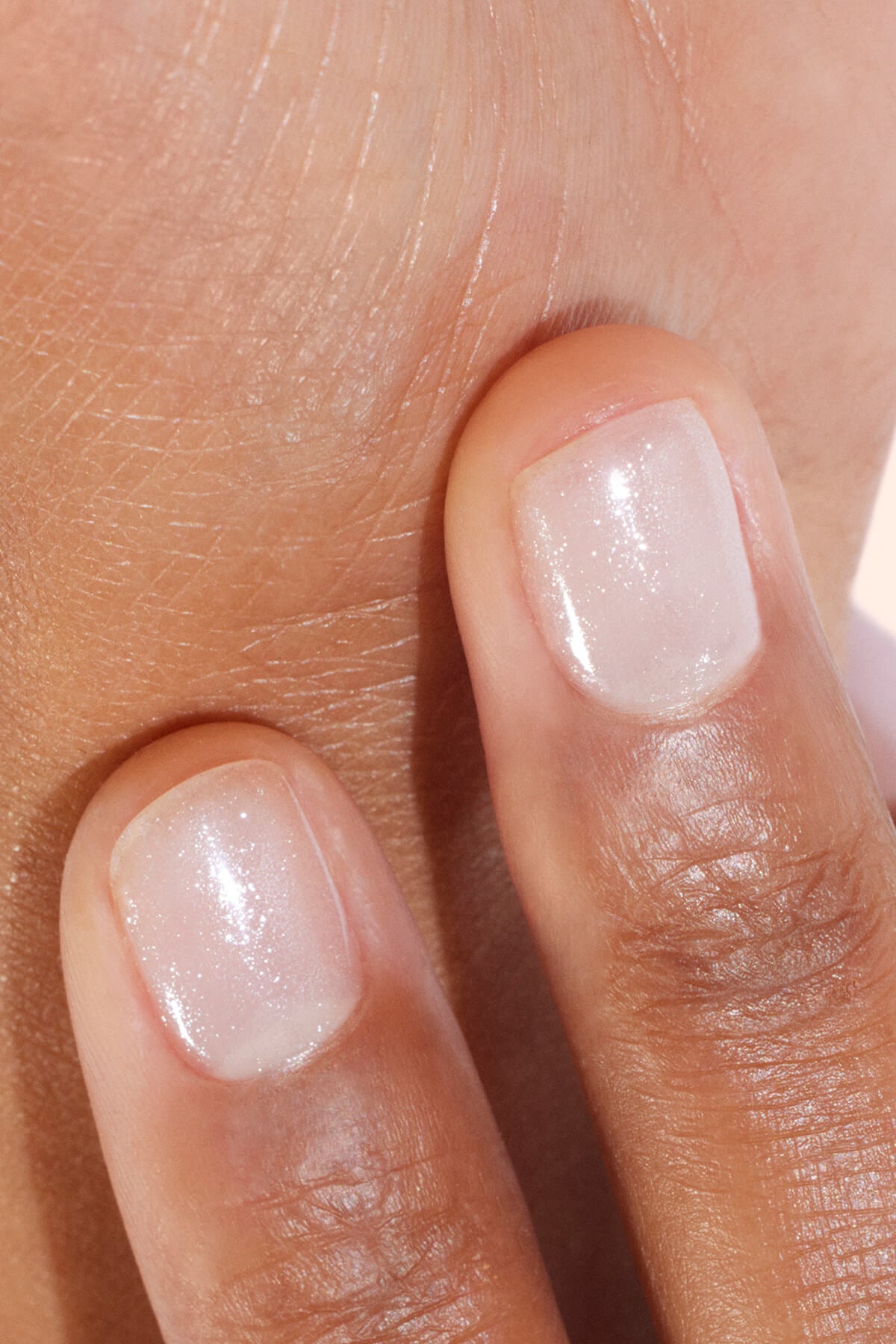
Active™ Plump Aqua Glazed
For a repulsive effect and a micky shade with marine reflections
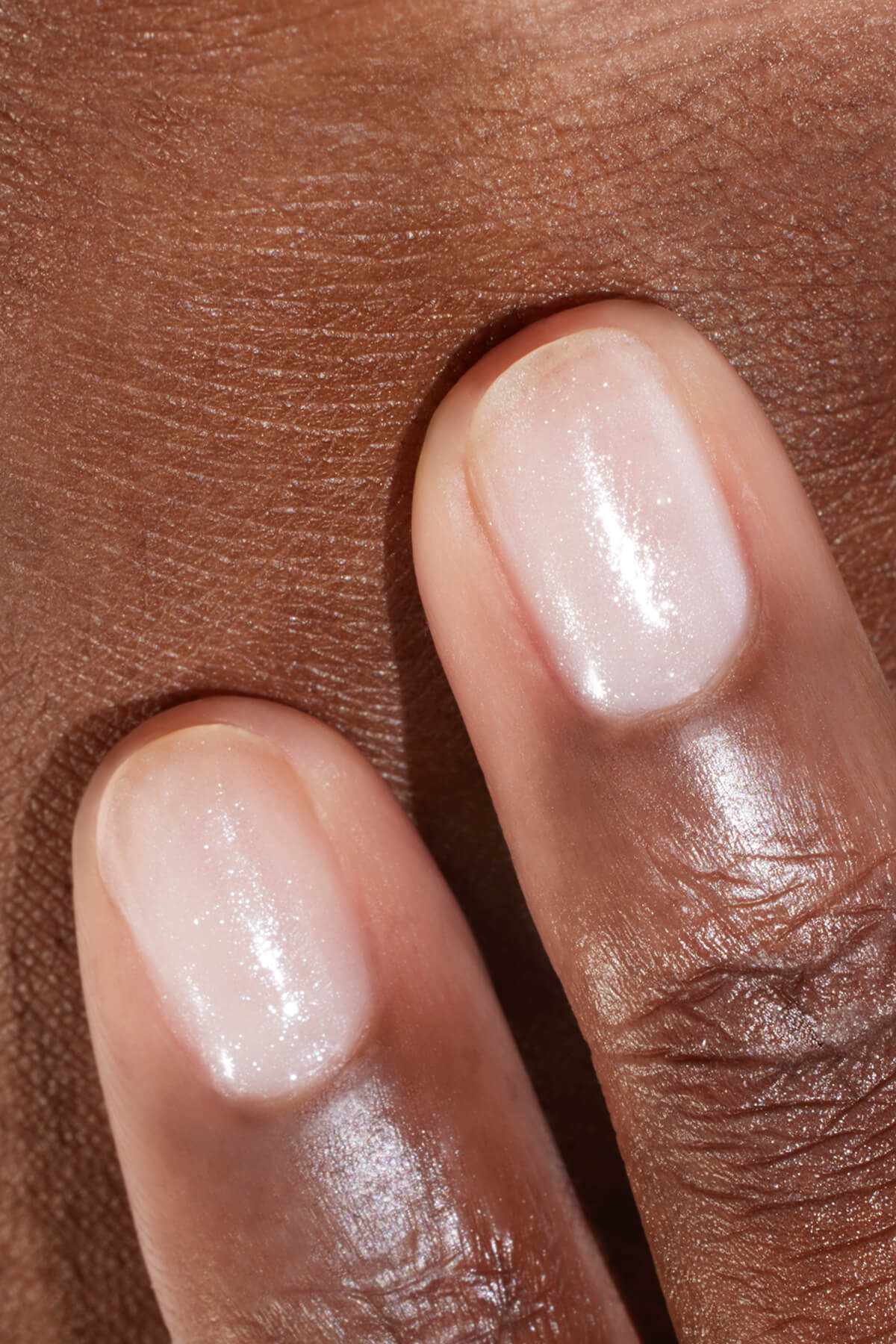
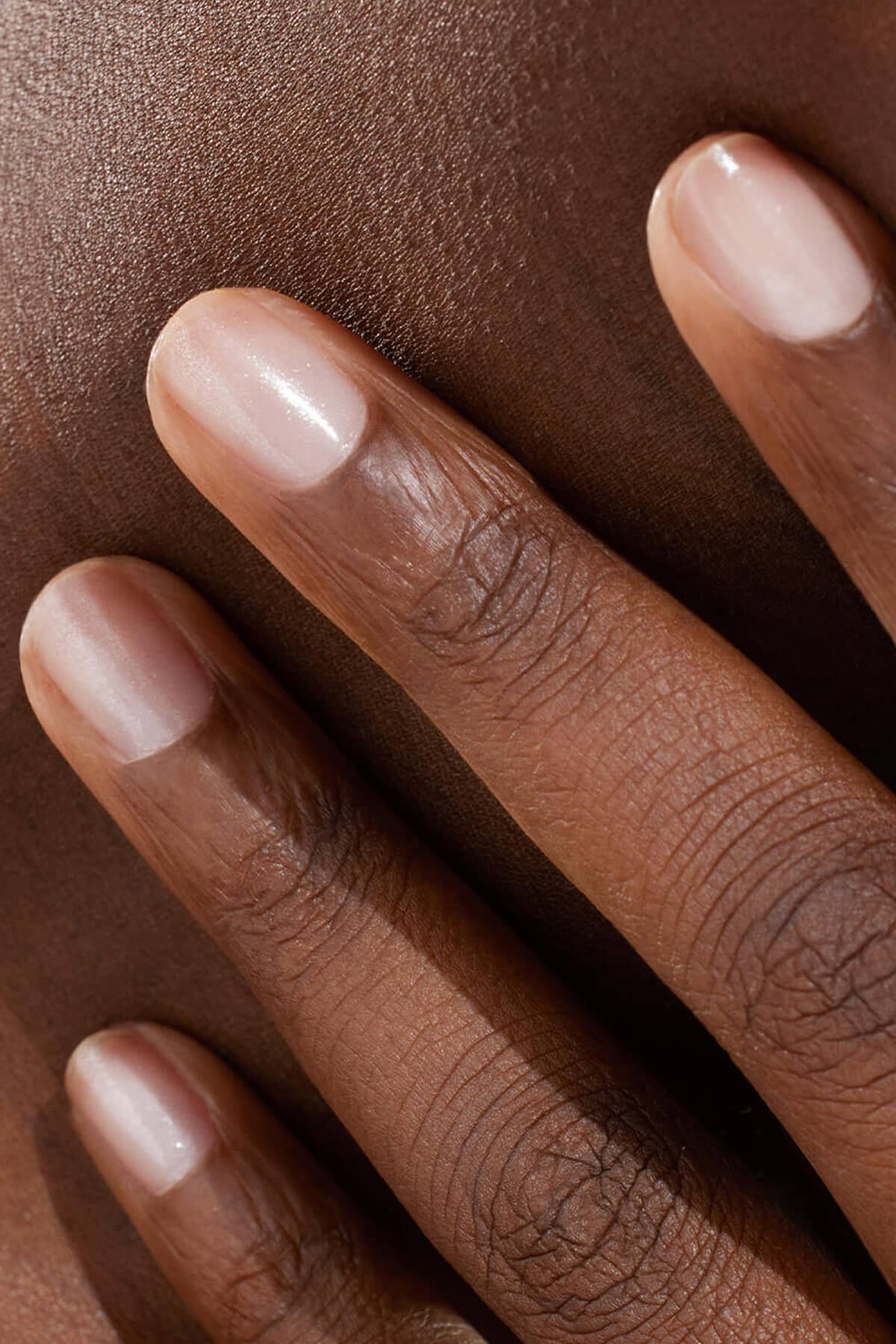
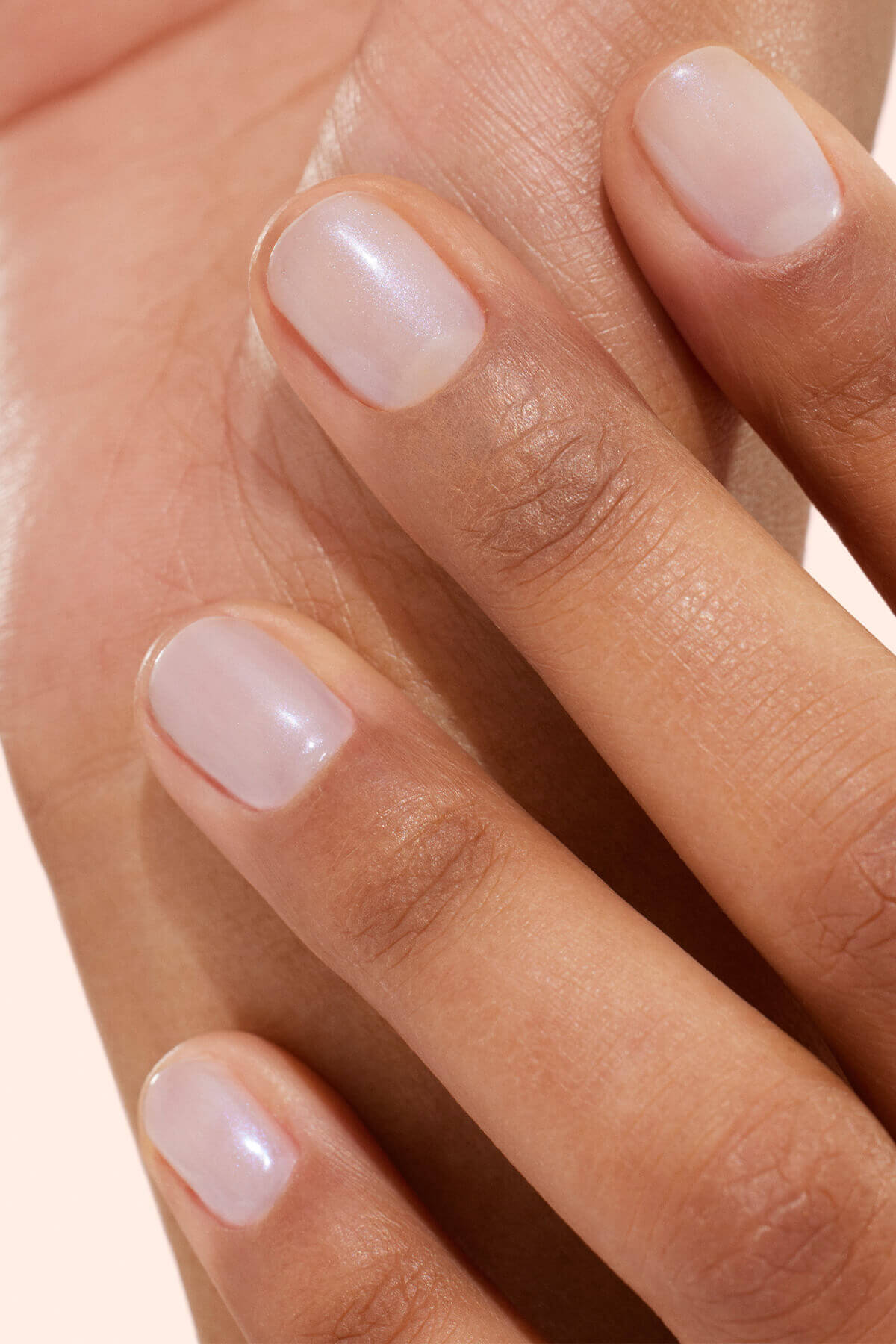
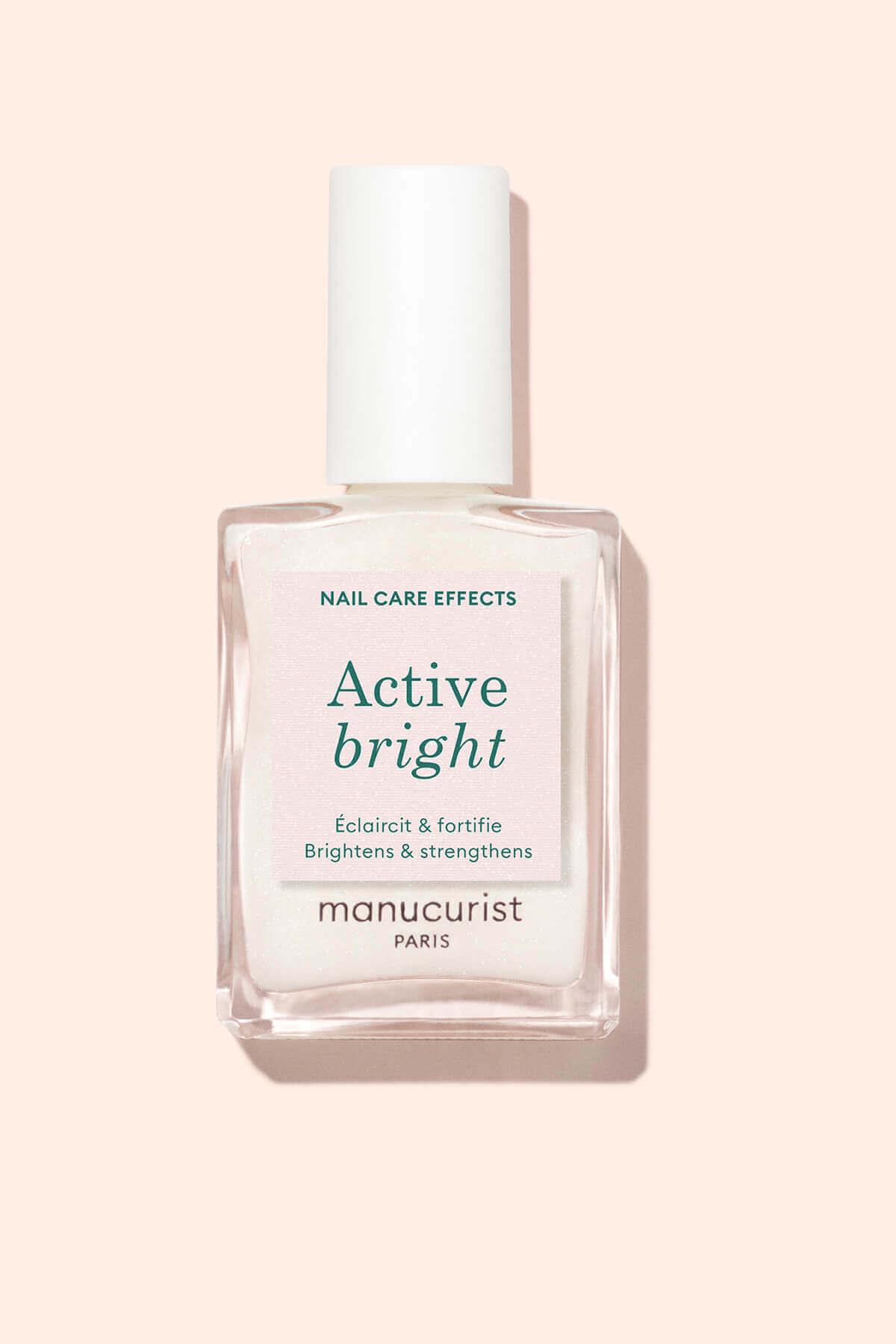
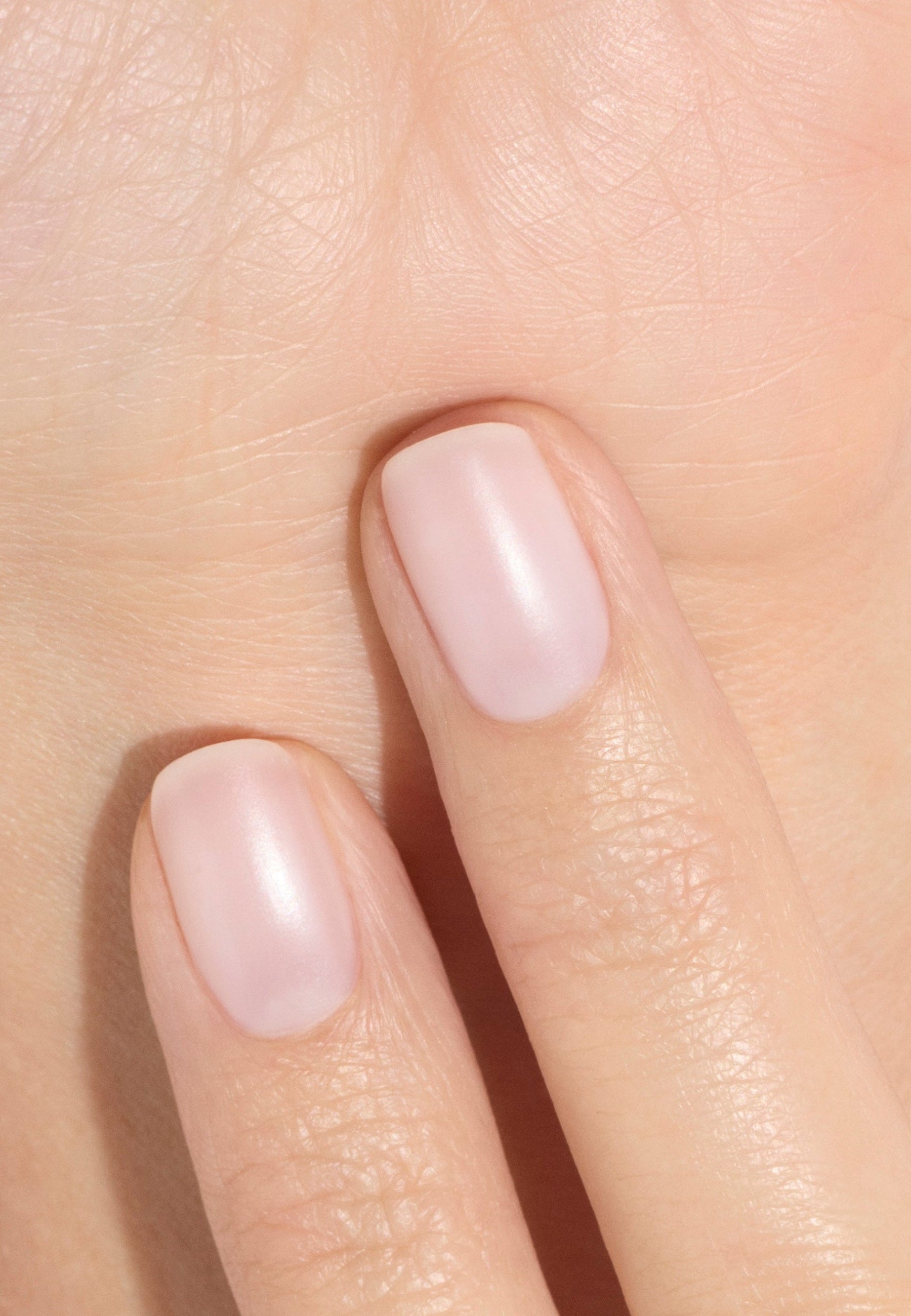
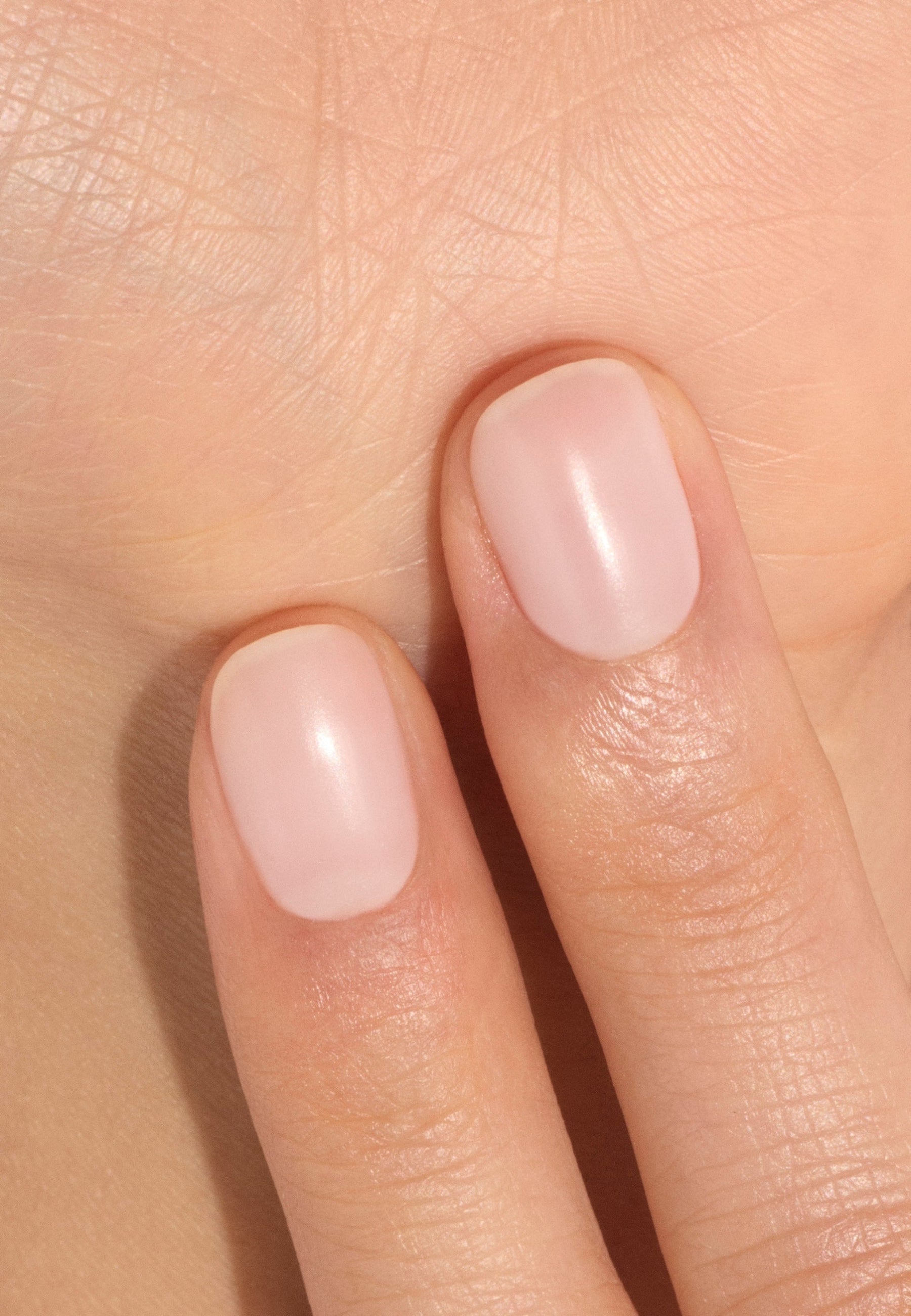
Active™ Shine Opal
For a highlighter effect and a beige veil tint
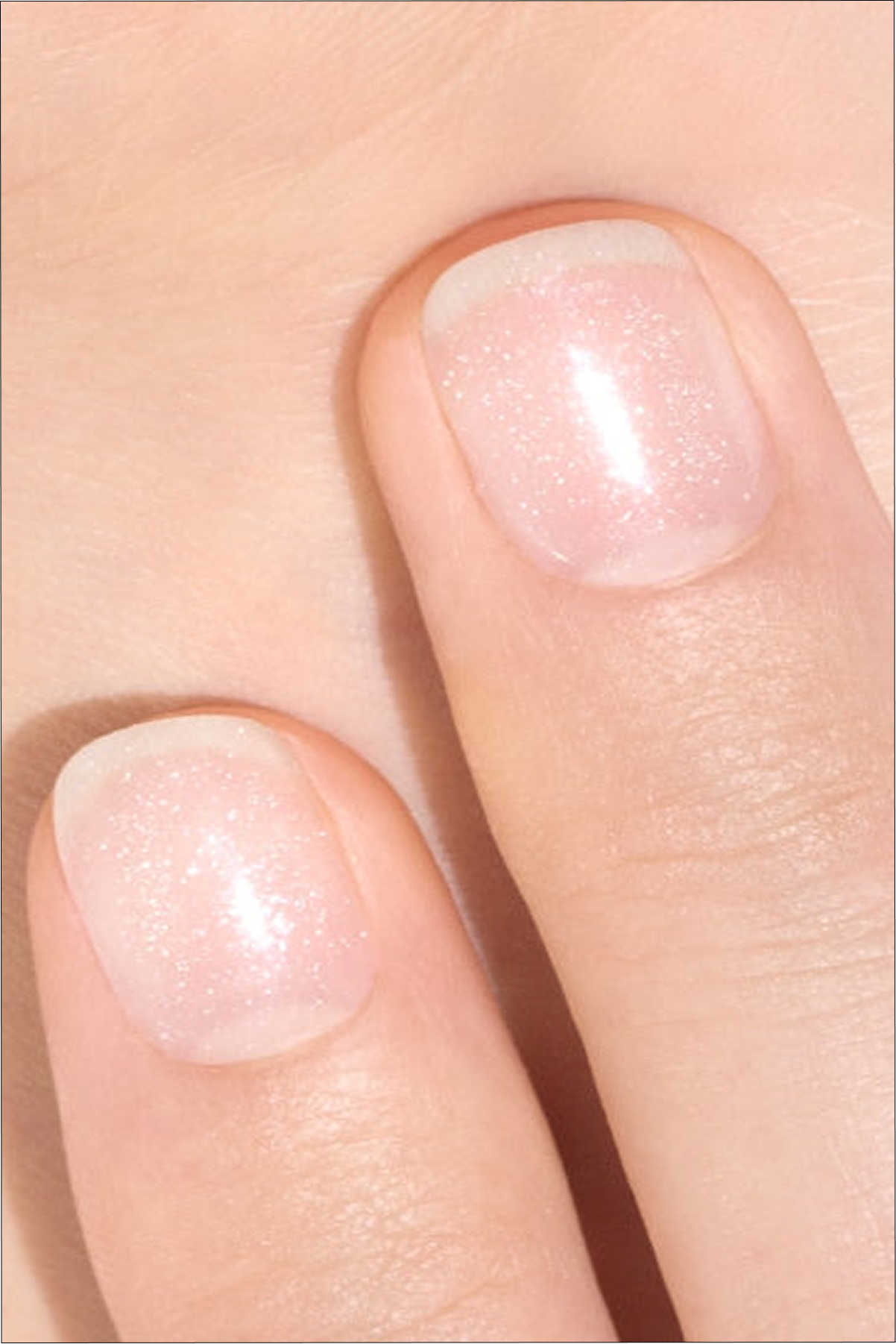
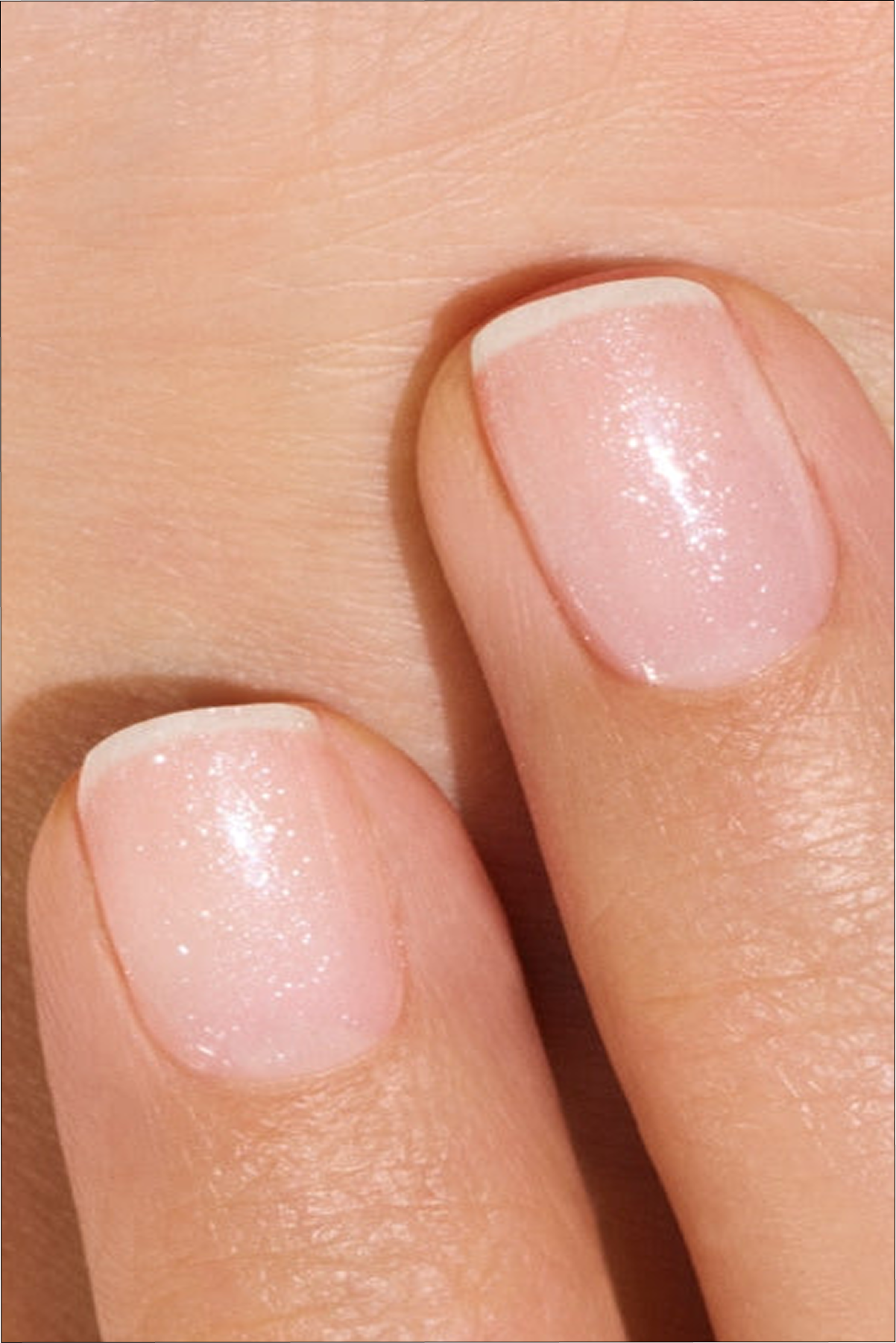
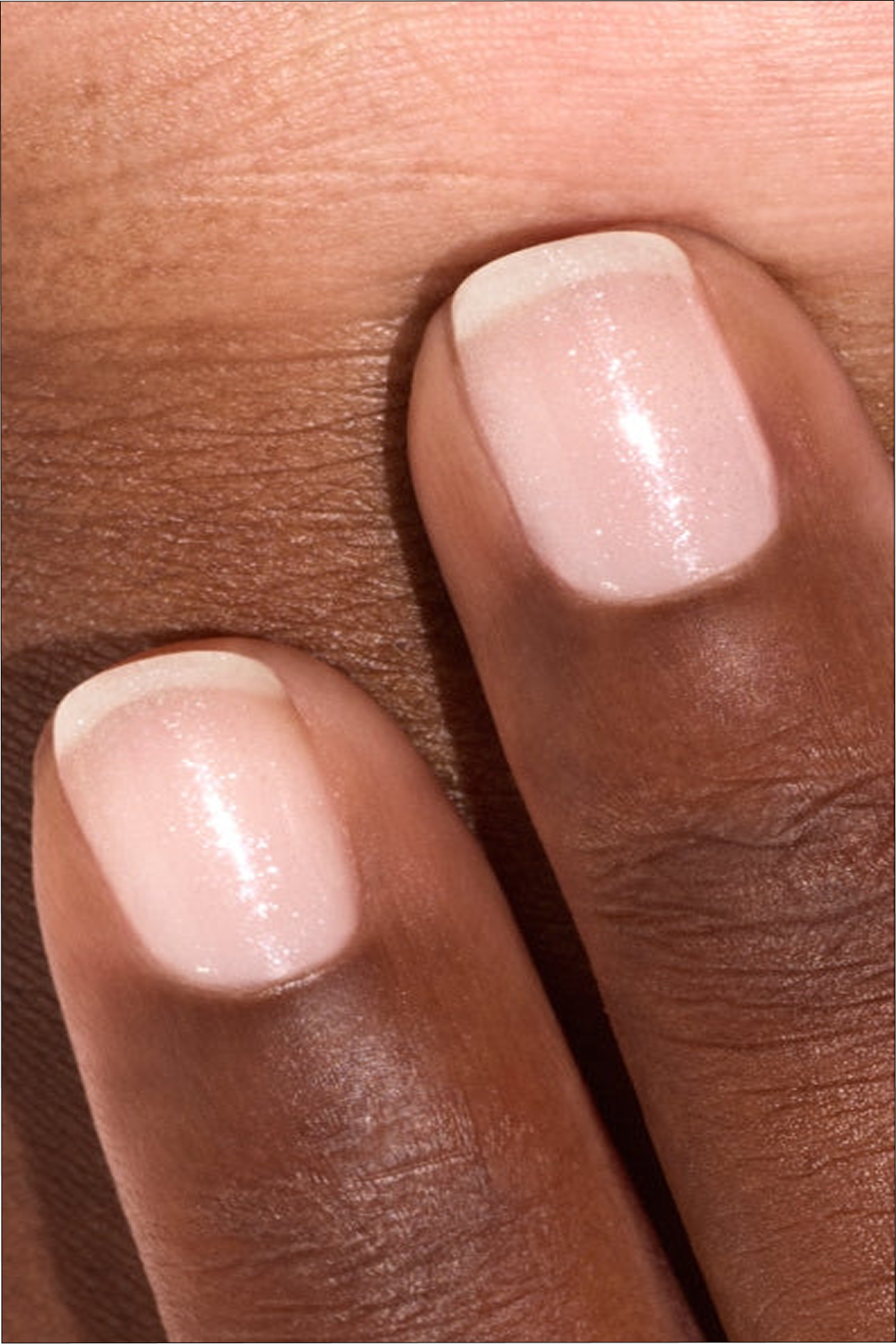
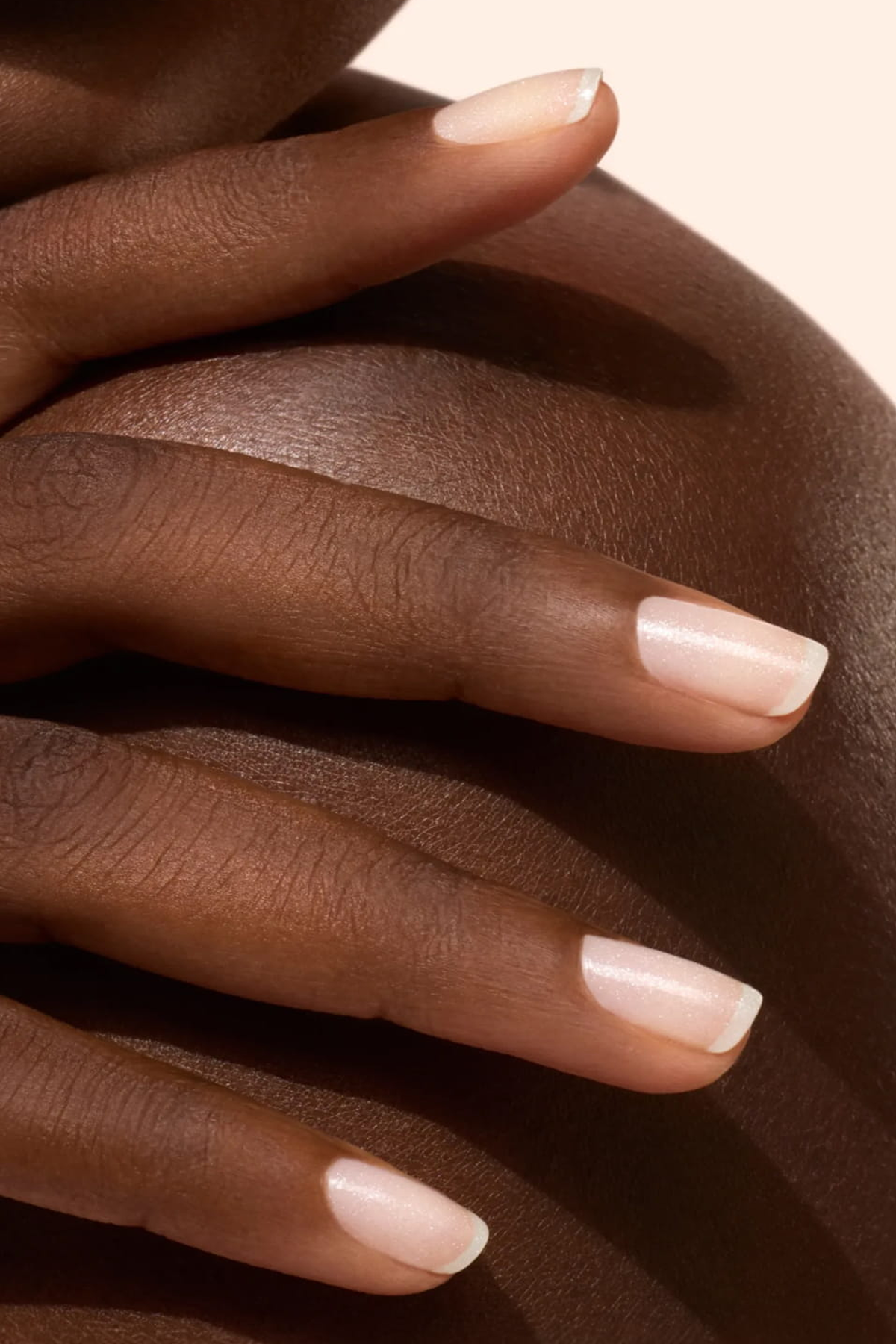
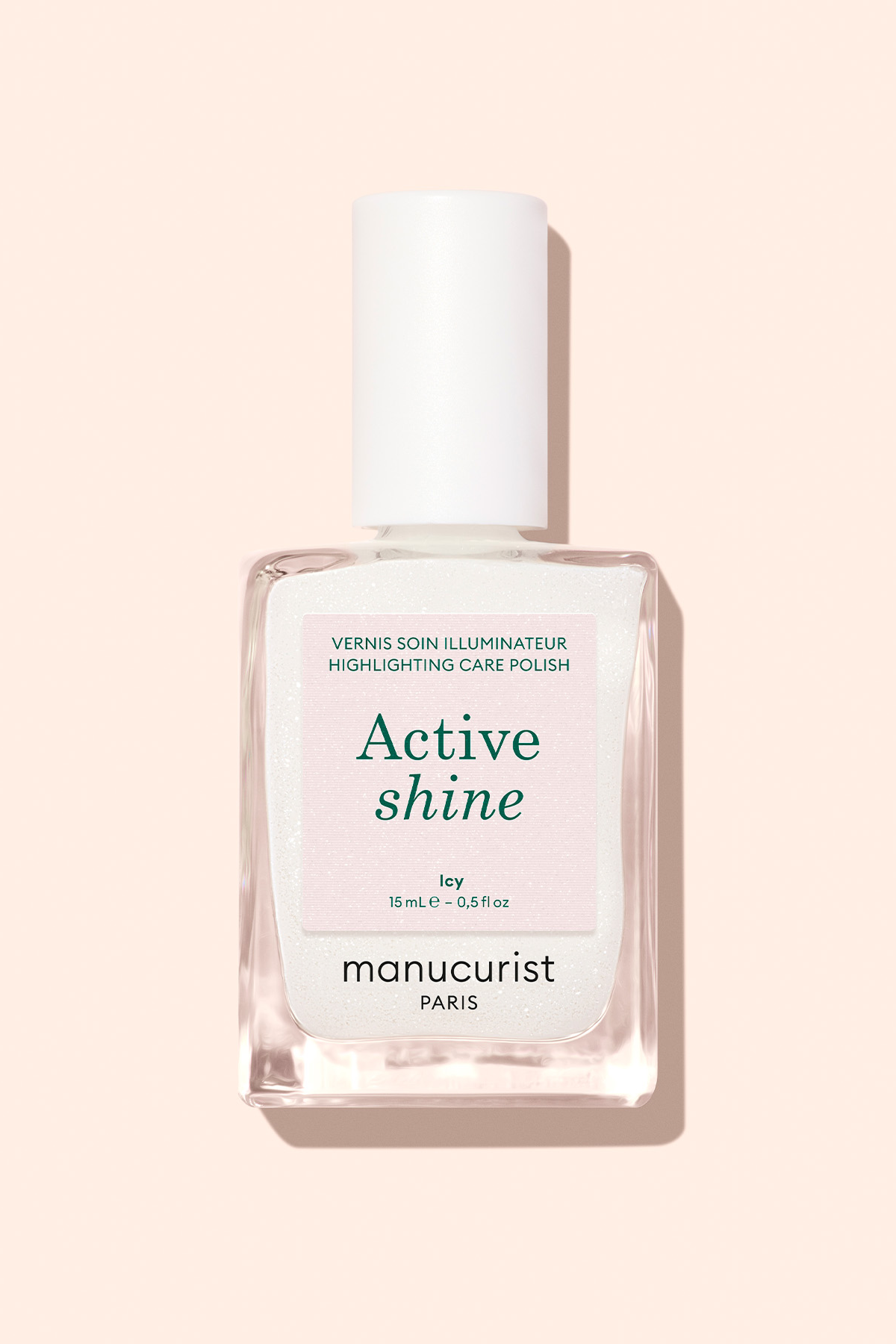
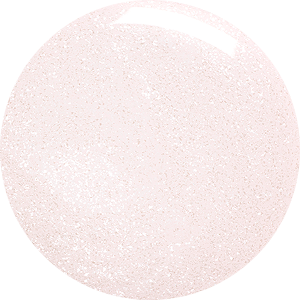
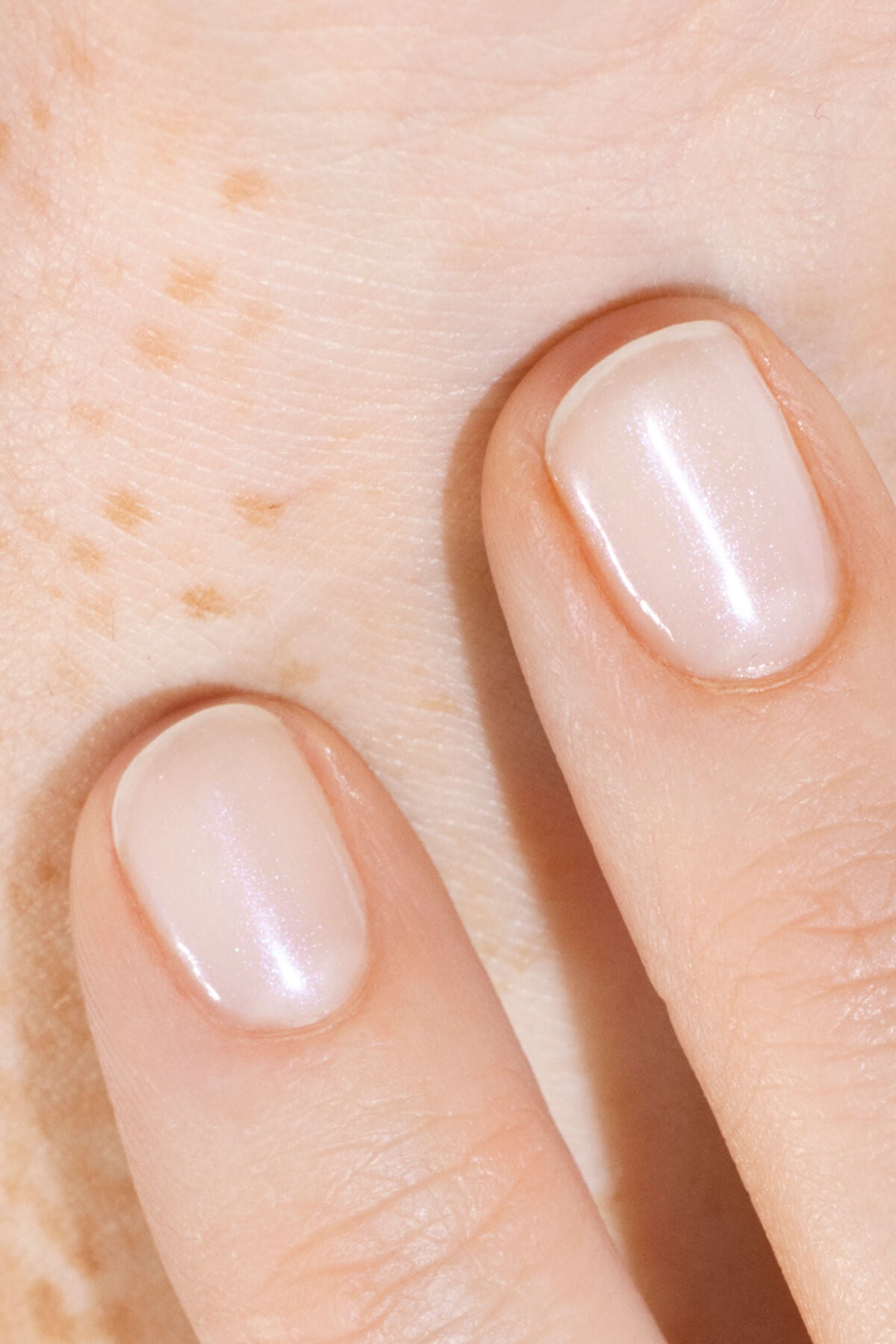
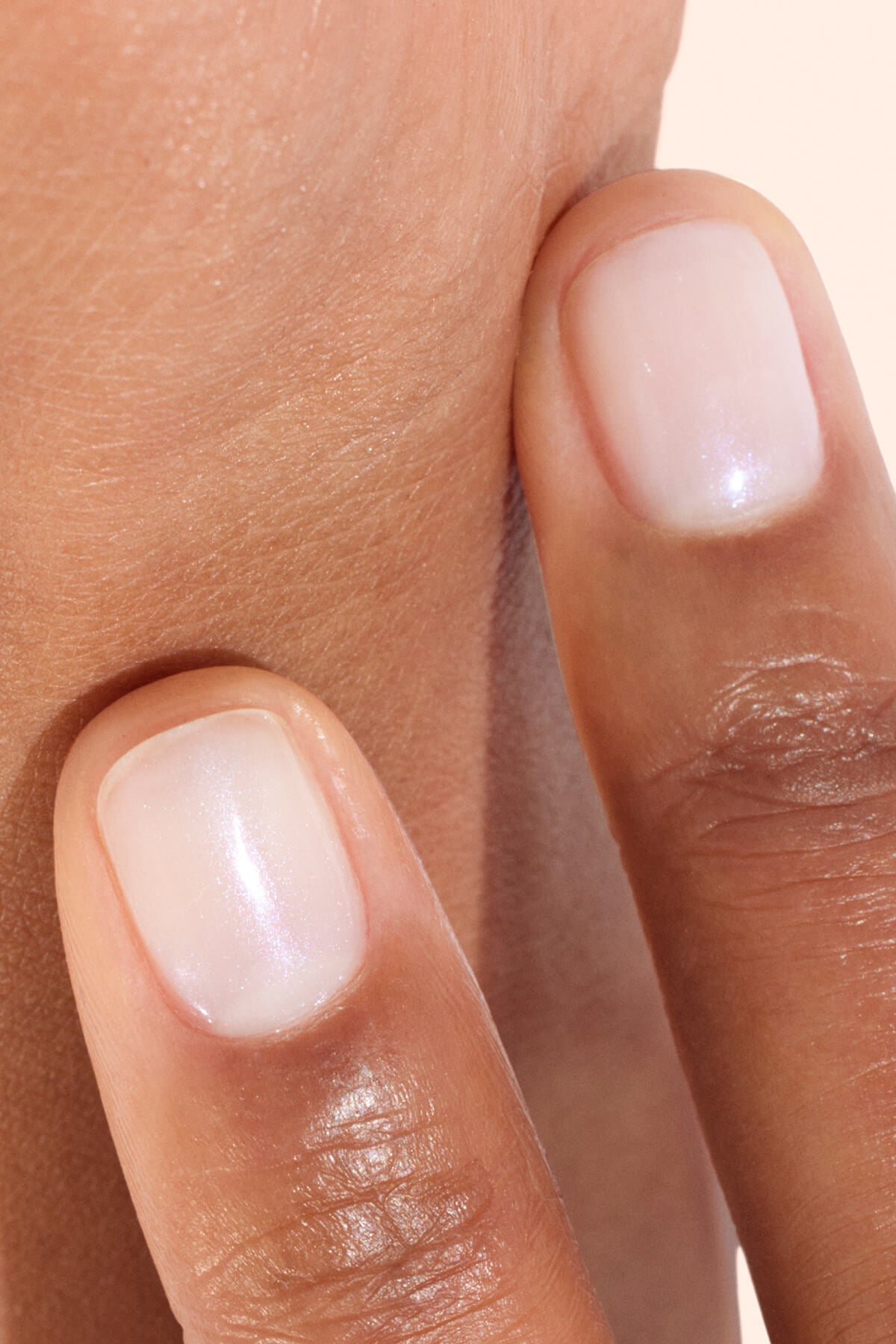
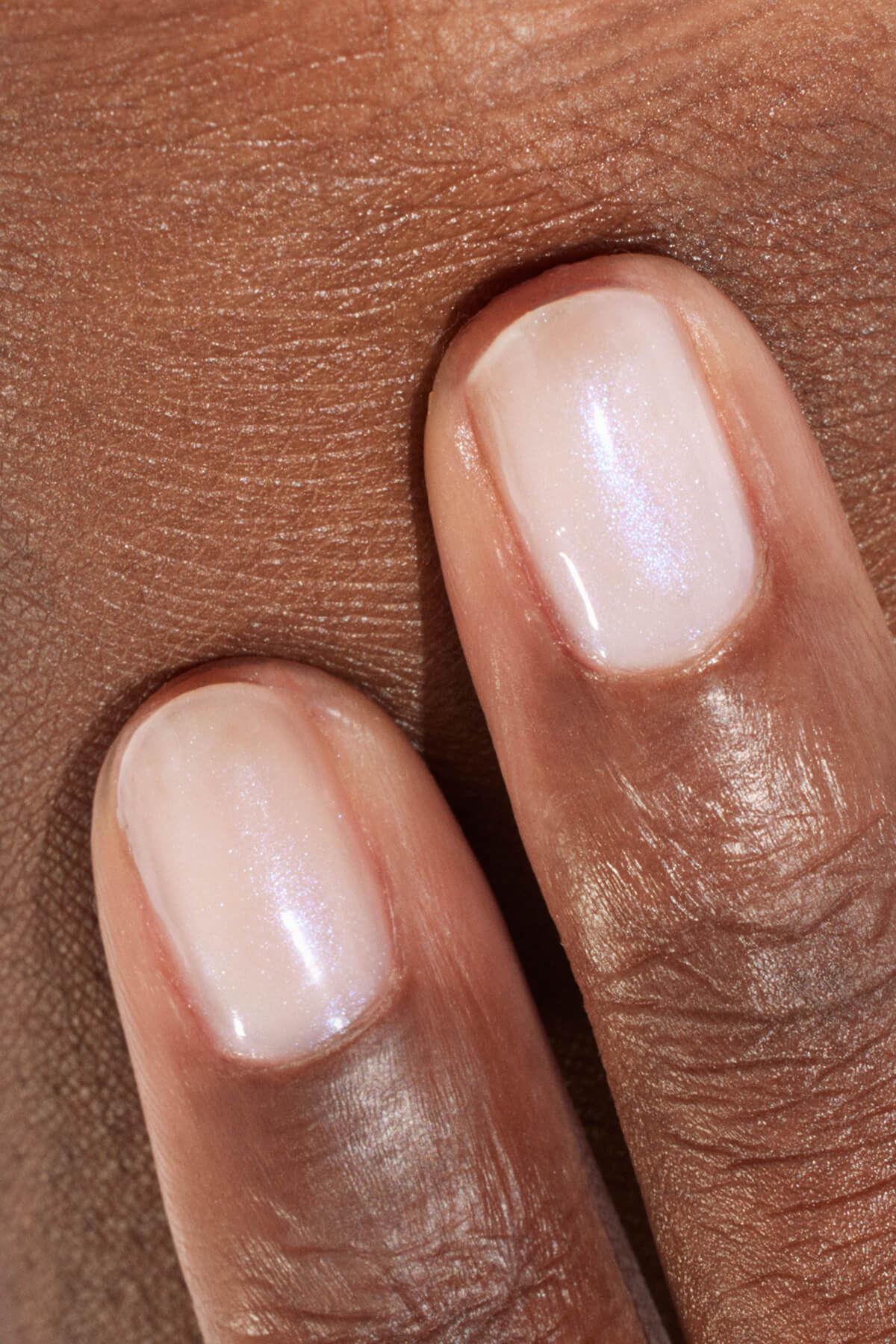
Active™ Shine Icy
For a highlighter effect and an iridescent frosty tint
Any item you are not satisfied with can be returned within 30 days.
Full refund within one week of receiving your return.
Free shipping on all orders, with no minimum purchase.