

Present in most traditional manicure routines, acetone is the most used nail solvent in the world - yet one of the least well understood. It is applied mechanically, without measuring its impact on the keratin of the nails or on the skin. Between the indisputable effectiveness of gels and semi-permanents on one side, and the risk of drying off on the other, the balance sheet is shared. It is therefore time to take stock of this solvent, so particular, what risks are involved and how to do without it.
To be noted:
- Acetone is a solvent that dissolves the polymers in the varnish in seconds.
- It remains essential for gels, semi-permanent traditional, capsules and fake nails.
- Its drying power weakens keratin and cuticles in repeated use.
- Dissolvents without acetone exist, effective on conventional varnishes and bio-based formulas.
- Varnishes Green™ and Green Flash™ withdraw without acetone or sanding.
What is acetone and what is it for?
Acetone is a organic solvent of the ketone family, naturally present in the organism in small quantity and produced industrially on a large scale. Colourless and with a characteristic smell, it is one of the most effective solvents in the beauty market. Its main cosmetic application is the removal of nail polish, but it also enters into the composition of certain household products to dissolve, degrease and clean.
Why does acetone dissolve the varnish?
Nail polish is composed of film-producing polymers (nitrocellulose, resins, plasticisers) which, when dry, form a rigid film. Acetone acts in breaking intermolecular bonds of these polymers: it destructures them and the makes it soluble, which allows to remove the varnish in seconds. This makes it so effective on the most resistant formulas.
In which cases it should be used: classic varnish, gel, capsules
On classic varnish, acetone is not essential, a soft solvent can suffice. However, it is becoming essential to remove a semi-permanent varnish or gel, whose polymer structure is very dense and impervious to light solvents. It is also necessary to remove capsules and fake nails gel or acrylic, often laid with glues or resins that only acetone can really soften. Its use should therefore be reserved for situations where the softer alternatives are insufficient.

L-acetone, the most popular product to remove nail polish.
Is acetone dangerous for nails and skin?
Acetone is not classified as a CMR substance (carcinogen, mutagenic, reprotoxic). When used in a point and external manner, there is no significant absorption by the skin. If you make one, however, frequent use, sound intense drying power can become a real risk to nails and skin. A fortiori if you suffer from chronic dermatological problems (eczema type or psoriasis) or your nails are already soft or damaged.
Effects of acetone on nails: drying, structural fragility, breakage
By dissolving the varnish, acetone will also destroy lipids in keratin. Without this greasy film that protects him, nail loses his natural defences and risk: dehydration and disorders of matrix functioning. Keratin production is altered and nails tend to become tarns, moss, brittle or striated. These alarm signals indicate that it is urgent to change your manicure routine and bring your nails with them. care to find beautiful nails that are strong and bright.
The effects of acetone on the skin: a risk of irritation?
The same is true for the cuticles, these small skins that surround the nail plate. L-acetone dissolves the protective hydrolipid film, causing a feeling of tiring, dryness and sometimes redness, particularly in people with sensitive or atopic skin.
How often can acetone be used?
Hard to say because it depends on the initial state of the nails and skin. The more the coatings and removals of varnishes without intermediate care, the less løongle is able to regenerate, the more risk of chronic fragility increase.
You are often told: it is essential to adopt a manicure routine durable using nail-friendly products and integrating time for break and nail care between two varnish applications.

Aggressive and frequent varnish deposits weaken nails and cuticles in the long run.
To be noted:
- Acetone is not classified as CMR: in one-time and external use, it is safe.
- It dissolves the lipids of keratin, which dehydrates the plate.
- Warning signs: dull, soft, brittle or striated nails.
- On cuticles: tirling, dryness and redness on sensitive or atopic skin.
- The risk increases with the frequency of layouts and withdrawals without intermediate care.
With or without acetone, how can you remove your nail polish or gel without damaging your nails?
How to use acetone to remove from traditional gel or semi-permanent varnish?
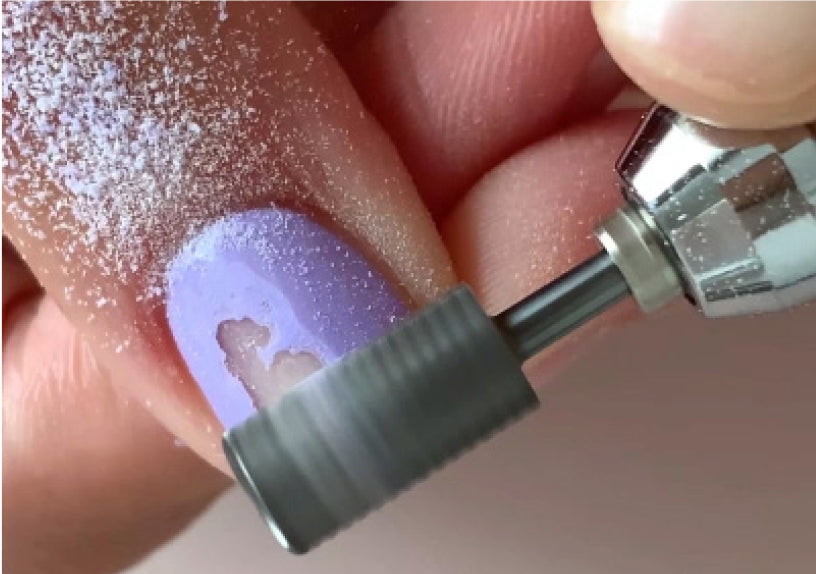
The most effective and least traumatic method of withdrawal with acetone is to mattify the top layer of the gel with a fine grain file or polish block, without reaching the natural nail. The goal? Allow acetone to soak the varnish layers to dissolve them better.
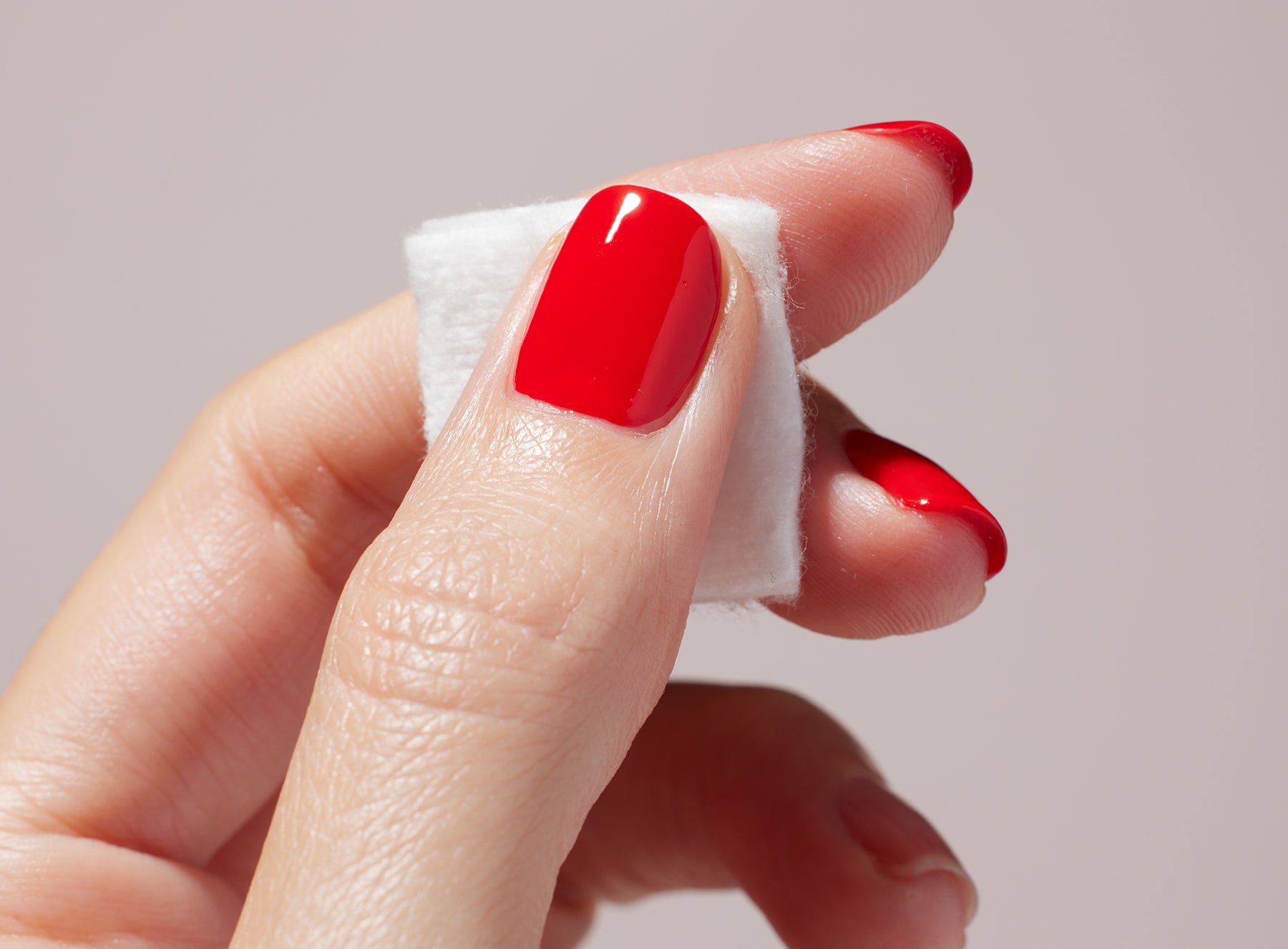
Then Impergate Cotton pieces with pure acetone that you place on each nail, then wrap the tip of the finger in a aluminium papillot to keep in touch. After 10-15 minutes, take off the gel with a wooden stick, without forcing.
⚠️Do not scratch the residue, you may alter the keratin layers. If gel residues are resistant, renew the application of acetone.
A few simple gestures significantly reduce the impact of acetone:
- Protect the skin around the nails with a cream or vaseline before application.
- Work in a well ventilated space At high concentration, acetone vapours can be irritating to the respiratory tract.
- Do not exceed recommended installation time, at the risk of worsening drying without further gain.
- Apply cuticle oil immediately after withdrawal to compensate for lipid loss.

If using d-acetone, prevent the drying of nails and cuticles.
Soft solvents without acetone: are they really effective?
Acetone-free solvents are mainly based on alternative solvents such asEthyl acetate. Their strong point: they attack keratin less lipids than acetone, which more preserves the flexibility and hydration of the nail. Many formulas also incorporate vegetable oils to compensate for the drying effect inherent in any solvent.
Their actual efficiency depends, however, on the type of varnish to be removed:
On one classic varnish without gel finish, with a slightly longer laying time than with acetone.
On one semi-permanent traditional varnish, UV gel or acrylic resin.
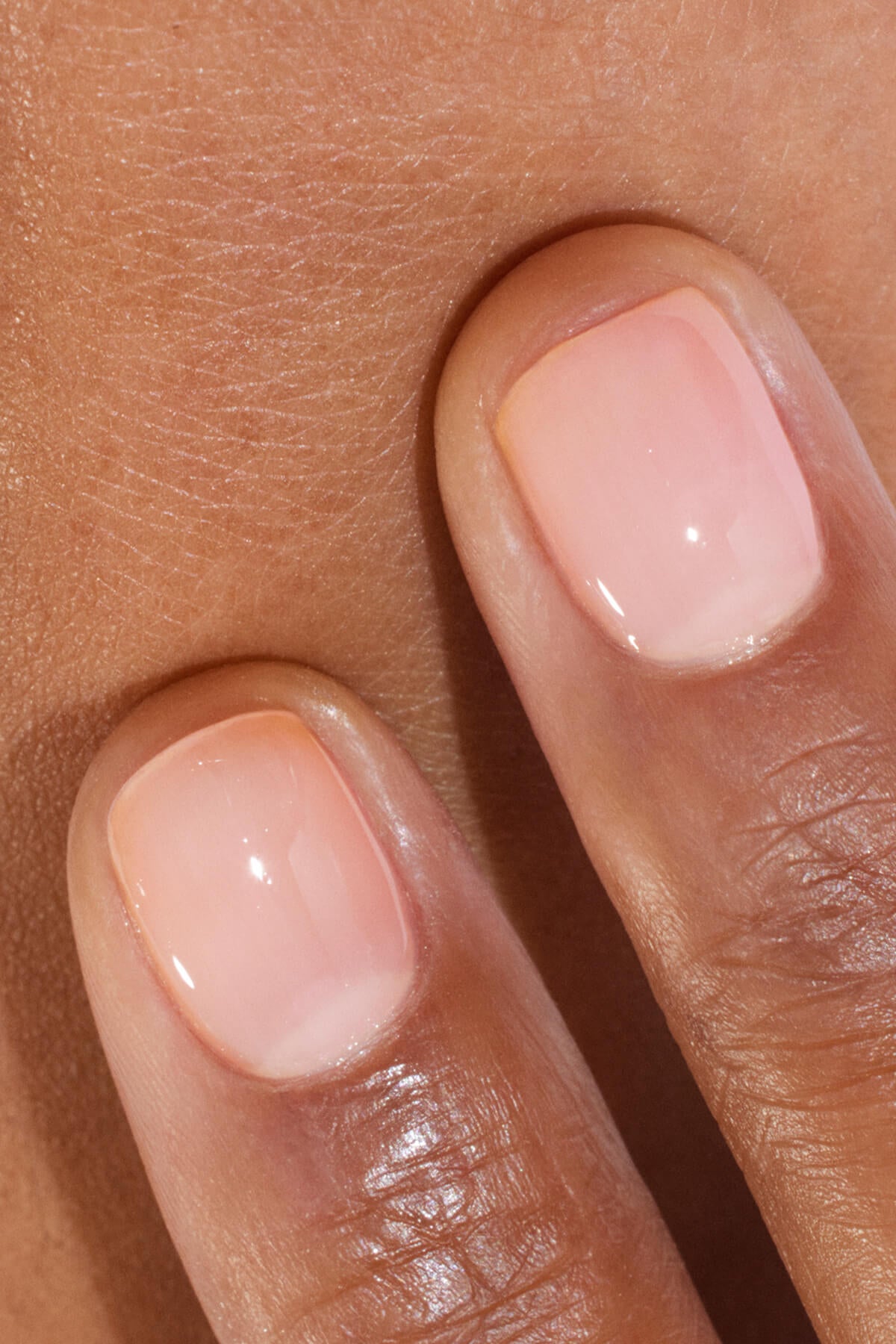
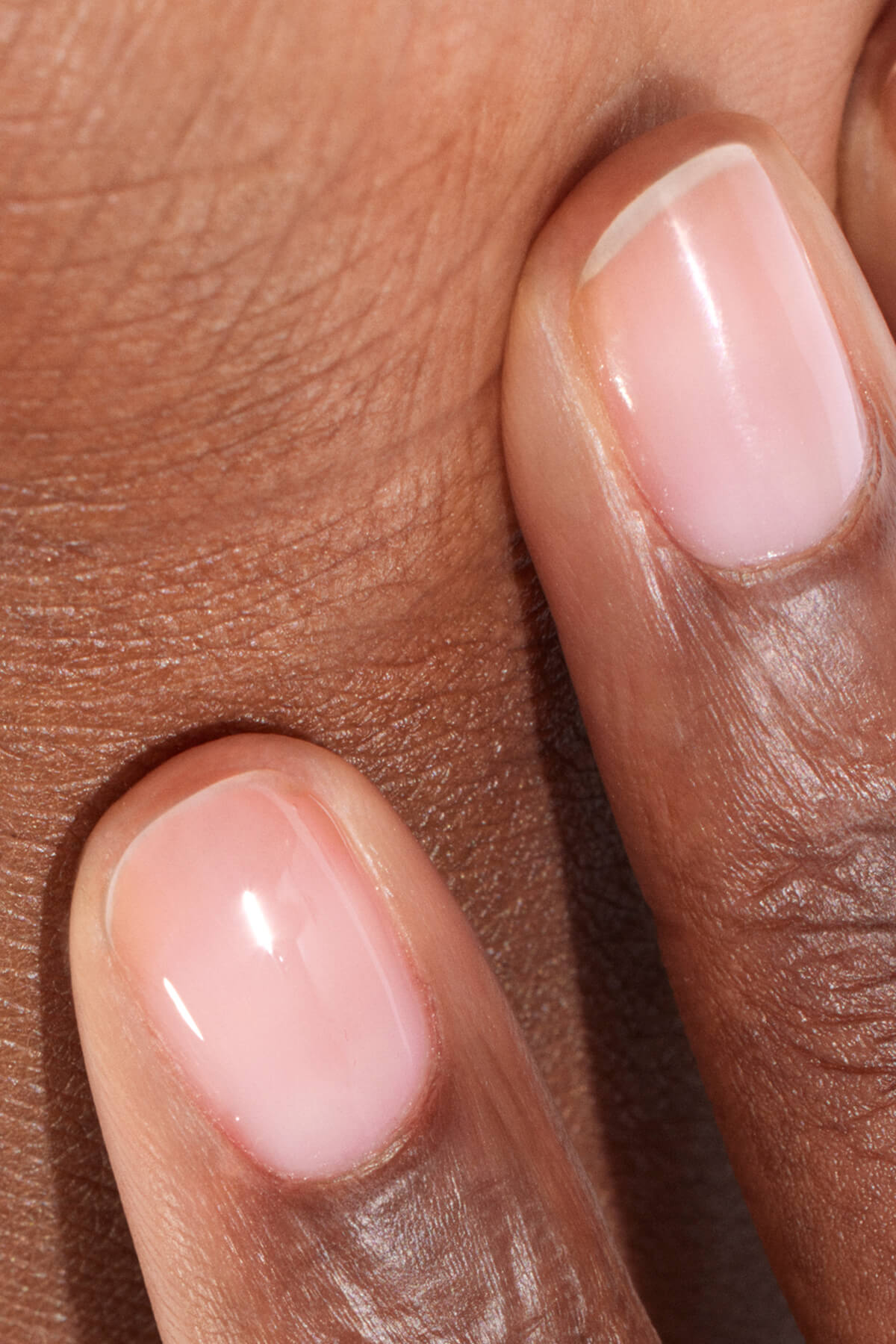
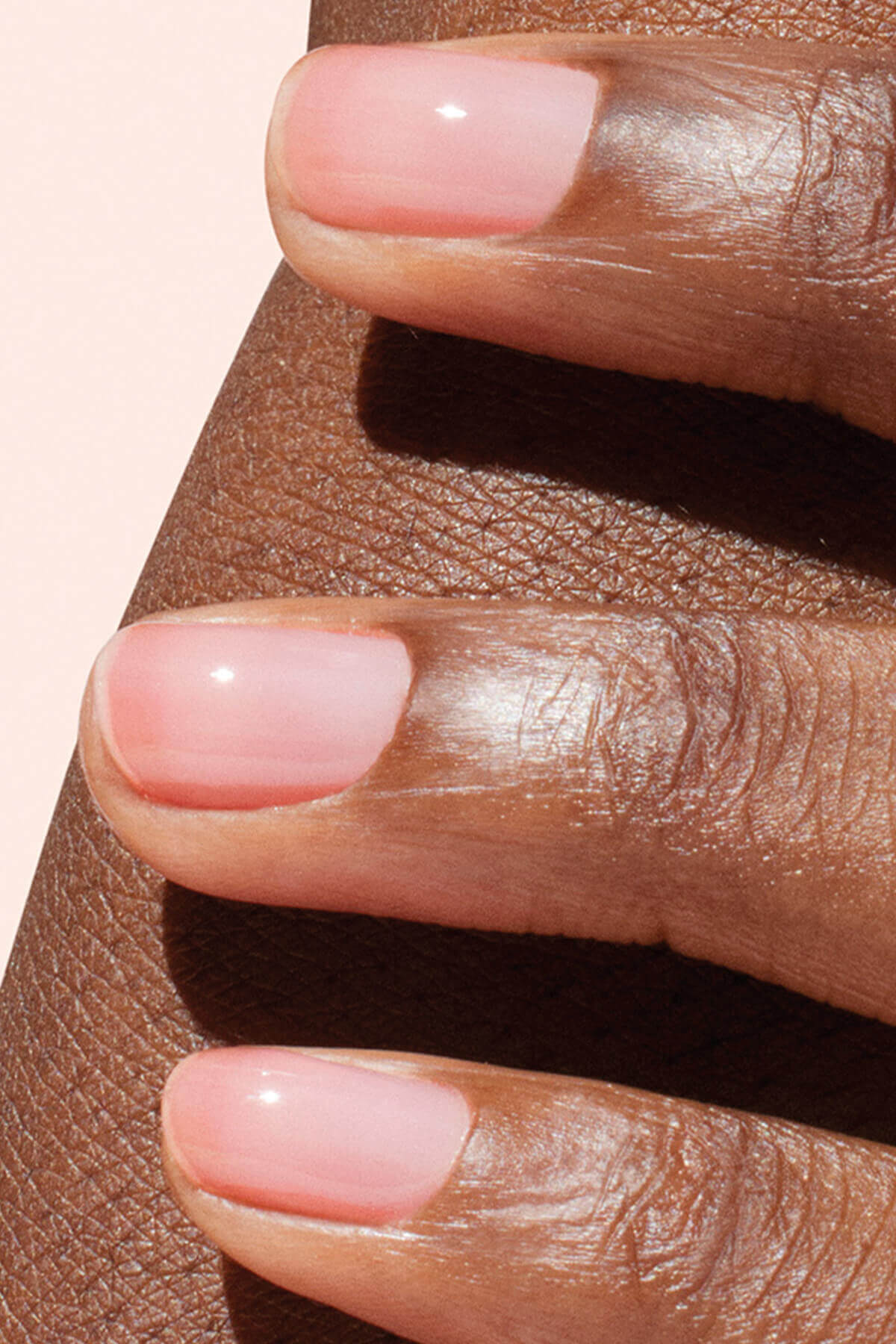
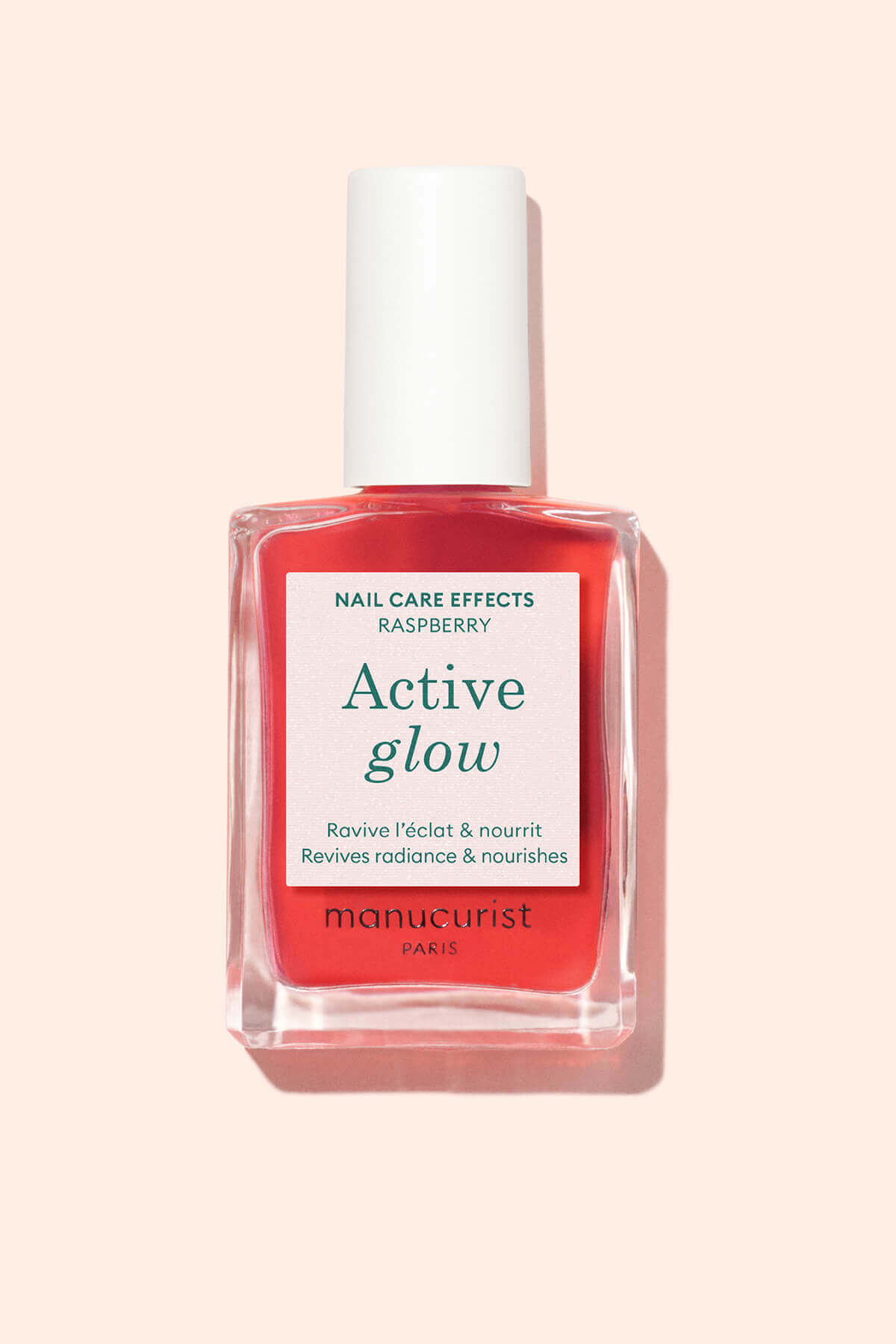
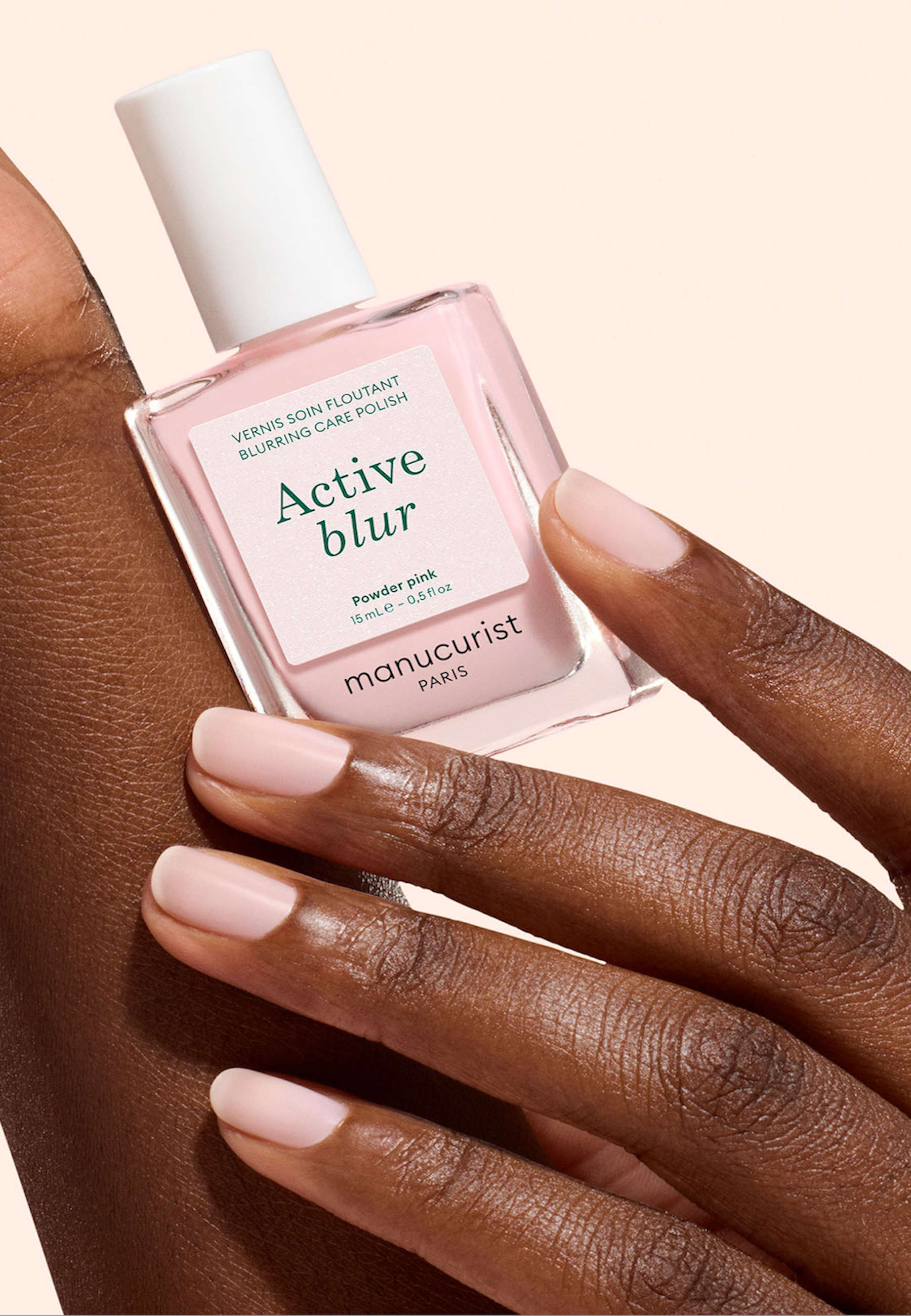
On the bio-based varnish formulas such as nail polish Green™ and semi-permanent varnish Green Flash™ of the Manucurist . Thanks to their composition, largely natural, and not synthetic, these new generation varnishes free from aggressive removal methods such as l'acetone and sanding that weaken nails.

With Green Flash™ , discover the pleasure of removing its varnish in peel-off.
The Dissolve Green Flash™, 96.5% bio-sourced, without acetone and enriched with castor oil, allows to deposit all Manucurist varnishes smoothly and gently Only 1 minute (10 minutes for the Top Coat Xtrem Flash™), while moisturizing the plate. Result: one natural nail perfectly preserved, without any sign of alteration or drying.
Find all the solvents Manucurist on our dedicated page.

How to repair acetone sensitized nails?
The best care to feed nails and cuticles
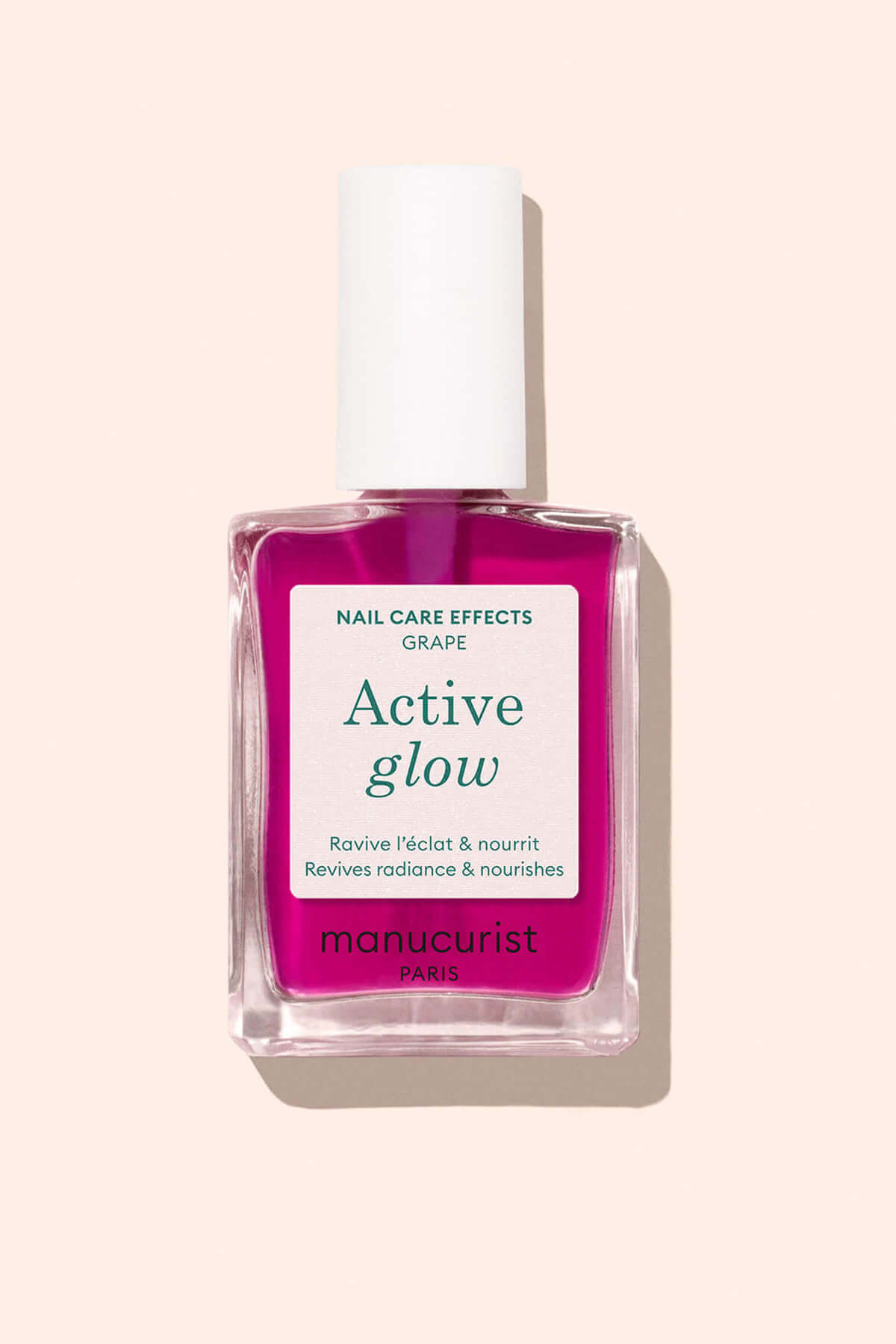
Nails that have undergone repeated l-acetone varnish removals are often dehydrated. The priority is therefore to restore their lipid and water balance. For this a restorative routine combining Base S.O.S. and Mask S.O.S. allows deep rehydration and revitalisation of contours in 2 weeks.
At the beginning of each week, you can cut and matt your nails with a fine grain file and a polishing block. Then apply the S.O.S. Base. Every other day without makeup removal. At the end of the week, remove the layers with a little soft solvent and apply the S.O.S. Mask before bedtime. You keep it all night. Remove it in peel-off the next morning or with a little soapy water if the film does not take off from itself.


Care containing nourishing vegetable oils, plant keratin, biotin or vitamins C and E also supports the regeneration of nails and cuticles. You can therefore add to your restorative treatment complementary care such as:
- L-l-l-Green oil, apply daily massage on nails and cuticles.
- The Keratine Boosterapply 1 to 3 times a day for 7 days, allowing to dry until the product is fully absorbed.
- The Perfector concentrate, to be applied on demand for intense and continuous hydration.


Acetone is not an annoyant product and it is a matter of using it with discernment. The main thing is to adopt the right reflexes, namely:
👉 only when it is really necessary, to remove faux gel or acrylic nails or semi-permanent varnish,
👉 not too often to limit the drying effects,
adopt a soft manicure routine and respectful of nail health.
To be noted:
- Acetone is not classified as CMR: in one-time and external use, it is safe.
- It dissolves the lipids of keratin, which dehydrates the plate.
- Warning signs: dull, soft, brittle or striated nails.
- On cuticles: tirling, dryness and redness on sensitive or atopic skin.
- The risk increases with the frequency of layouts and withdrawals without intermediate care.