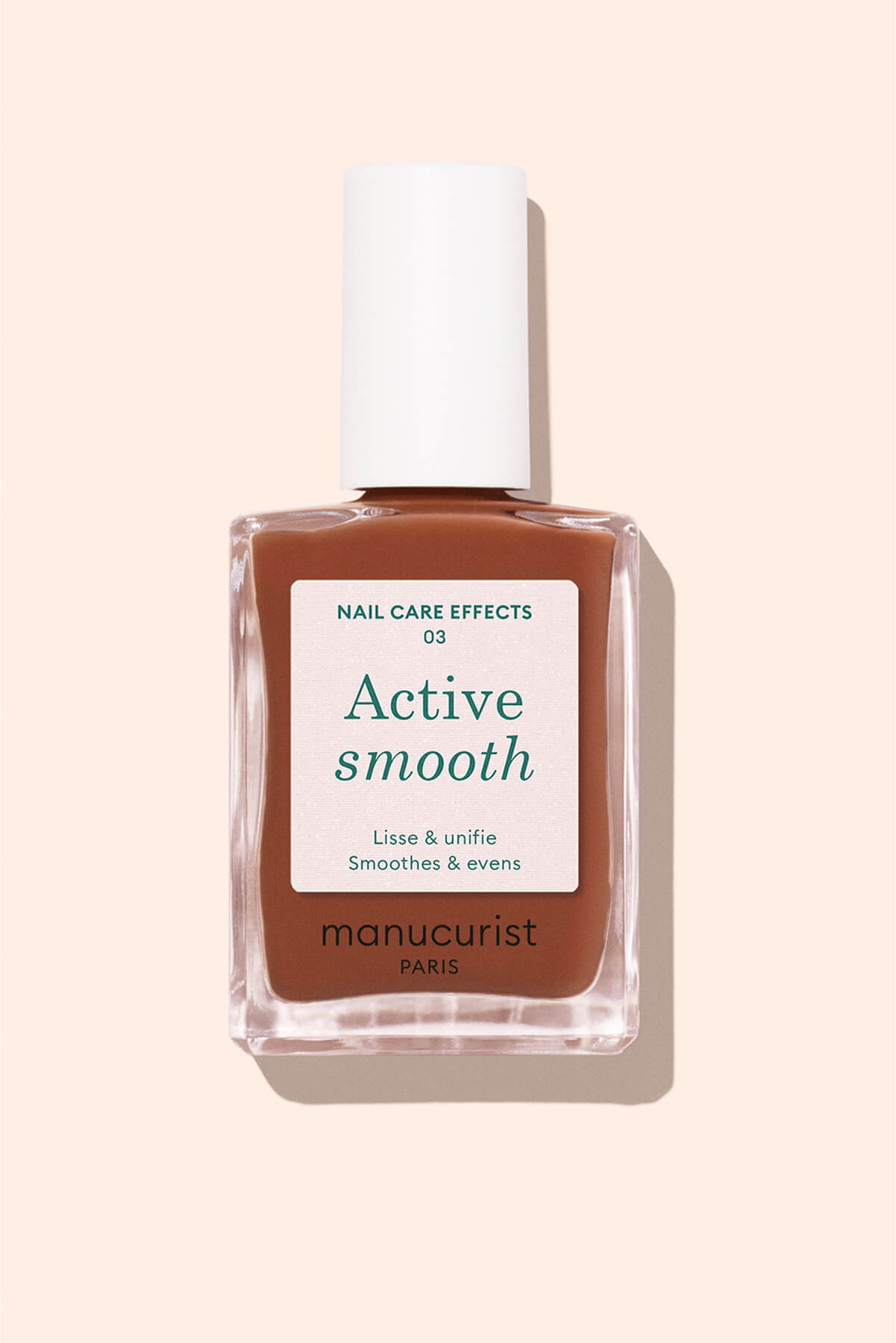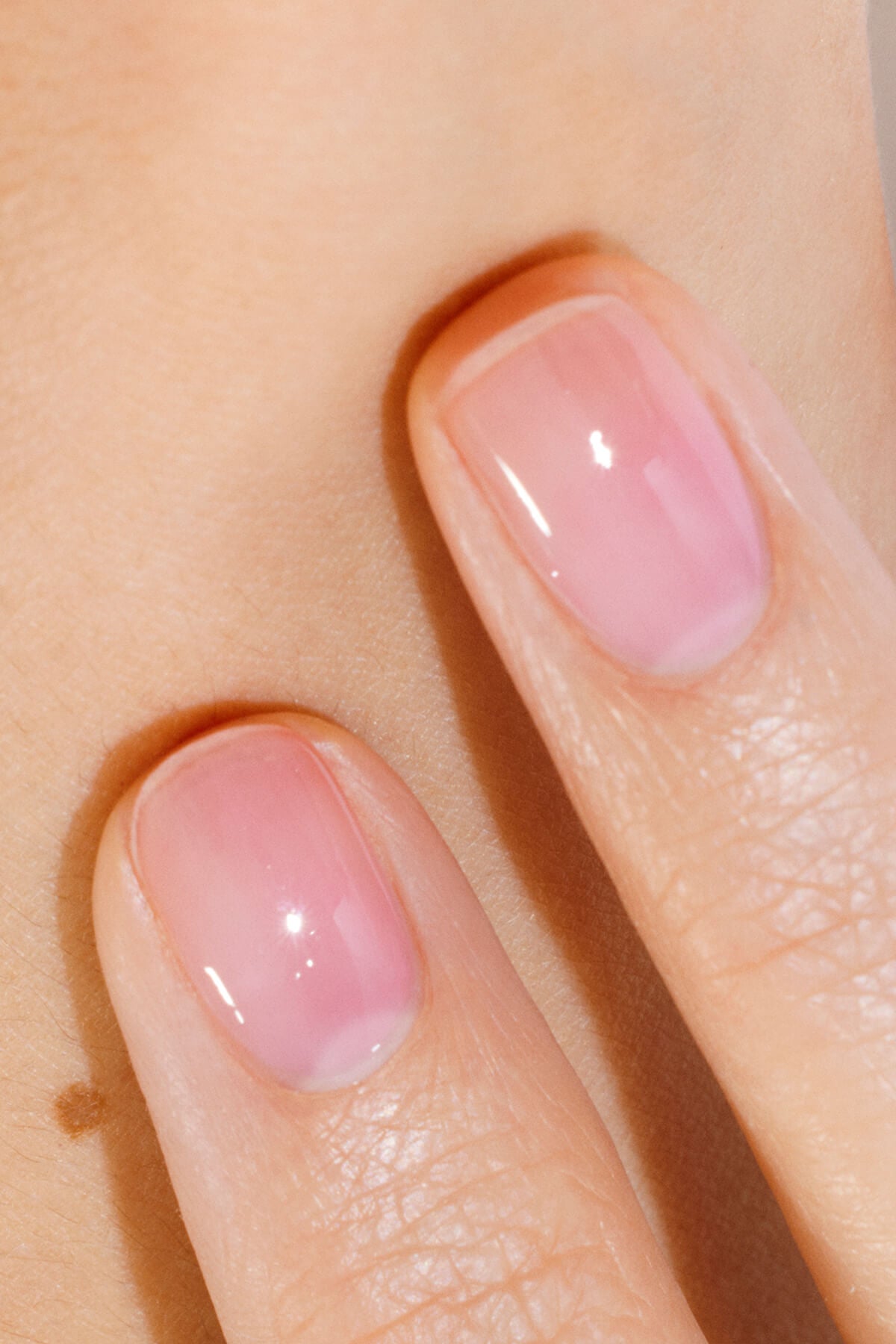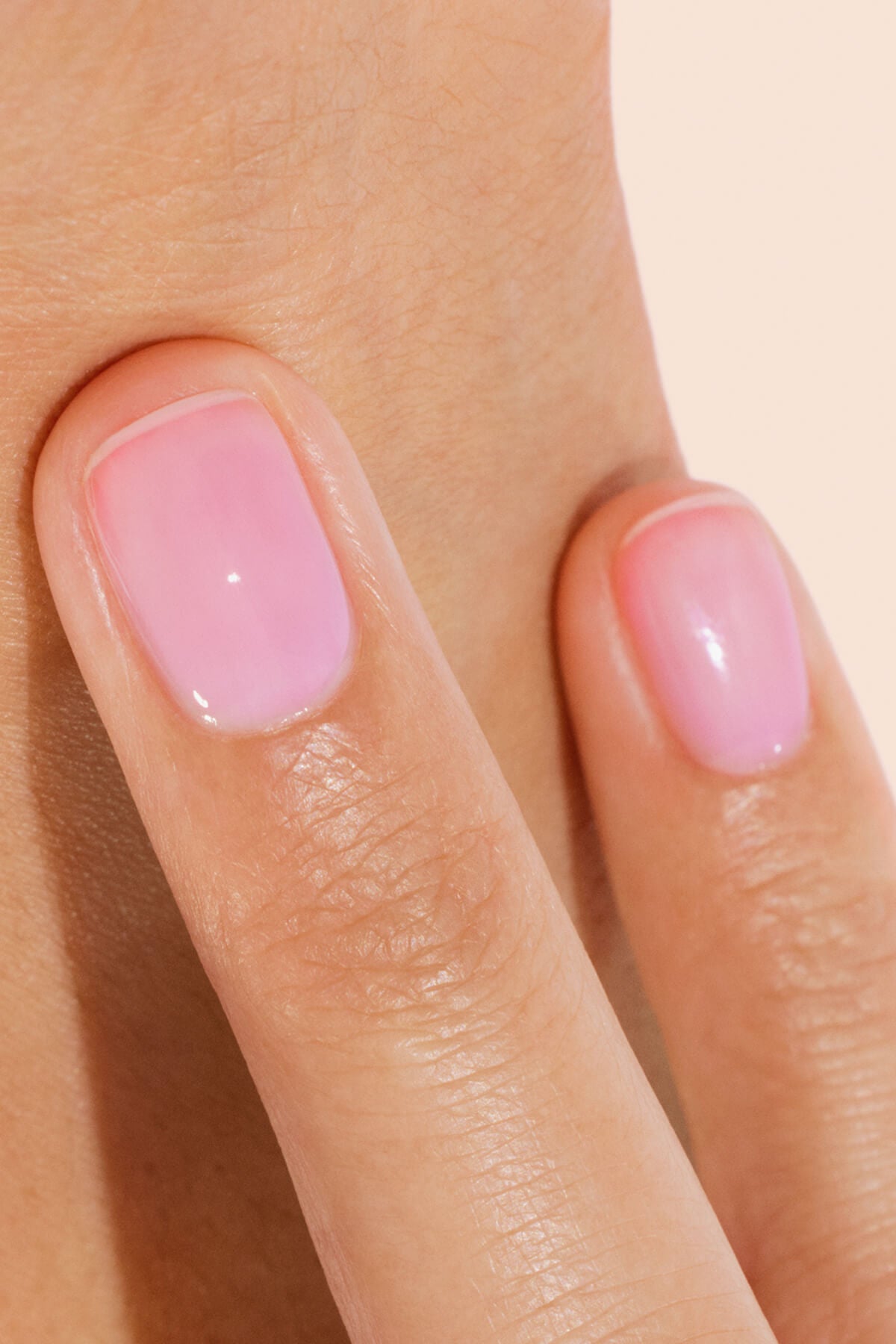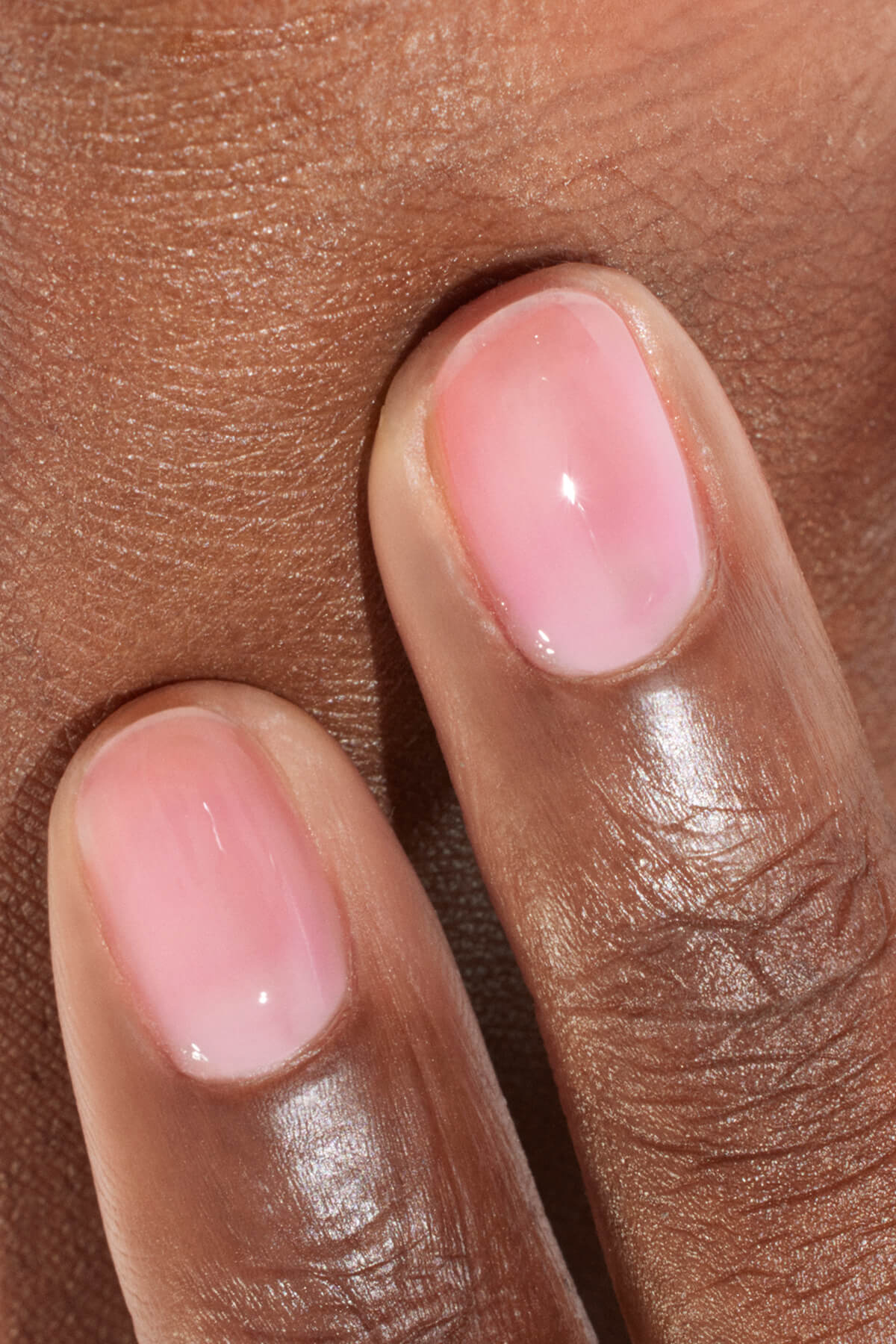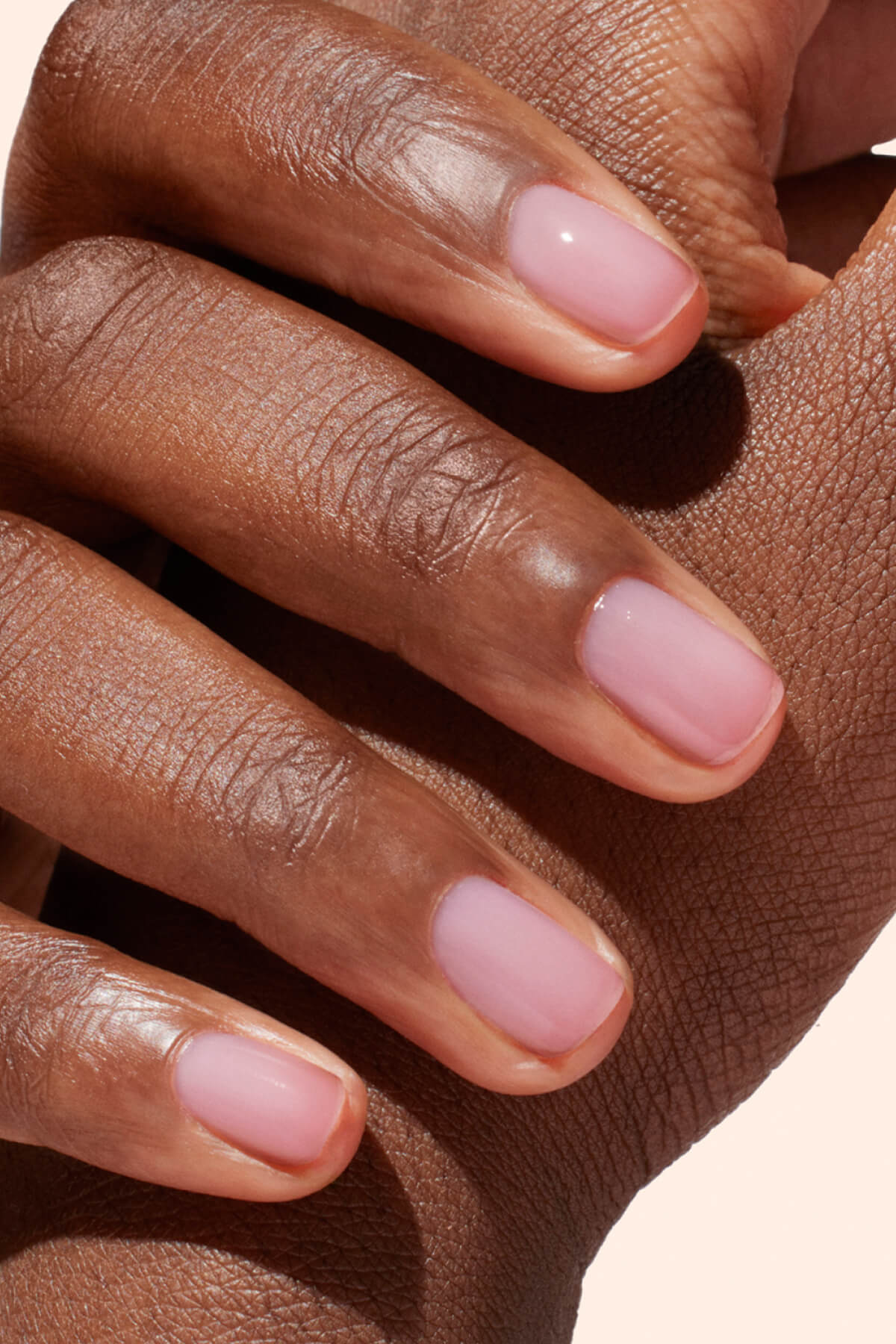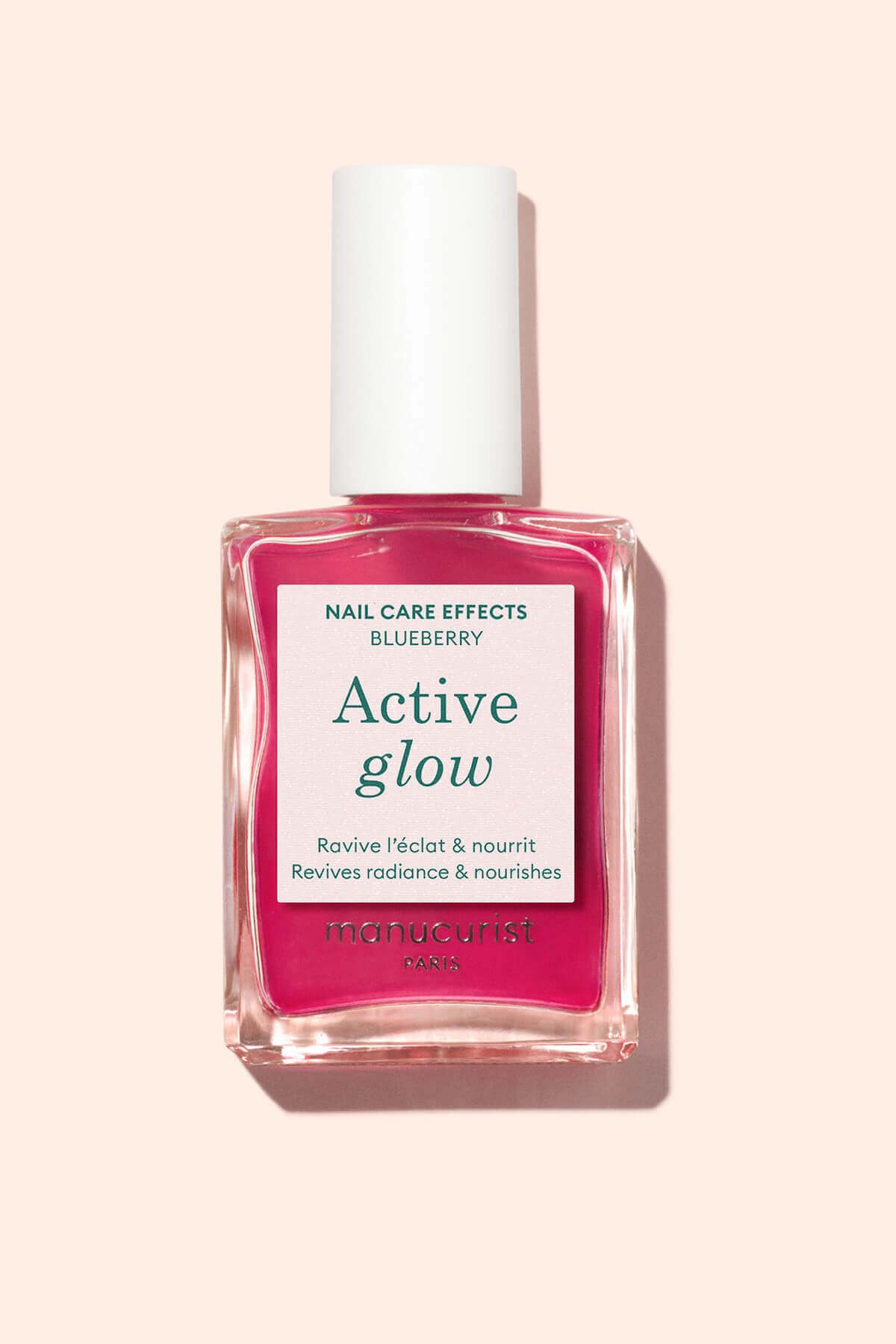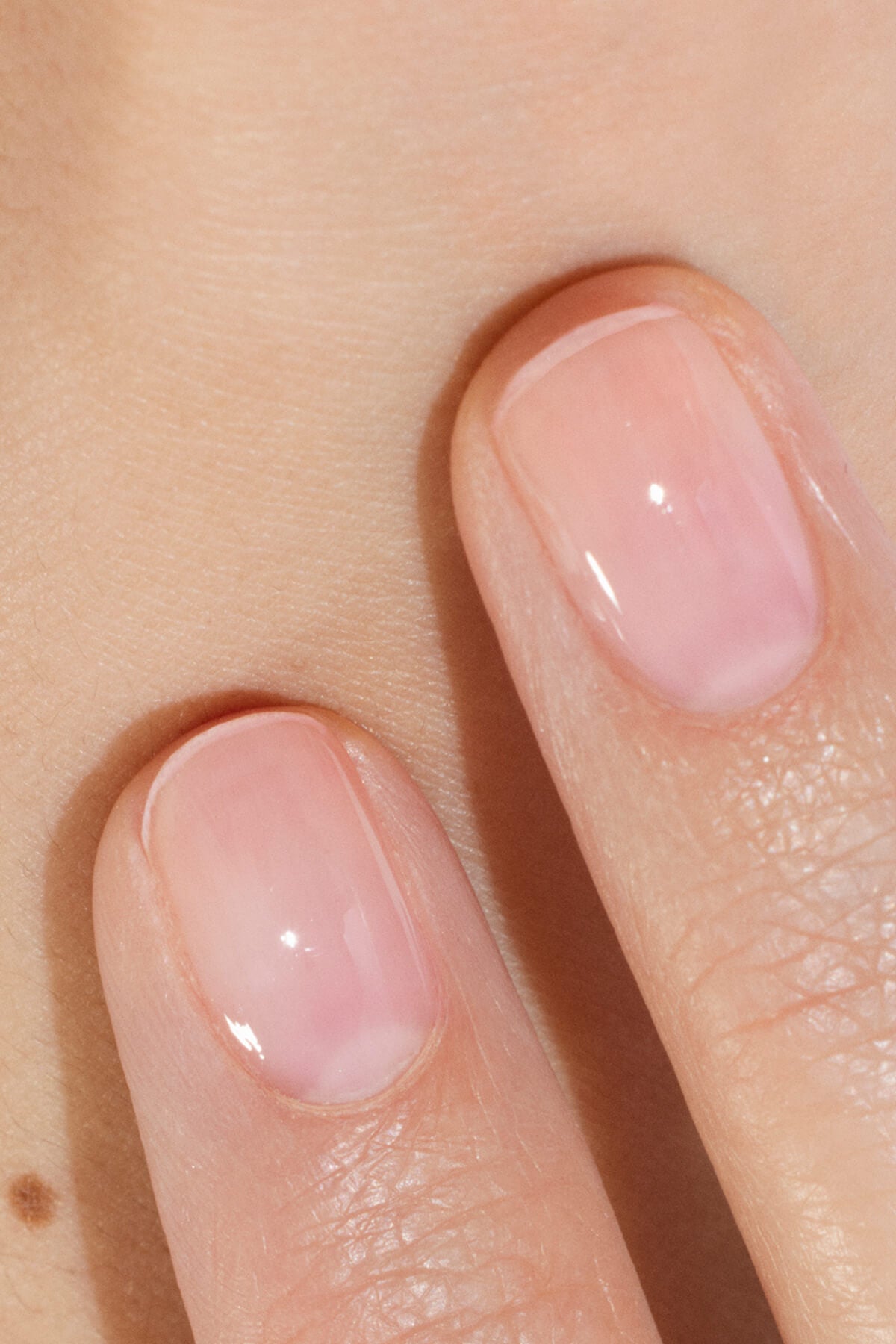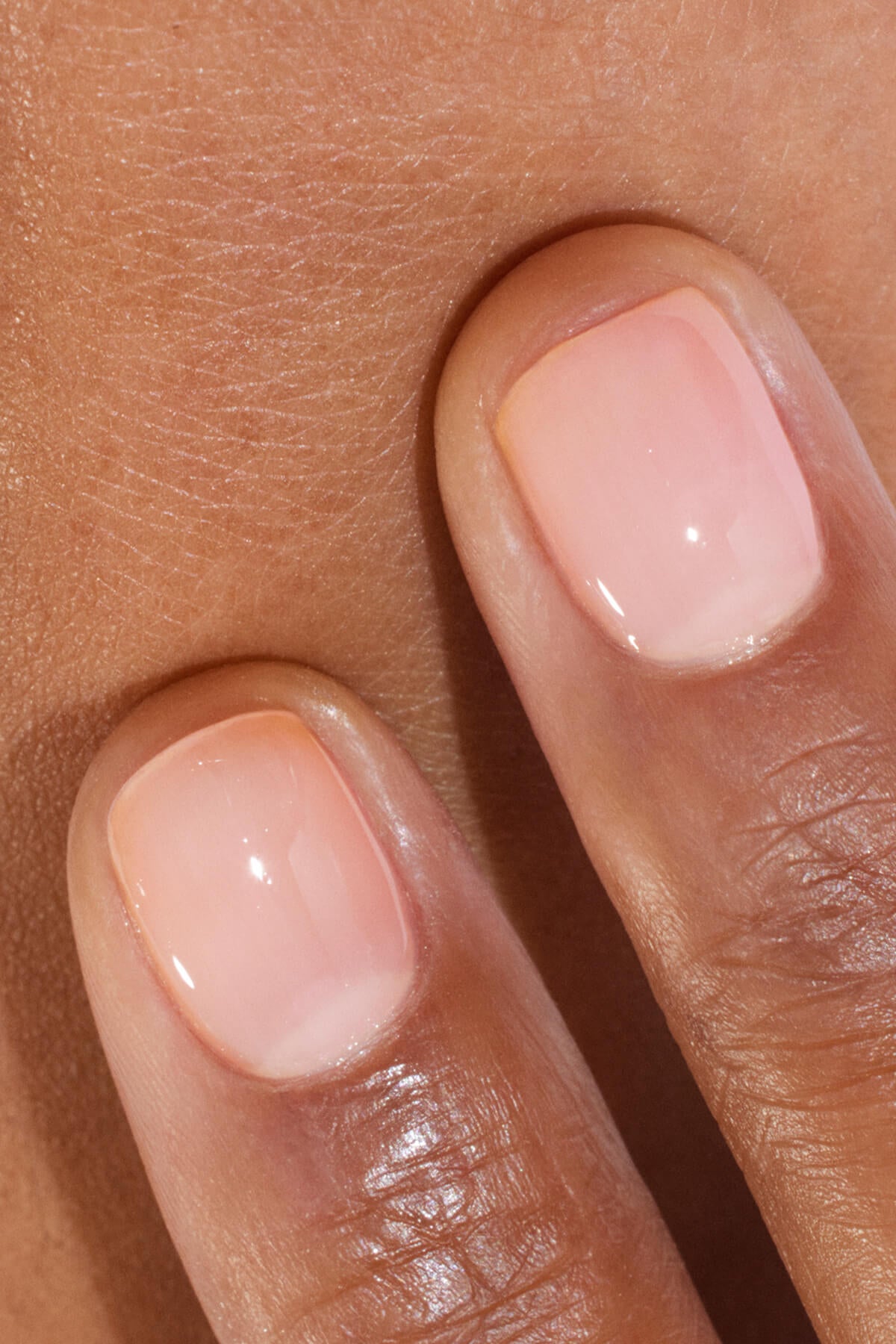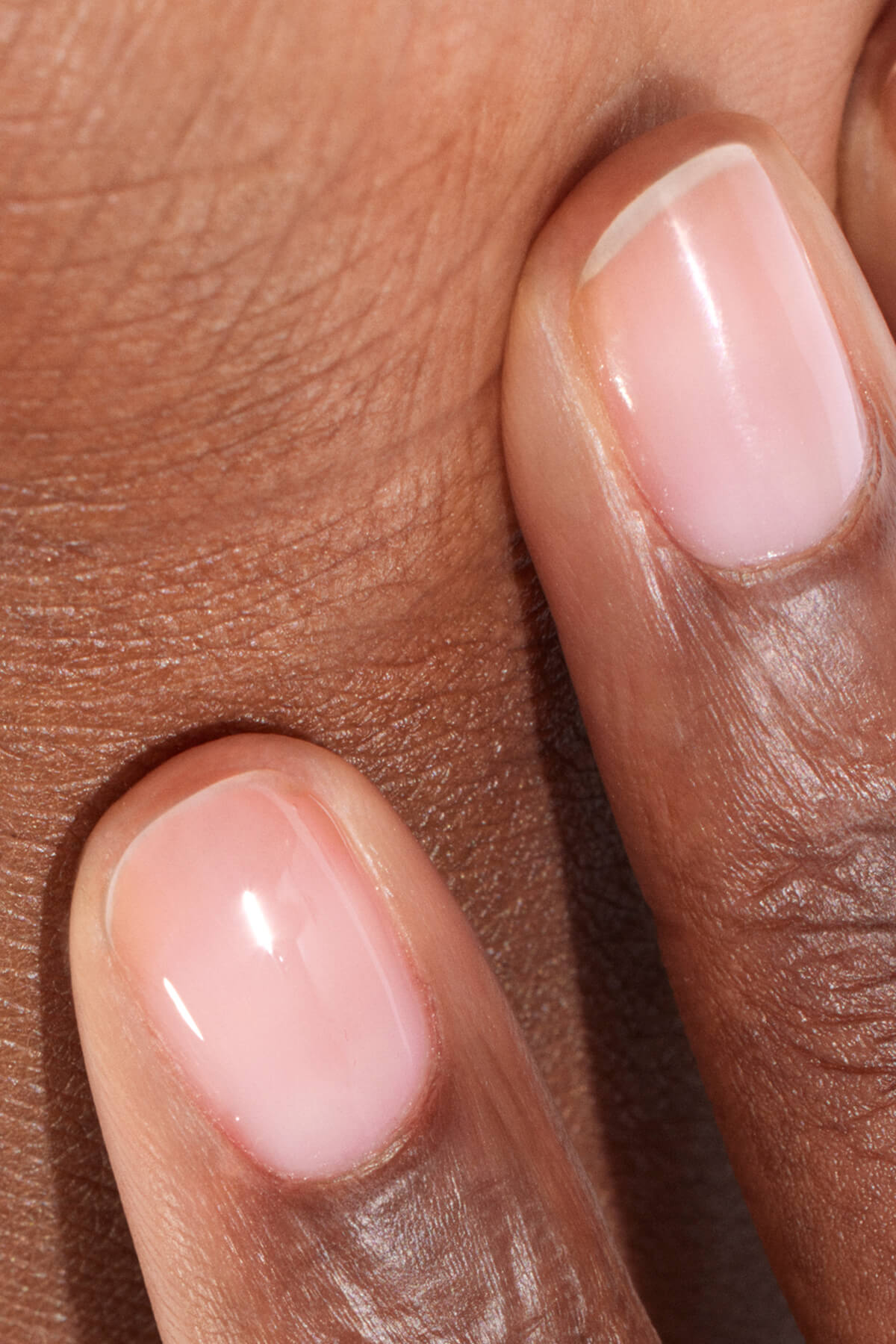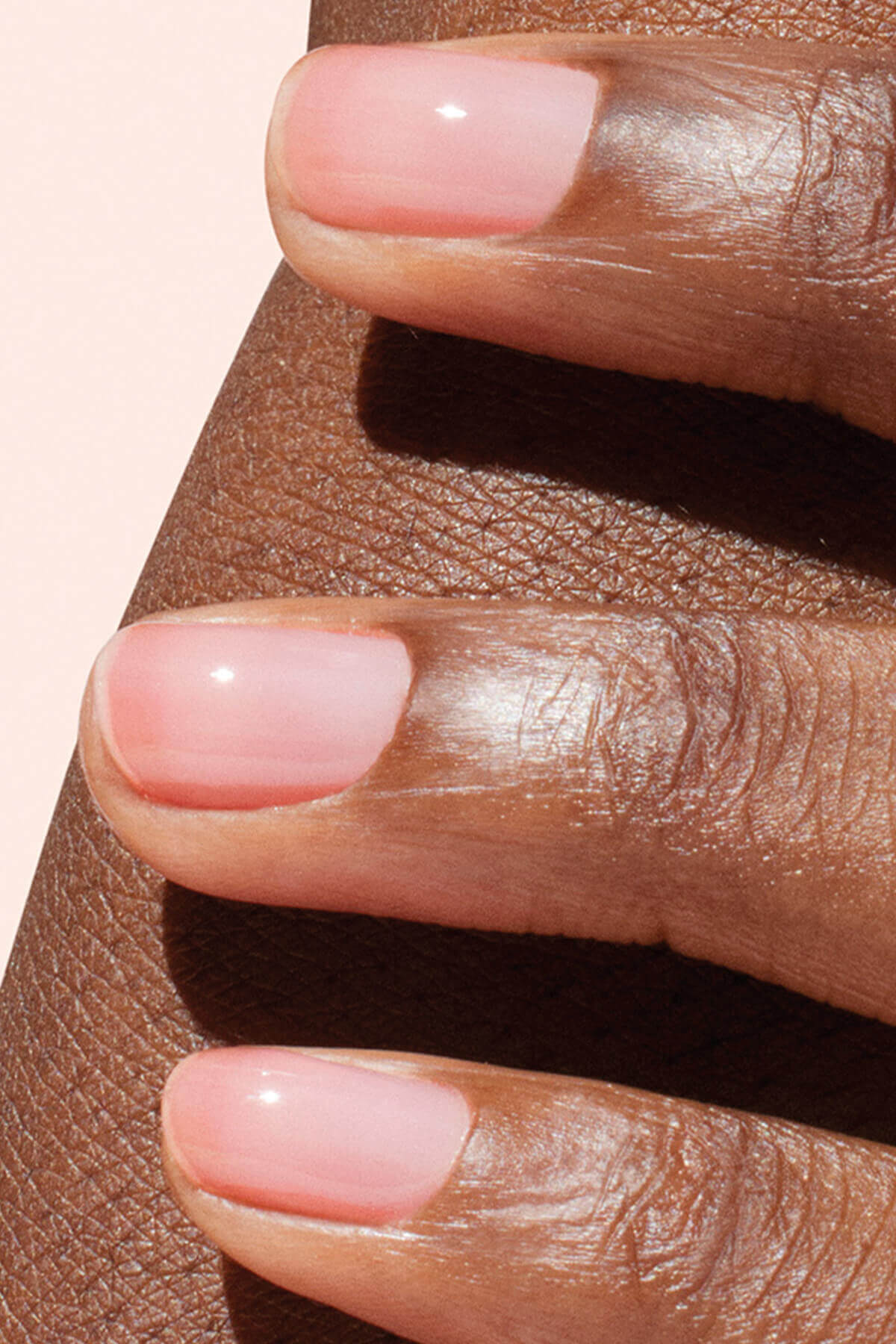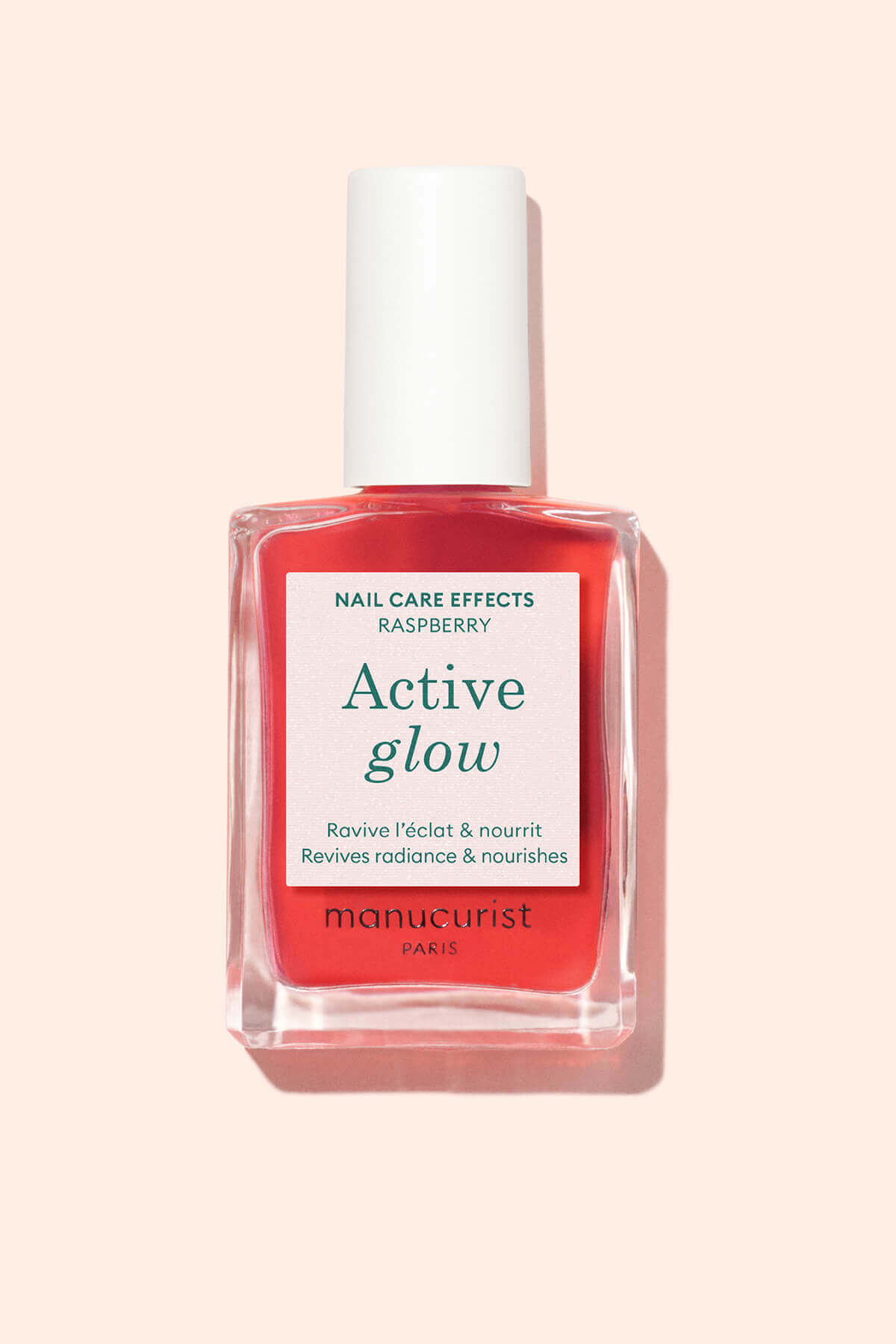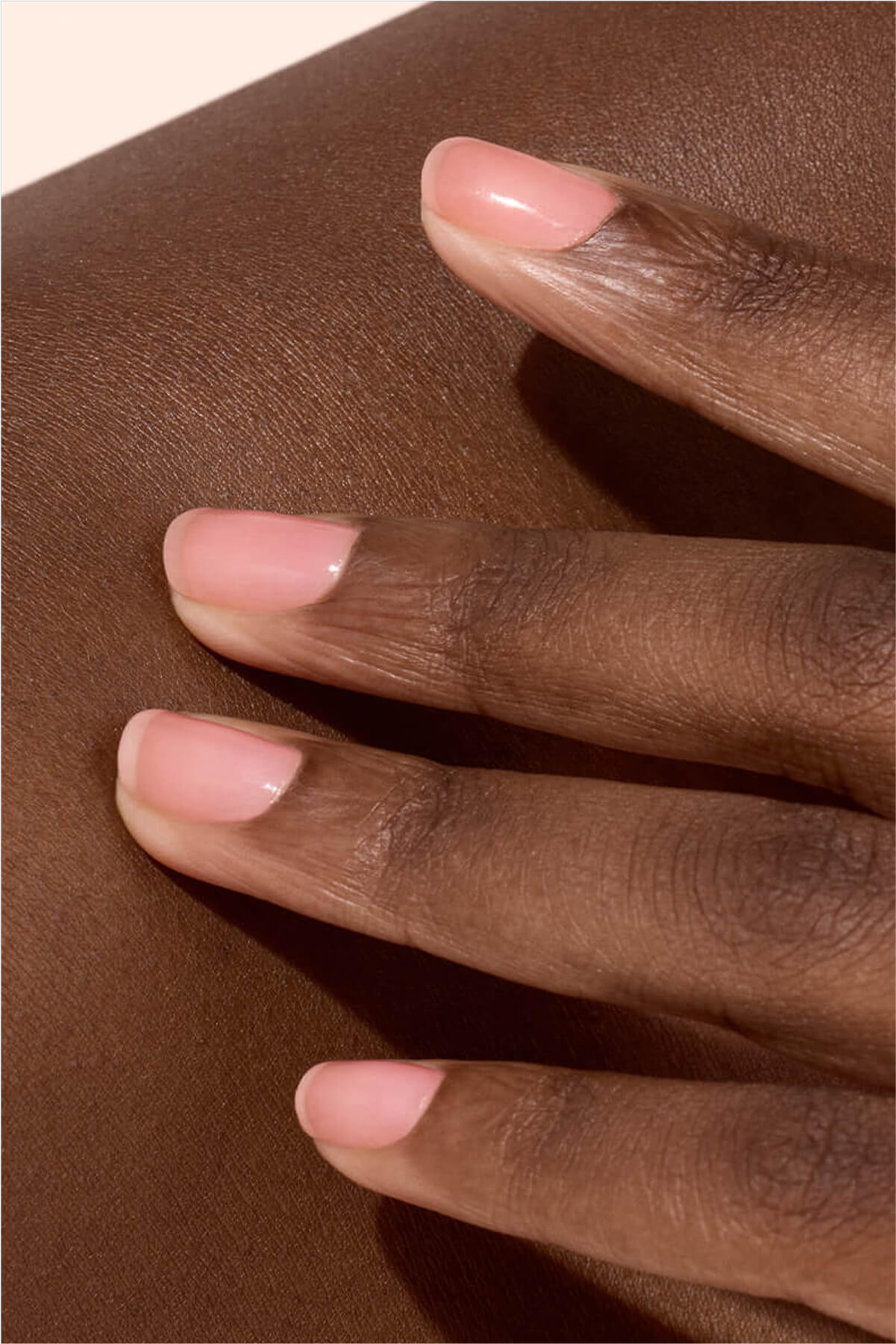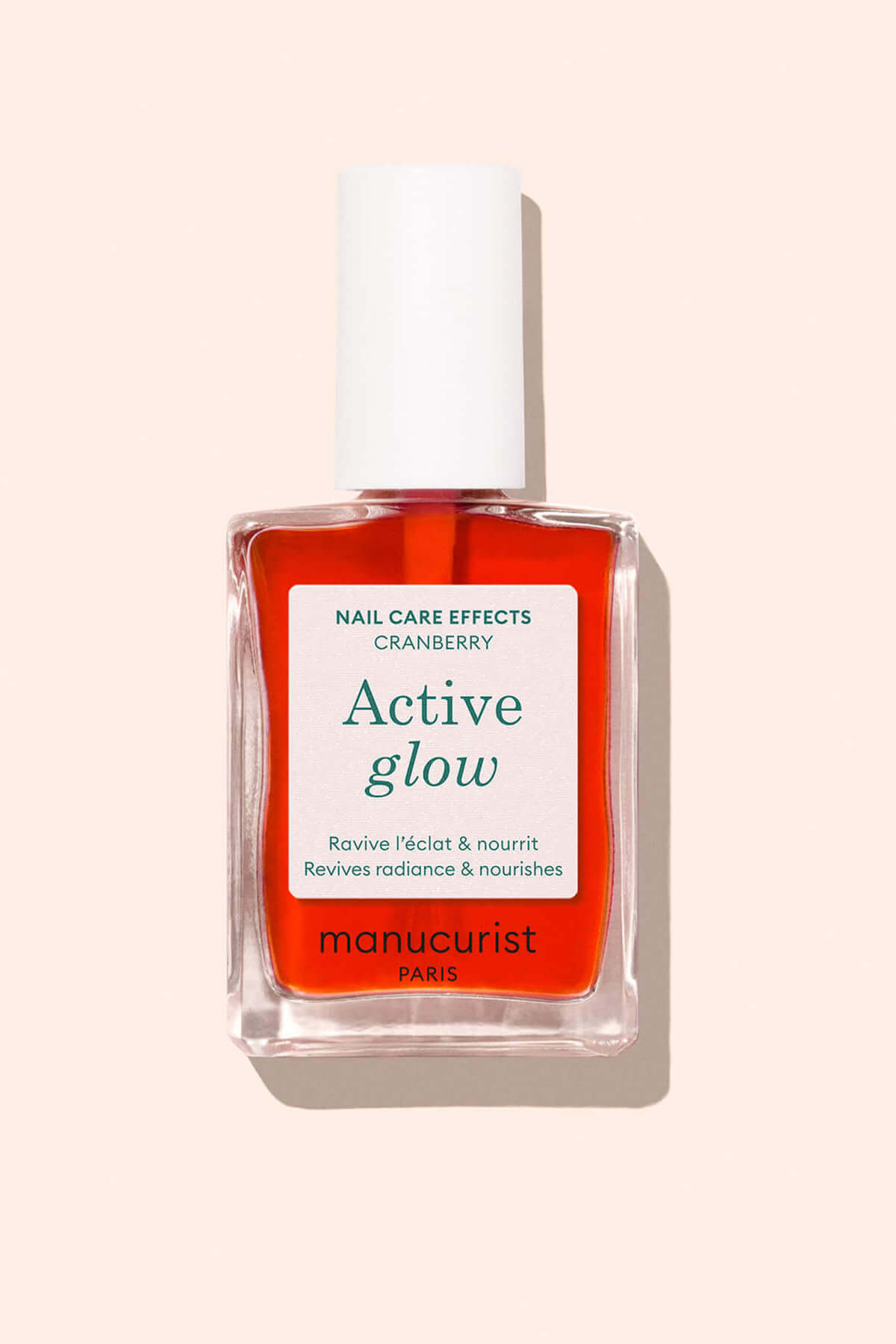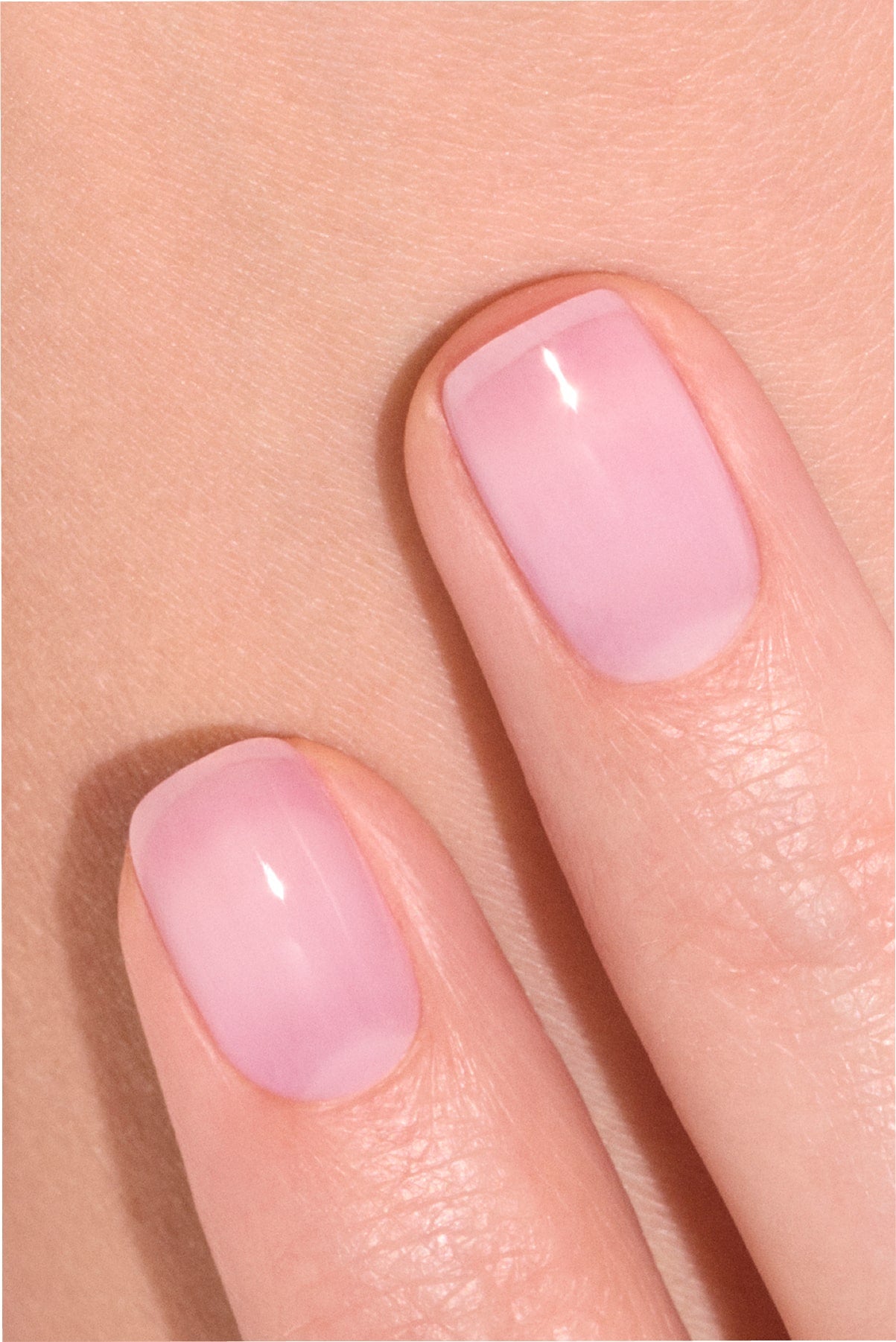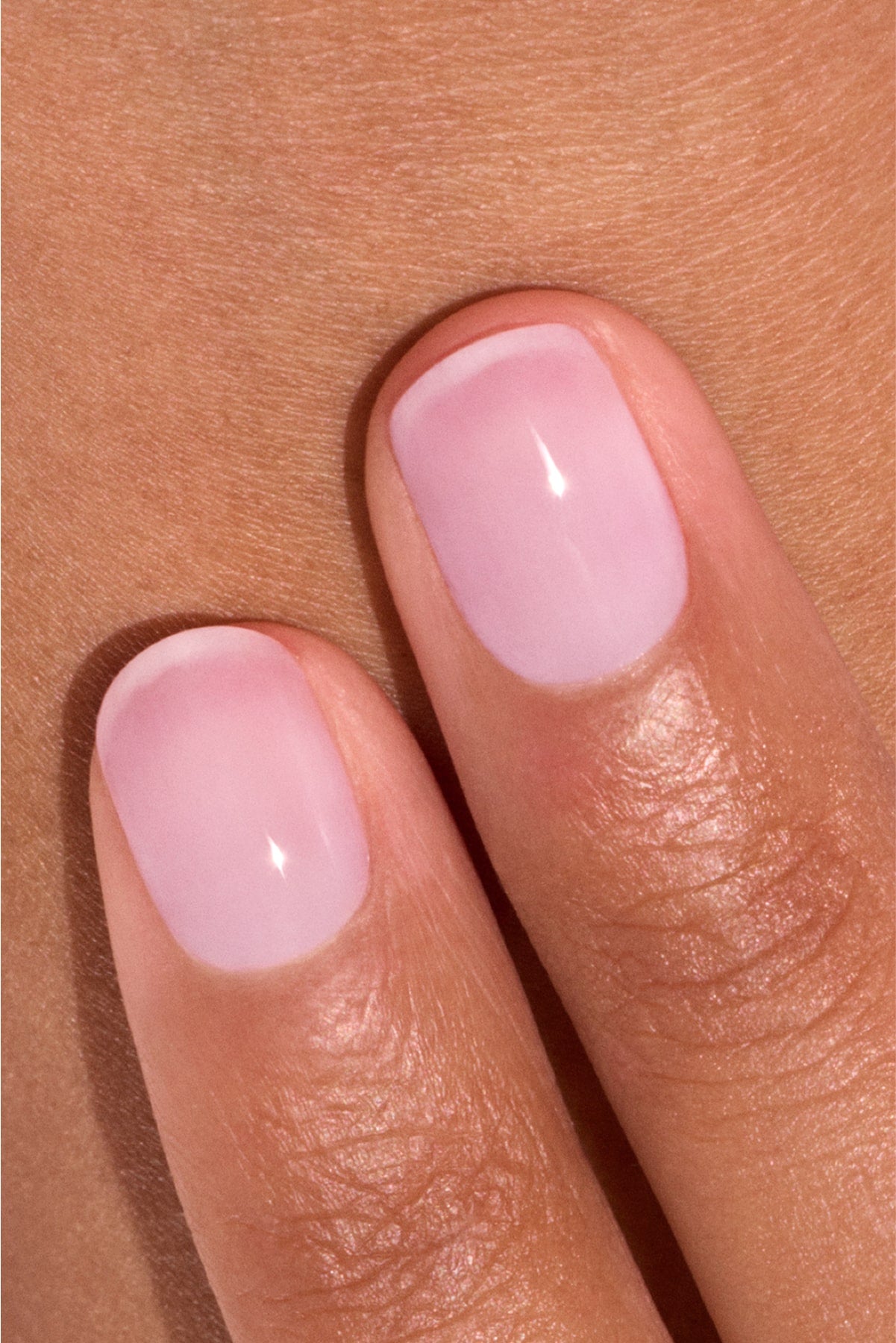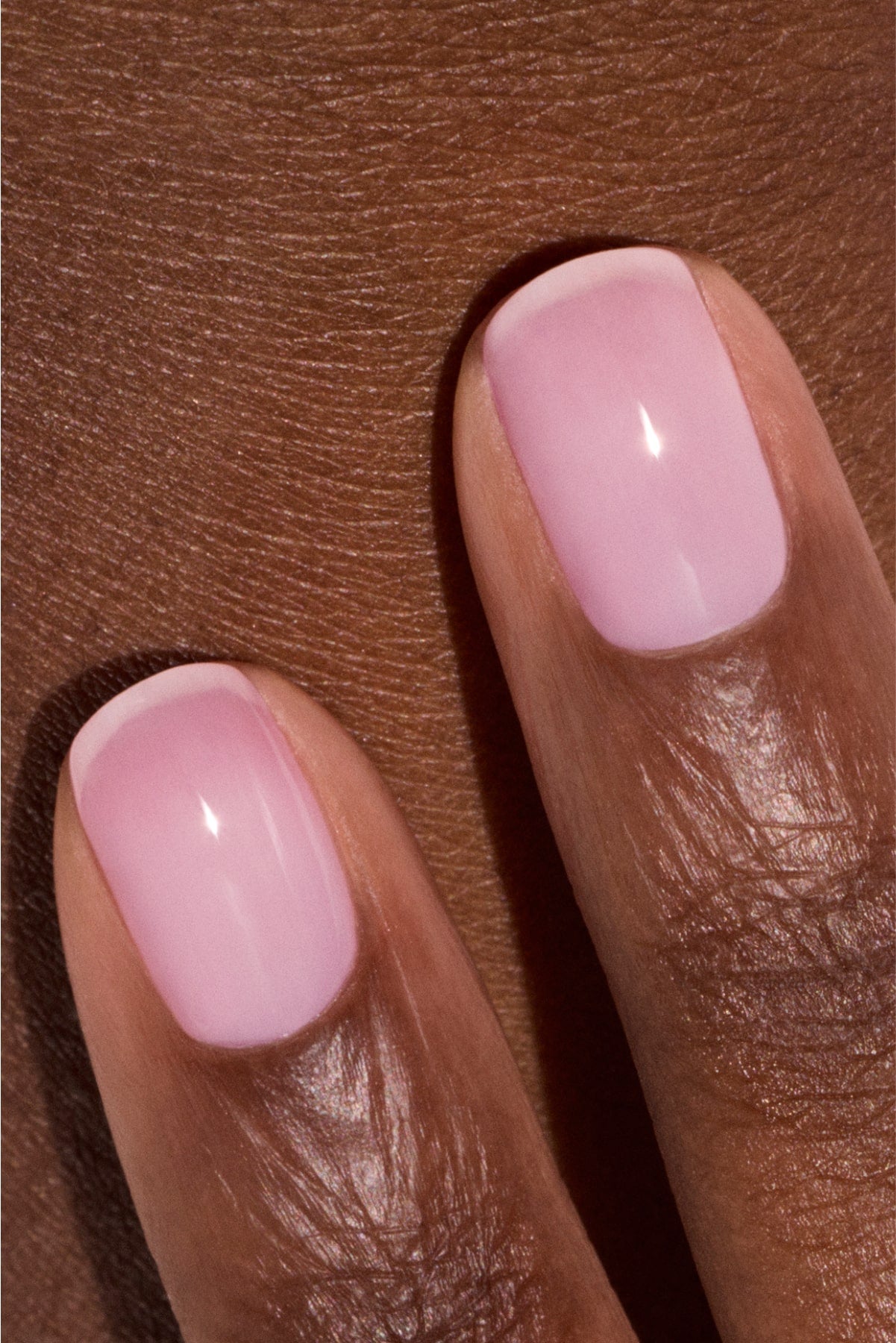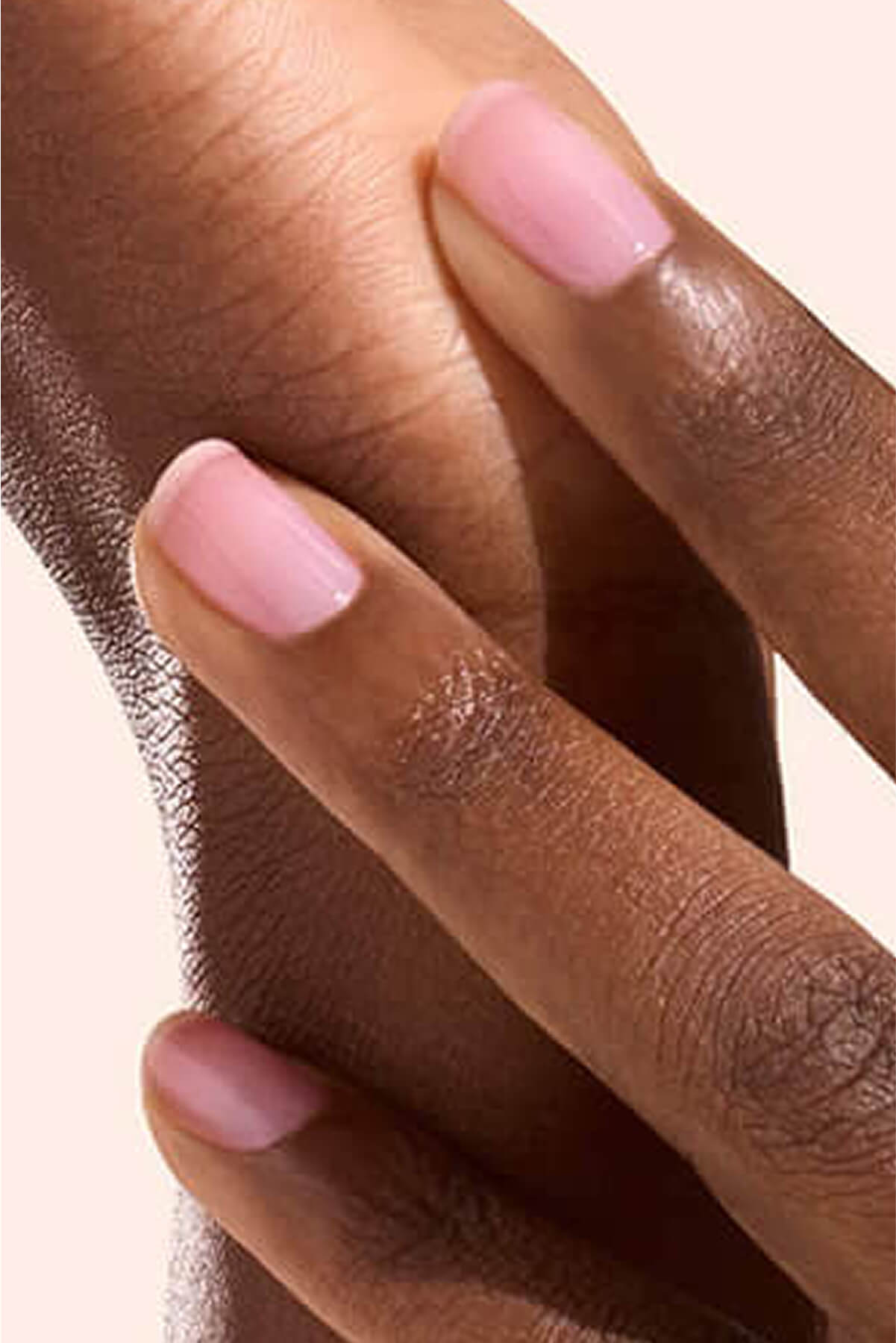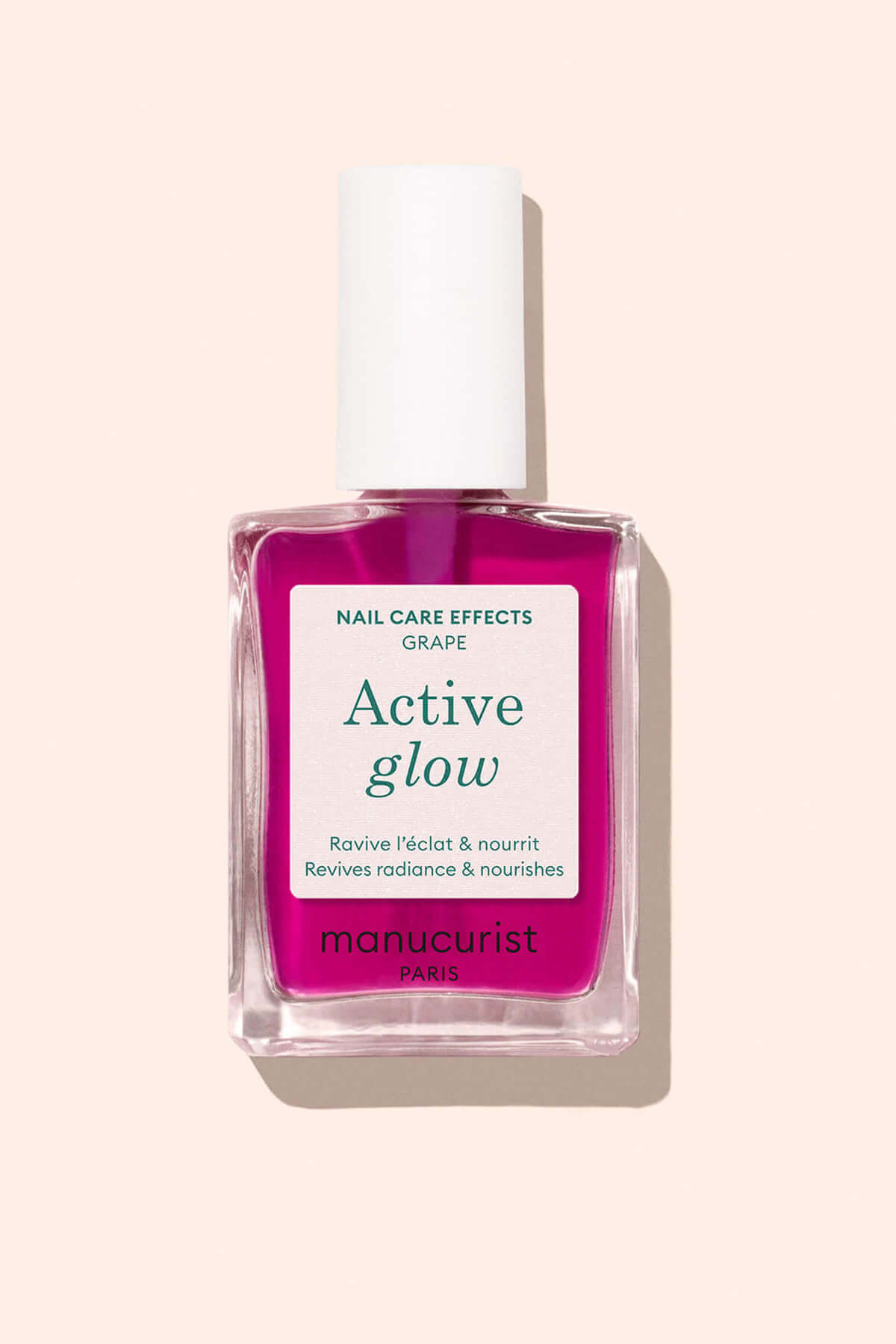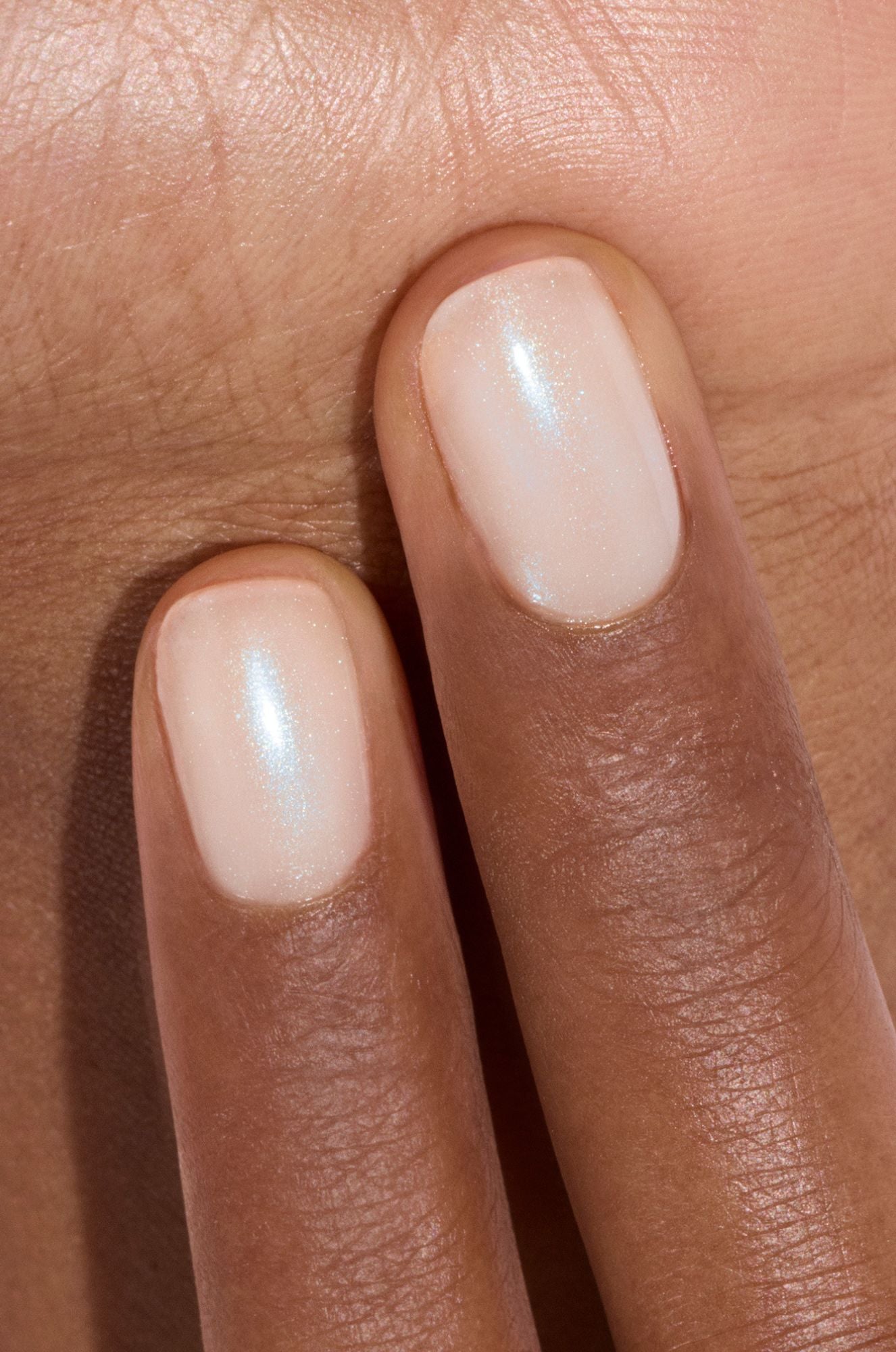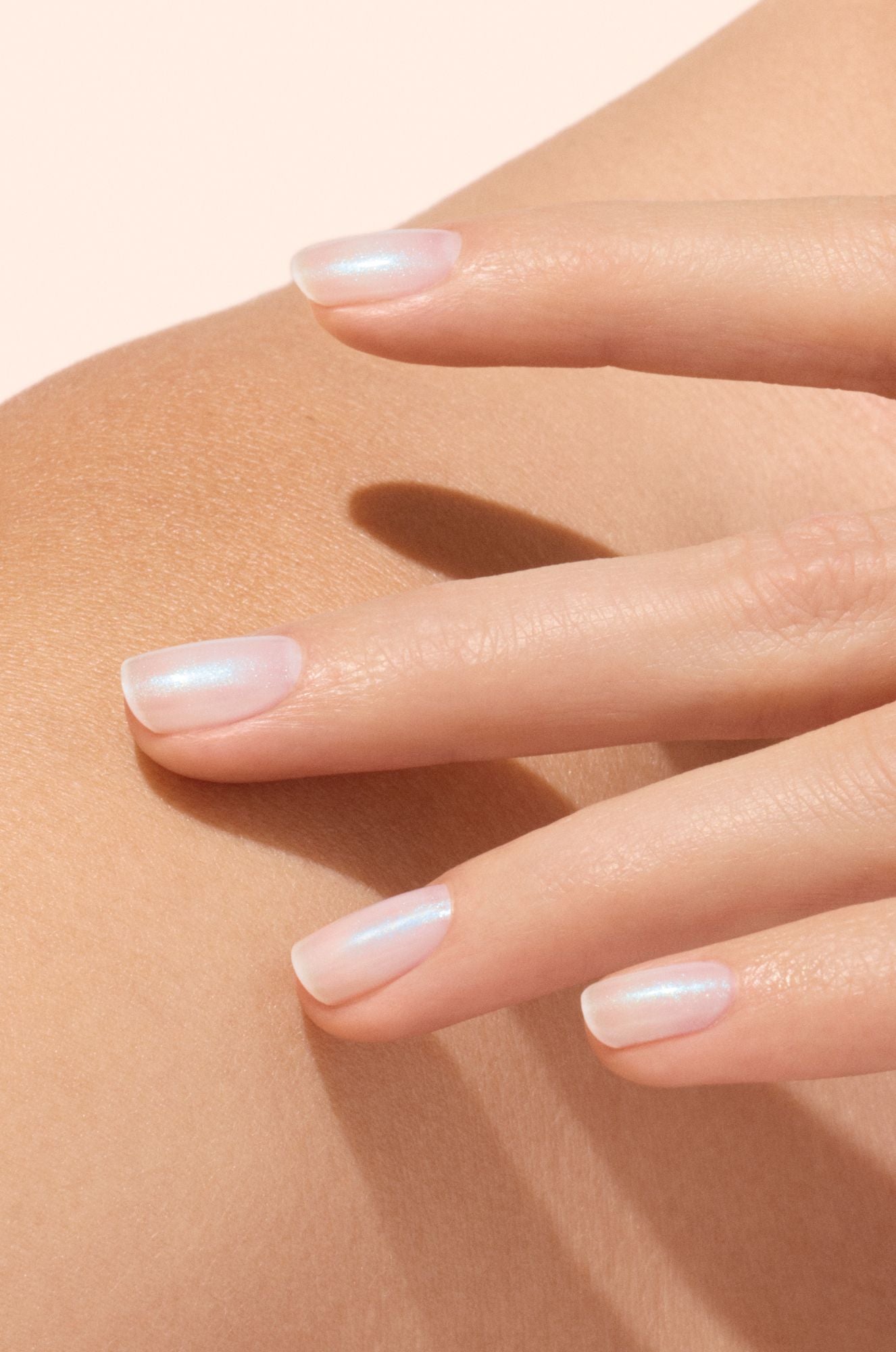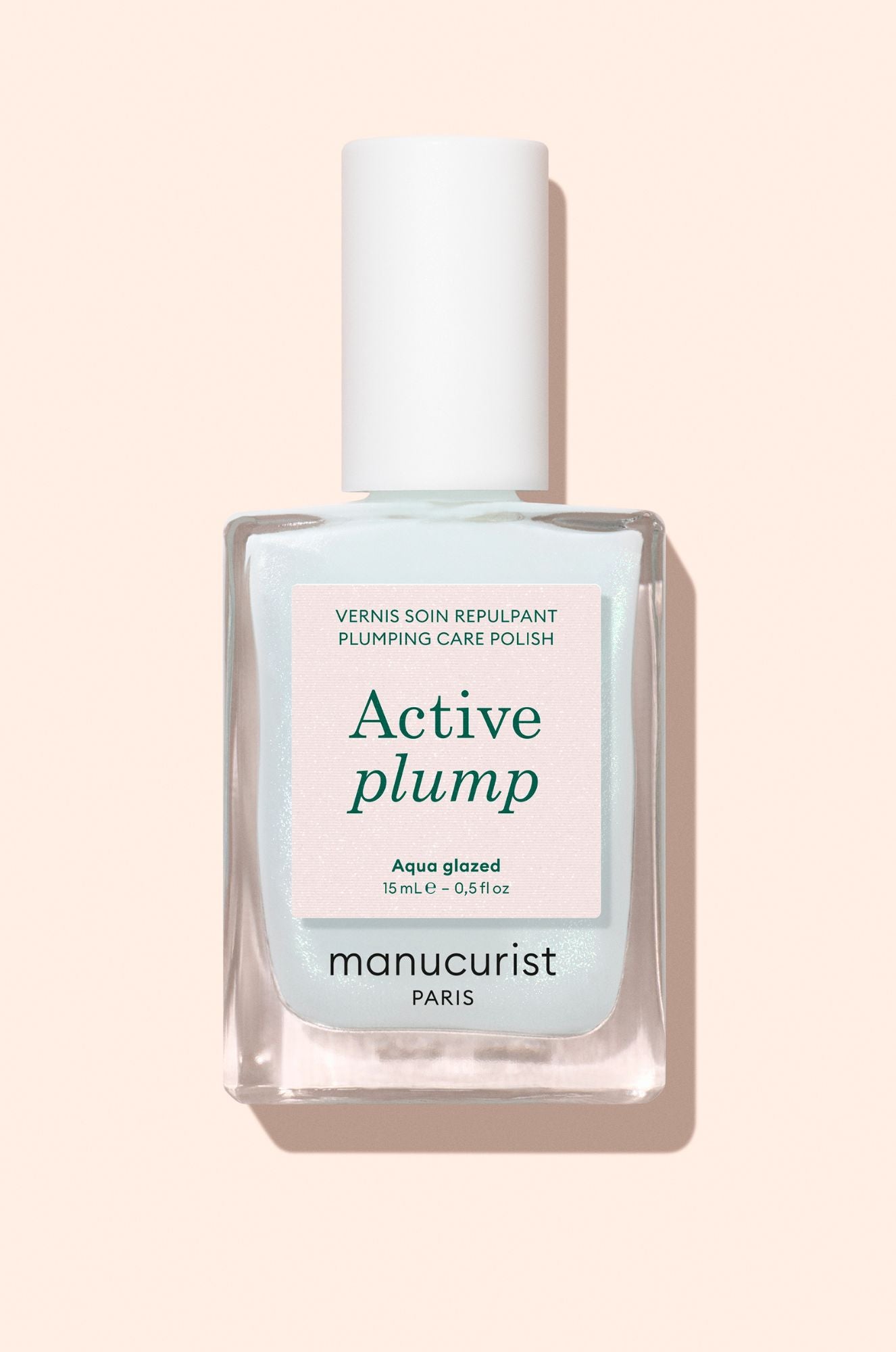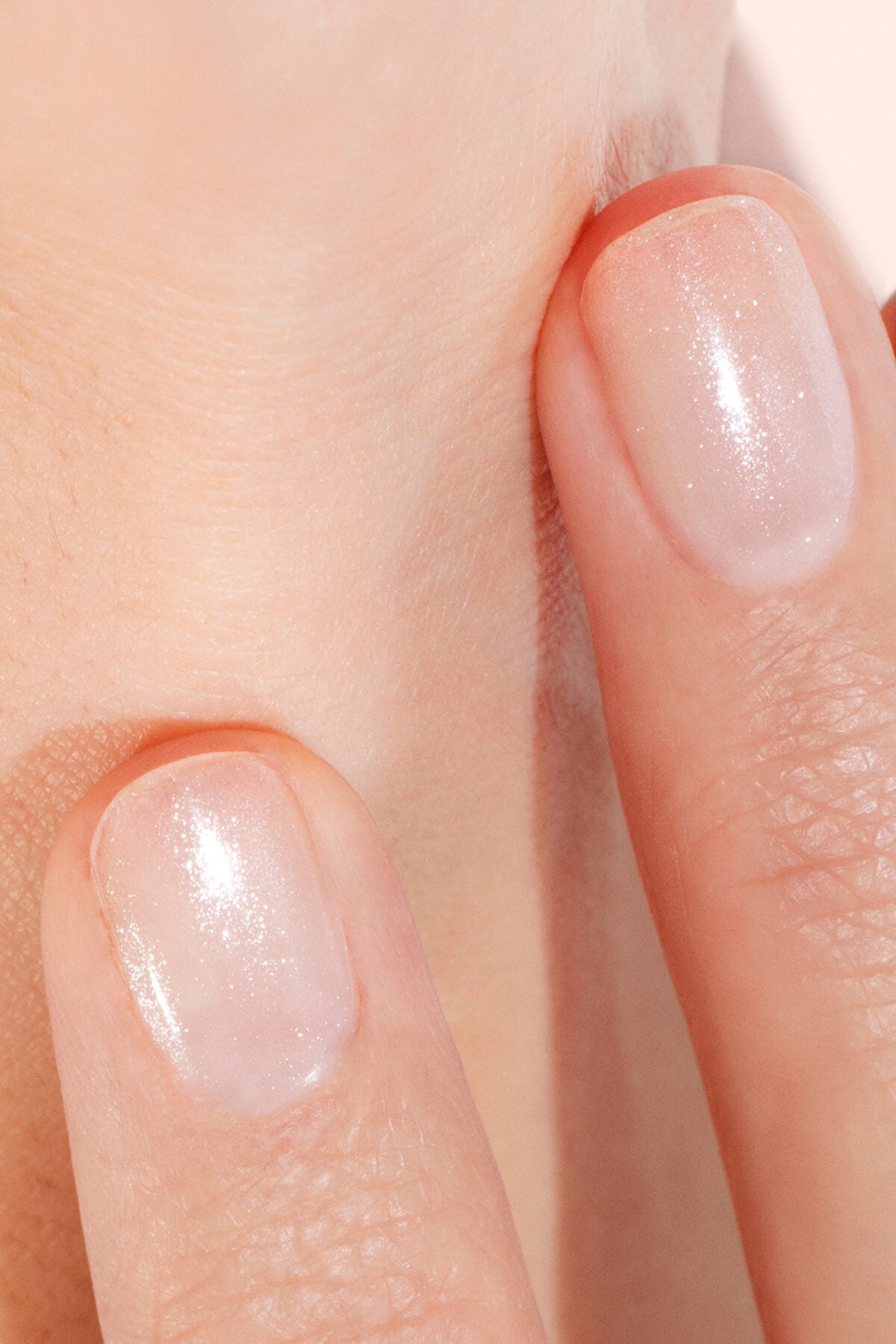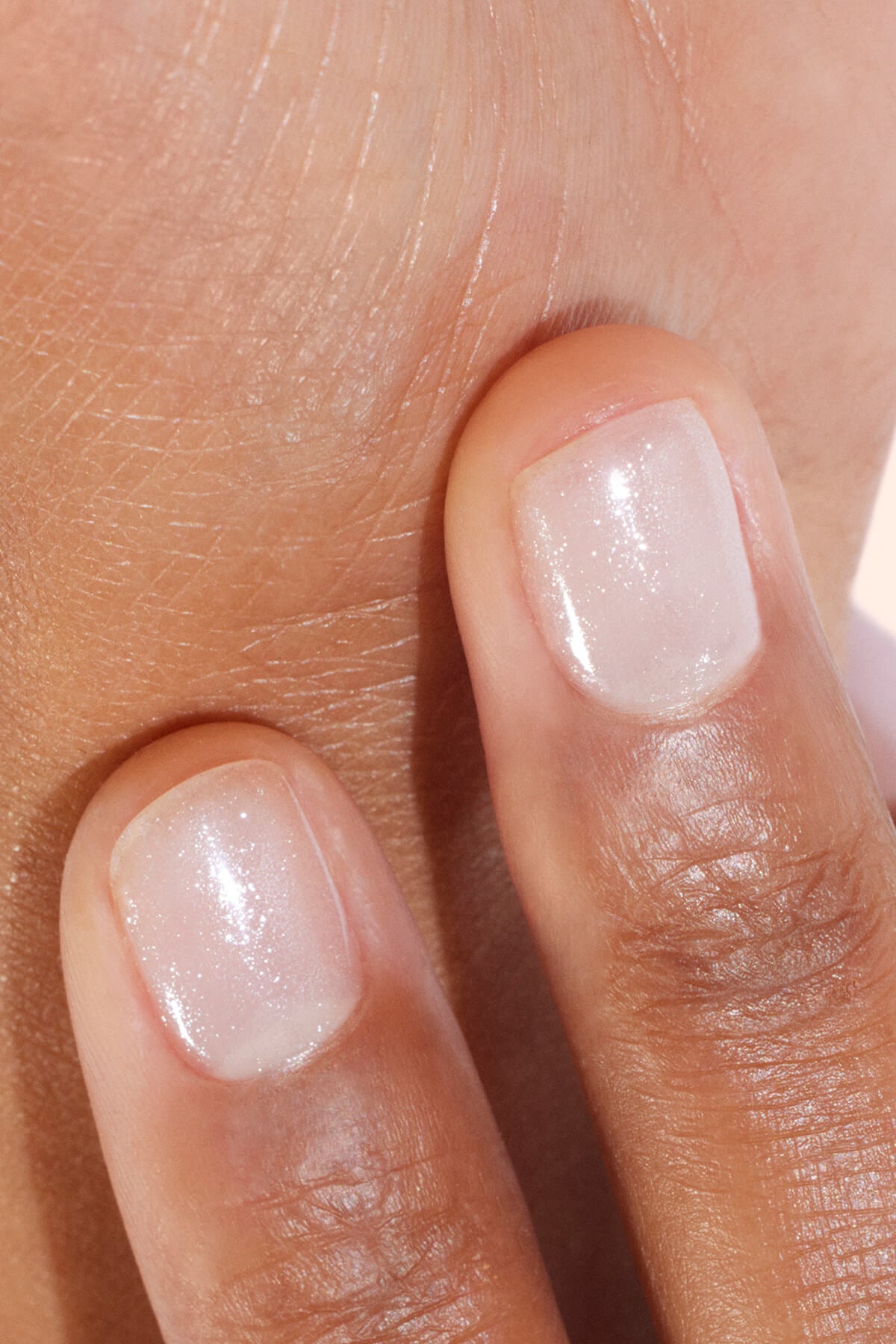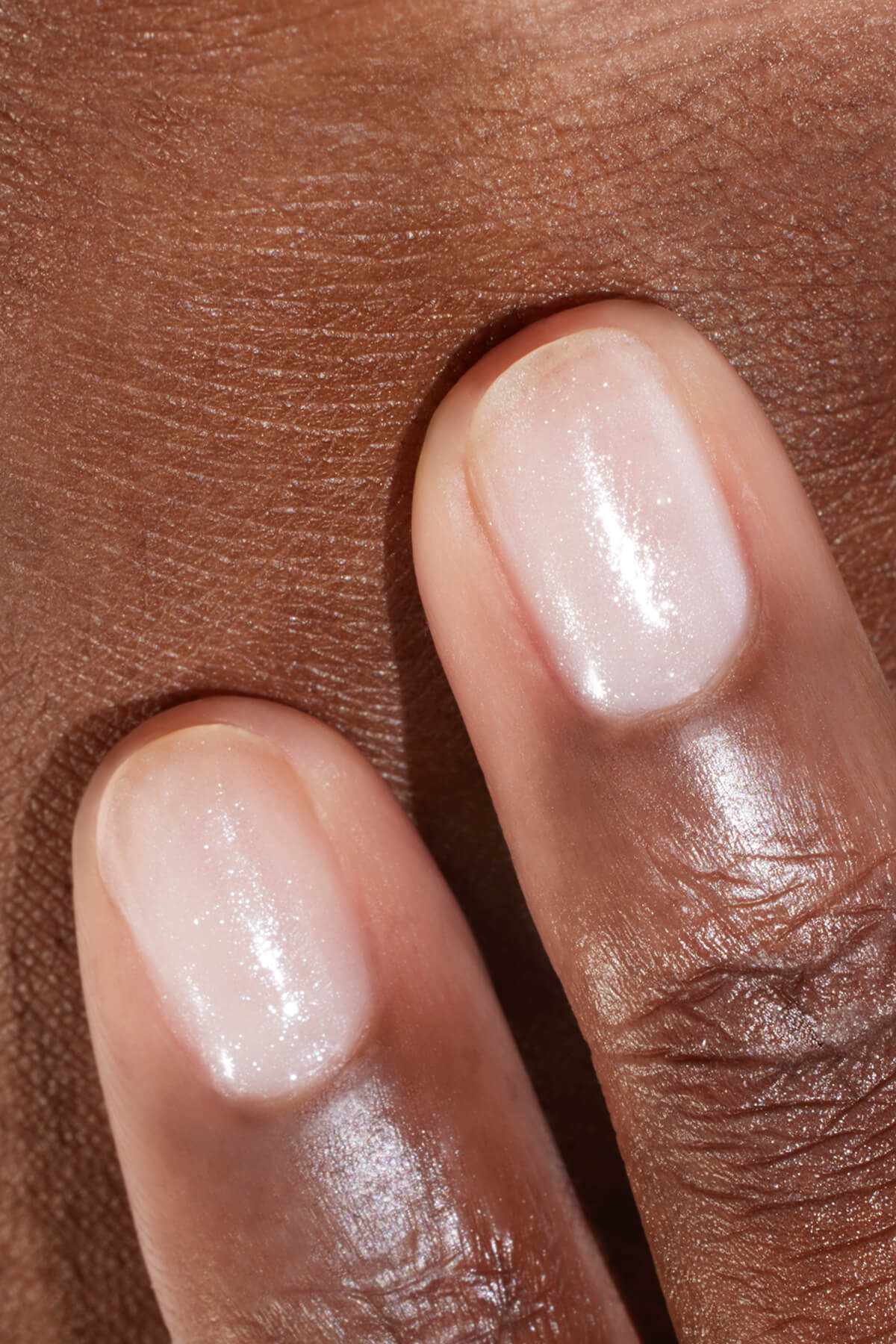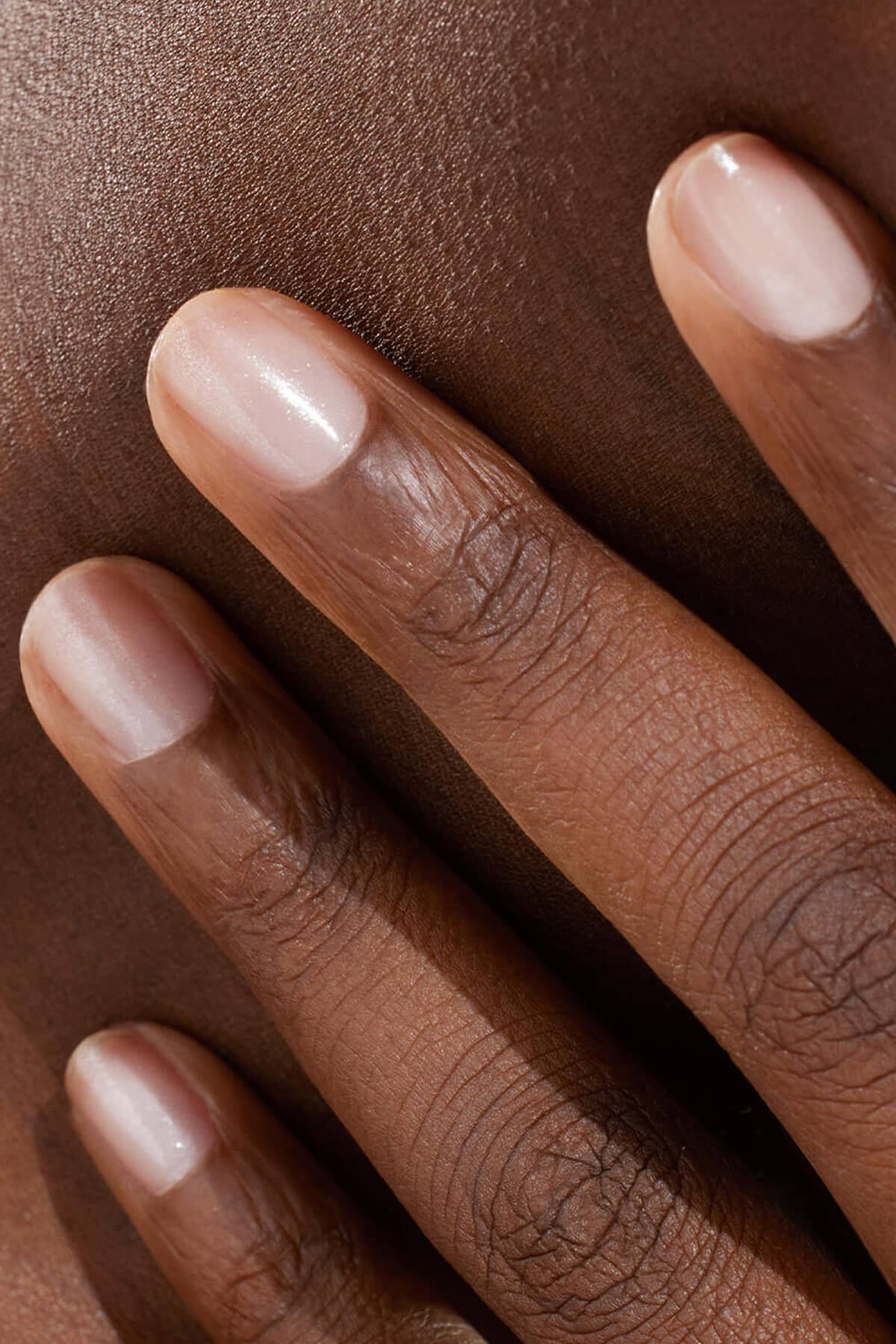


What happens when we apply our favorite varnish? We're telling you everything in this article.
At Manucurist We like transparency: we are convinced that cosmetics should not be opaque. It is in this logic that you are shared with us. blacklist of ingredients on our page Philosophy. This allows us to explain how these controversial ingredients are replaced and their usefulness in the formula.
But this is not always enough to understand how a varnish works. What is the difference between a Green nail polish classic and one semi-permanent varnished - What? And the Dissolve Green in all this? Here is an article that will allow you to see more clearly!

To be noted:
- A classic dry varnish by evaporation of solvents; a semi-permanent hardening by polymerisation under UV/LED lamp.
- The varnish Green™ consists of bio-sourced solvents, nitrocellulose (film-forming agent), resins, plasticizers and pigments.
- The Green Flash™ adds copolymers that react to UV to form a solid polymer network.
- The solvent works by ironing the solid varnish in a liquid state to eliminate it.
The classic Green varnish, a history of evaporation
Let's first try to understand what a Green varnish is made of.
Solvents
Solvents are the most important part of a varnish: they allow to obtain a homogeneous and liquid formula. In varnishes Manucurist , these solvents are butyl acetate and l-ethyl acetate; They're both Bio-sourced (For more information on bio-sourced foods, see our Article Dedicated).
Nitrocellulosis
Nitrocellulosis is what we call a film-producing agent: it will create a smooth, shiny film that quickly dries.
Resin
In the classic Green varnishes, we can also find resins that allow adhesion of this film on nail.
Plasticizers
Plasticisers, on the other hand, make the nitrocellulose film elastic, which improves the hold So the varnish does not crack and so squeezes less easily.
Pigments and bentonite
Pigments and mother-of-pearls (noted CI followed by 5 digits) provide Colour and reflections.
Finally, bentonite is used for fluidize the formula This is called a thixotropic agent.
When applied a conventional varnish, it is in liquid form. Once on the nail, solvents will evaporate creating a colourful, solid and shiny film.
The semi-permanent Green Flash and light
The formula of semi-permanents is very similar to that of classic varnishes. Nevertheless, it is a little more technical since the drying mechanism is different from that of Green varnishes.
Varnishes Green Flash contain, in addition, Copolymers : these molecules react with UV emitted by the lamp and bound together, of which: polymer network that hardens the gel layer.

Outcome: after this chemical reaction, a completely solidified coating of varnish is obtained; It is said that the formula catalyses or polymerizes. This reaction, coupled with solvent evaporation, produces a quick drying.
For more information on the Green Flash and its formula, discover our article Green Flash What more is he?
And the solvent, how does it work?
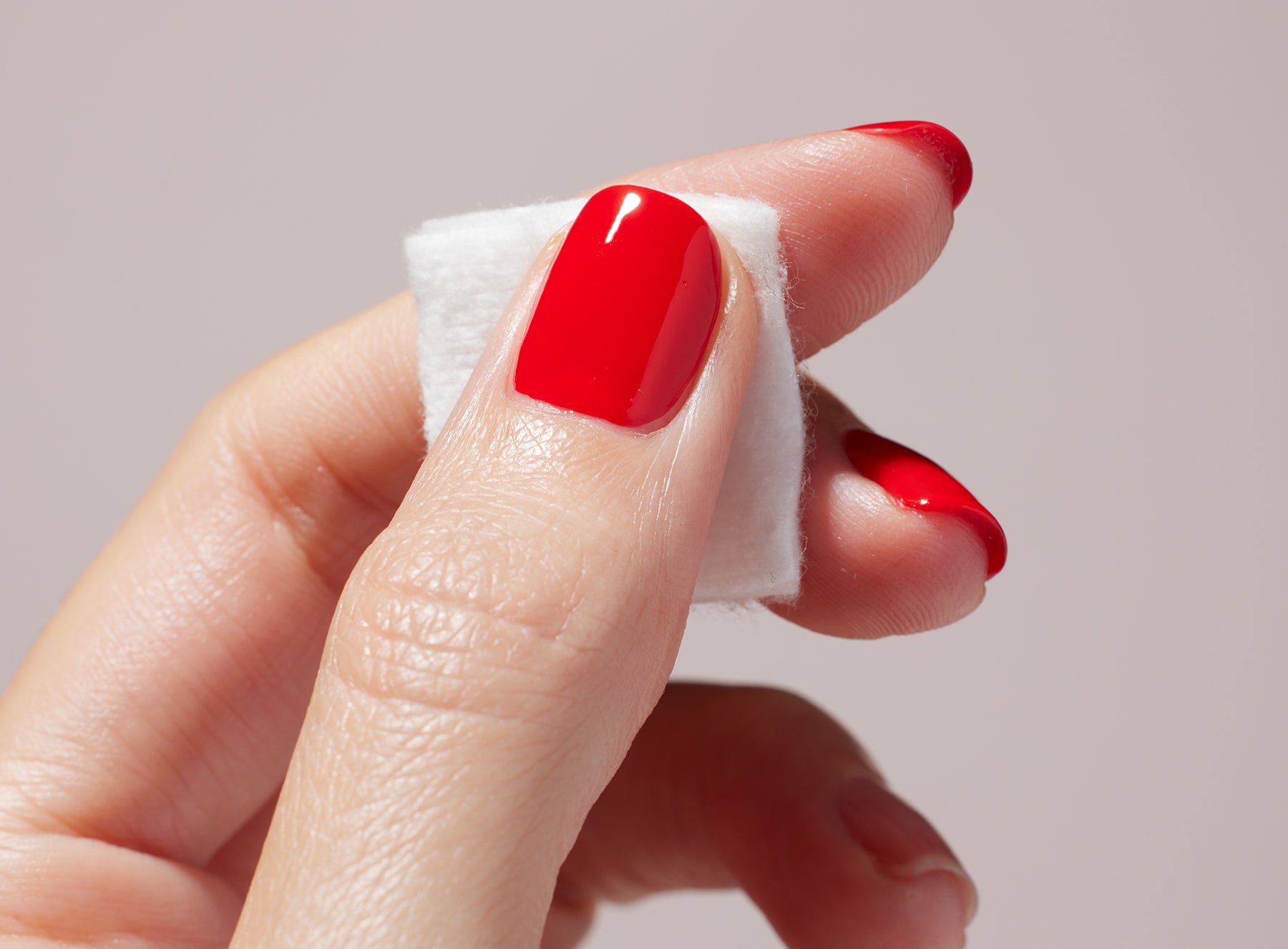
The principle of the solvent is to pass a layer of solid varnish in liquid form to better eliminate it.
In the Dissolve Green, it is the diethyl succinate that will allow this liquefaction of varnish.
In the Dissolve Green FlashThe solvents are used at the base of the varnish formula: butyl acetate and l-ethyl acetate.


To sum up:
- The classic varnish dry by evaporation of solvents, without any apparatus.
- The semi-permanent Green Flash™ dry by polymerization of co-polymers under UV/LED lamp, hence its reinforced hold.
- The solvent liquefies the solid varnish to remove it: the Dissolvent Green™ uses diethyl succinate, the Dissolvent Green Flash™ based on the basic solvents of the formula (butyl acetate and ethyl acetate).
Any questions? Write us in DM on Instagram : the team Manucurist will be happy to answer you.