

Symbol of power, refinement or fashion accessory, the nail polish ns stopped reinventing itself over time. From the first bee wax lacquers in ancient China to today's bio-based varnishes, its evolution tells us only The history of beauty. Dive into this colorful odyssey, from ancient times to today.
From Antiquity to the 19th century: a symbol of power
Long before being a coquetry, nail polish was a real social marker. Across the world and over time, nails tell a story of rank, prestige and power.
Painted nails, privilege of elites throughout the centuries
Nearly 3000 years B.C.E. Chinawomen in the upper society already applied natural lacquers made of egg white, bee wax, gum arabic and petals d'impatience. During the Zhou dynasty, use was so codified that some hues, such as black and deep red, were reserved for empresses. Violation of this rule could be applied until enforcement. Ouch!
2000 years before the age of Babylonians color their nails with Khol : black for the nobles, green for the people. A statutory manicure in short, which is used to distinguish social classes.
In Ancient Egypt The queens, 1500 years before the age of C.C., polished and dyed their nails with a henna. It is reported that Cleopatra loved brown red nails while Nefertiti preferred the bright ruby. The varnish becomes a true royal attribute.
On the other side of the globe, Incas The 15th century also had a sense of detail: they decorated their nails with d'aigle motifs and divine symbols, real miniature art works ! The first nail art was born well before Instagram!
In Europe, we know that ladies of the XVIIth century would lust, as for them, their nails with chamois skins and coloured ointments.
Two centuries later, at Victorian era, we were looking at home tips: a bath of lemon juice or vinegar was enough to lighten and shine the nails.
The ancestors of nail polish: when nature colored nails
From XIXth century, no solvents or vials: the formulas were 100% craft. We used:
- Plant pigments (pink, poppies, henna)
- Mineral powders
- Natural resins like gumlace.
Manicure becomes a way of life: women were cutting, polishing and feeding their nails with fat creams like the Cold-cream (very popular) and polishing powders. They also pushed back their cuticles with an orange wood stick, invented in 1830... and still present in our current vanity.

From ancient Egypt to the beginning of the 20th century, nail beauty is a luxury reserved for high society.
(@Wikimedia Commons)
The invention of modern varnish: an American revolution
The history of varnish enters its modern phase in the XXth century with the invention of nail polish as we know it today. And guess what? It all starts in a garage!
The idea that changes everything: from car hood to colored nails
In the 1920s, the French makeup artist Michelle Ménard ssss is inspired by automotive paint to create a resistant and shiny lacquer based on nitrocellulose. Yes, yes you read well: the same component to paint cars... and nails! This is the beginning of a new era: that of modern, smooth, coloured and above all, durable varnish.
A few years later, Charles and Joseph Revsonaccompanied by the chemist Charles Lachman, perfect this formula under the name - become famous - of Revlon. They introduce a major innovation: a creamy and covering varnish, available in shades matching lipsticks. The lipstick-glass duo becomes the must of glamour.
The nail polish, Hollywood star
In the 1950s, the varnish imposes as Fashion accessory. On a large screen, Marilyn Monroe, Rita Hayworth and Lana Turner popularize the red nails, synonymous with elegance and sensuality. The advertisements of the era boast indestructible varnishes and brilliant like ruby. The modern woman is now a painted woman!

Born before the war, nail polish is popularized by Hollywood actresses.
(@Revlon, @Wikimedia Commons).
The Manicure Boom
From the fifties to the 2000s, nail polish is a must-have in beauty boxes. Each decade reinvents manicure in its own way, between innovations, signature colors and new attitudes:
- 1950s : it is the advent of iconic, intense and glamorous red. The fake nails as cosmetic extensions. For the little story, they already existed but in a different use: a dentist from Chicago had the idea to prevent people from eating their nails!
- 1960-70s : the trend is towards pastel colours and glittery or metallic varnishes, in line with Flower Power style. Jeff Pink, a Hollywood makeup artist, invented the English Manicure which adapts to all circumstances. It thus responds to the demand of producers: avoid changing varnishes with each change in the outfit of actresses.
- 1980-90s : explosion of fluo and nil art which quickly arouses enthusiasm and wins the planet. In Asia, for example, the art of decorating nails becomes a passion and makes many followers. Fragrant varnishes, decorative prosthetics, stickers, rhinestones... fantasy has no limit!
- 2000s : place for dark varnishes And with chic rock hues. And then there are some highlights: the Chanel parade of winter 2009, where Karl Lagerfeld's models scroll with jade green varnish at their fingertips. We break the codes and we diversify the palette.
- 2011 : small revolution in manucuria with the arrival of the semi-permanent varnish, an ultra-gloss varnish that lasts 3 weeks without scawing. A dream that becomes reality...

Starting in the 1980s, the nail art became furious and the varnish colours became more diverse.
(@look8thenails)
Nail polish reinvents itself in the 21st century
Today, nail polish goes beyond its simple aesthetic function. He became the reflection of a way of life Think and be responsible. The formulae evolve, the gestures reinvent themselves and the manicure is part of a more conscious approach, without ever giving up the pleasure of beautiful colors.
Clean beauty varnish
With the rise of ecological consciousness, brands revise the composition of varnishes. The trend is towards those who respect the environment and are free of substances deemed to be hazardous to health.
Since 2010, the CMR (Cancerogens, Mutagens, Reprotoxics, or toxic to reproduction) are gradually banned in cosmetics manufactured and sold within the European Union. Ingredients such as formaldehyde, toluene or l-hydroquinone, classified as RMCs, have disappeared from the formulae and from the Sensitizing molecules such as methyl acrylate monomers (HEMA and DI-HEMA-TMHLDC). The last of these dates, TPO (Trimethylbenzoyl Diphenylphosphine Oxide) was banned in September 2025. In 2013, Europe also said: stop testing animals for cosmetic products and ingredients for purely cosmetic use manufactured in the EU.
The varnish have developed with the ambition to combine performance, pleasure and respect for nails. This is the bet that has been raised. Manucurist with its varnish Green™ and Green Flash™ : propose formulas mainly bio-based in which solvents or plasticisers from petrochemicals have been replaced by plant alternatives such as maize, sugar cane, cassava or cotton. A successful bet that makes Manucurist one major player in responsible and sustainable beauty.

Manioc, sugar cane, cotton, corn, potato... The new generation of varnishes favour bio-sourced ingredients to replace petrochemical components.
Back to Minimalism: Nude Nugget Reappears
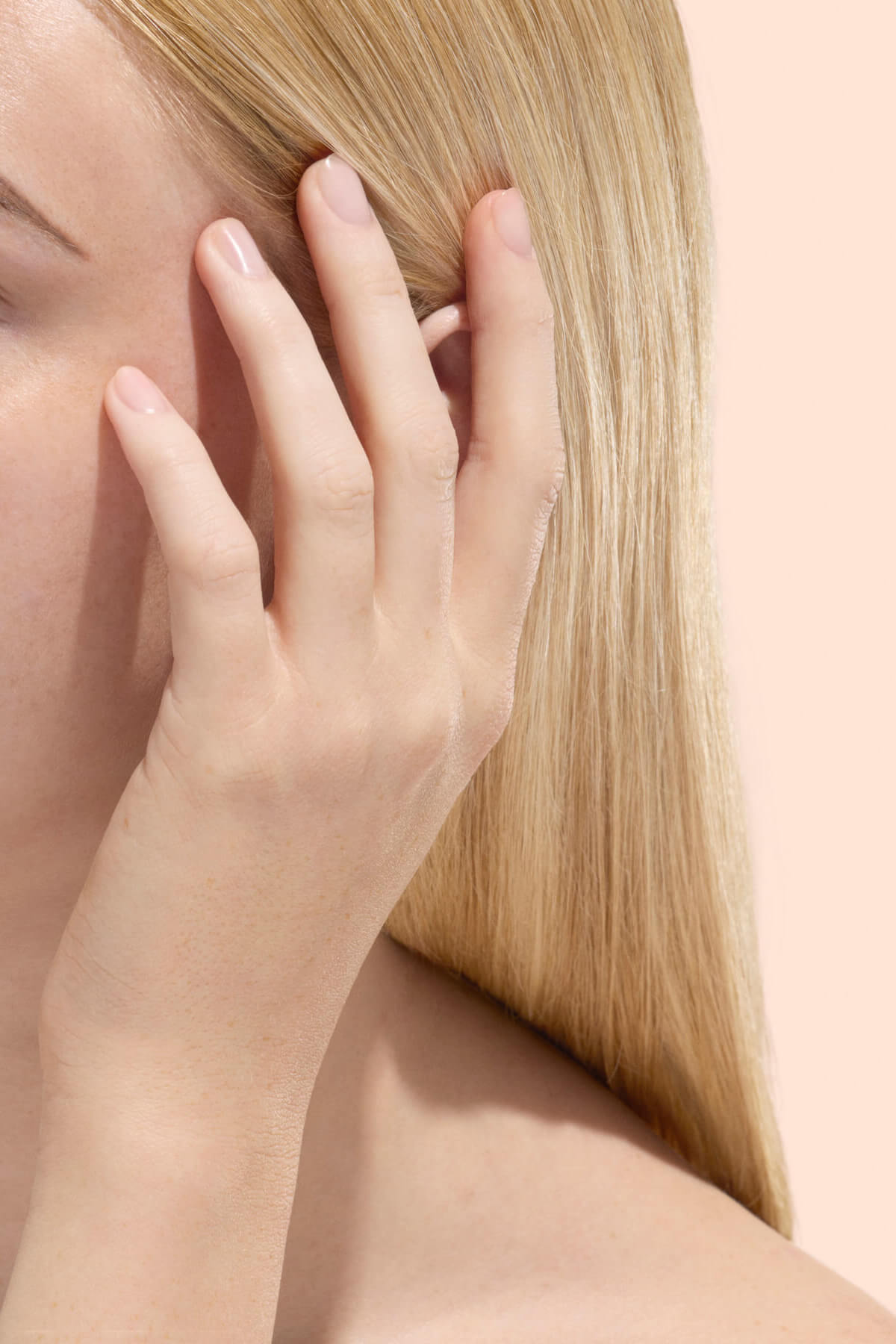
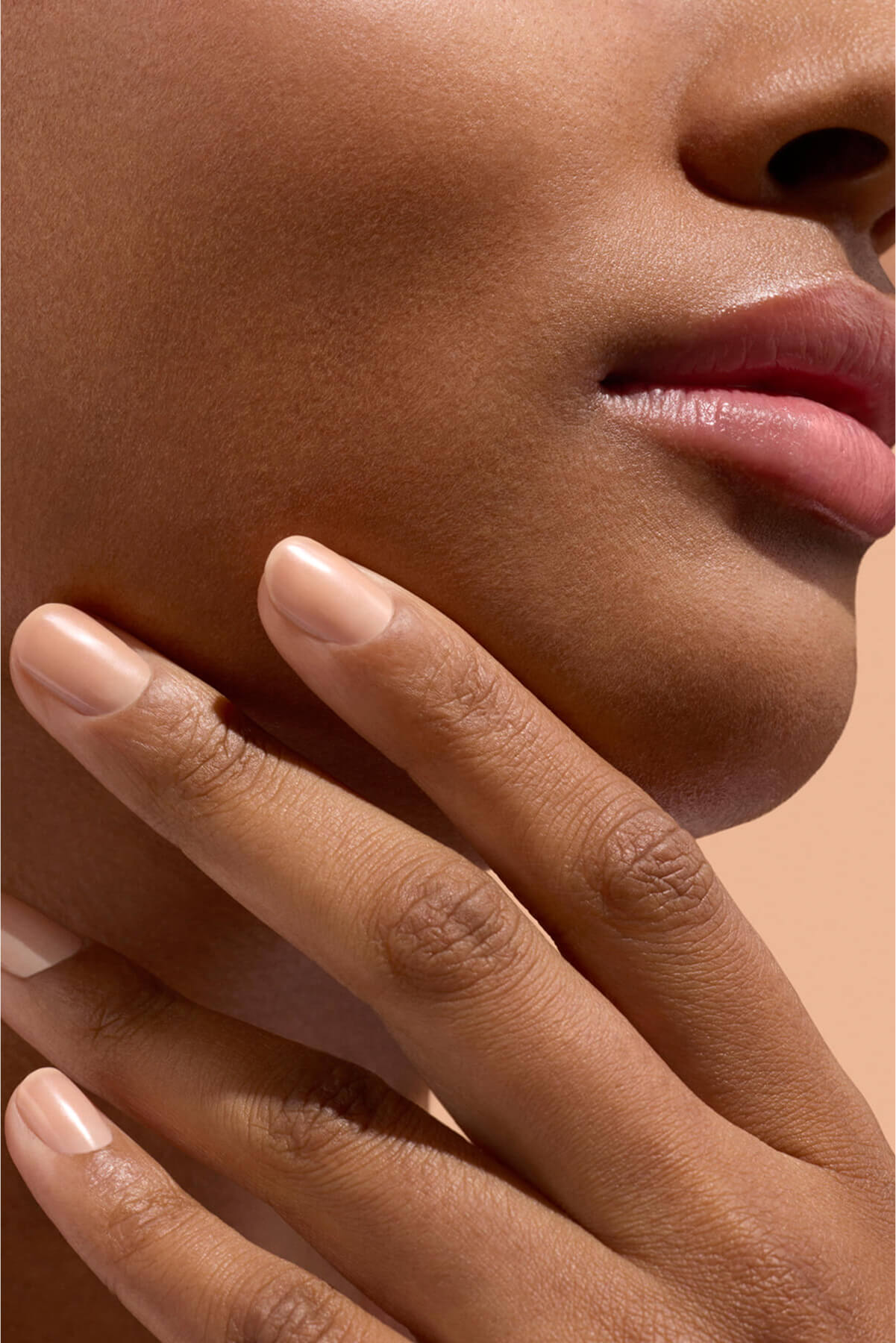
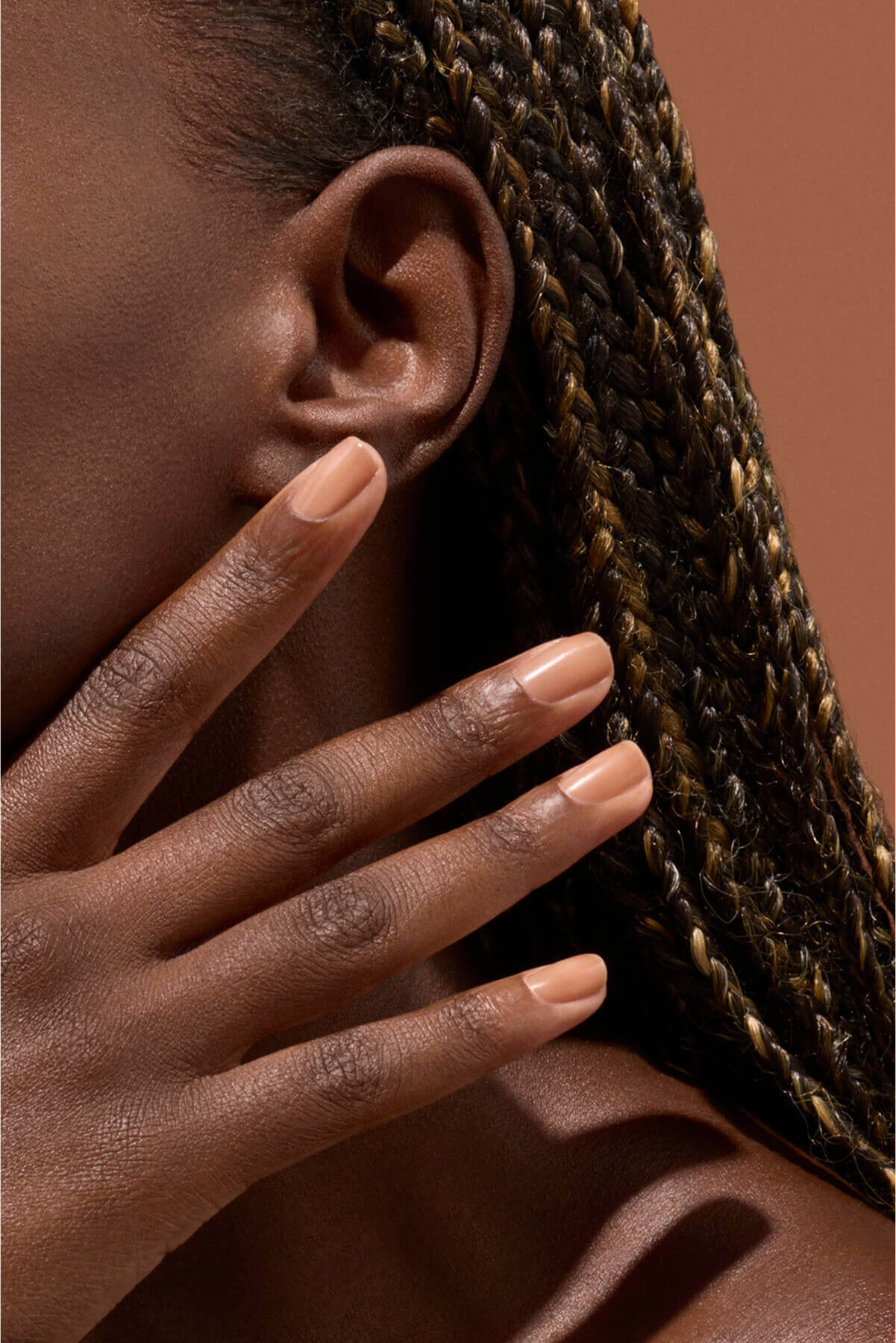
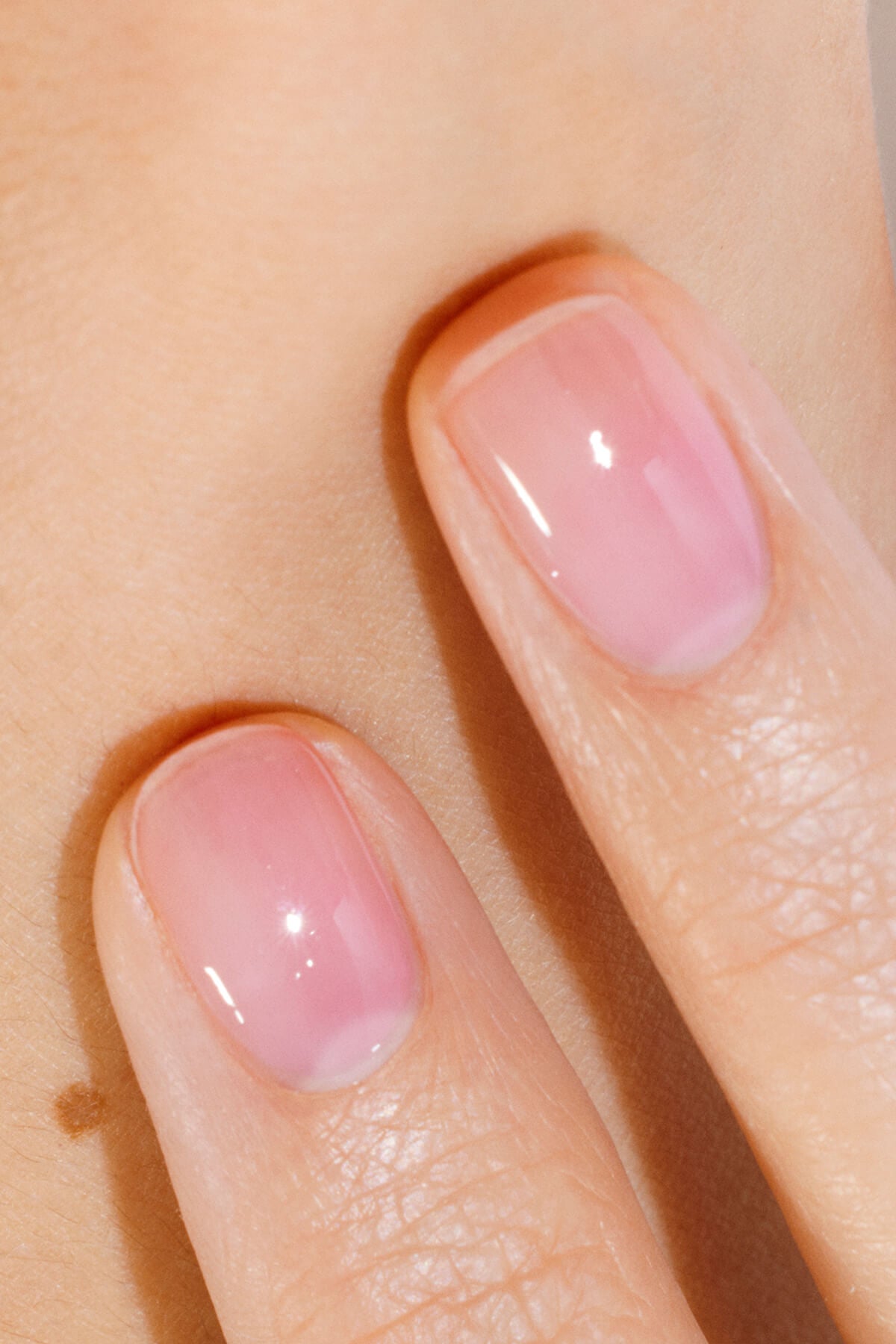
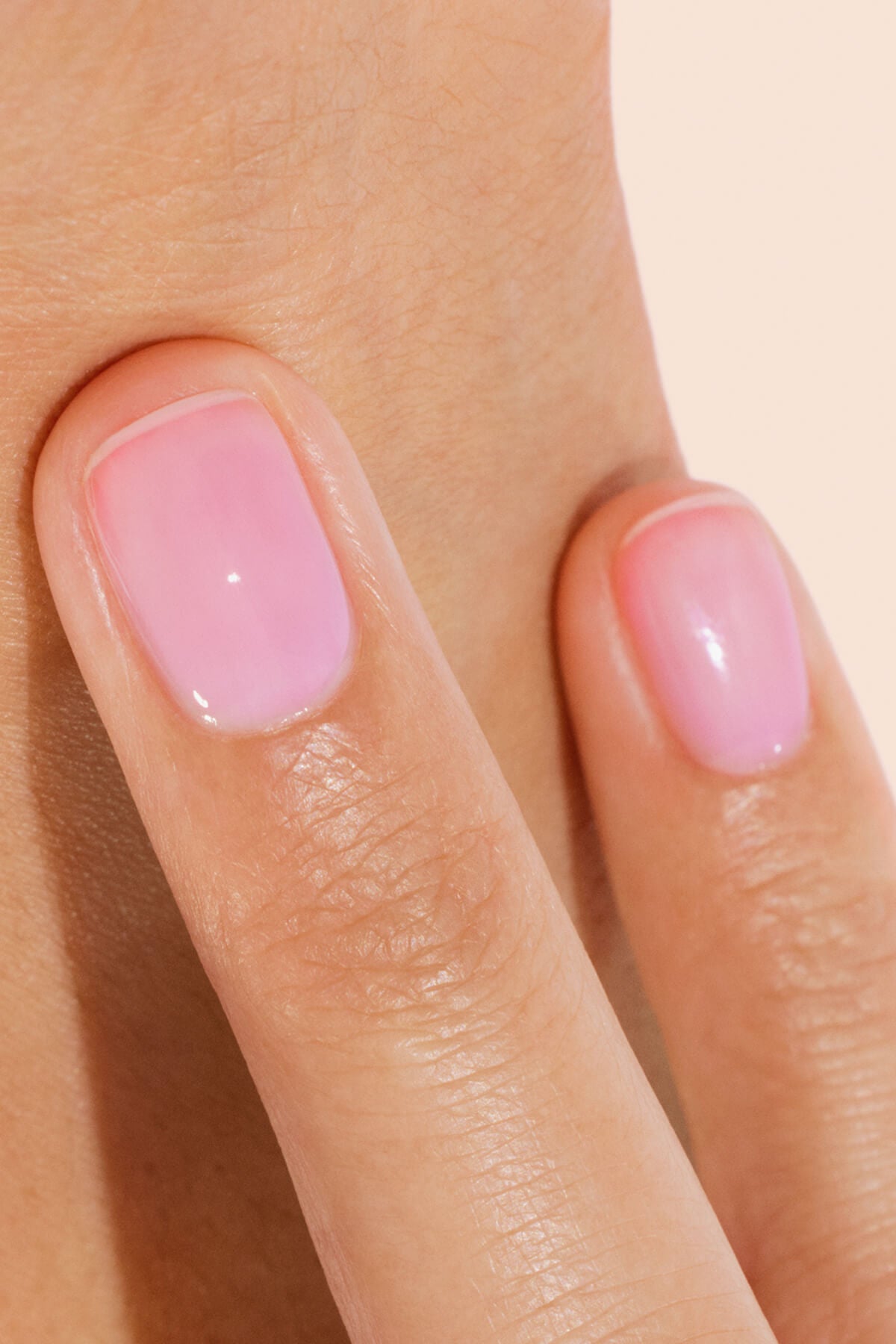
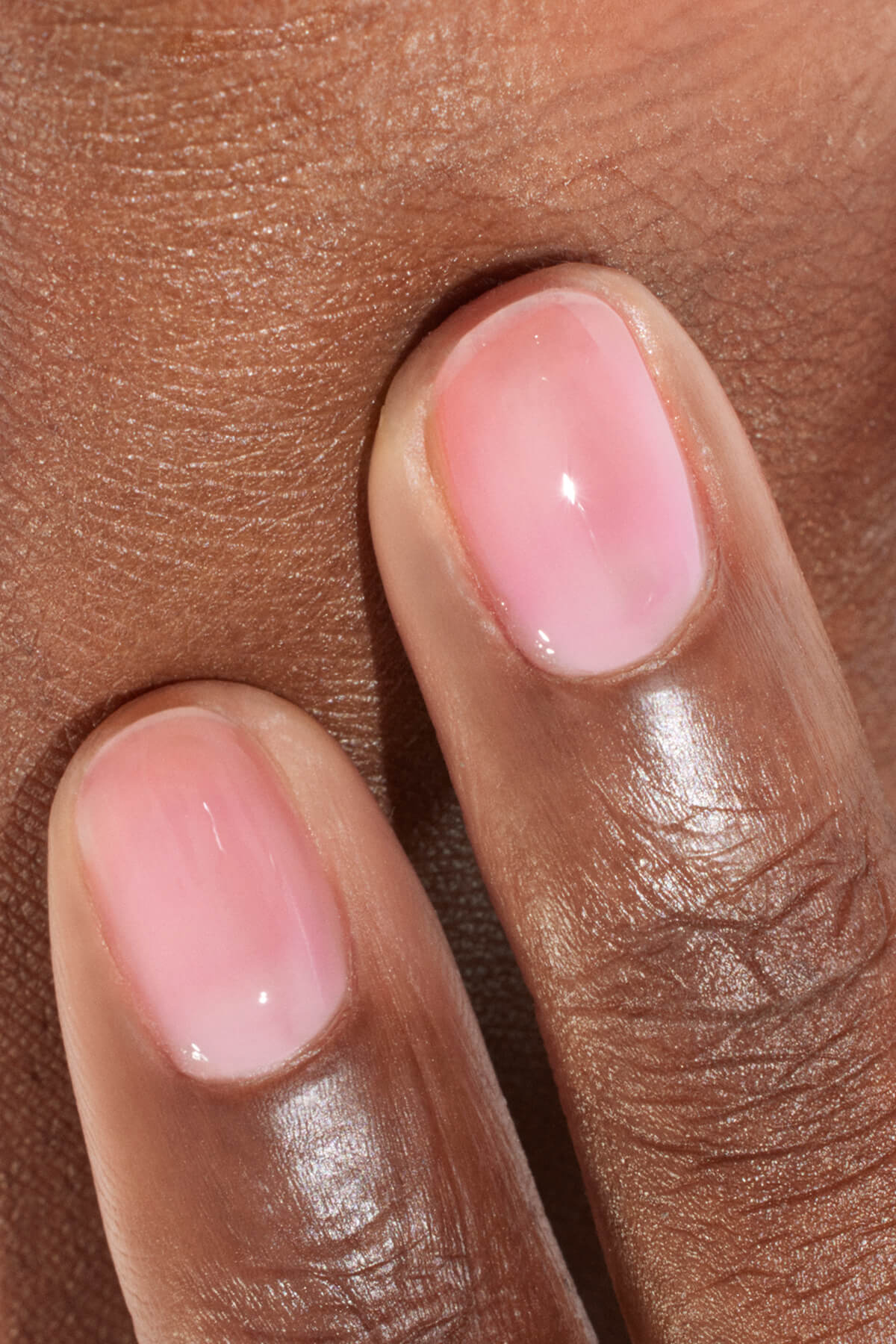
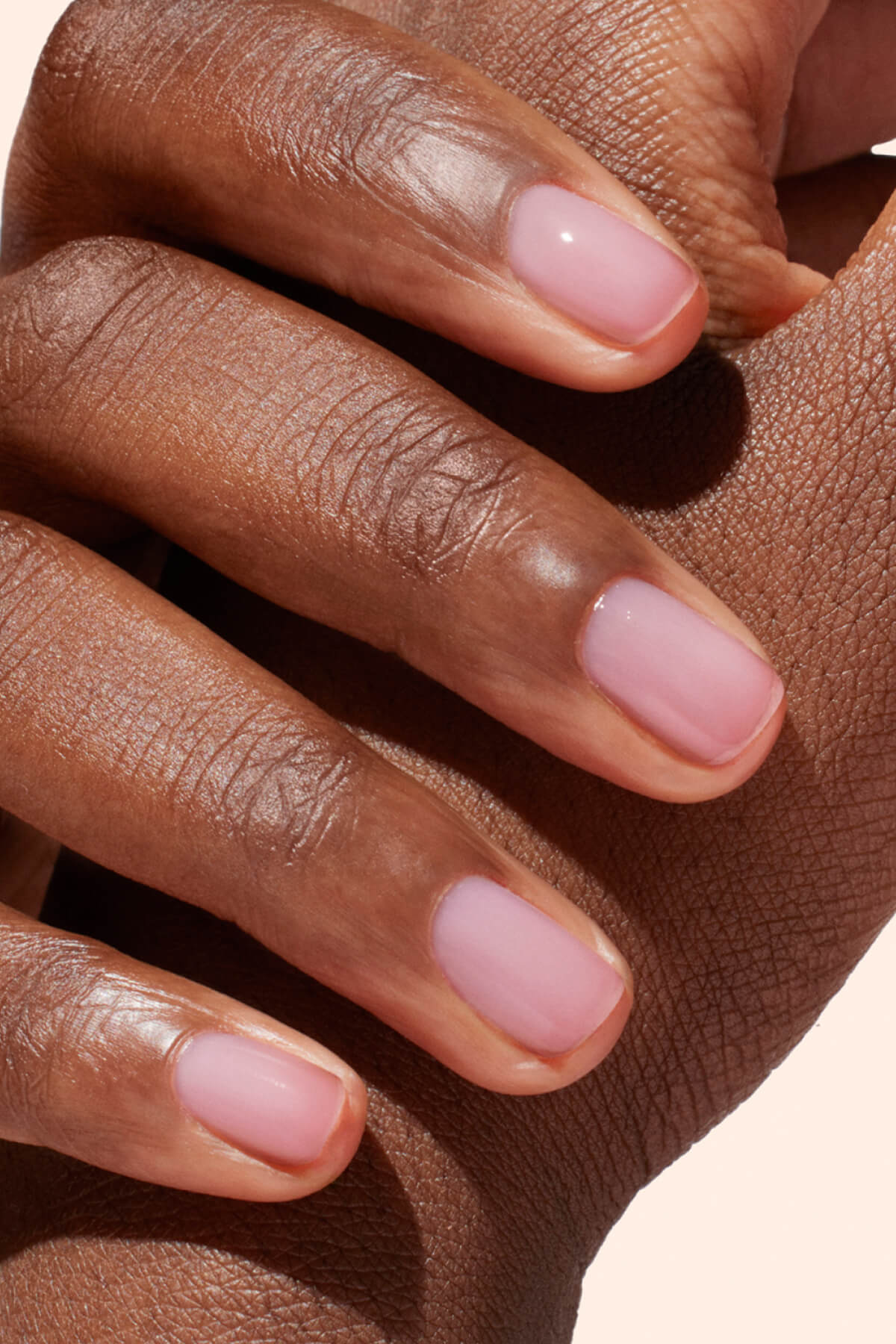
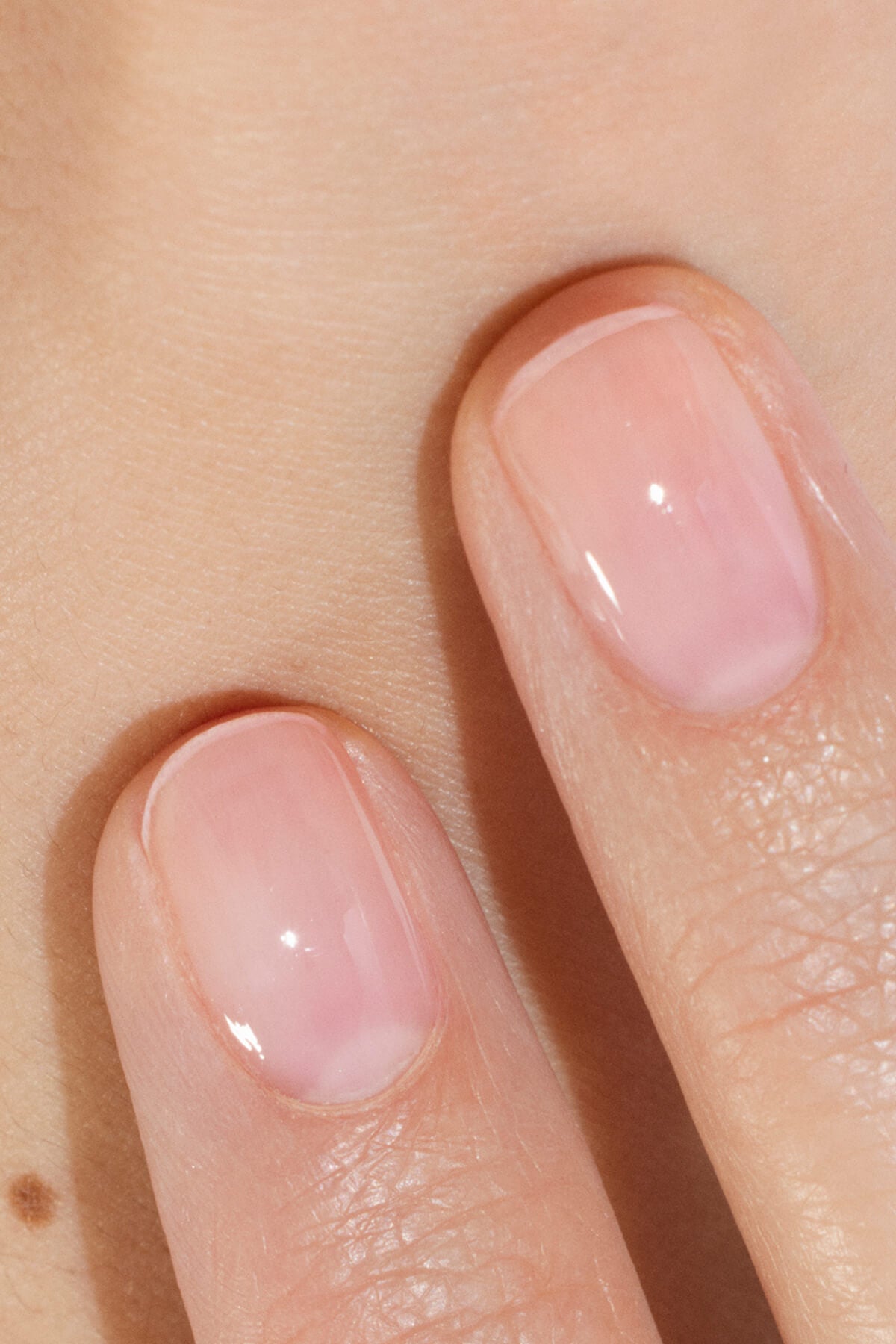
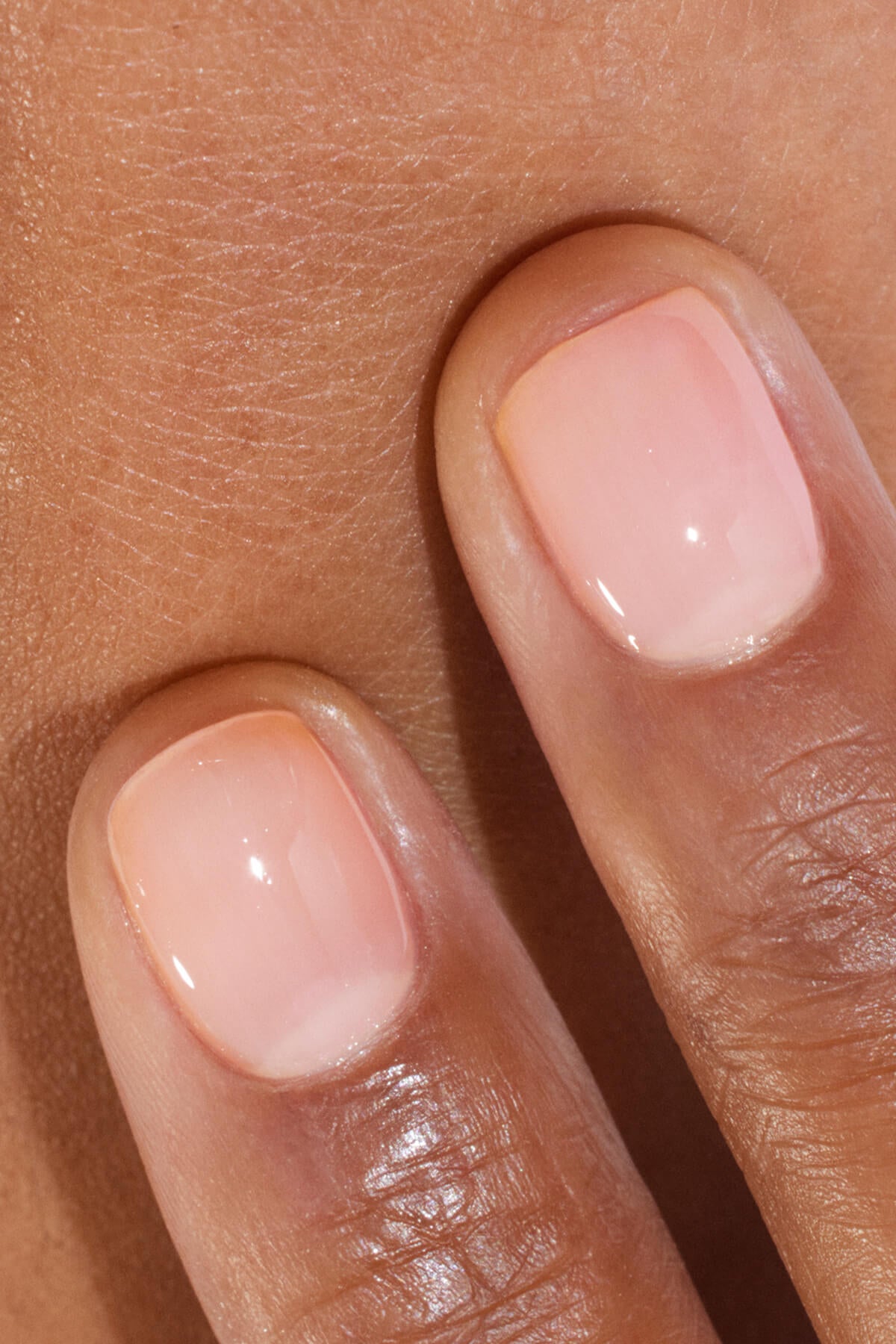
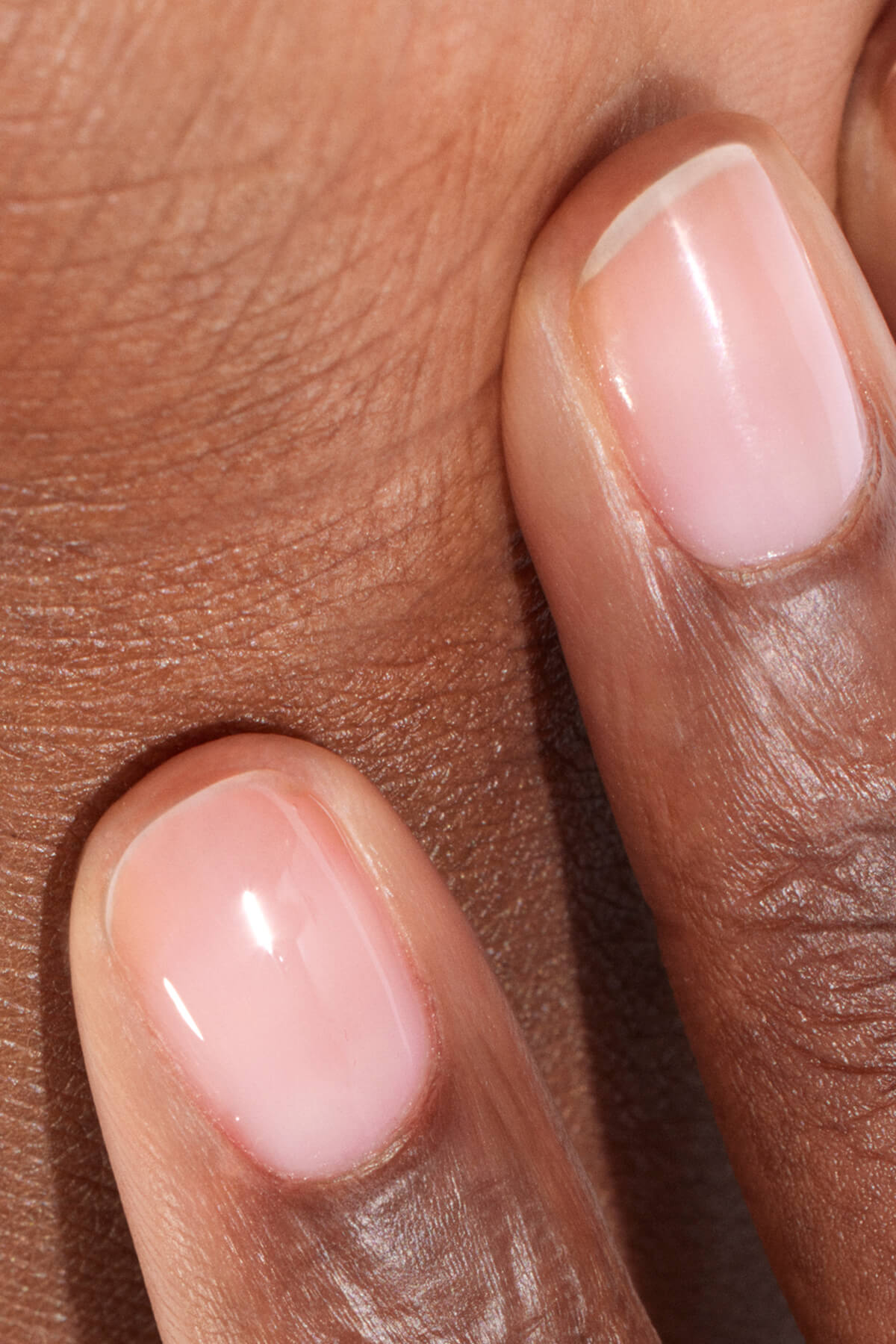
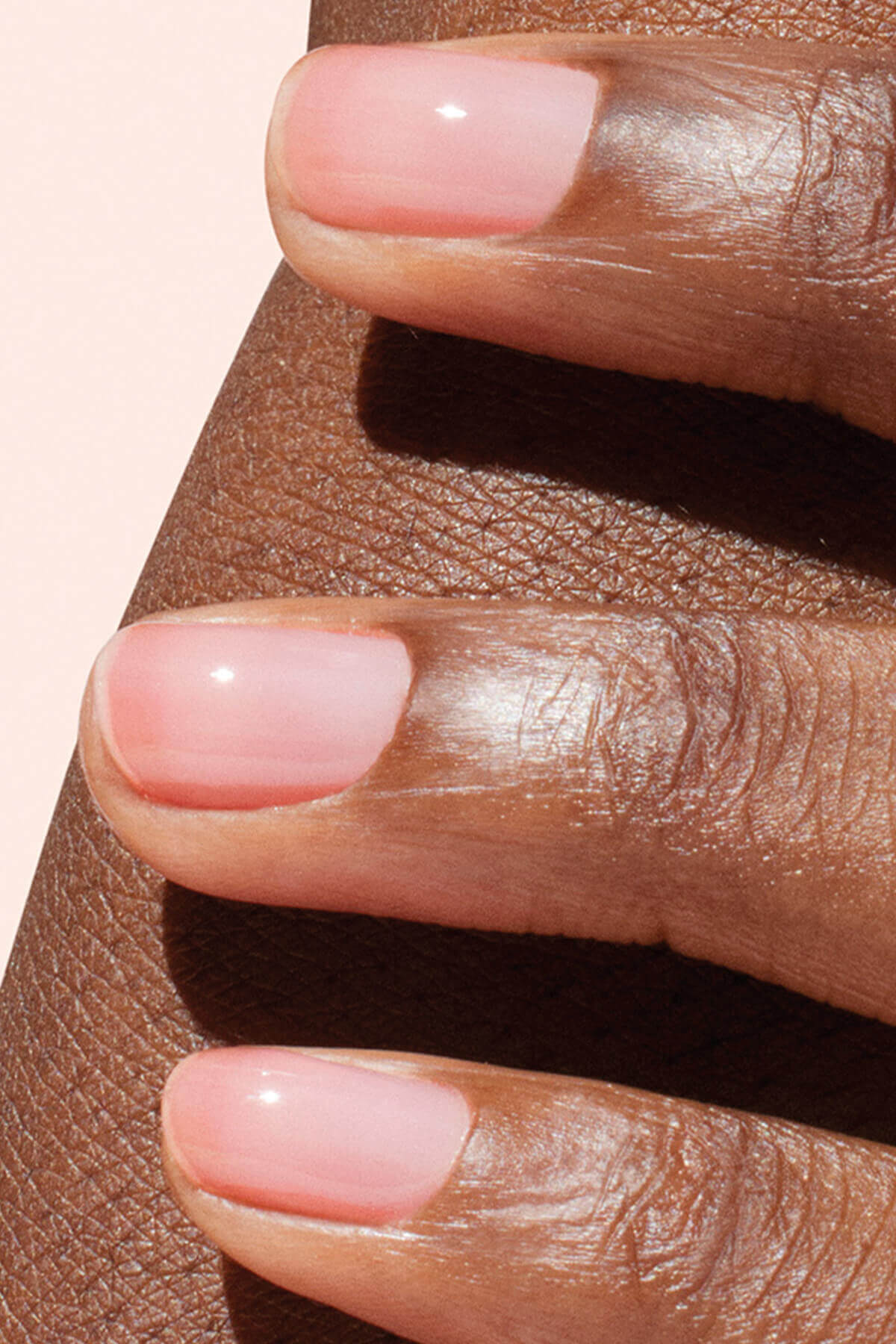
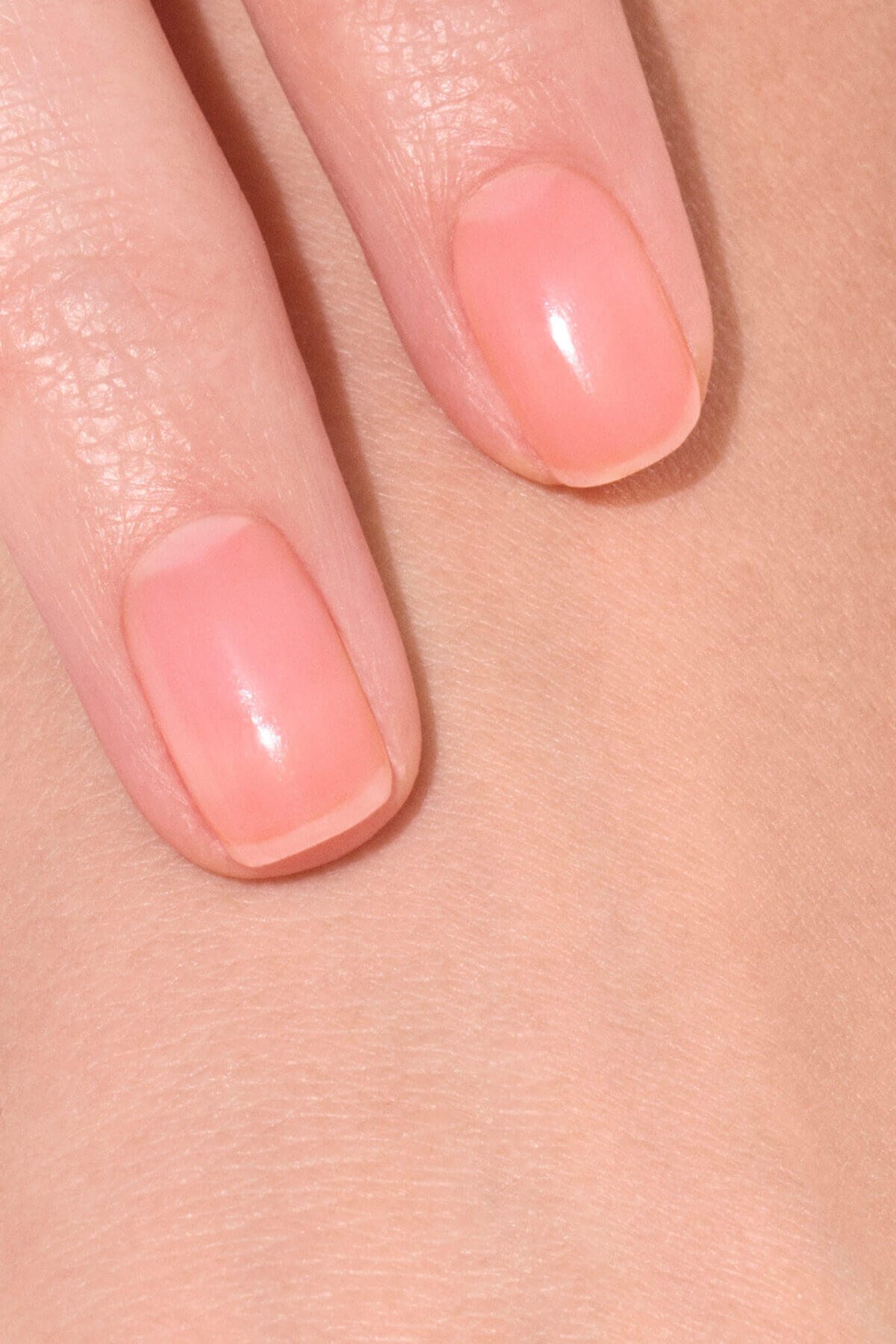
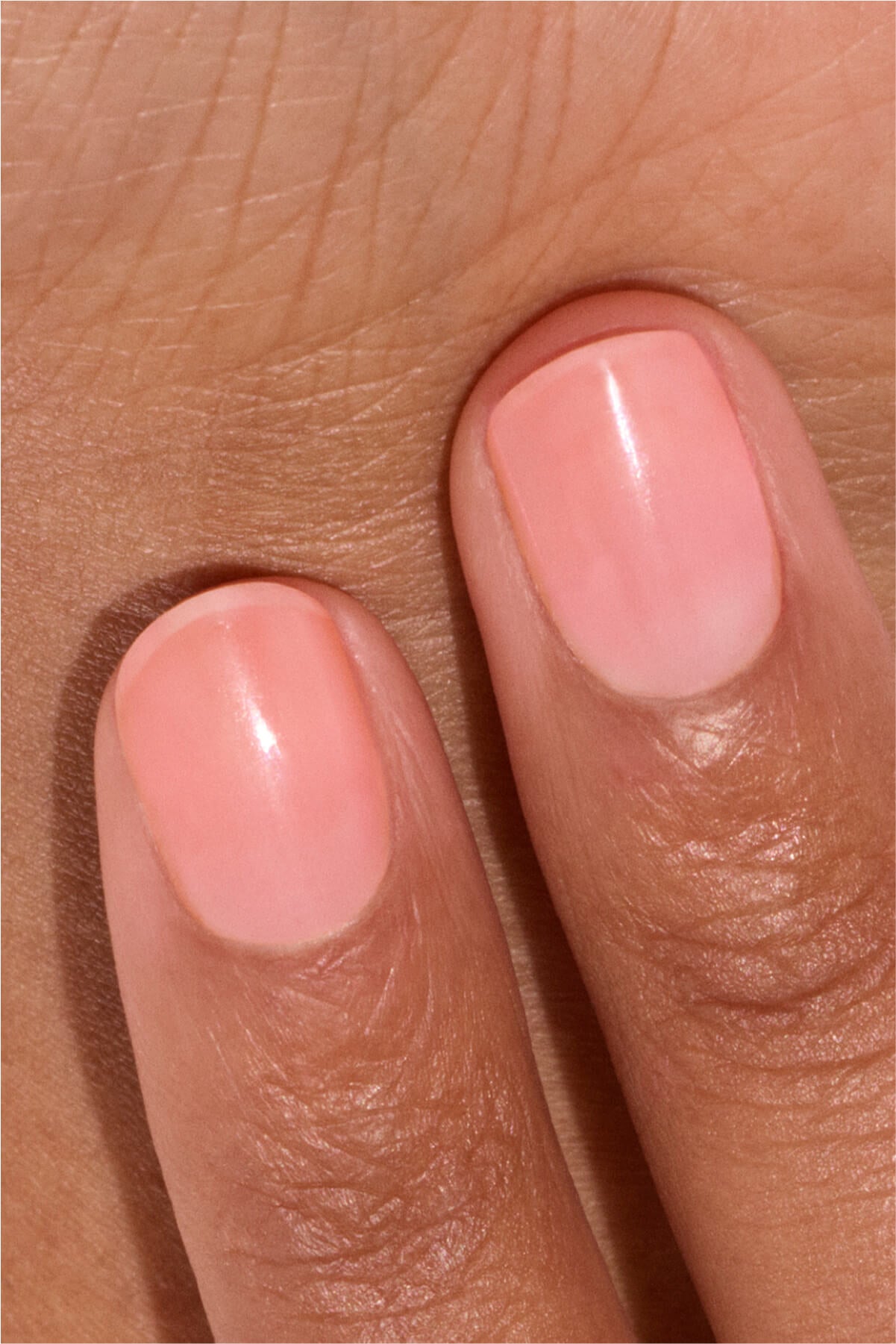
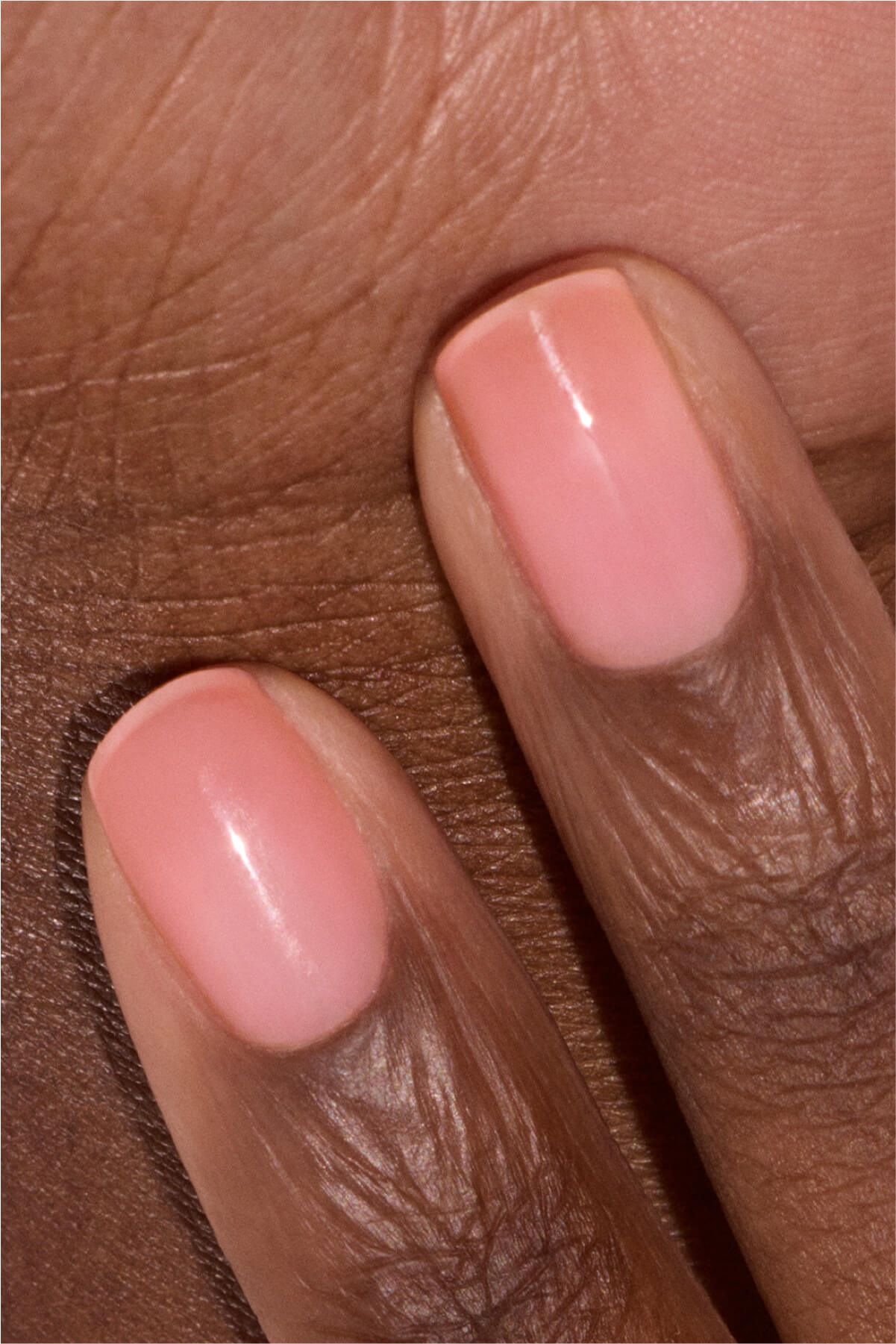
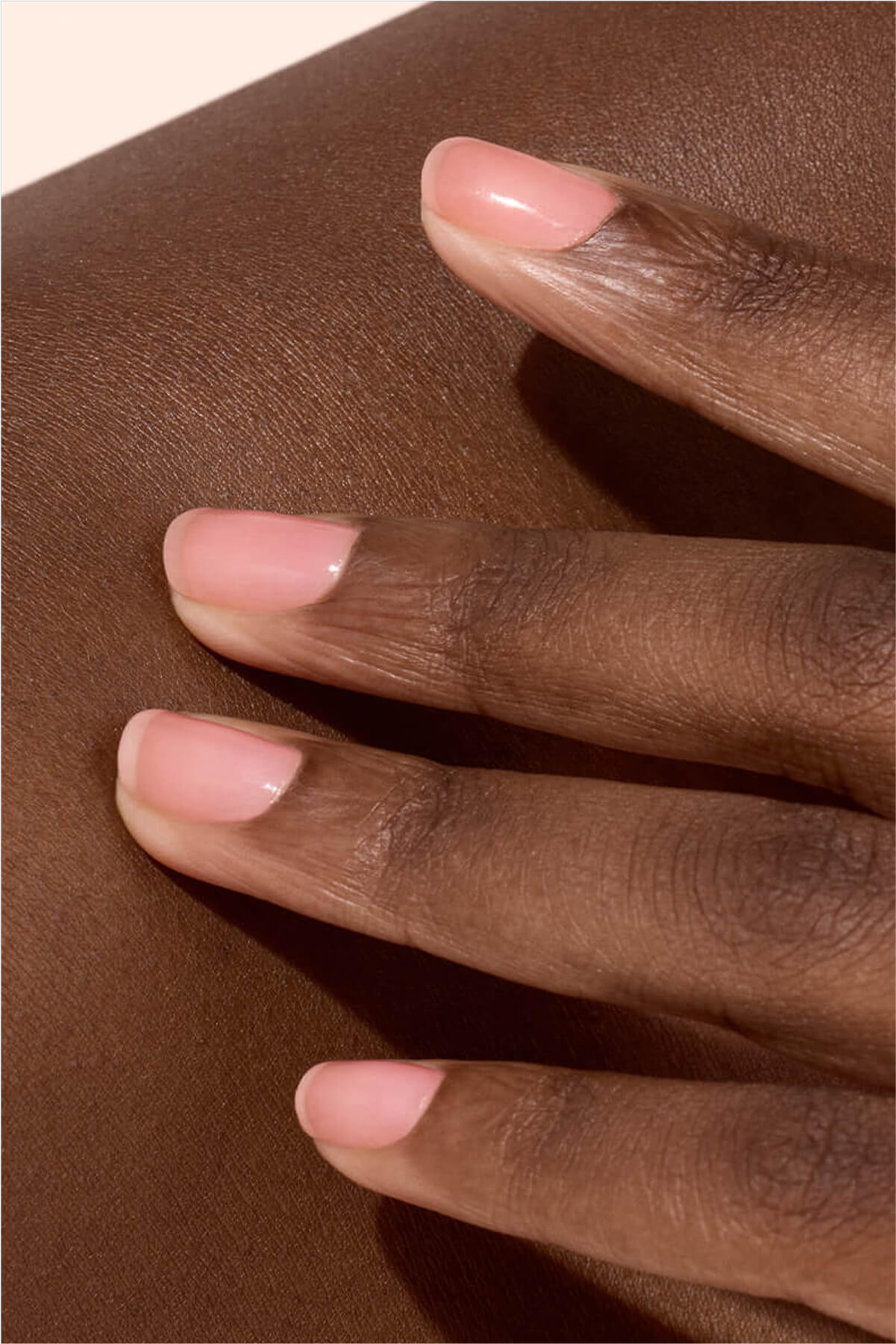
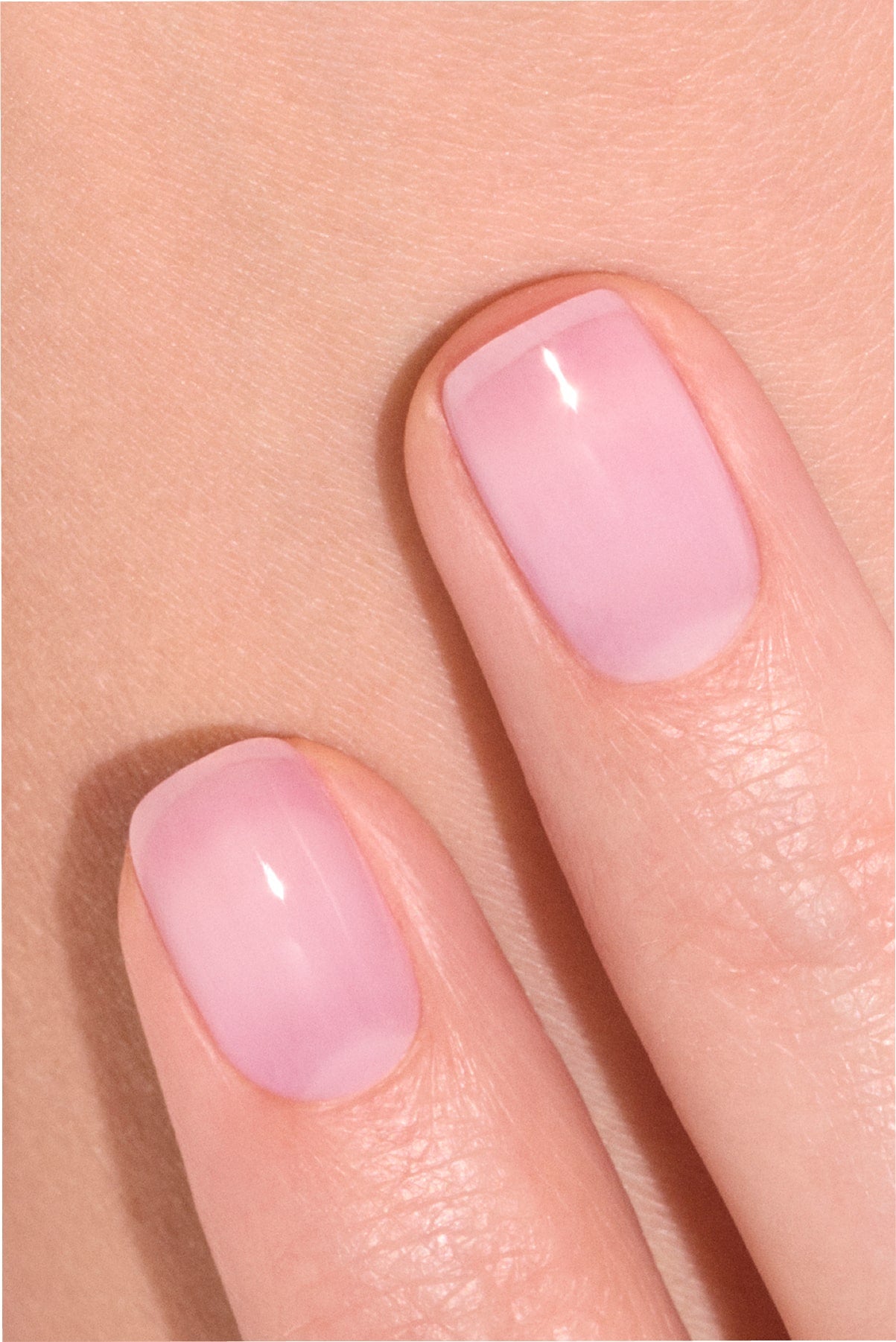
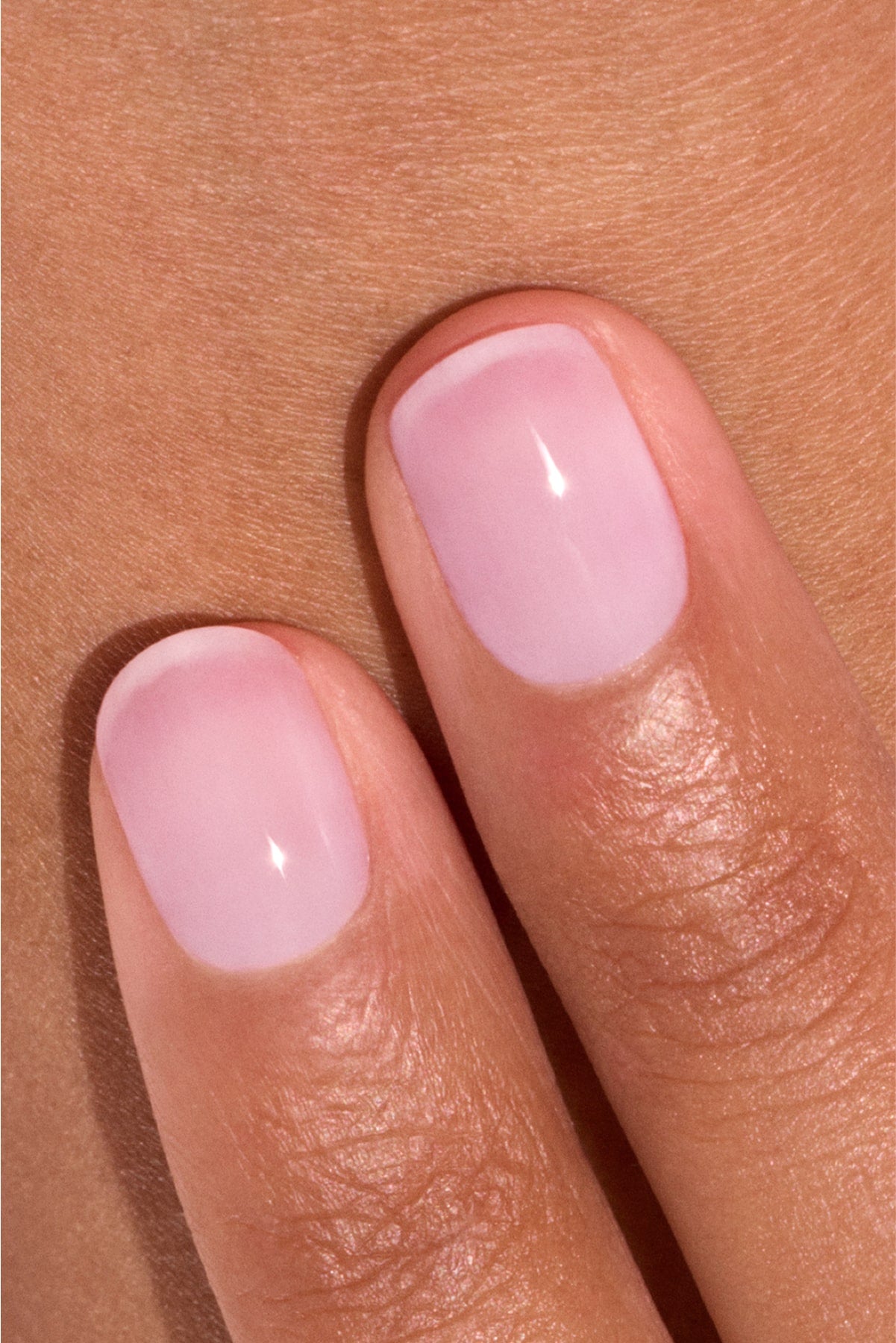
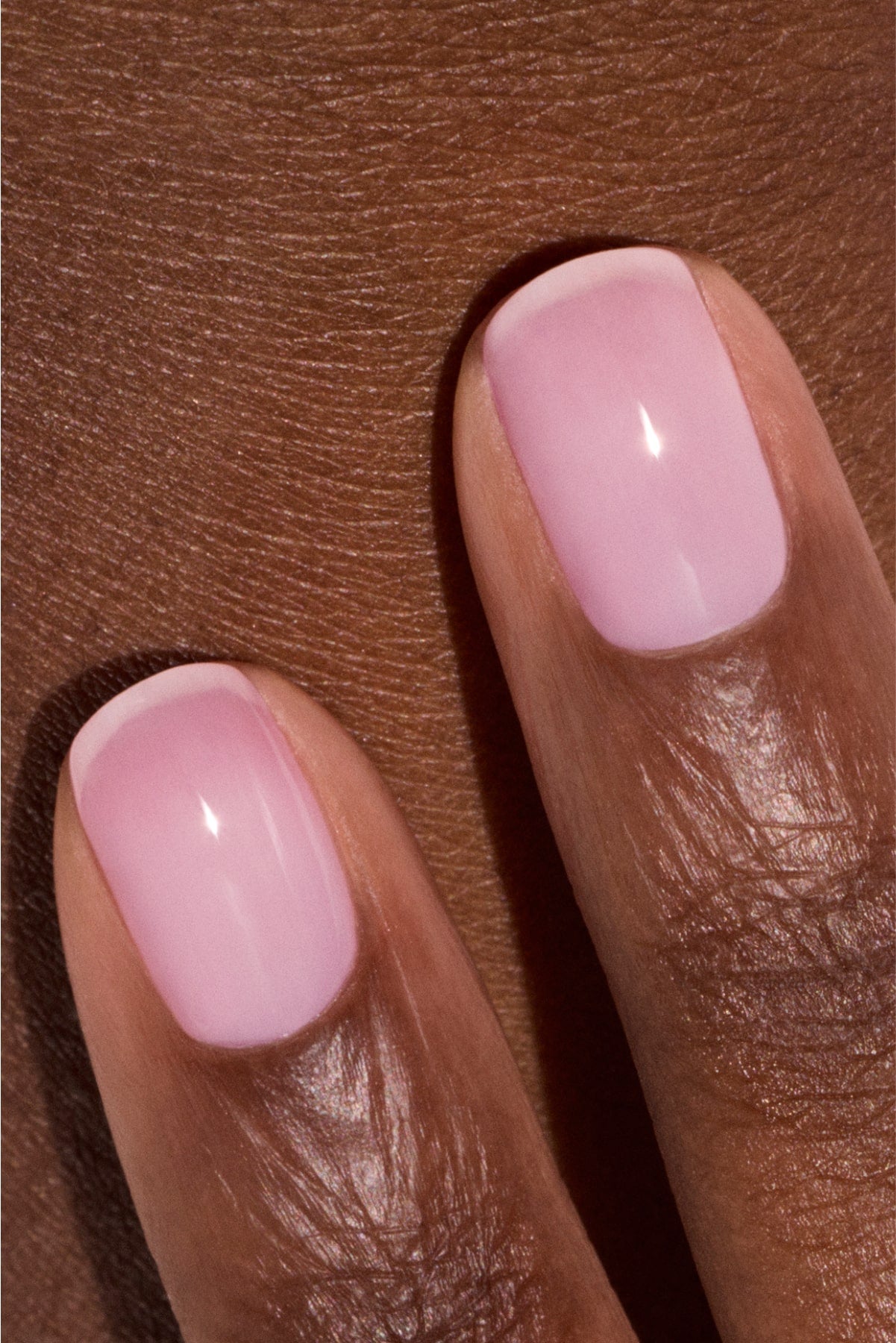
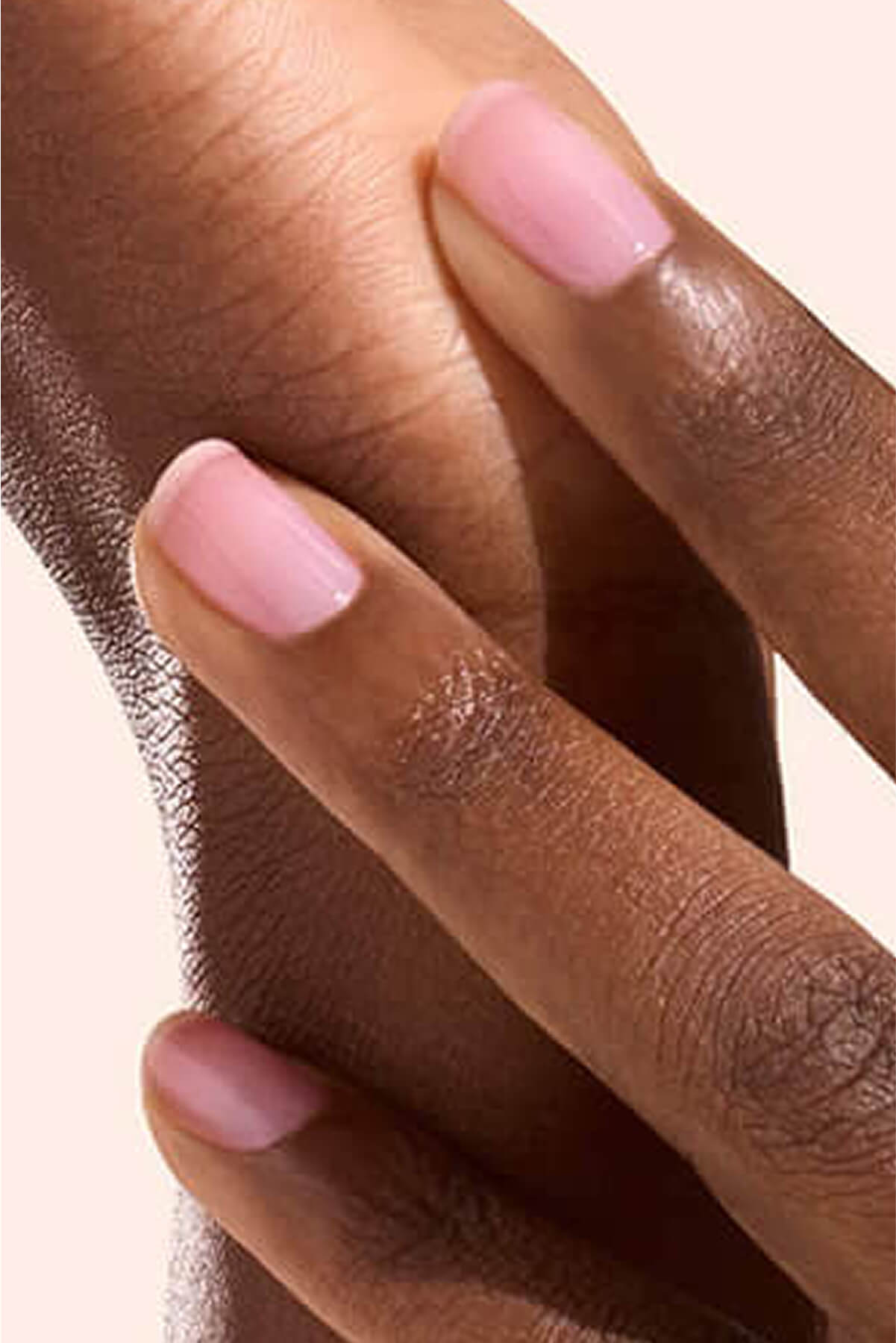
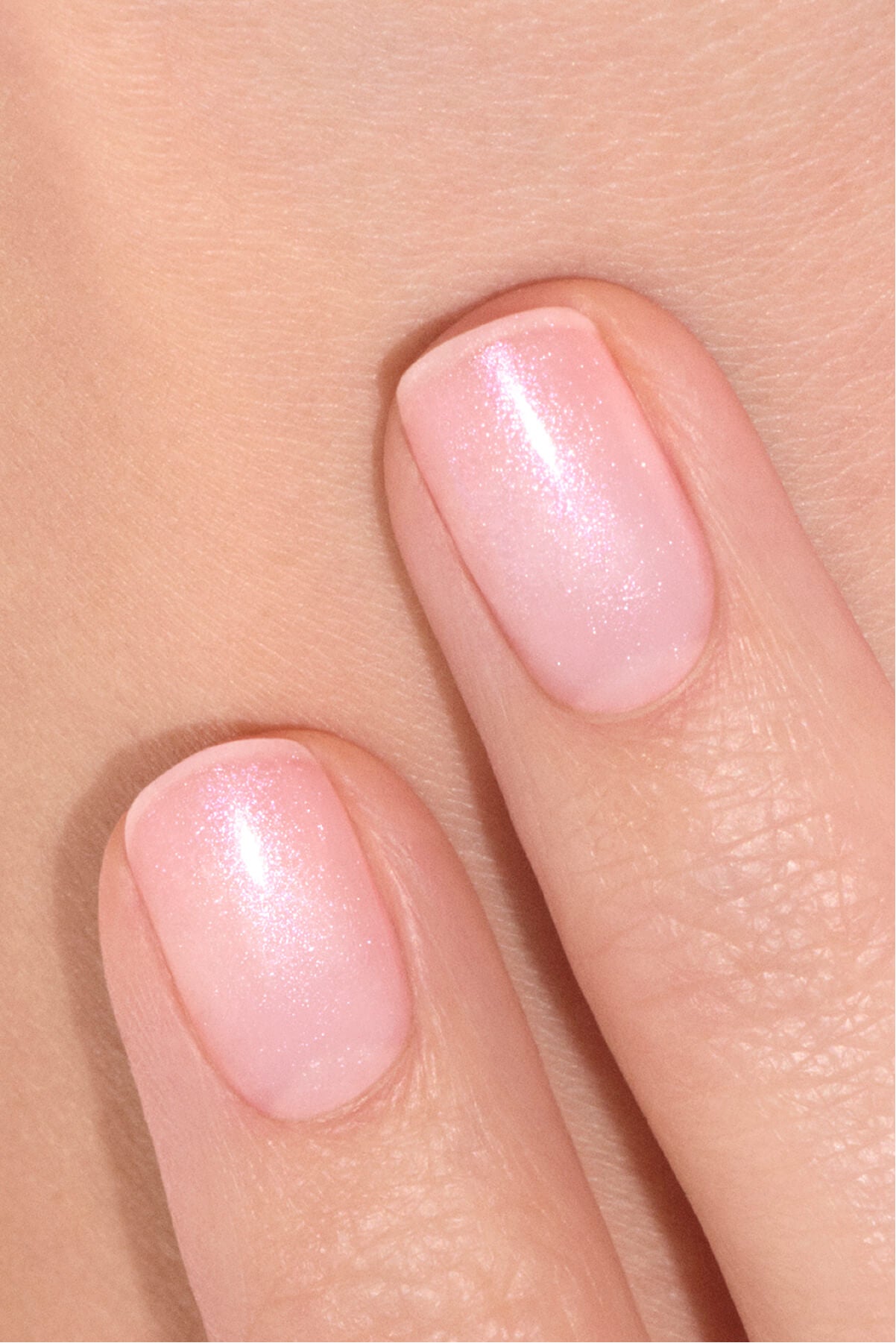
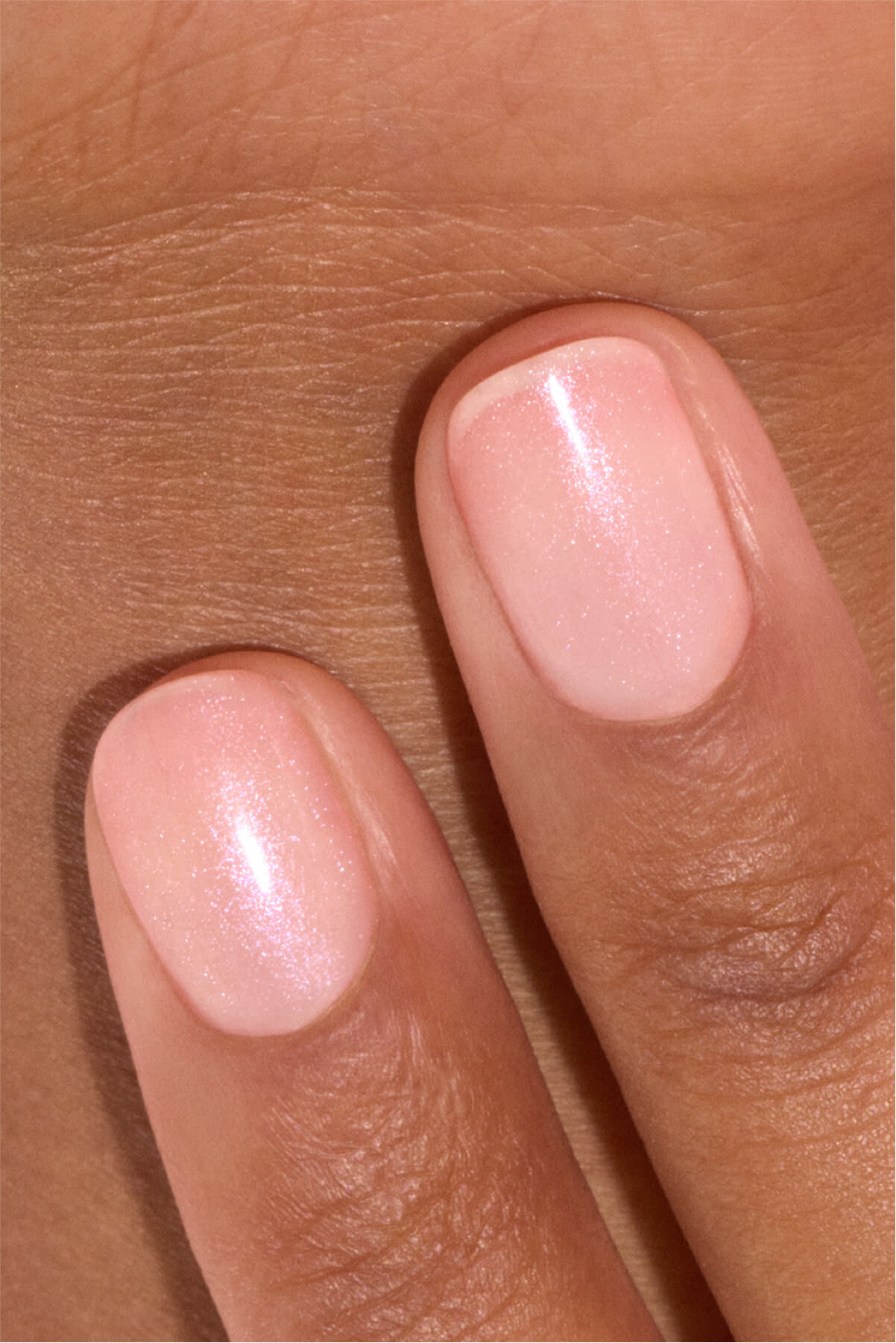
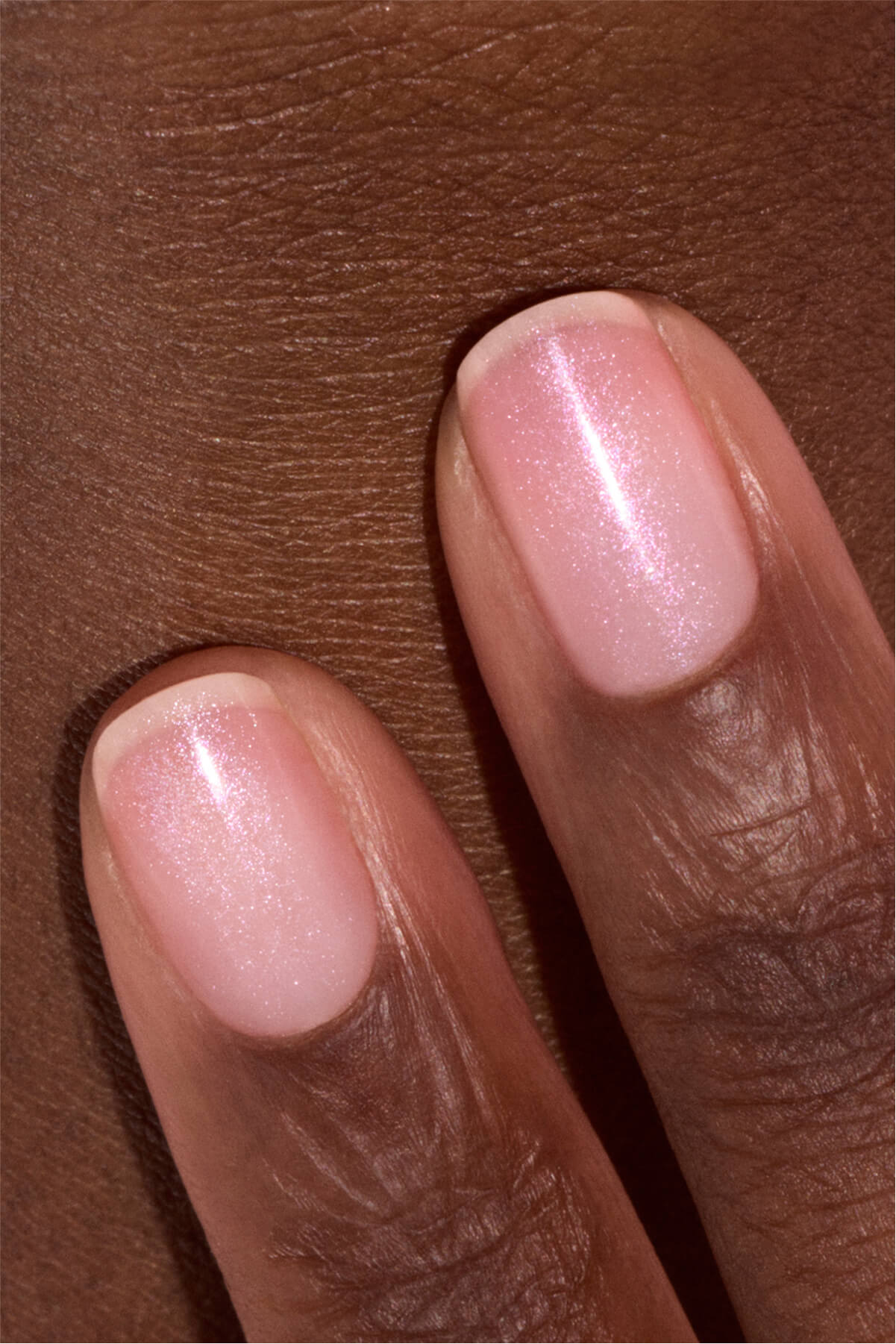
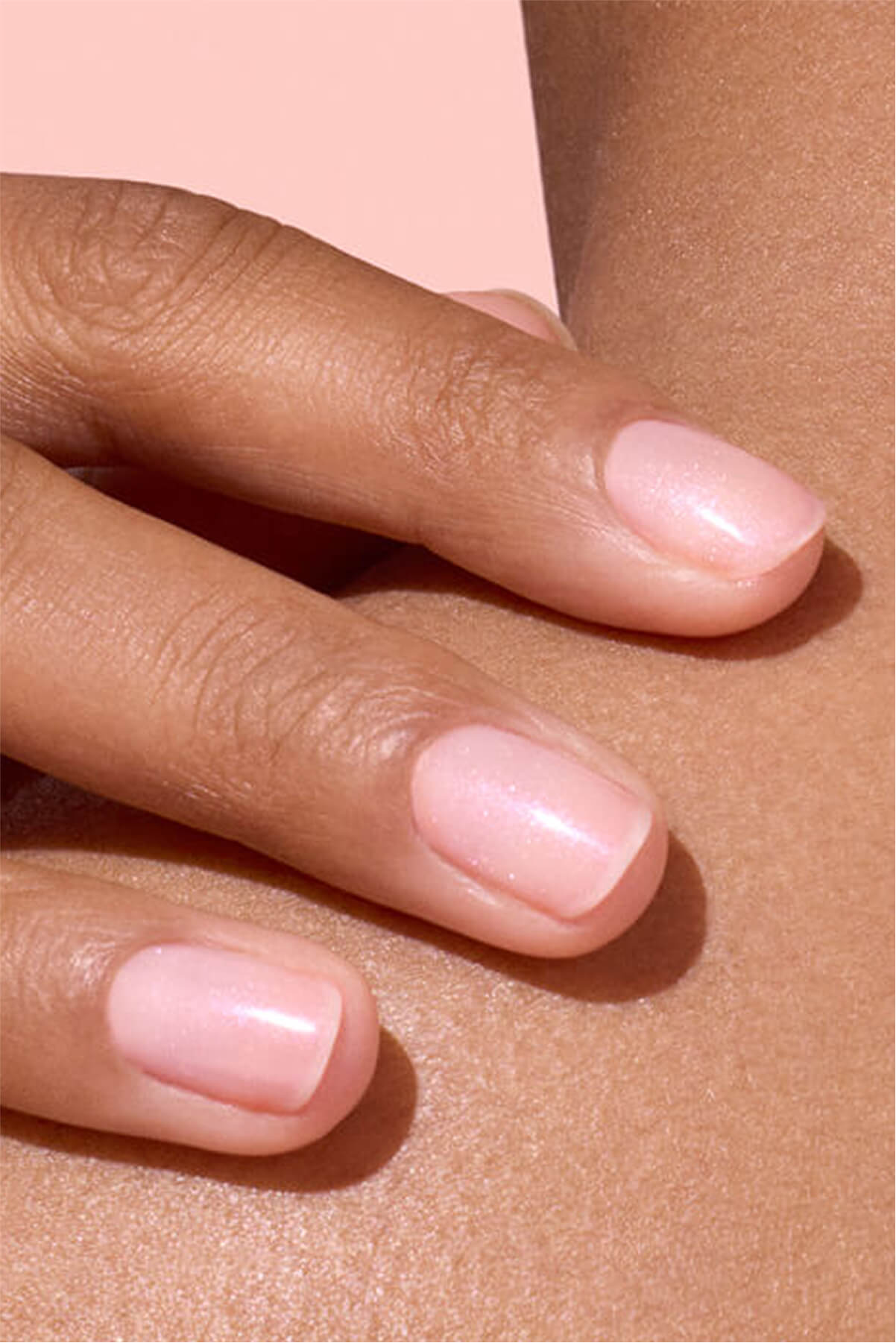
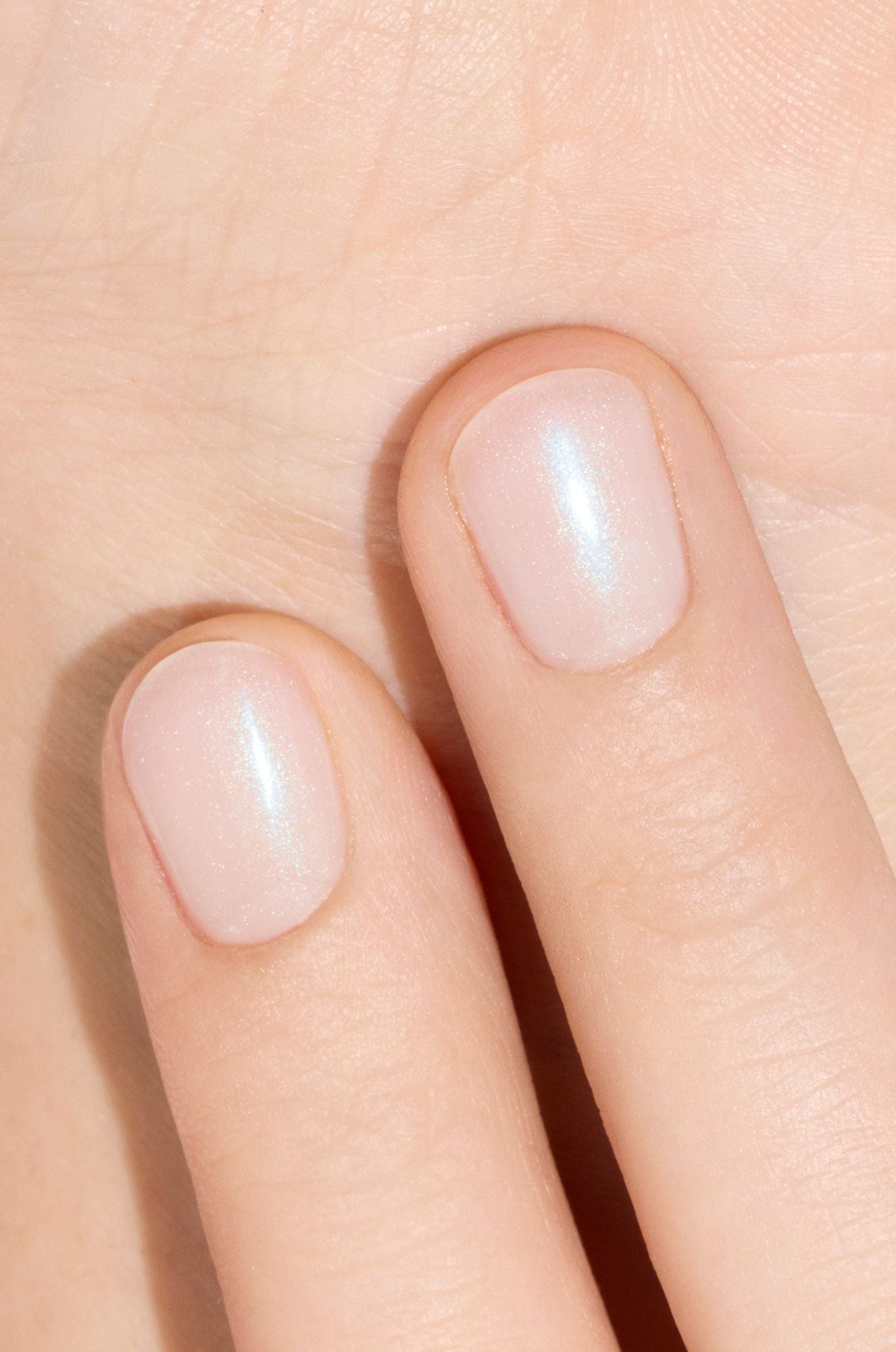
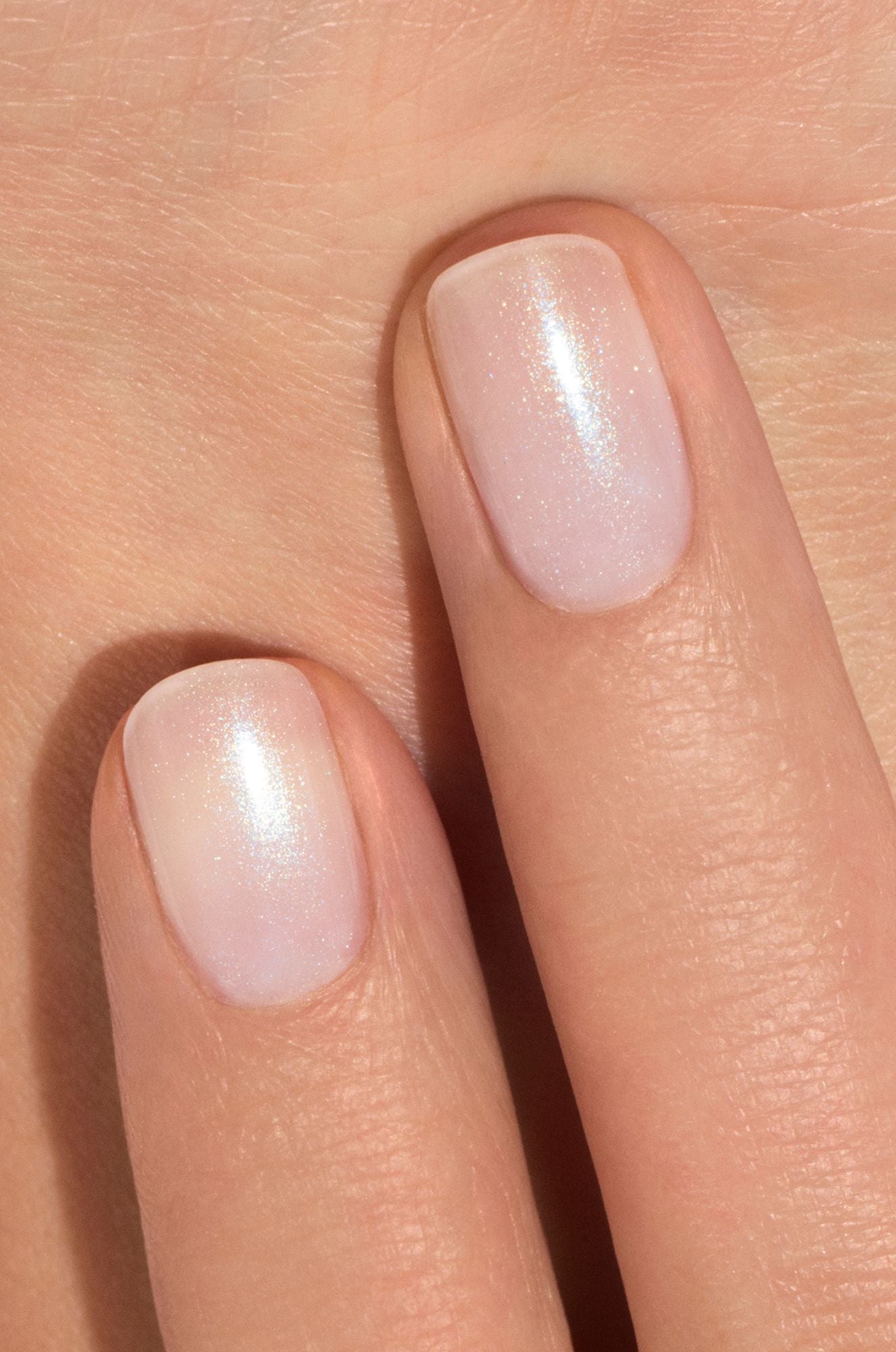
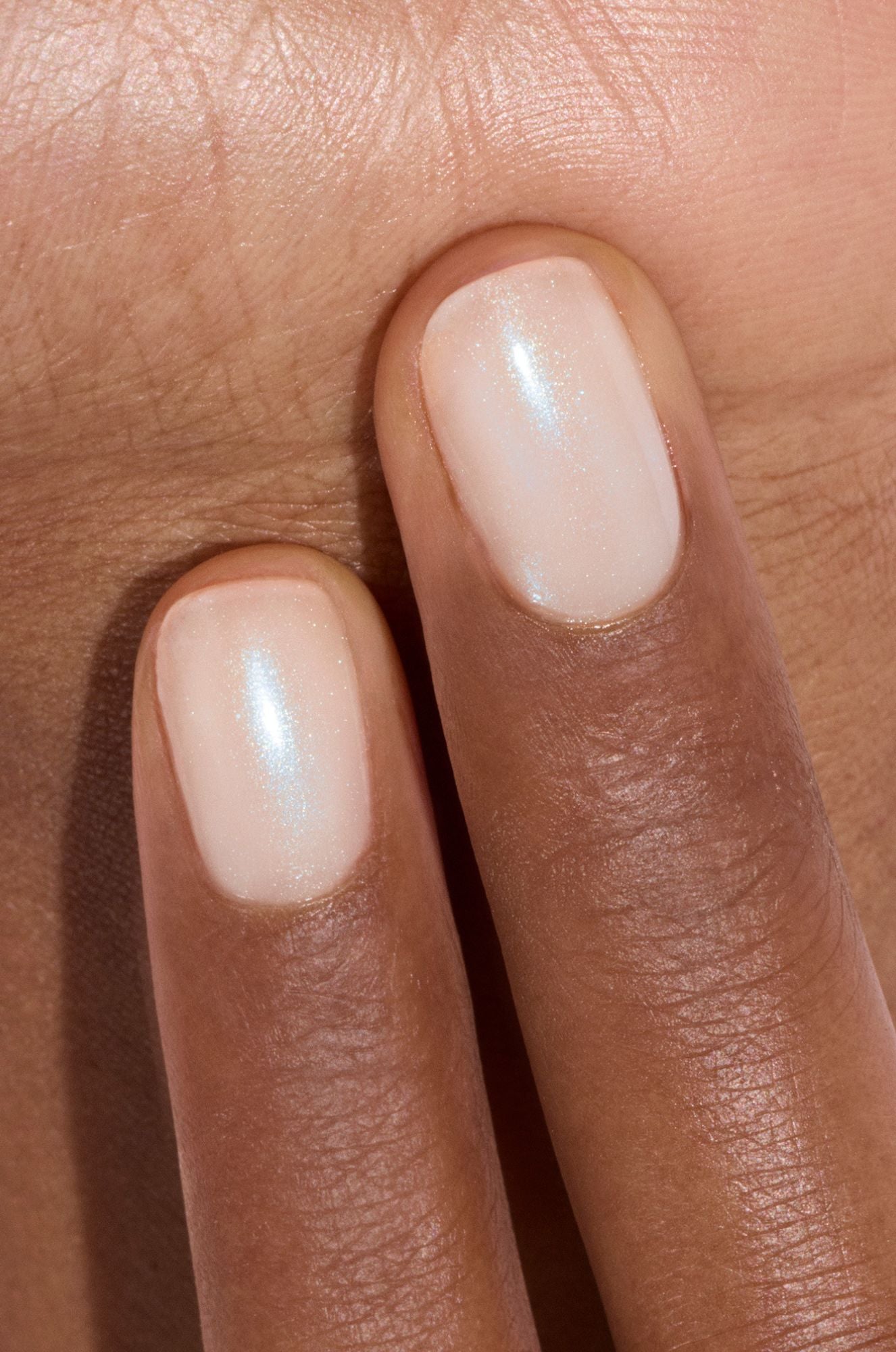
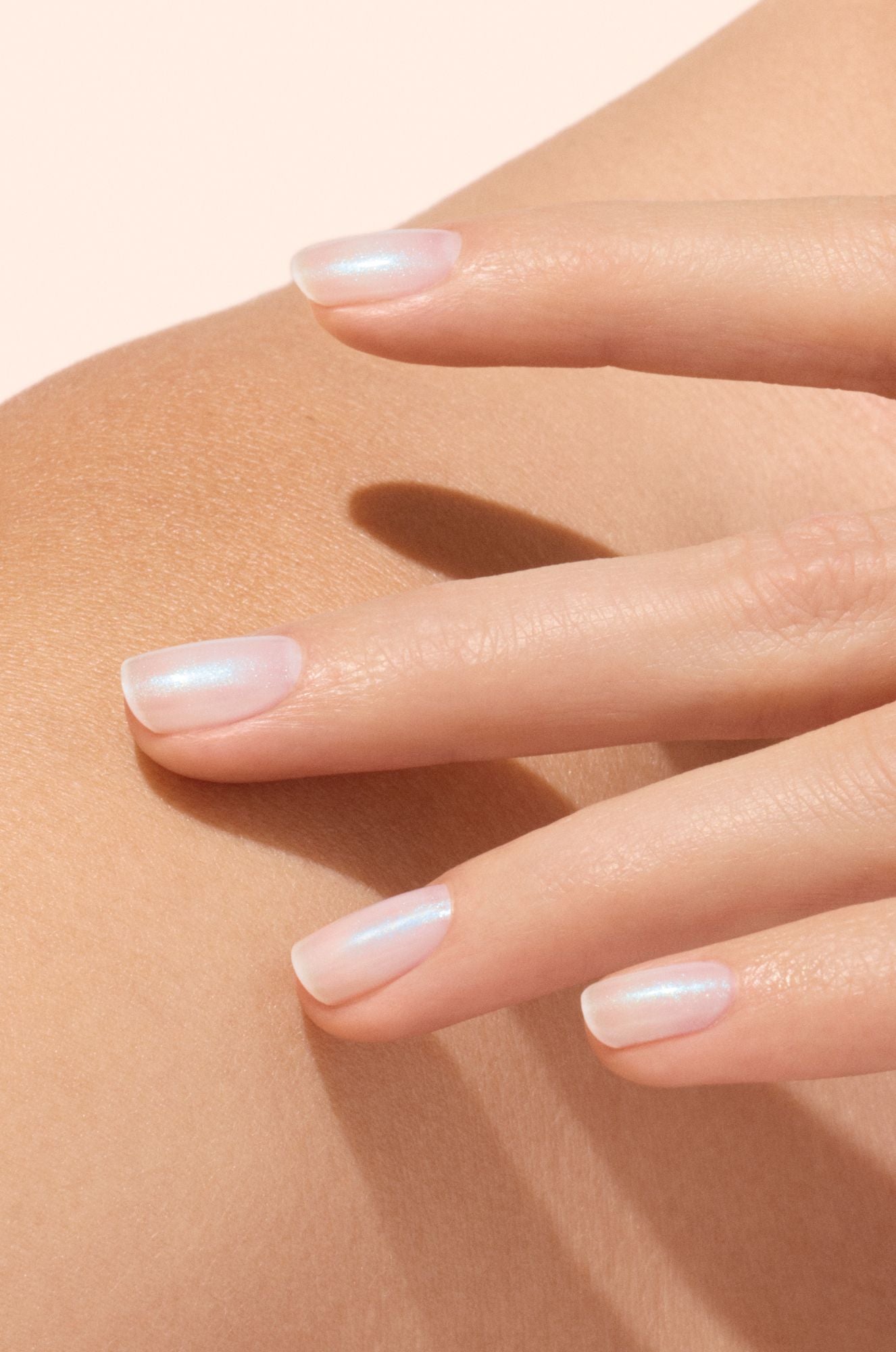
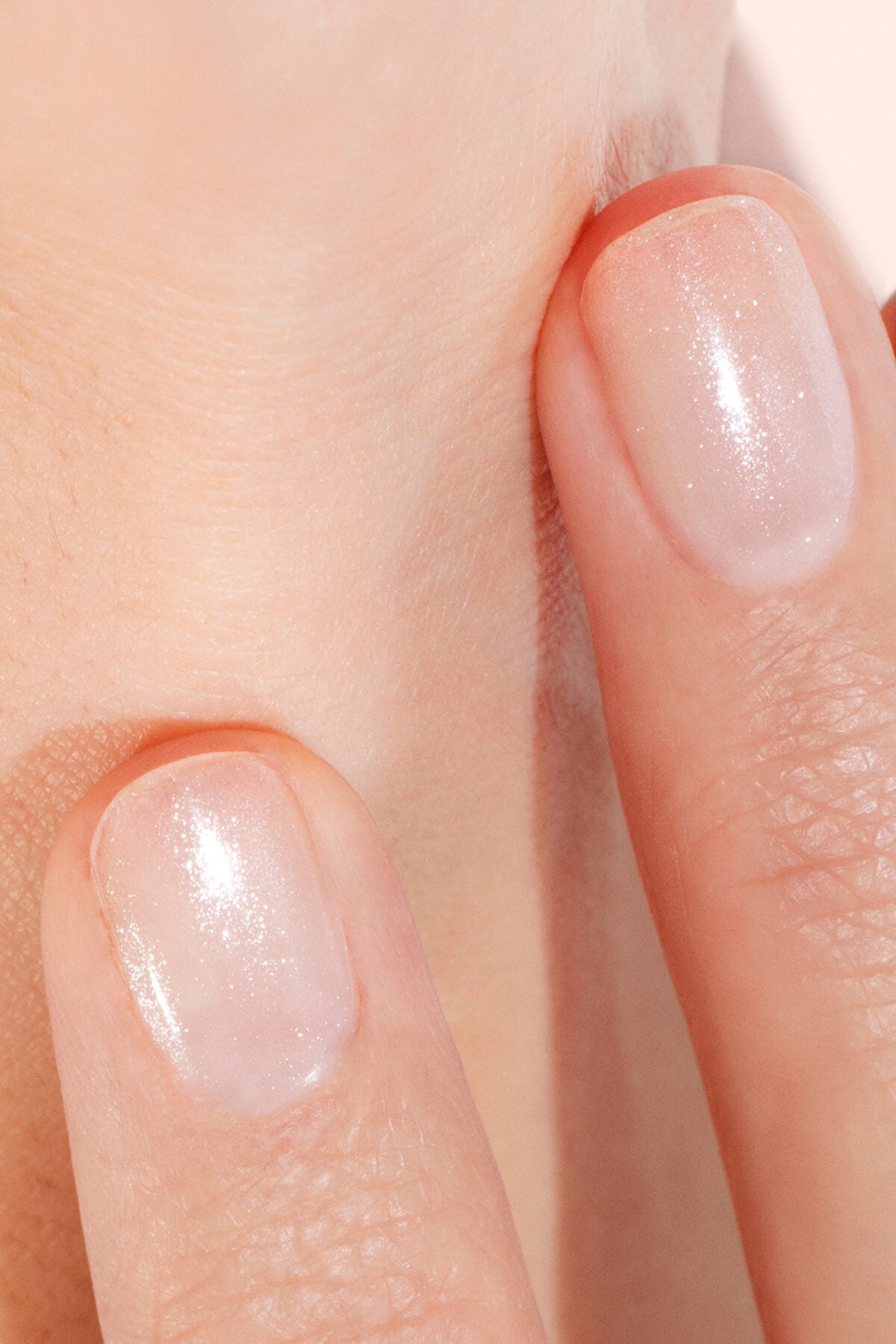
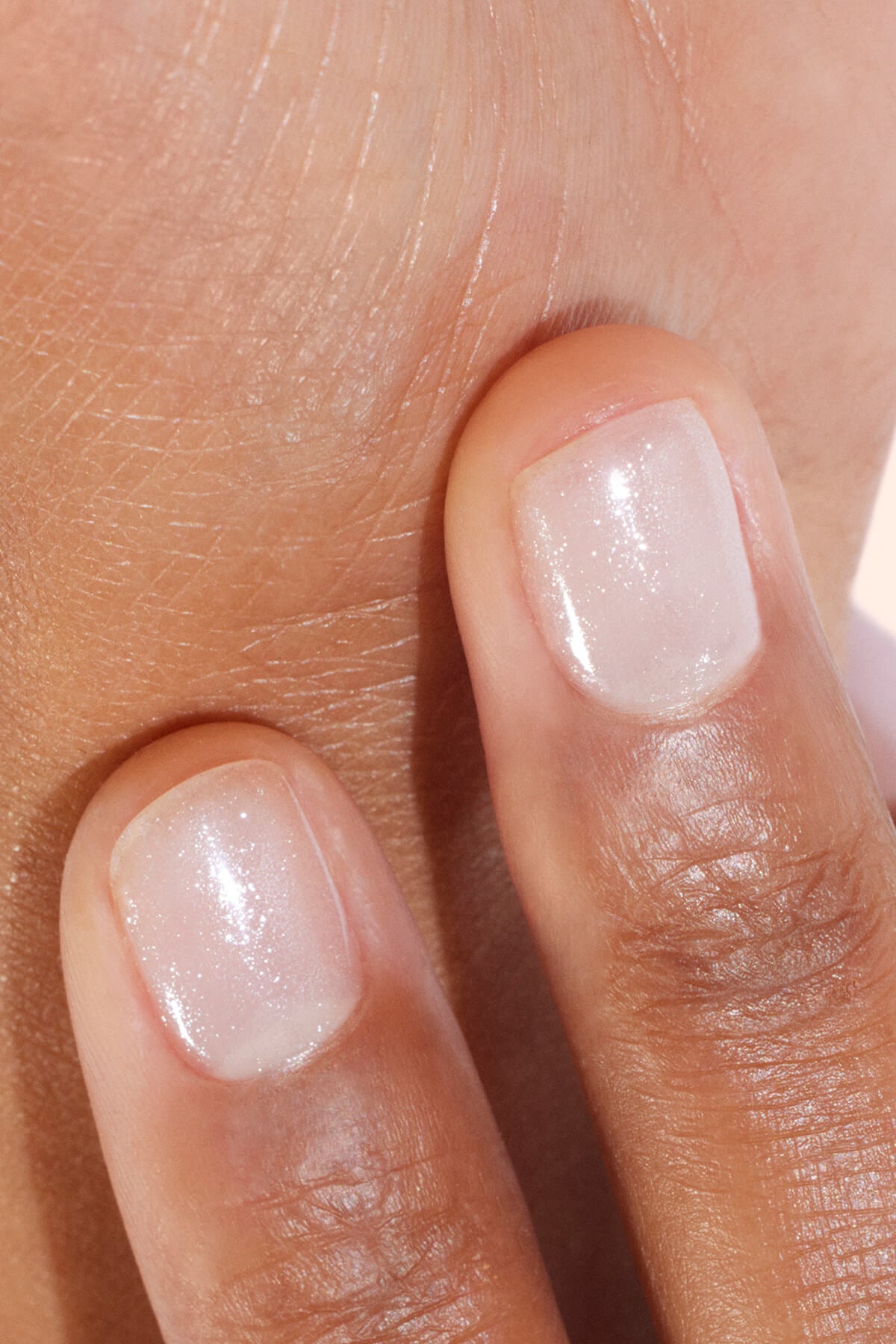
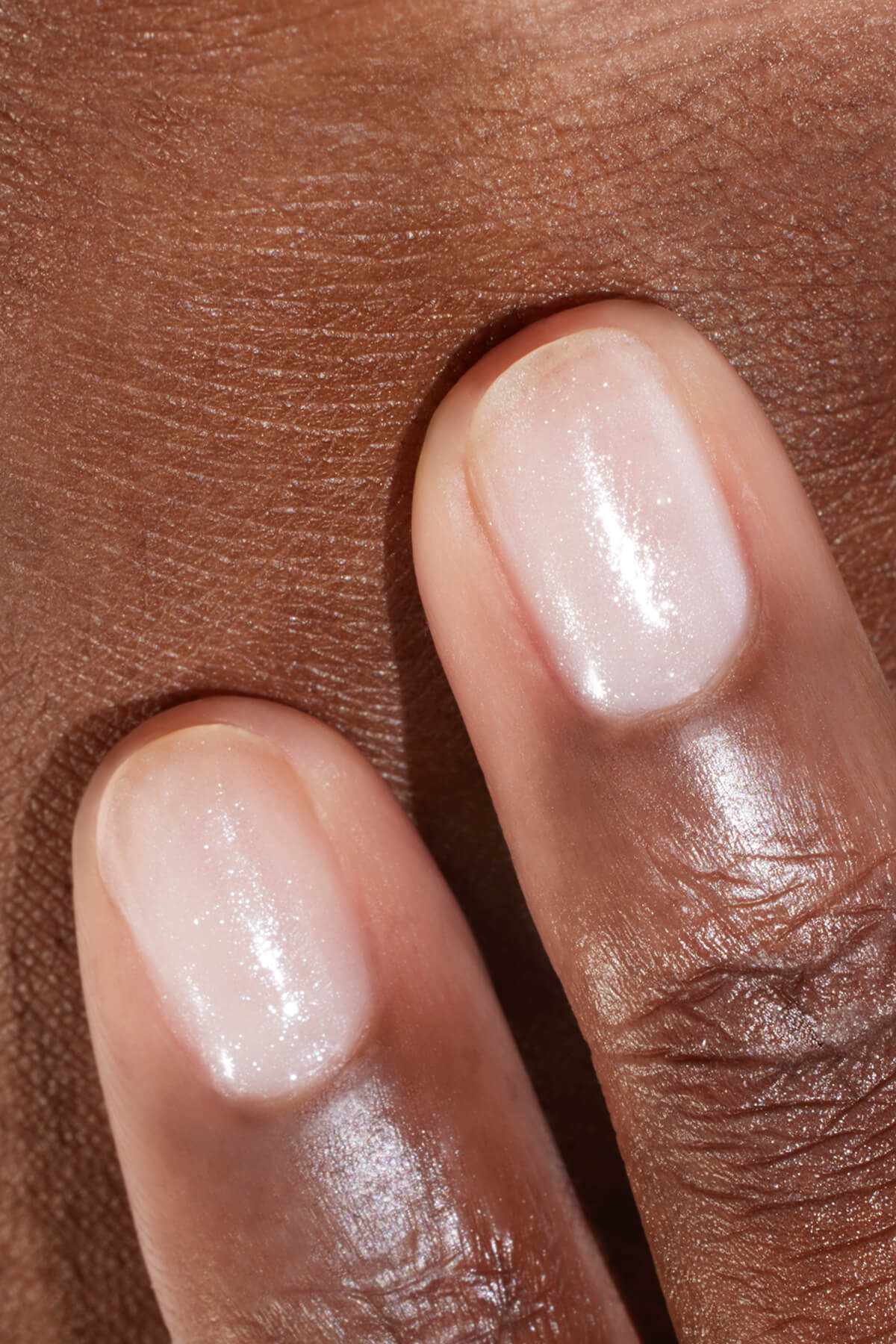
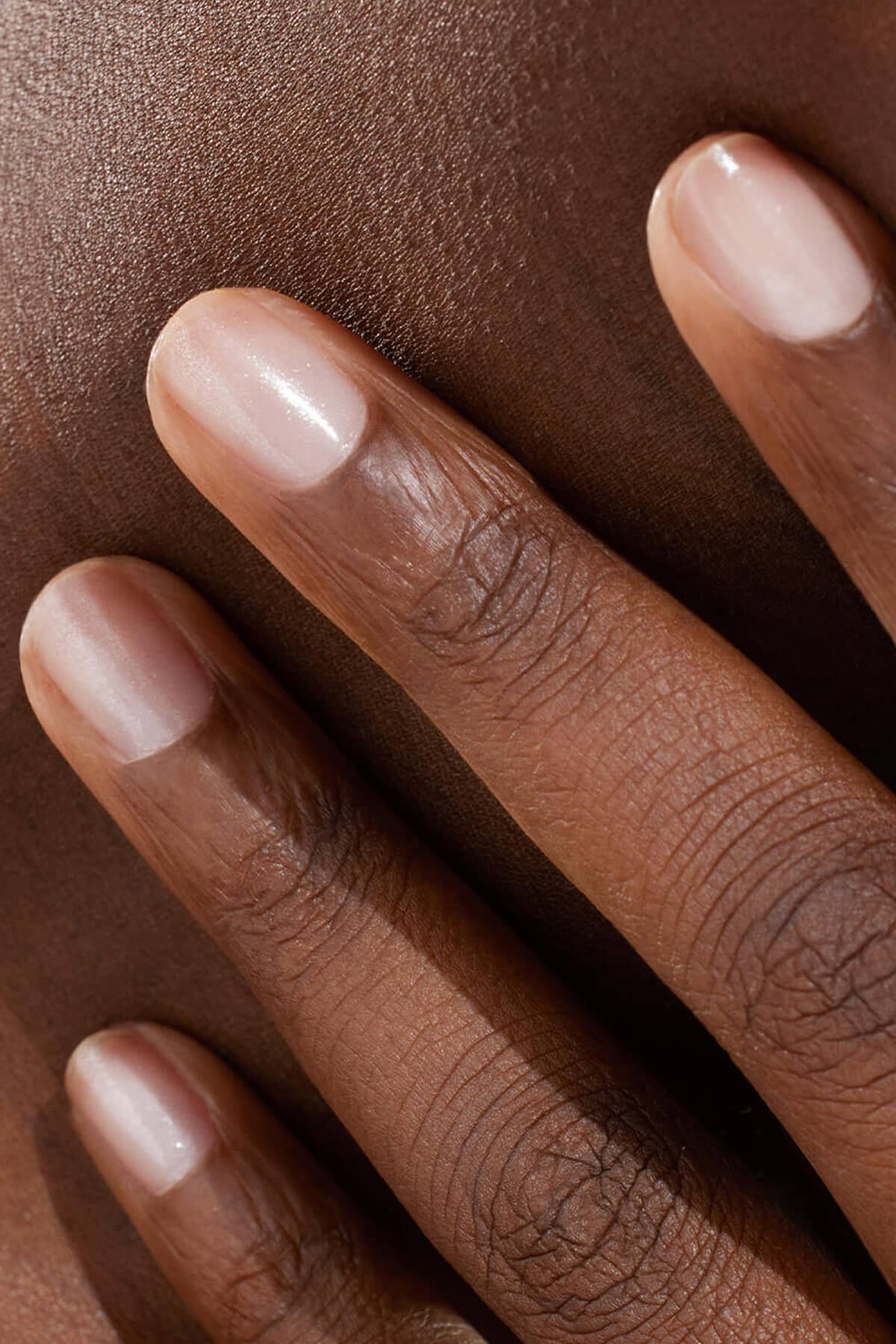
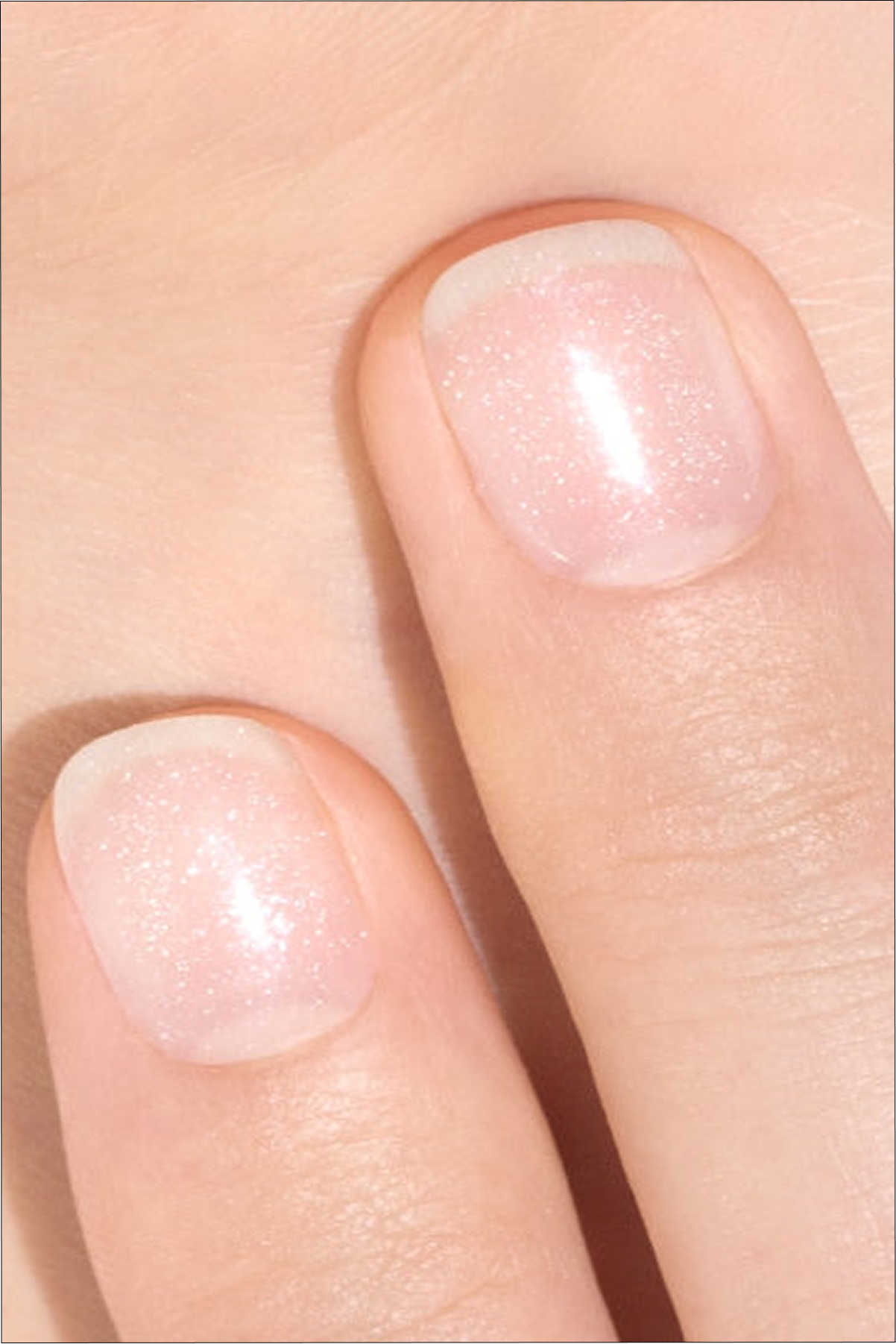
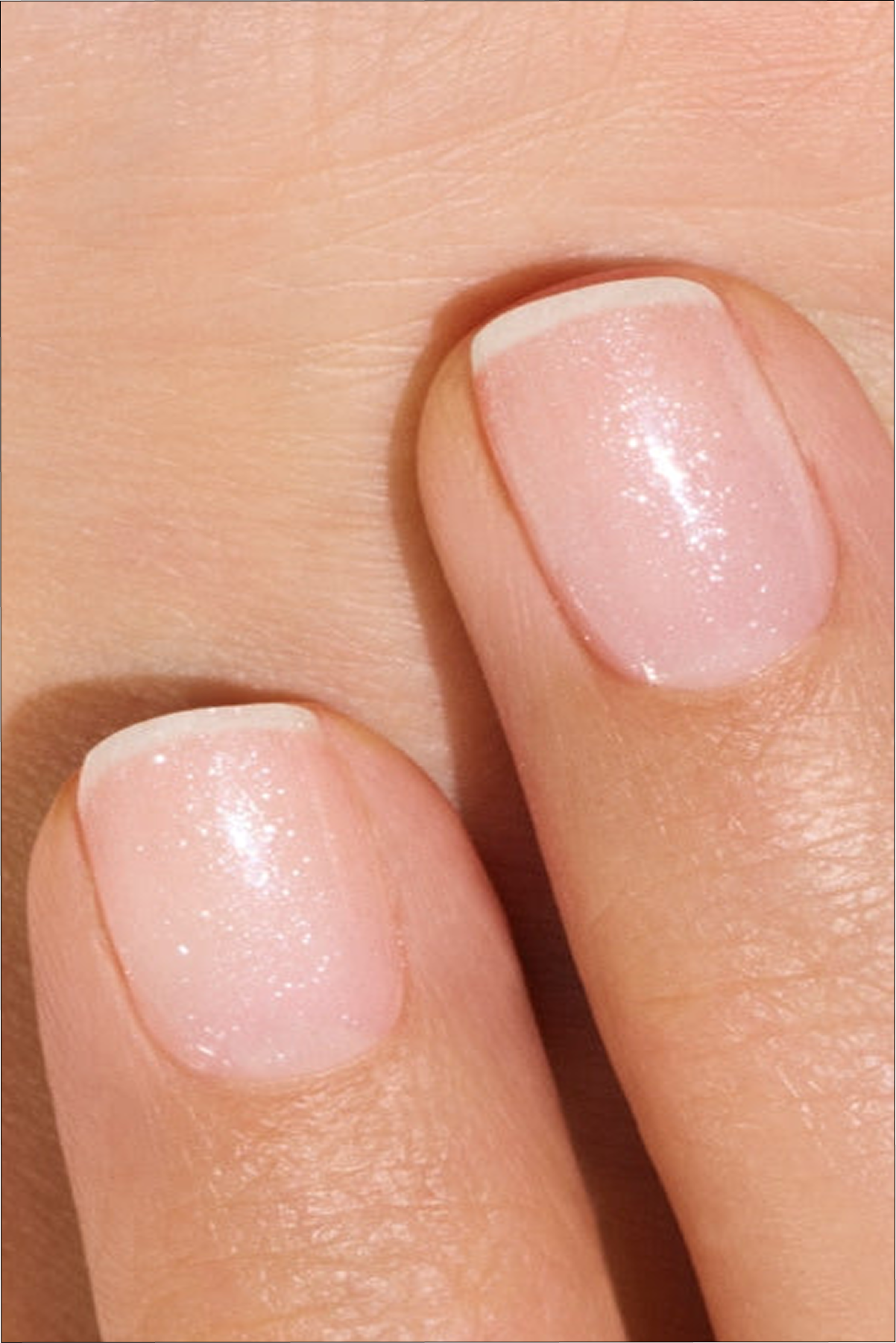
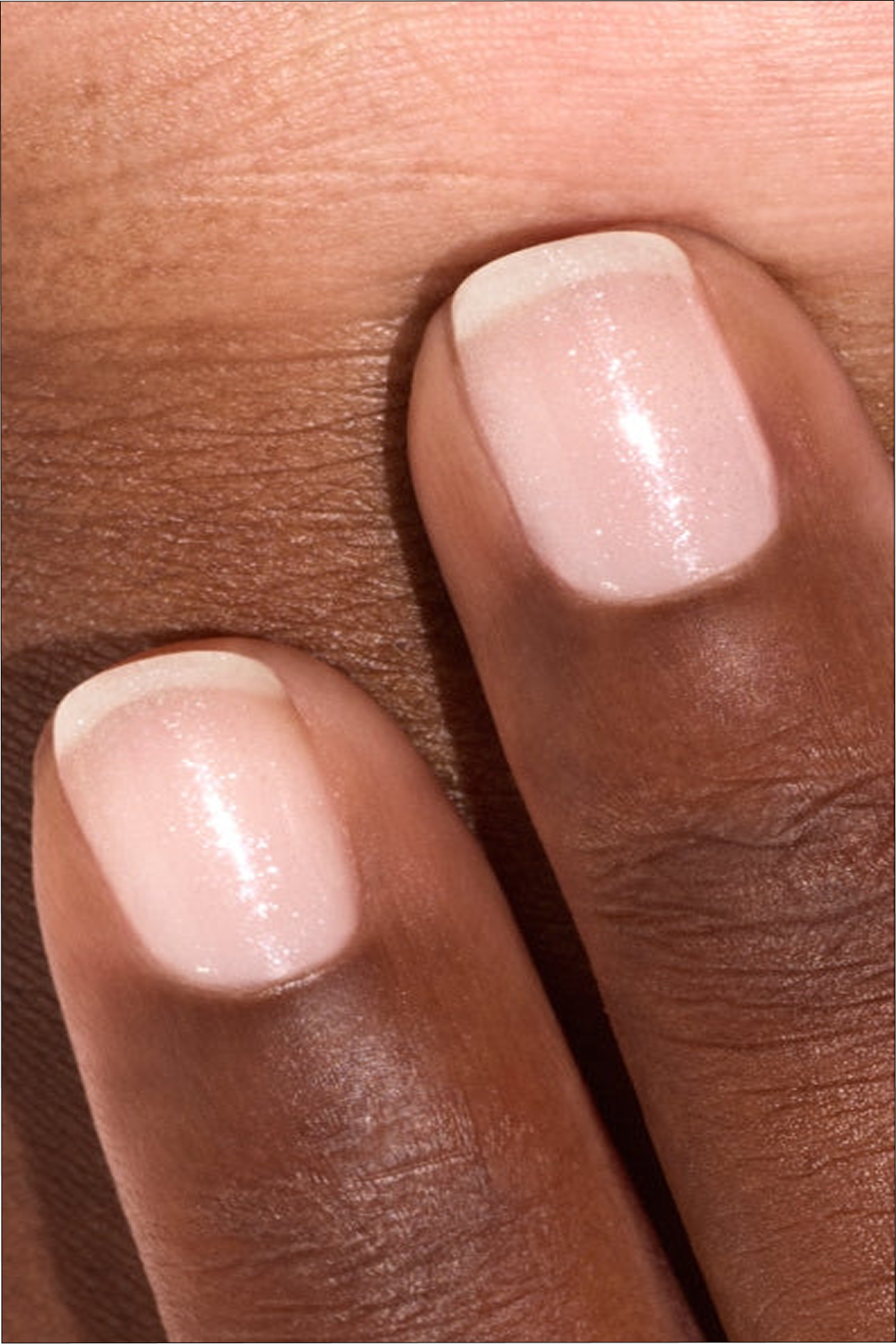
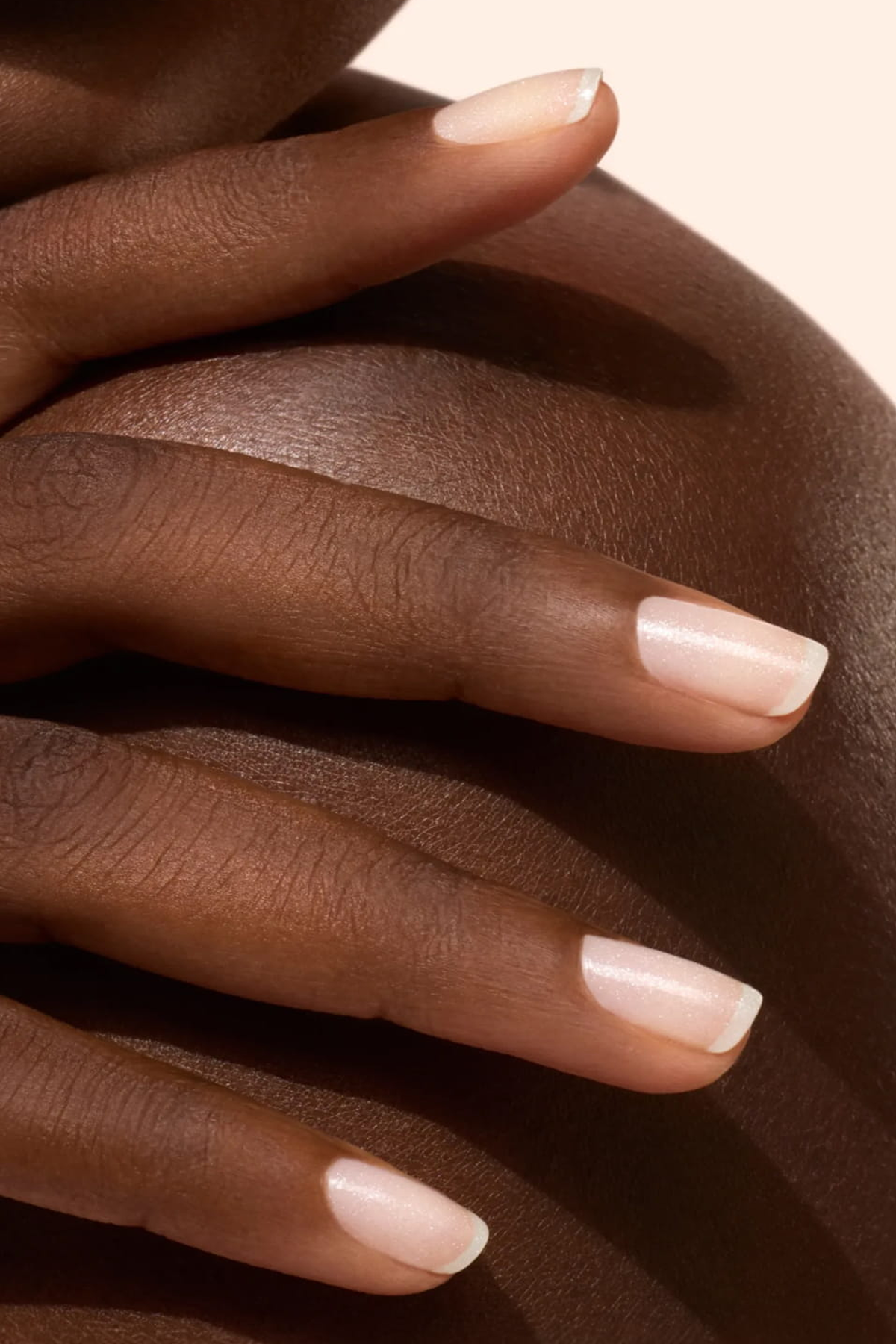
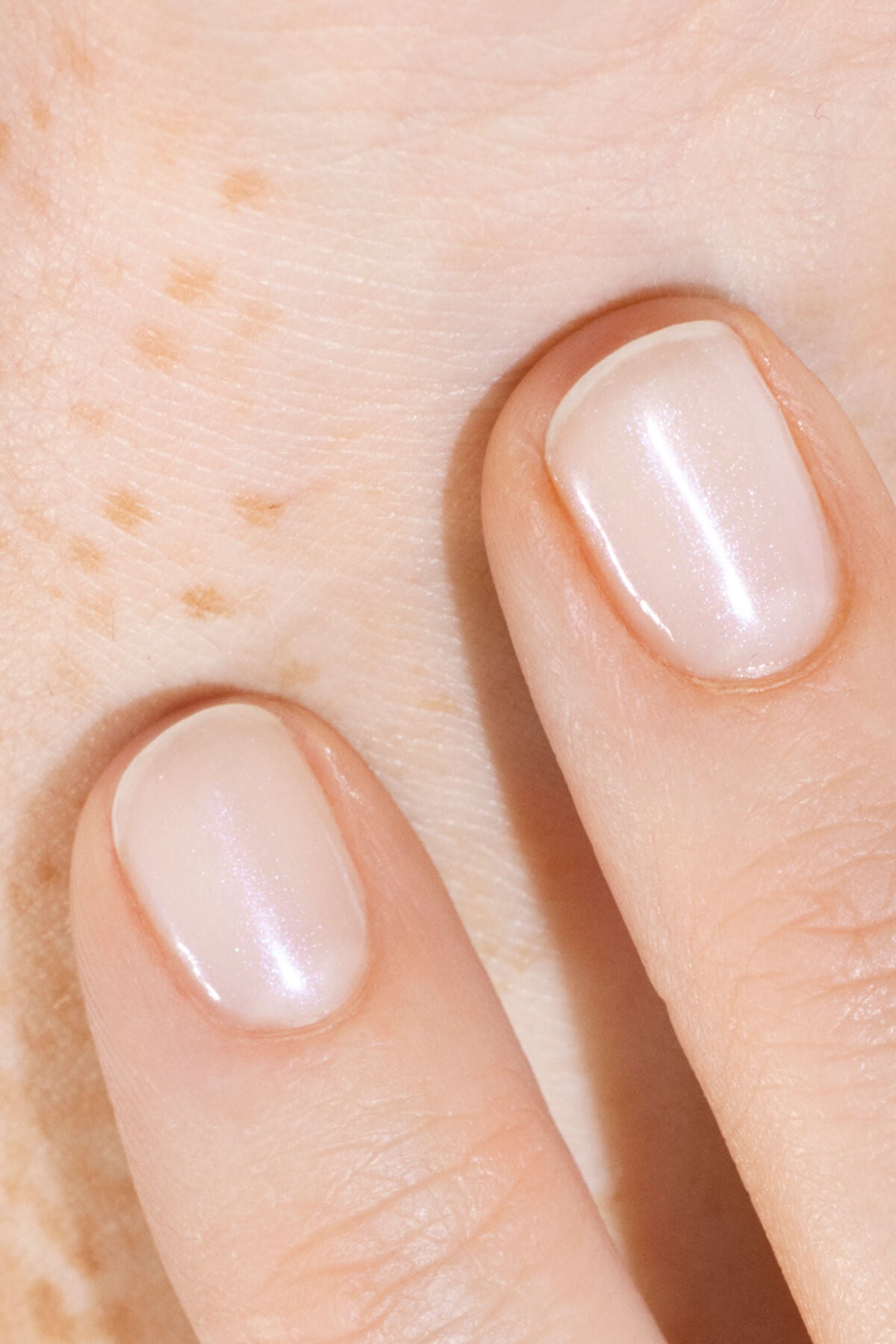
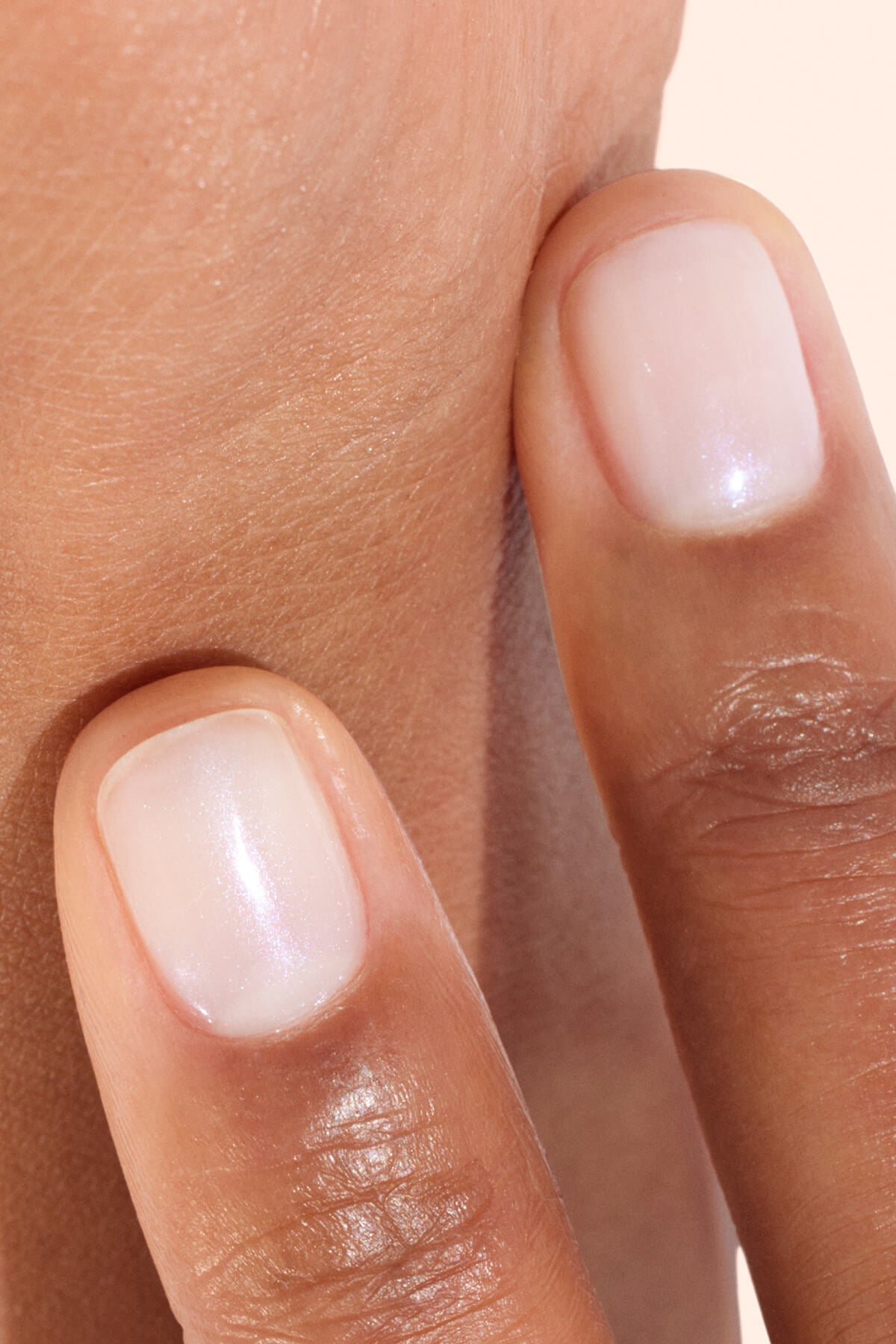
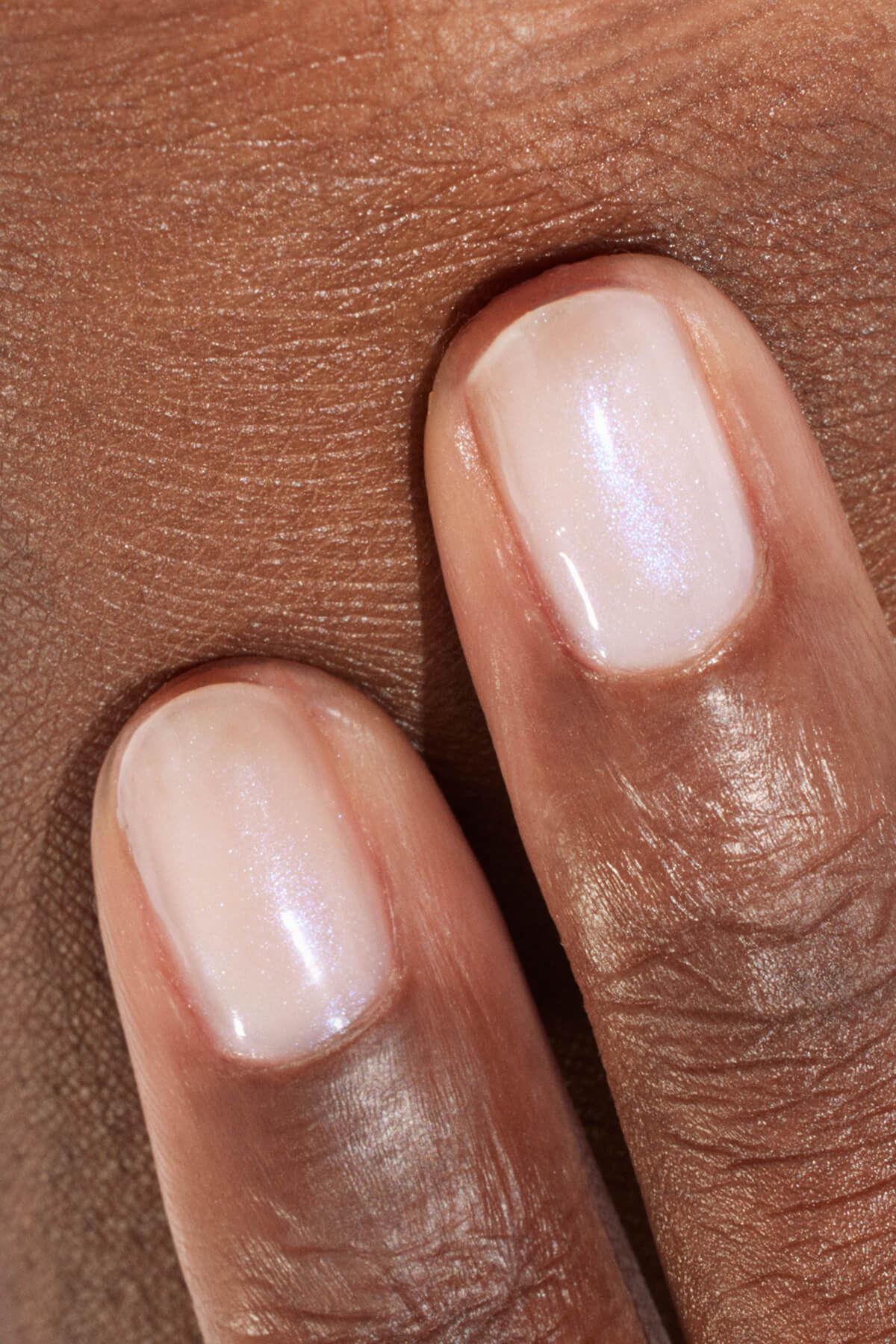
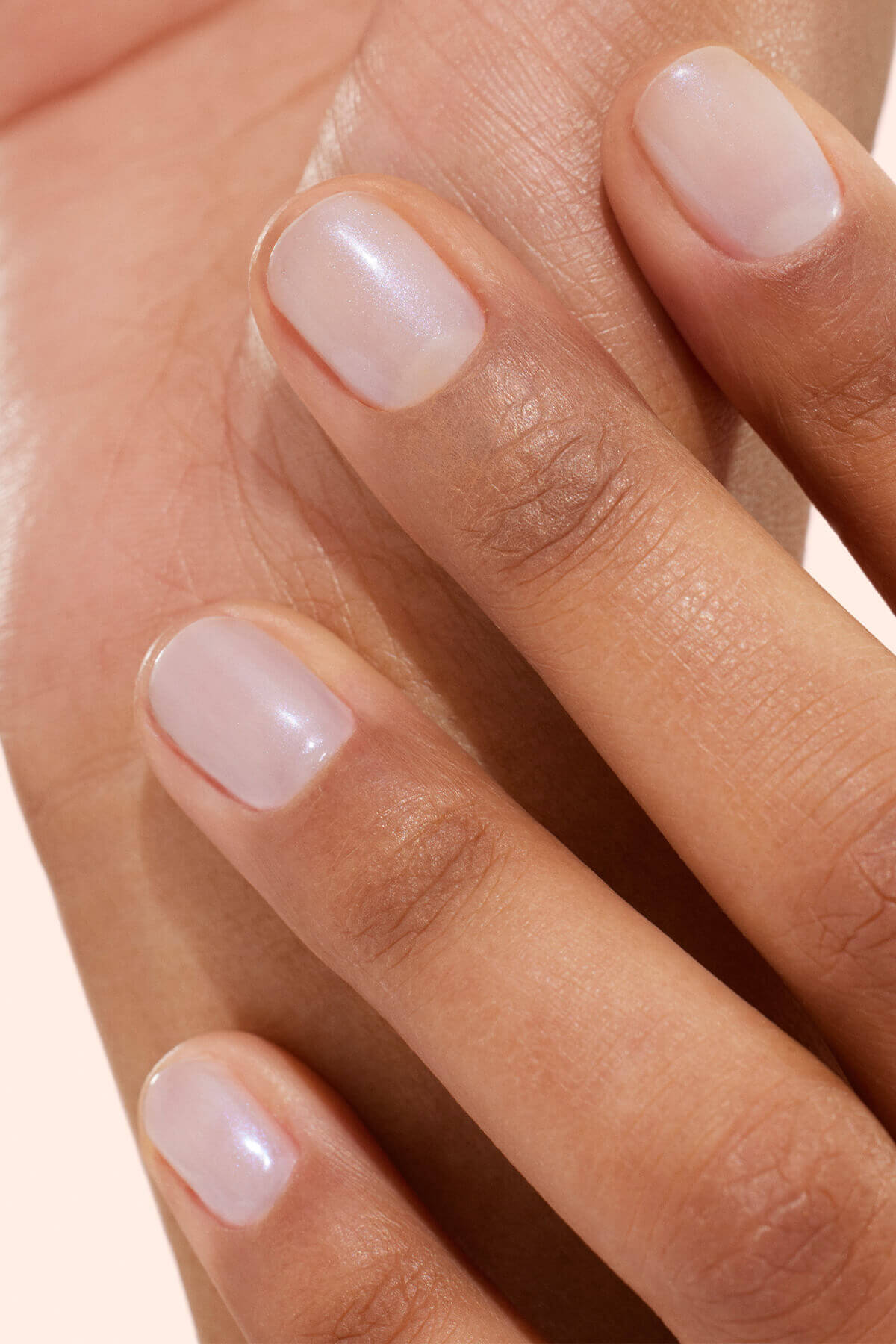
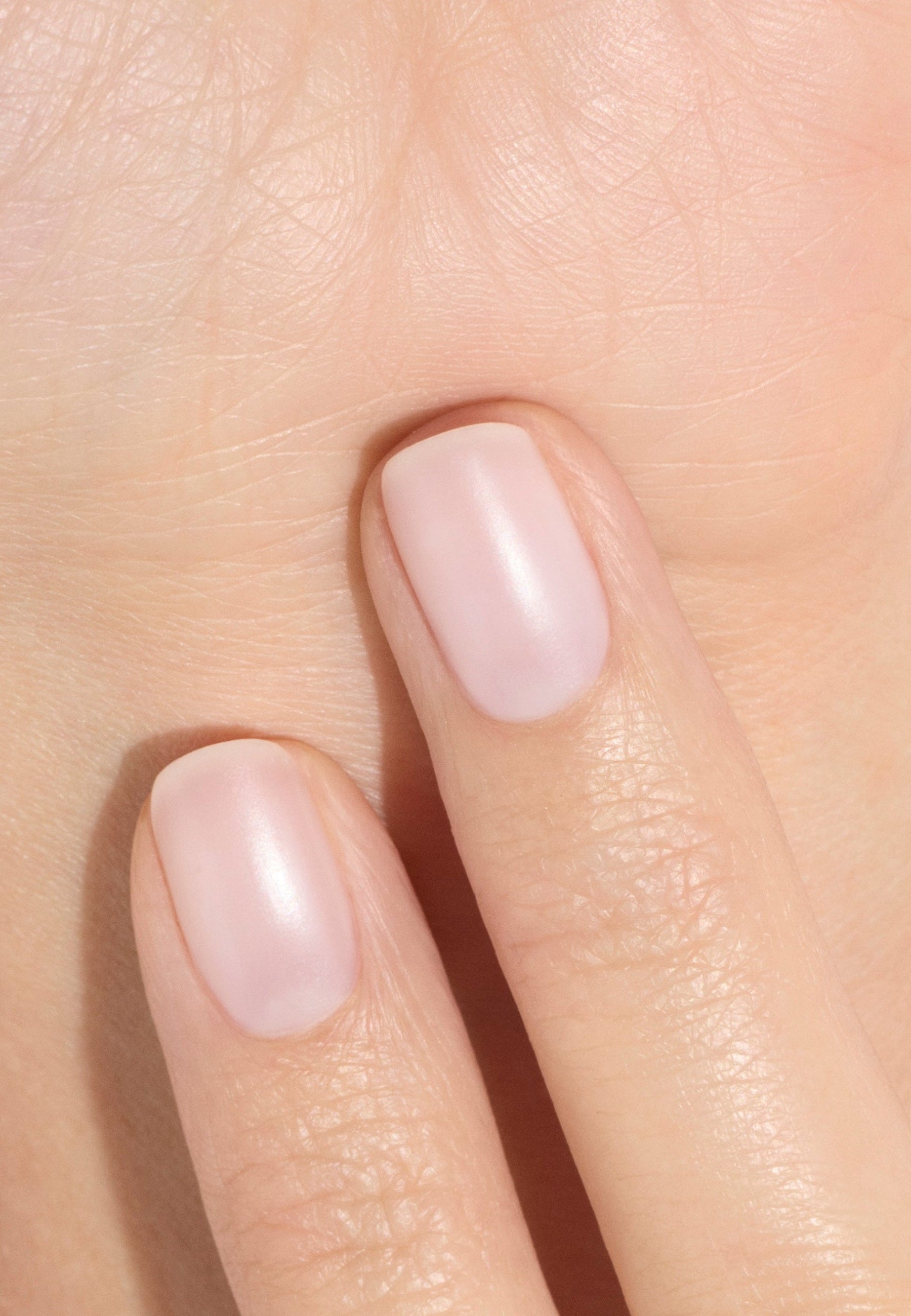
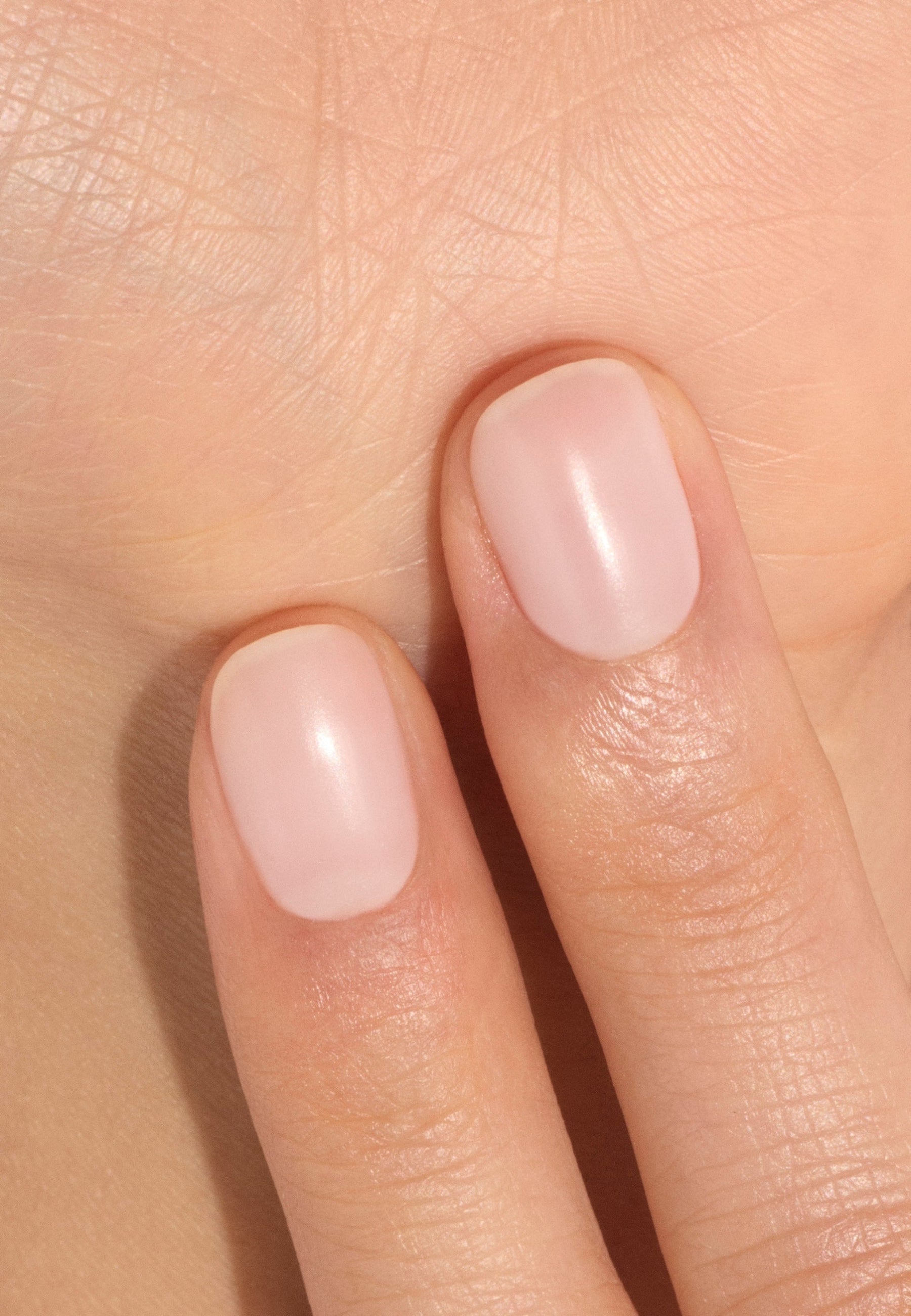
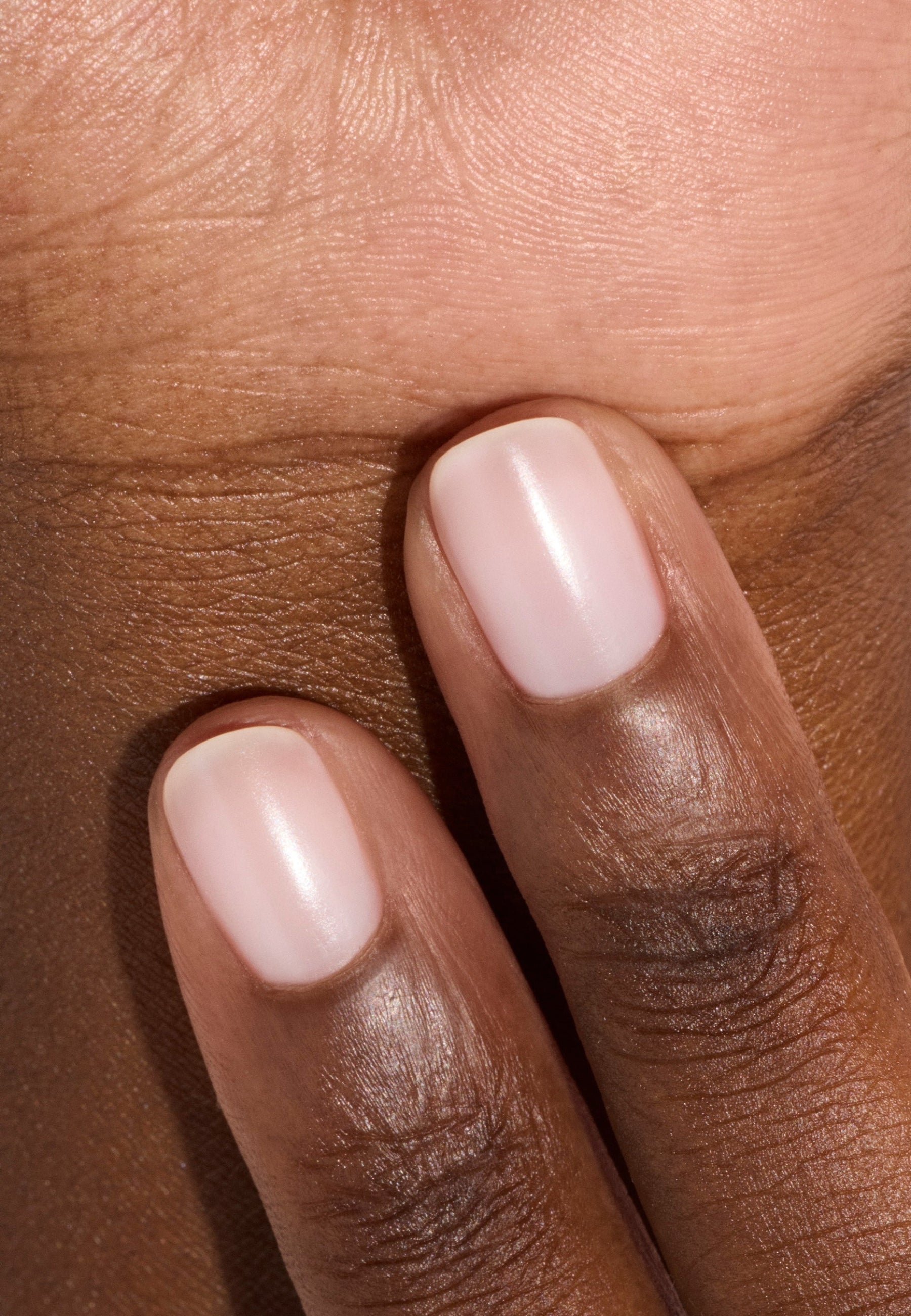
After decades of flamboyant manicures and extravagant nail art, naturalness regains its rights. Trends in the soap, Bare-nails and others clean girl nails embody this desire for simplicity and aesthetics of theless is more的: shiny, transparent nails, perfectly maintained, with just what it takes to shine. It's the manicure nude 2.0, subtle and ultra chic at the same time!
A new vision of manicure
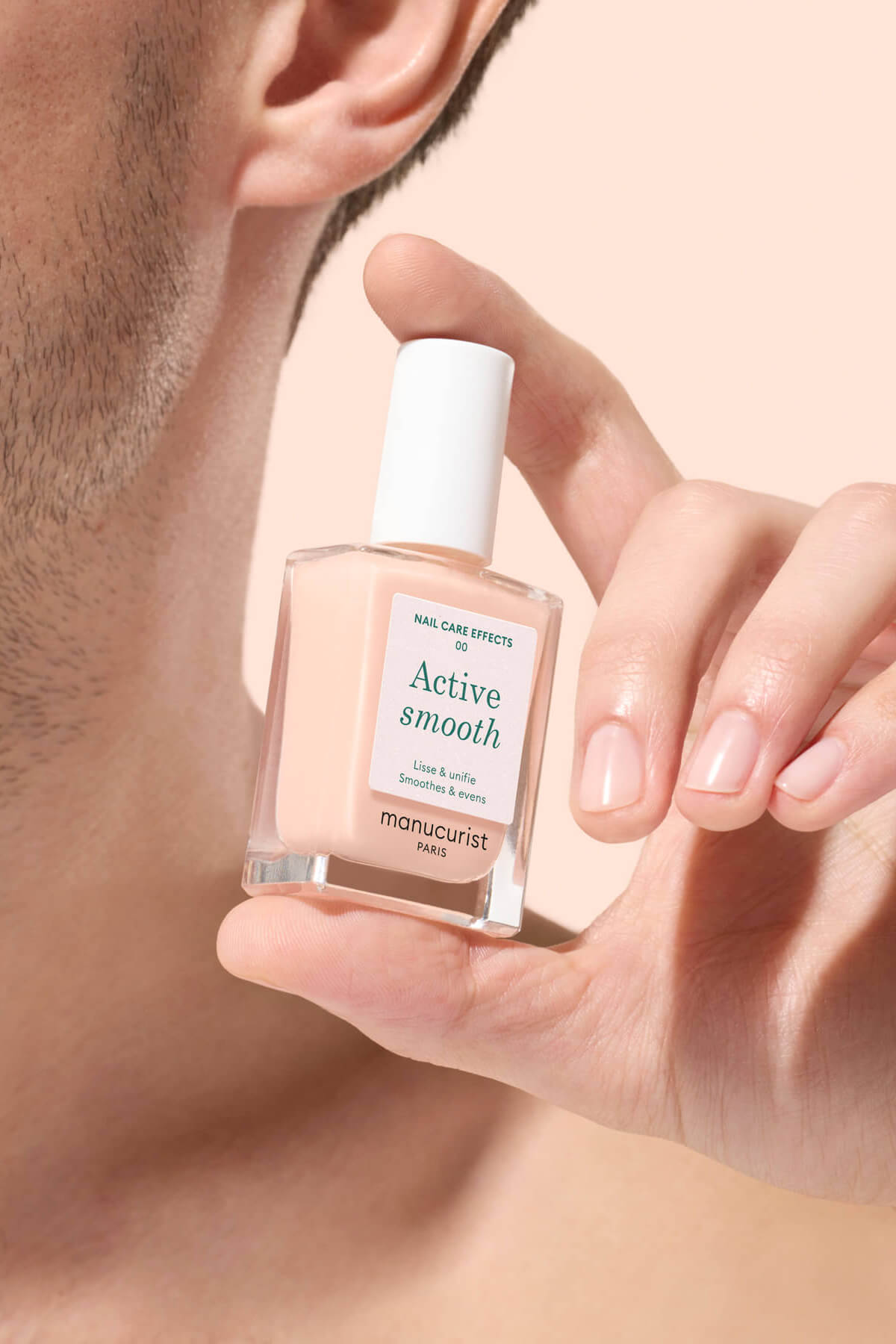
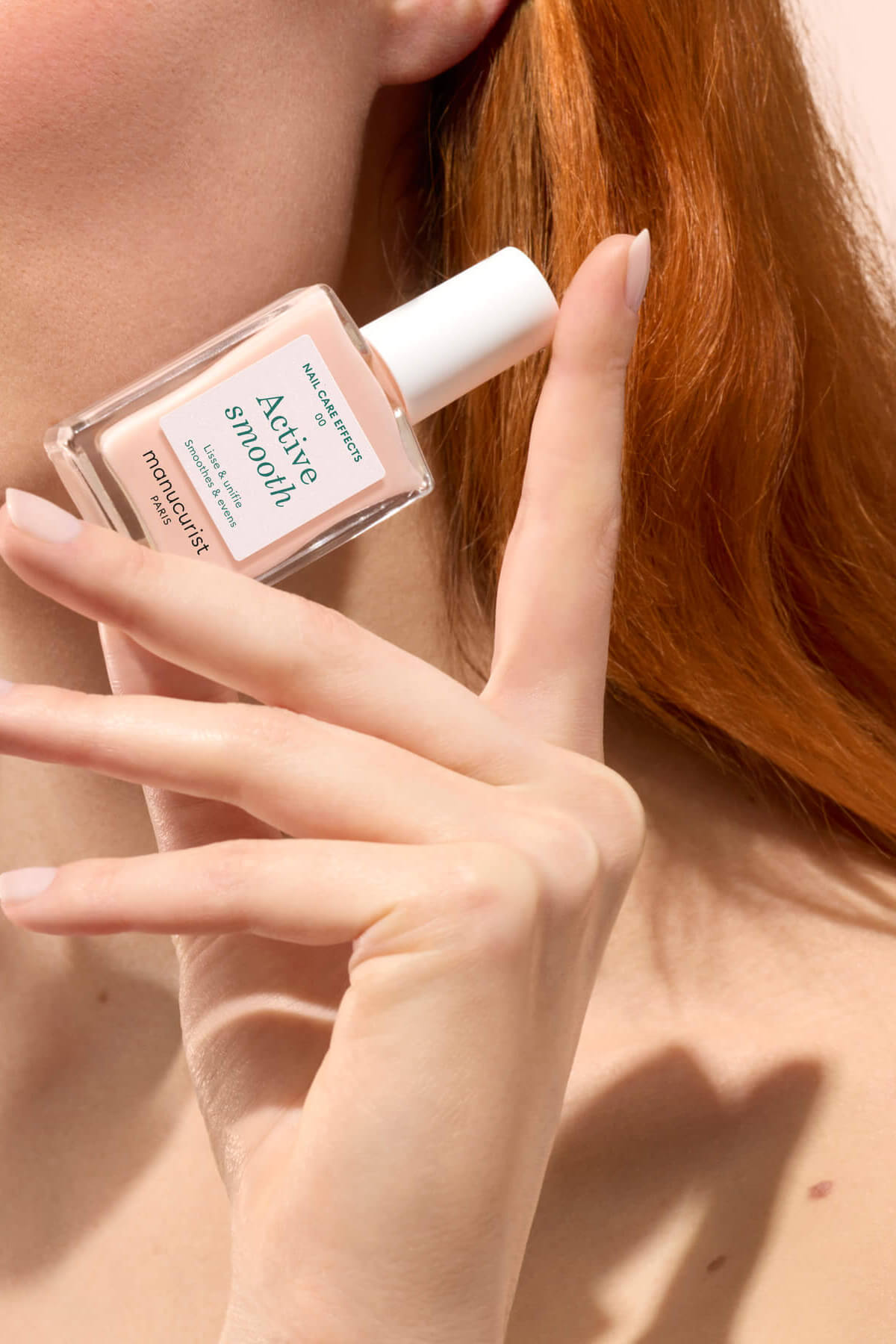
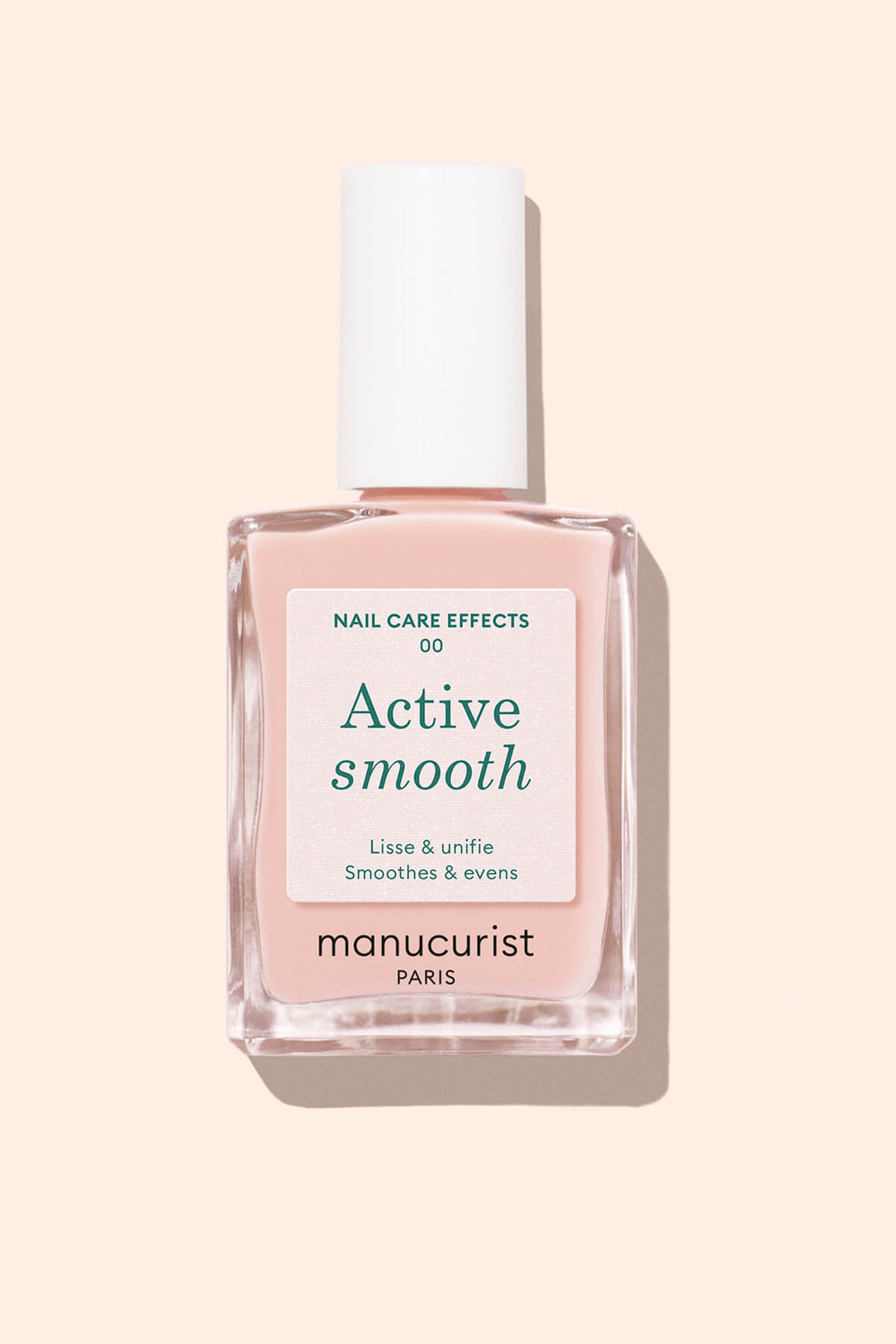
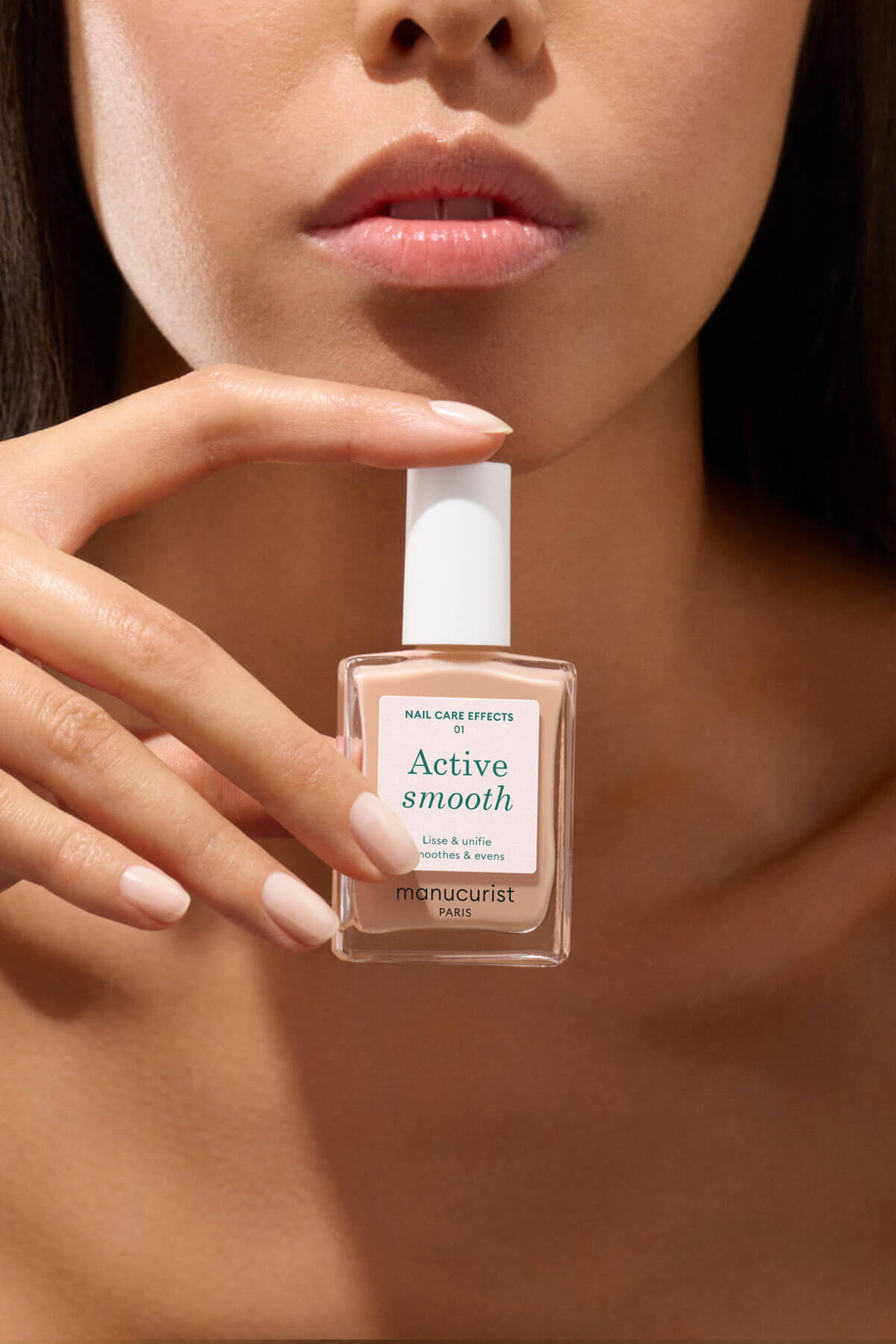
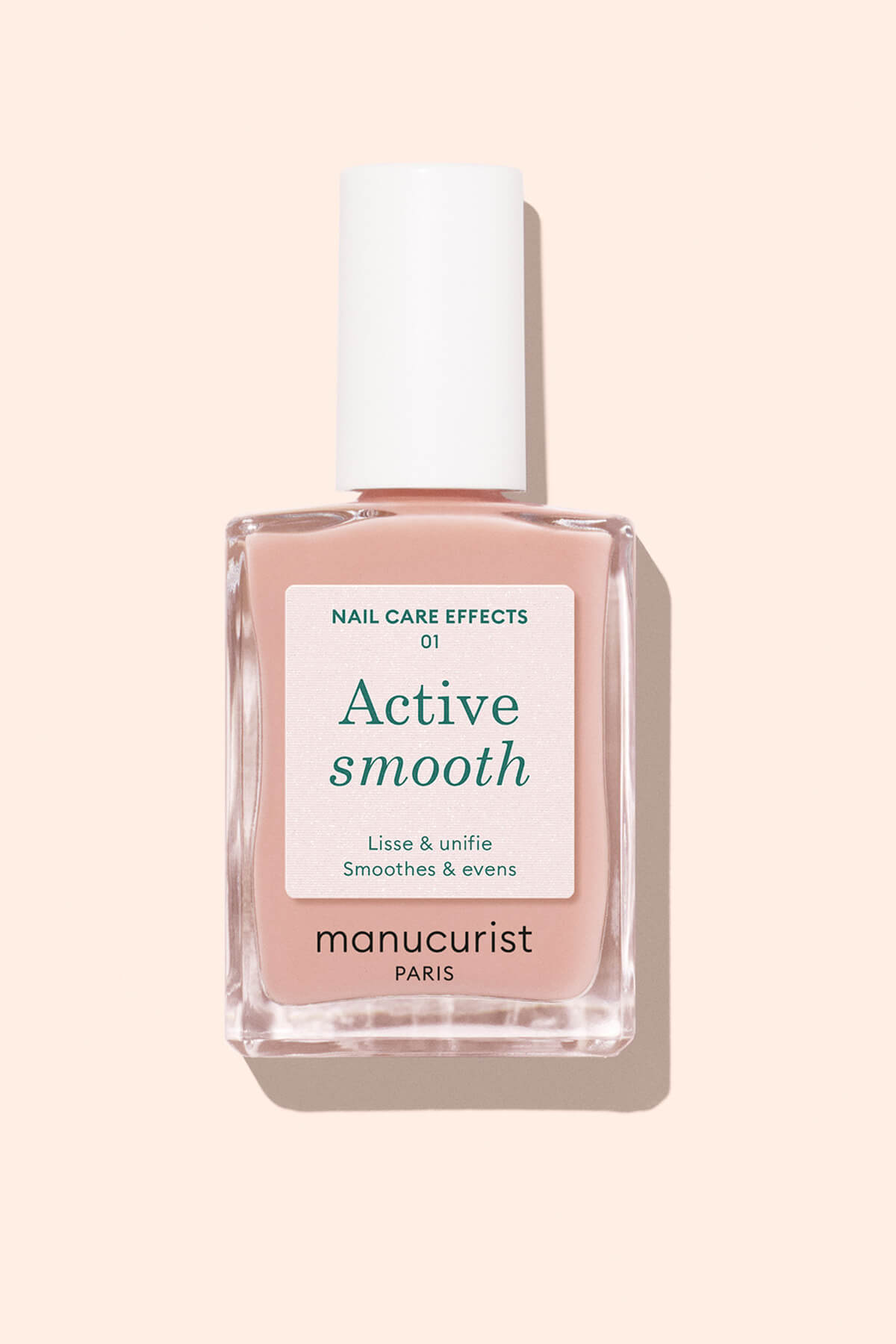
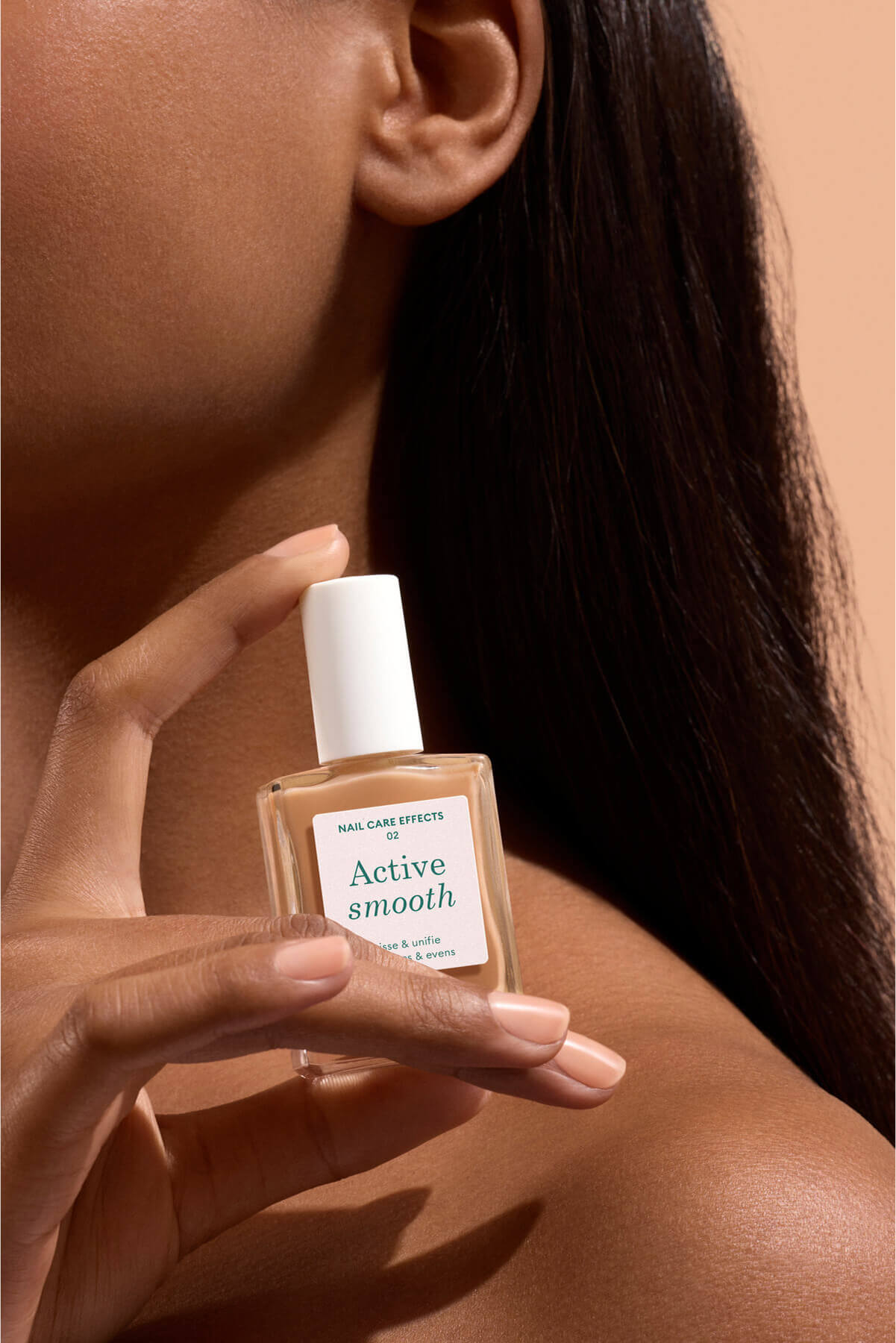
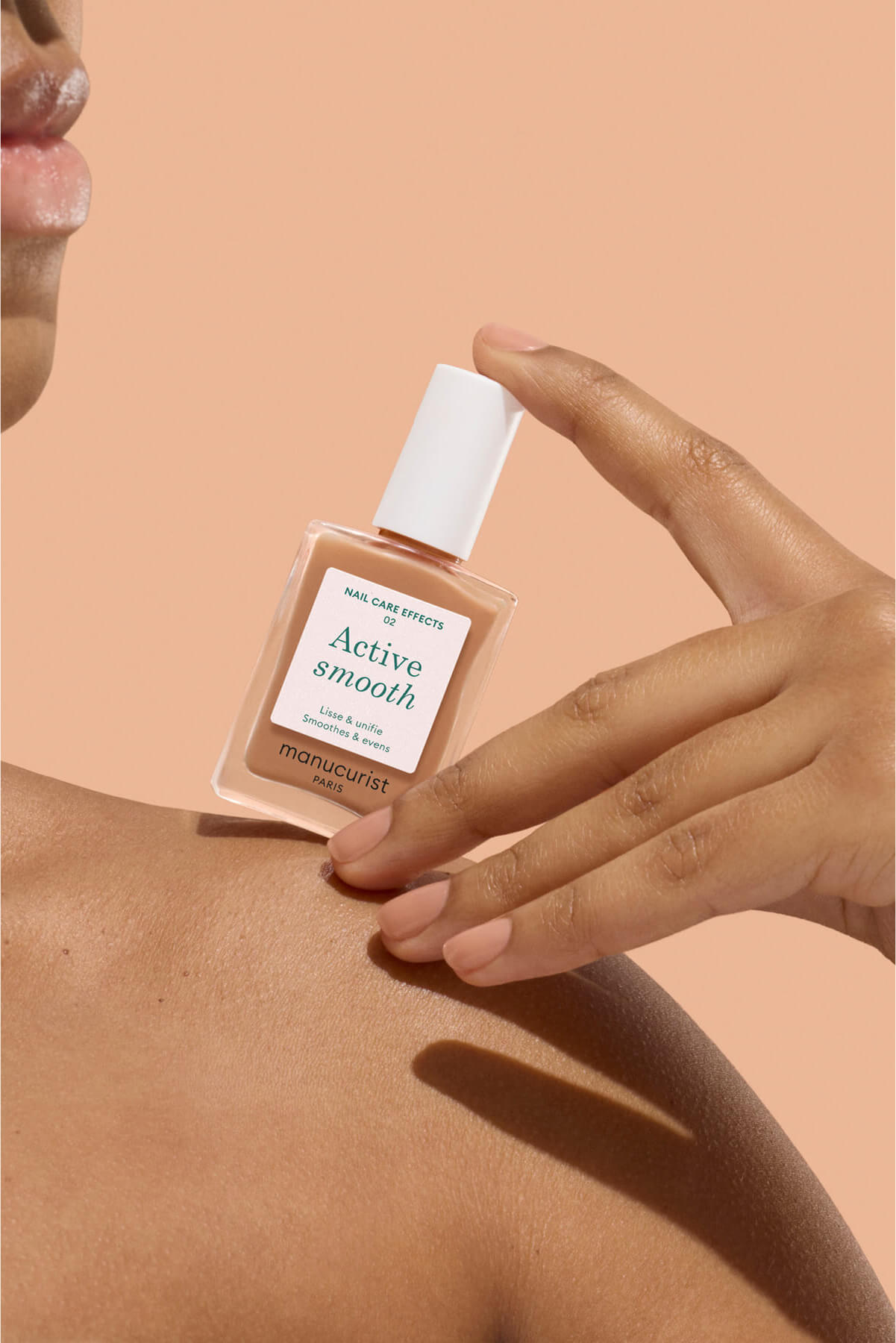
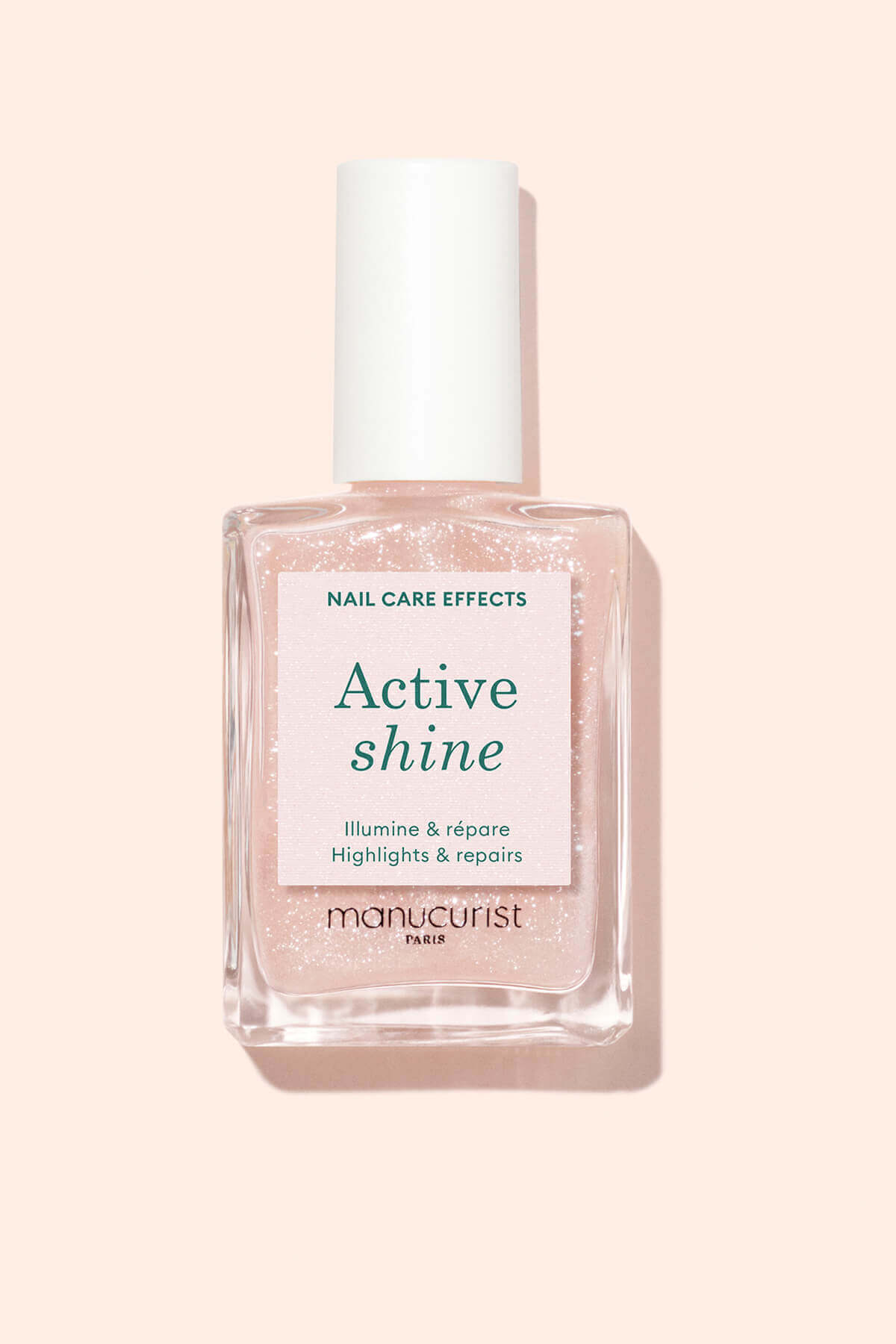
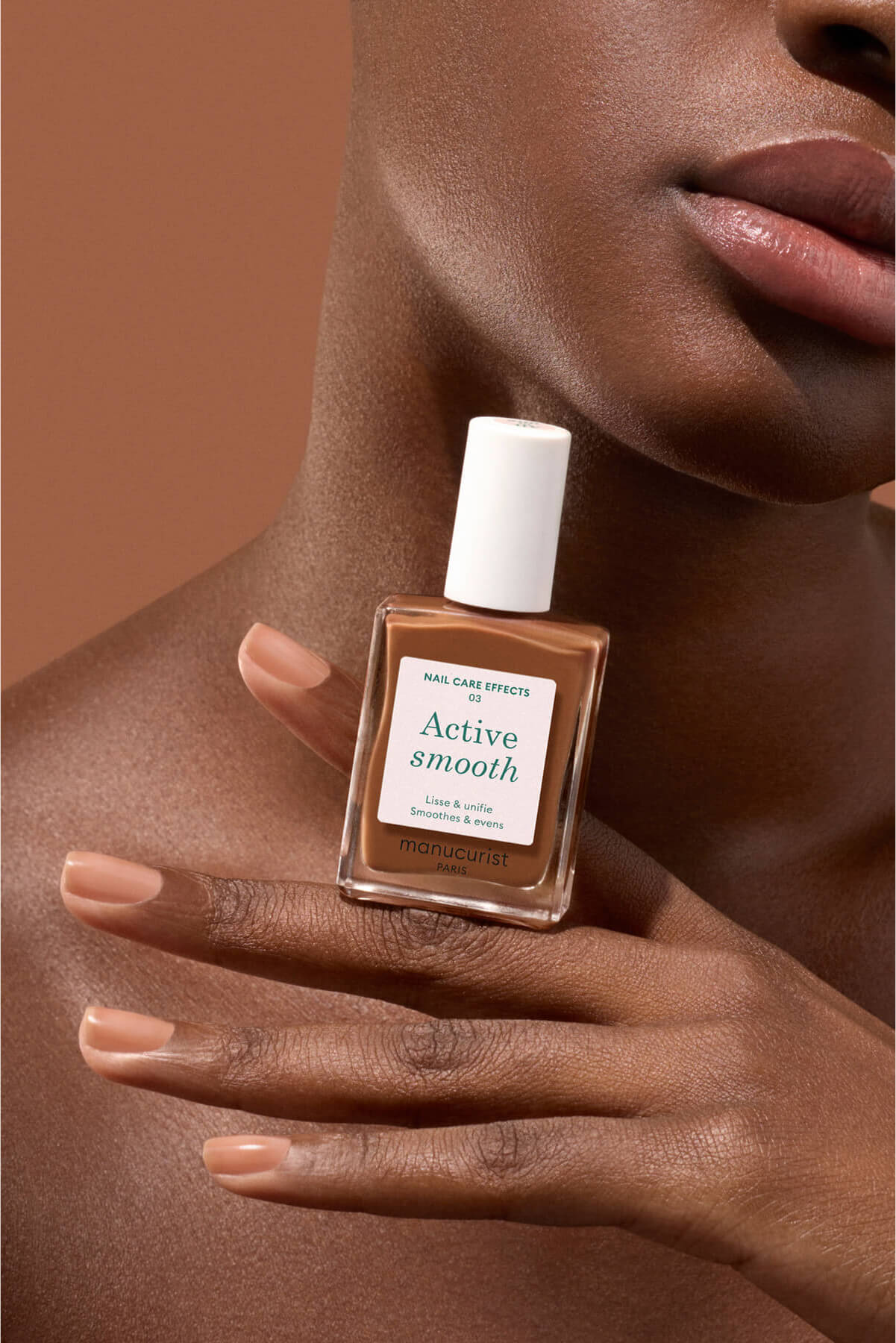
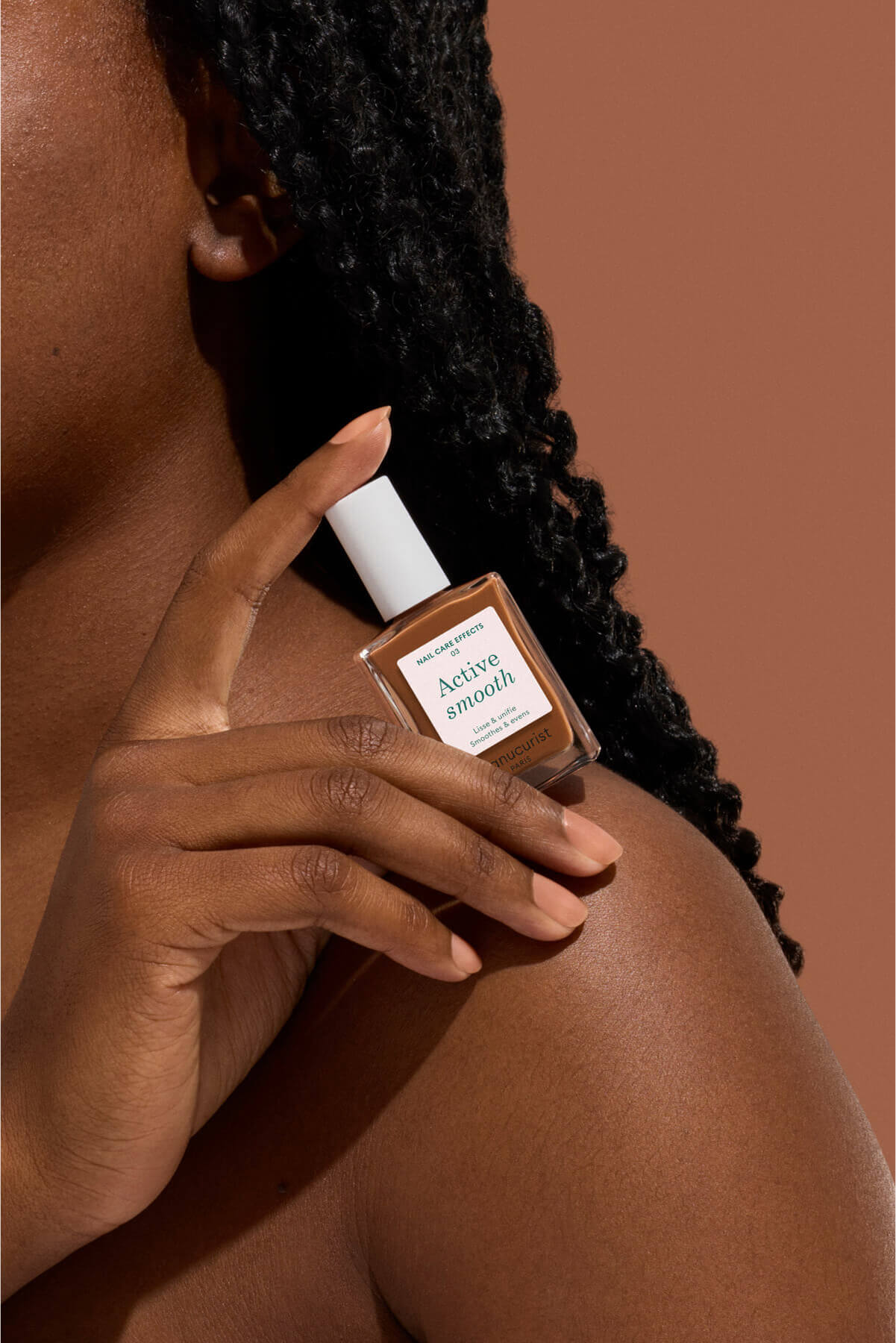
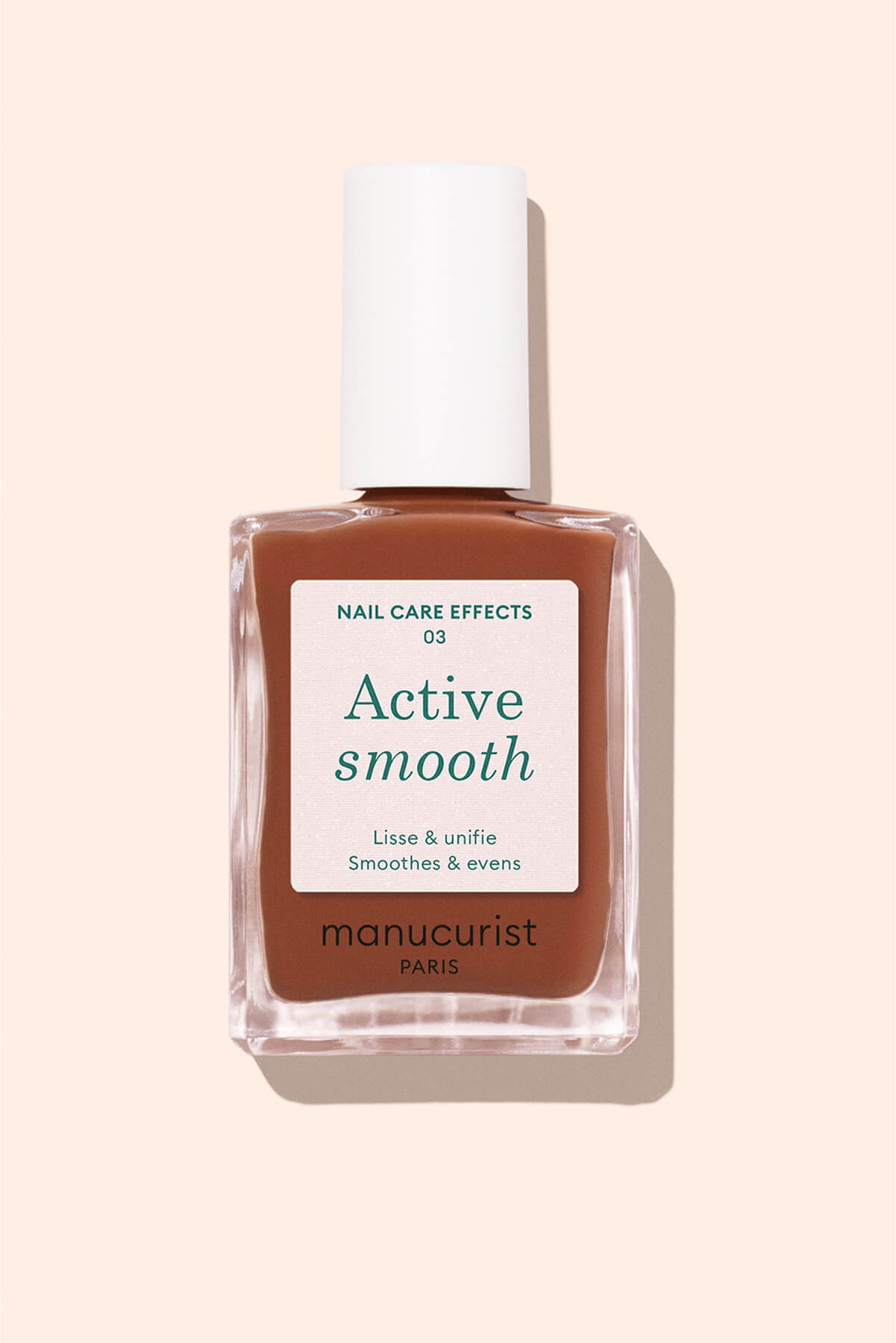
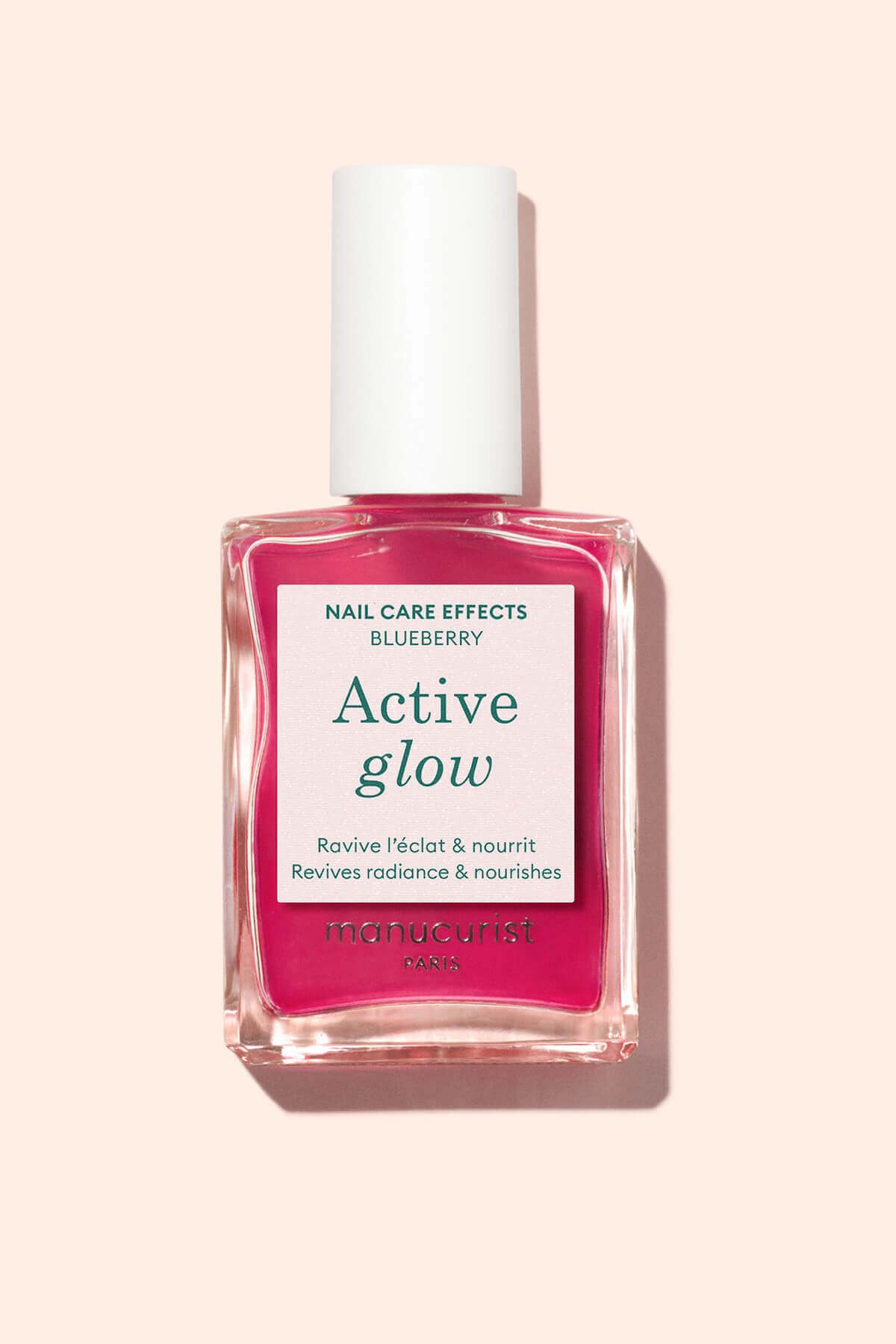
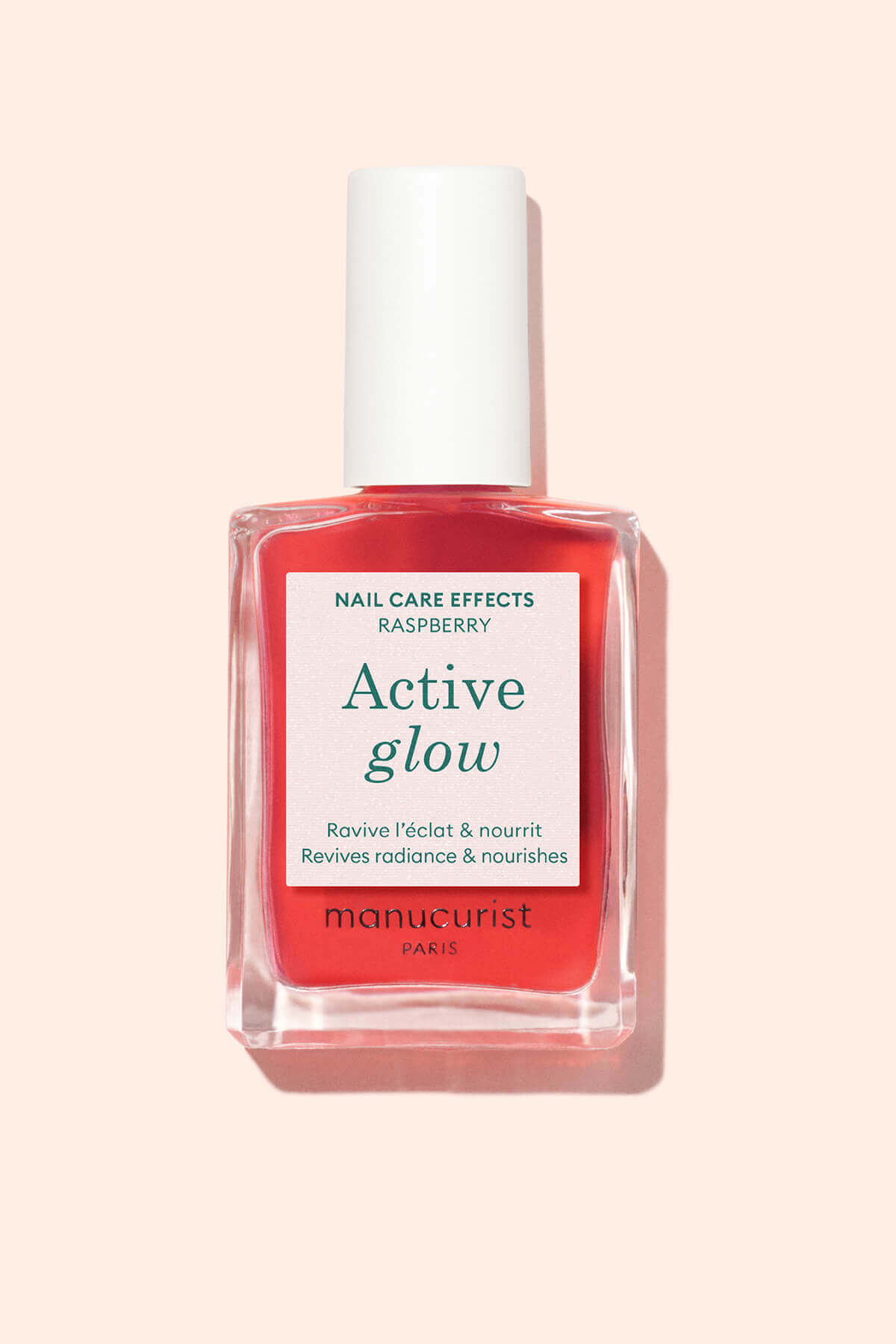
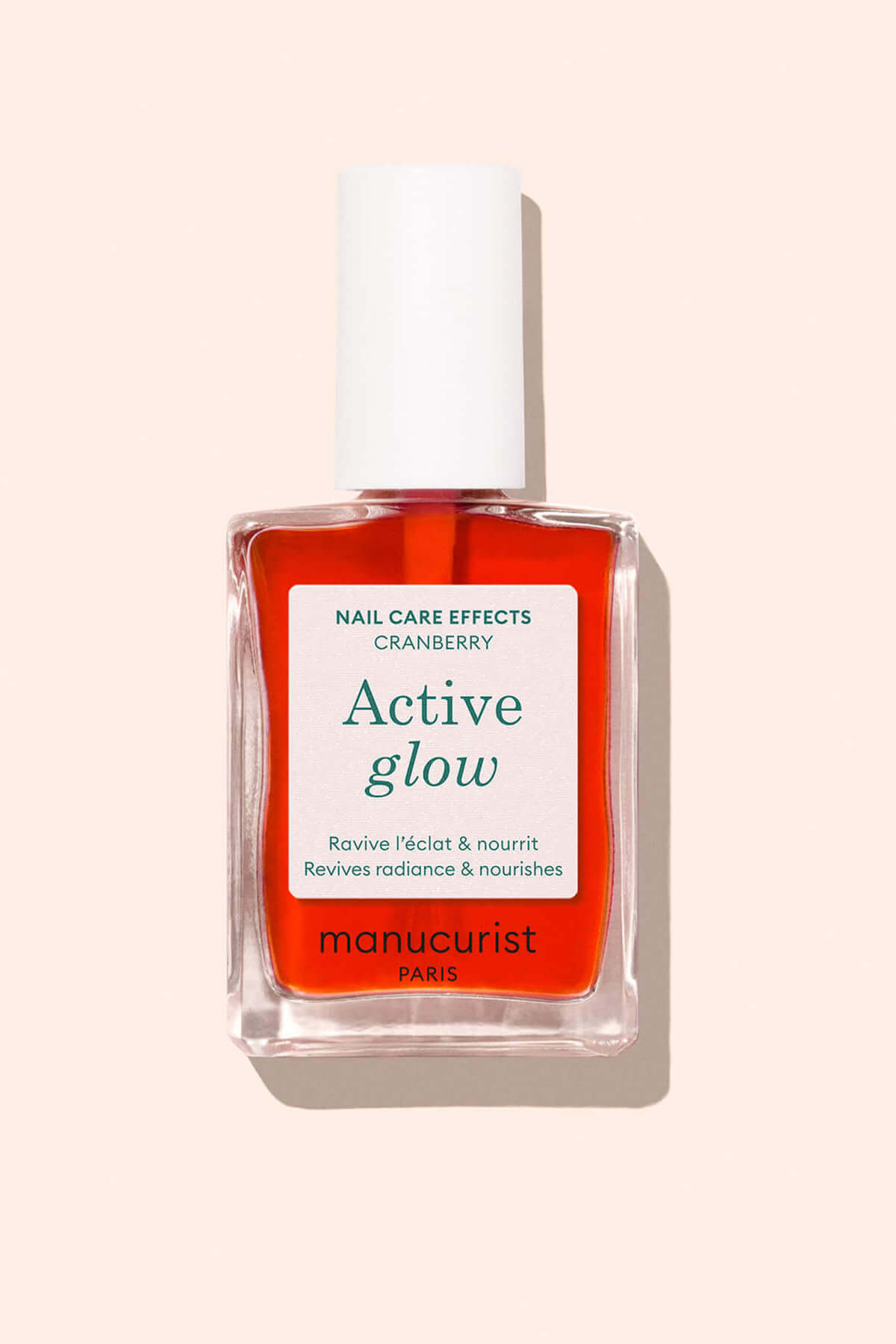
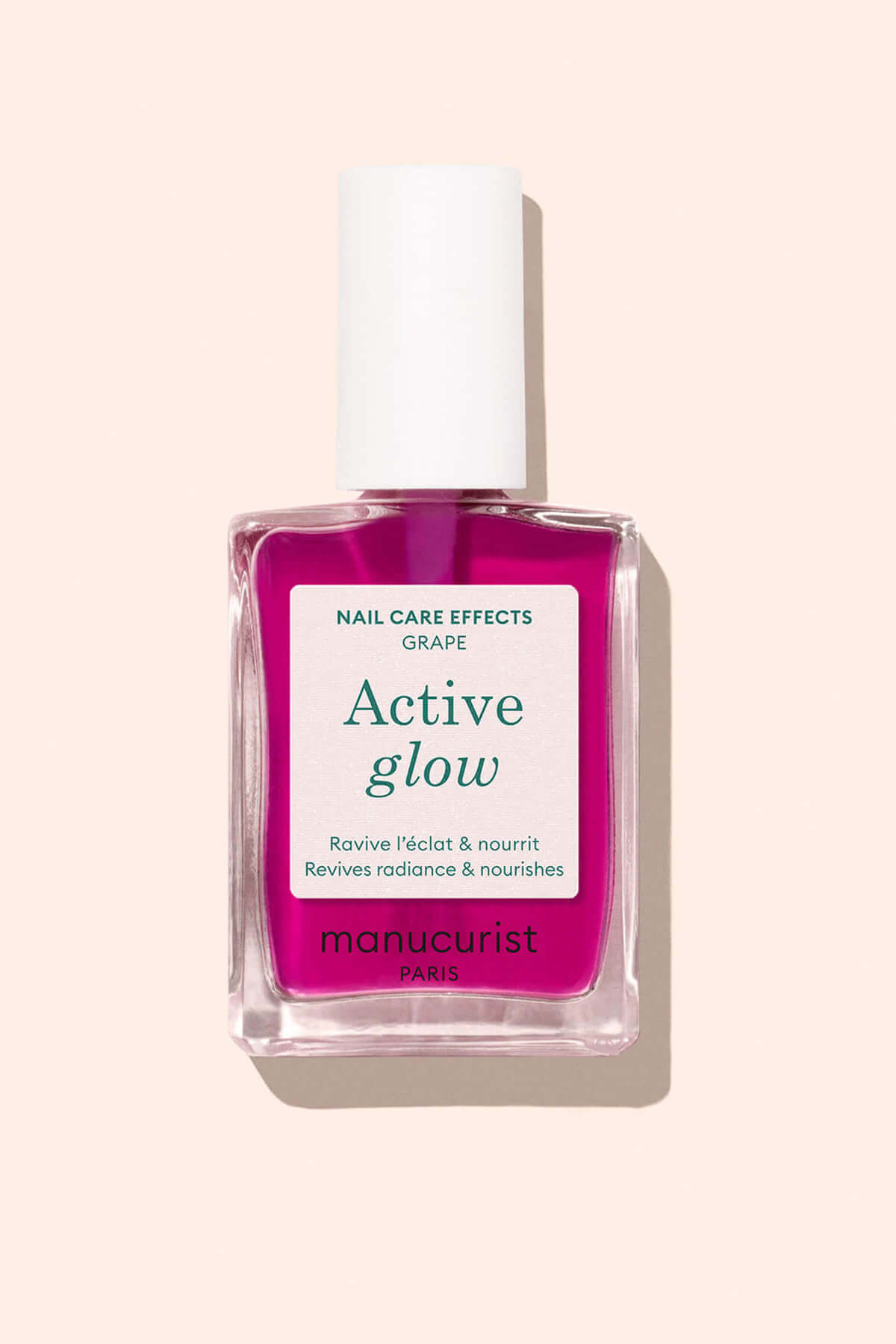
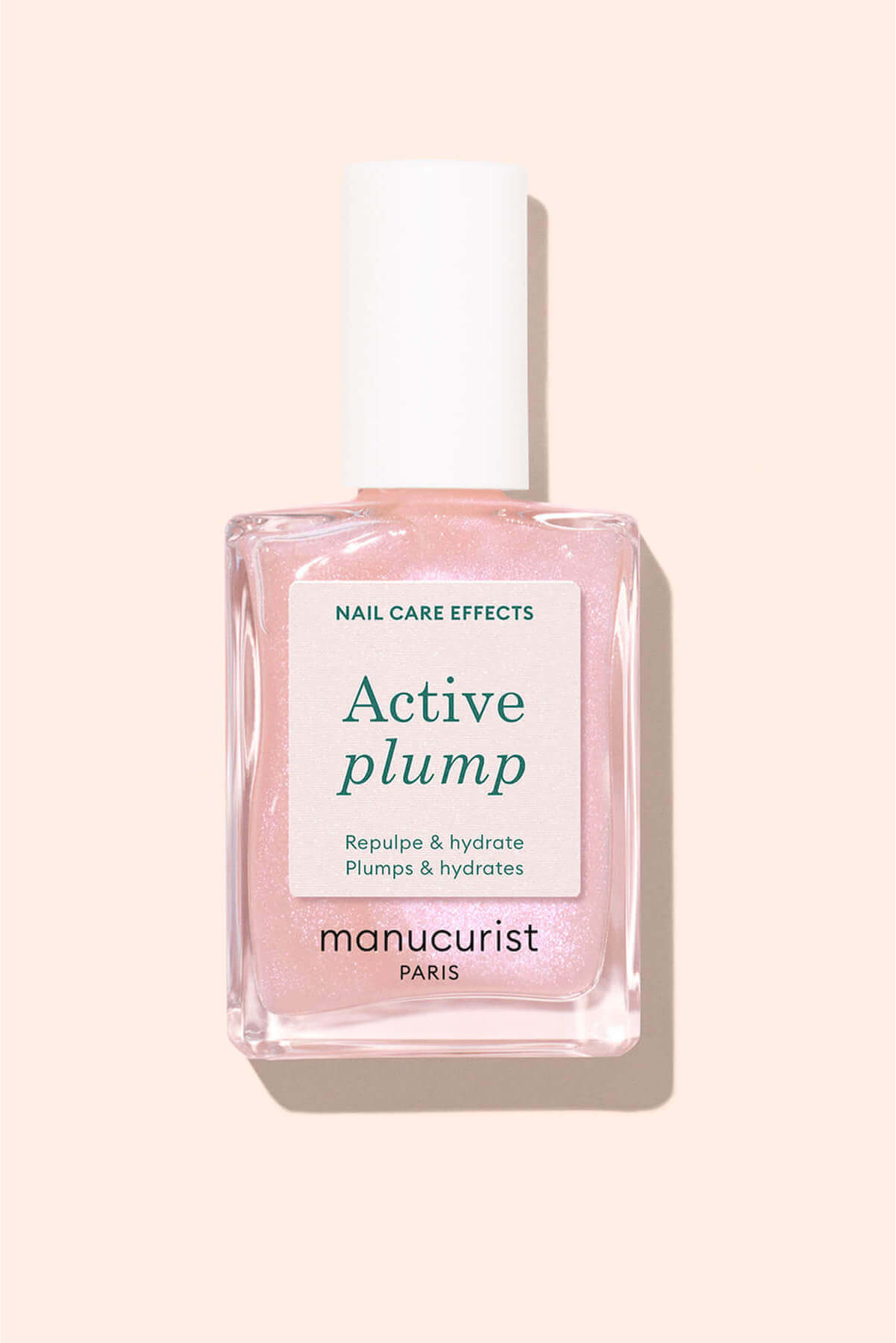
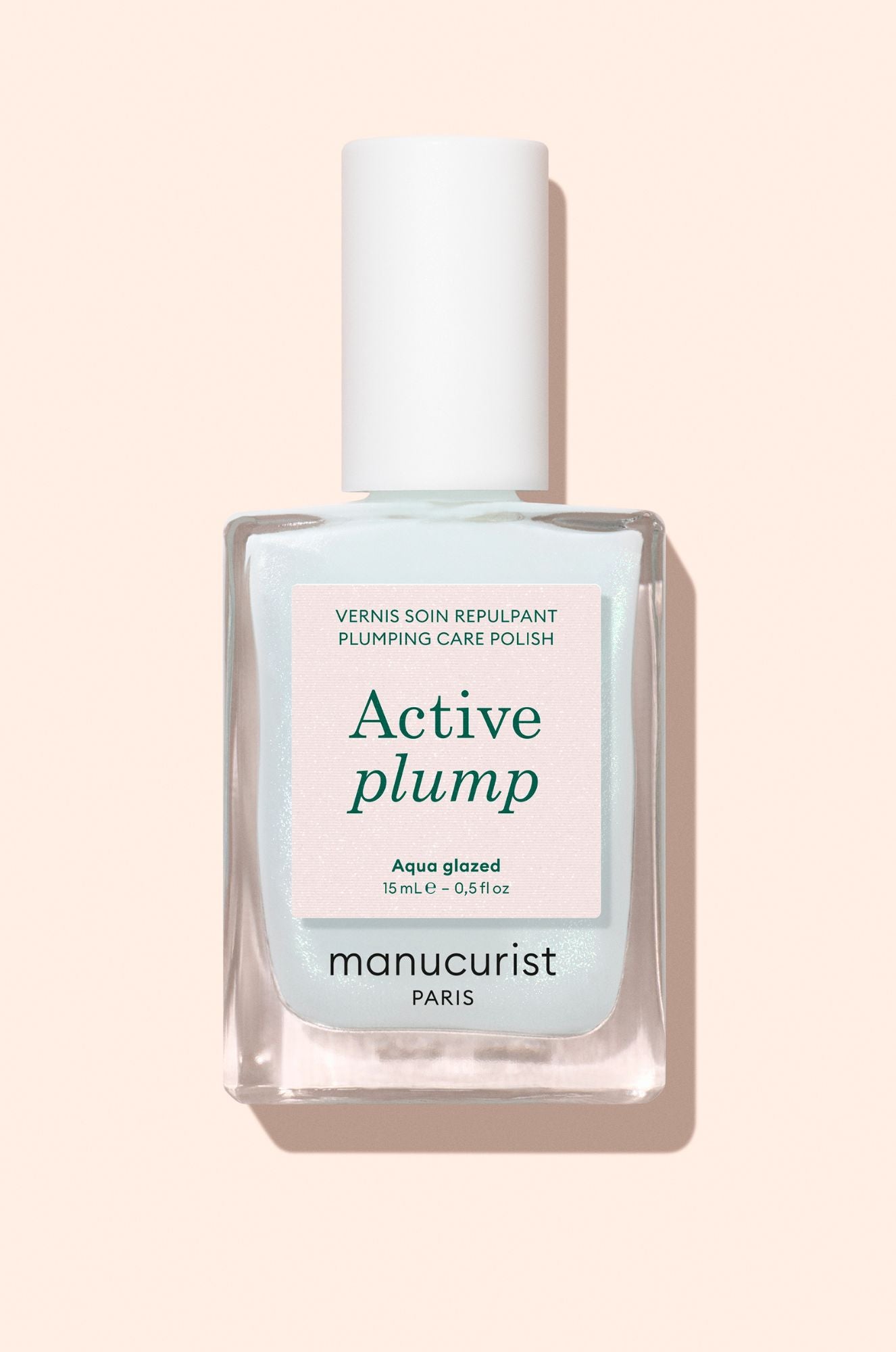
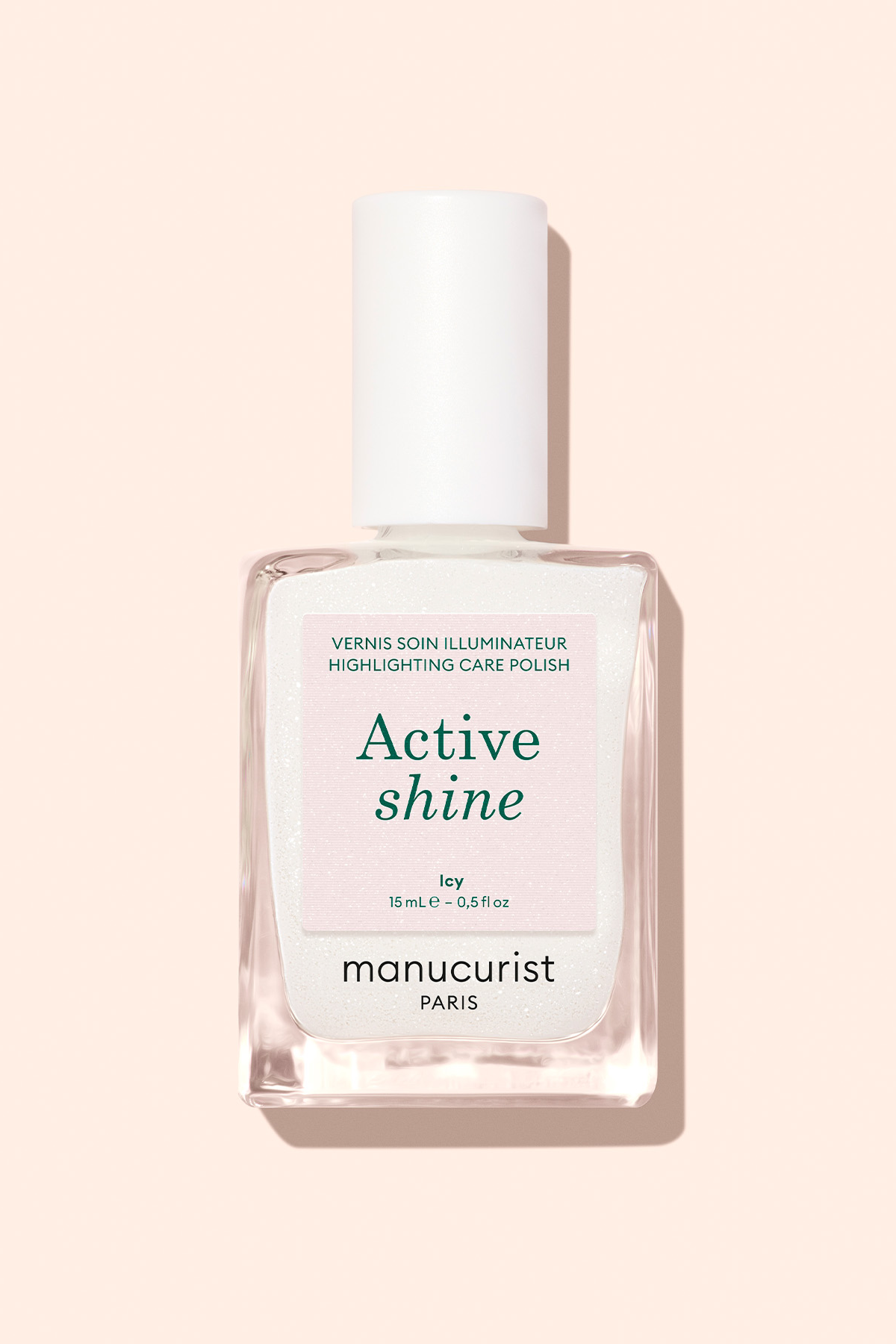
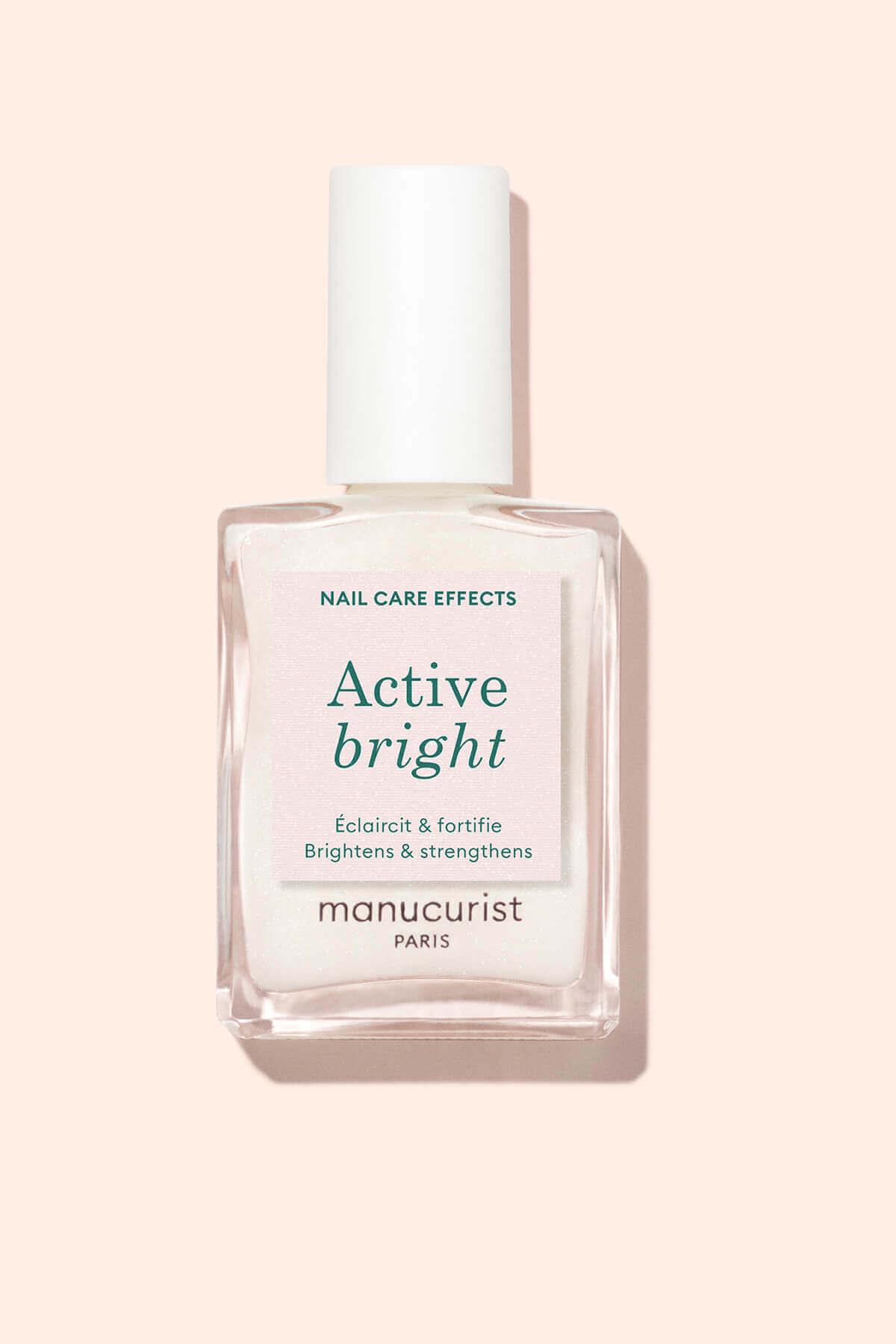
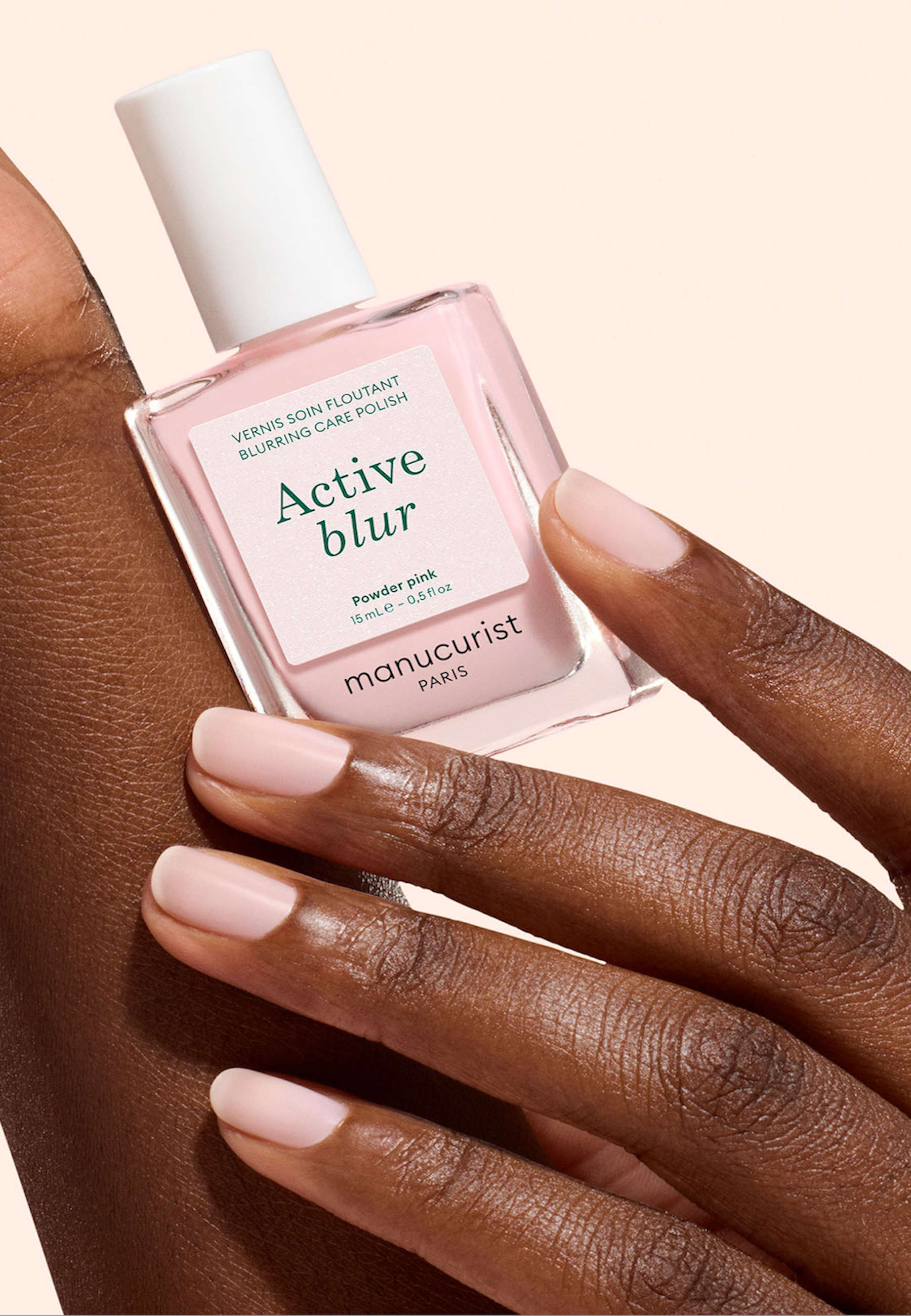
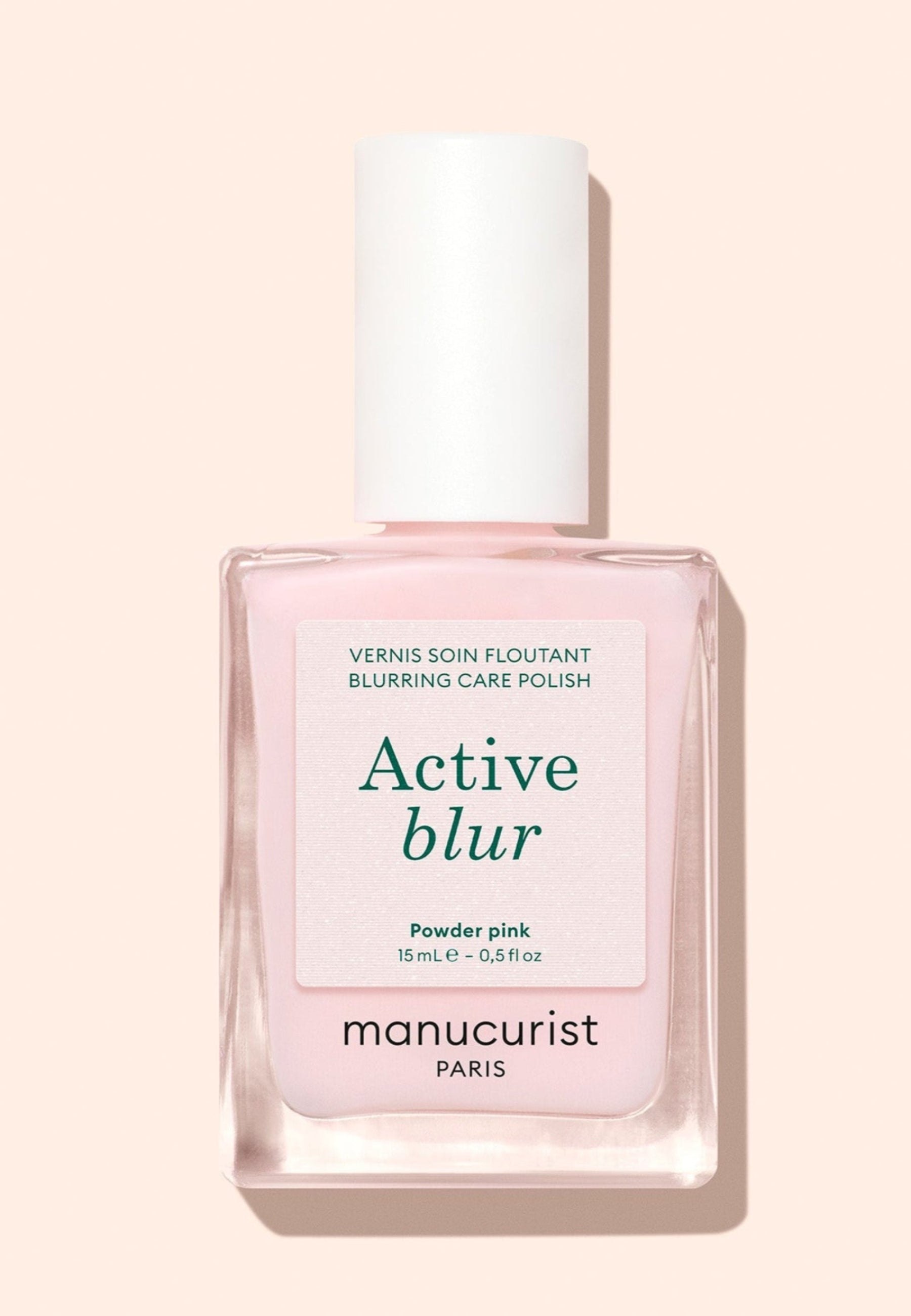
Today, manicure goes beyond mere coloring: it imposes itself as a a moment of care and relaxationA ritual for yourself. The 21st century opened a new era of nail polish where the bio-based formulas who respect the health of the nails without giving up style and shine. Care is now at the centre of the concerns of the addicts. That's why we developed the Active™ range, bio-sourced varnishes, hybrids between care and make-up, which strengthens the nails while sublimating them.

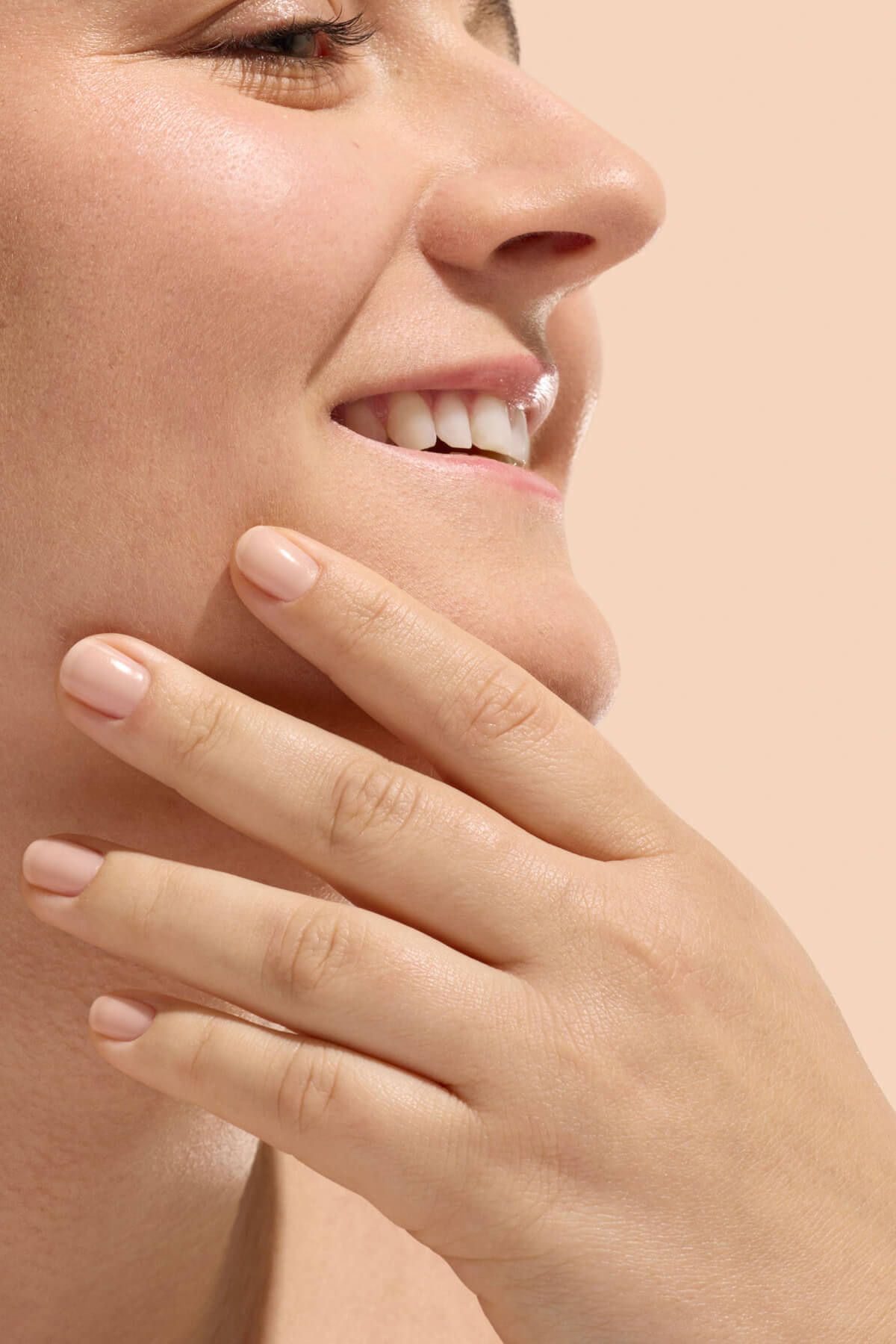
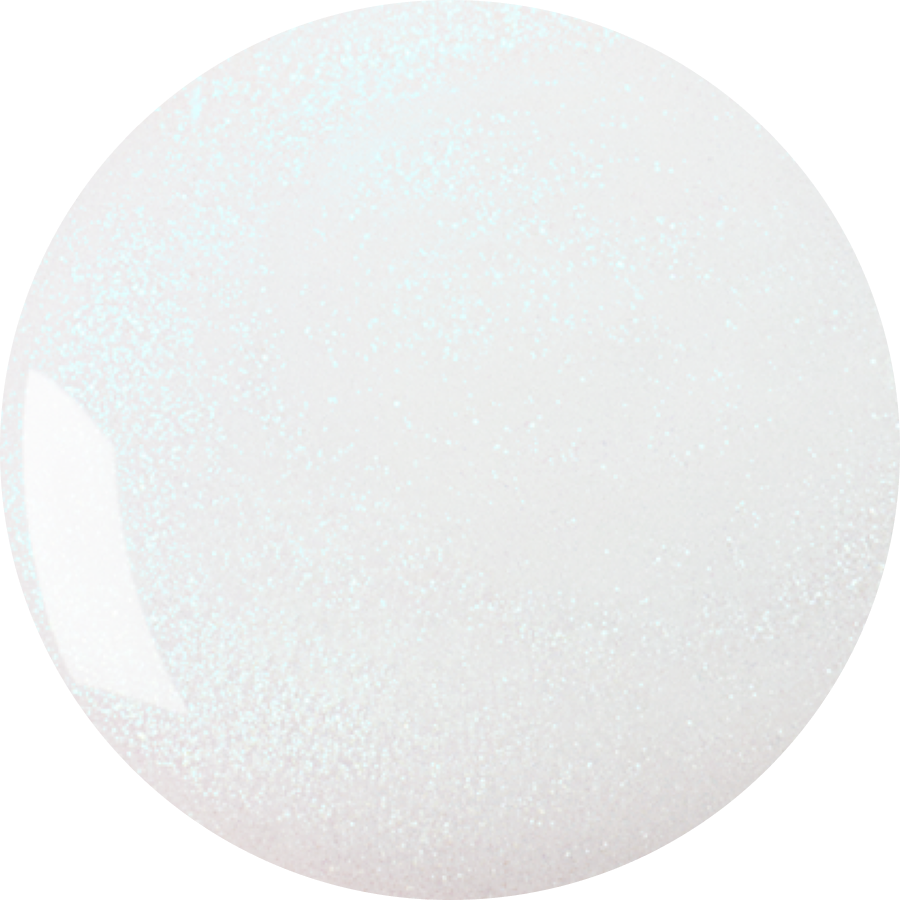
Active™ varnishes allow you to achieve a minimalist and ultra-trend manicure while strengthening your nails.
From Babylonian kholl to bio-based formulations, nail polish has thus passed through the centuries by adapting to our lifestyles. D-D-D-Distinction tool with expression symbol, it has become the reflection of our time: responsible and affirmed. And then, as we know, a varnish is not just a color... It's a way of being in the world, a gesture as old as it is modern, as intimate as it is universal.
Sources:
Your nails, everyone, Dr. Sophie Goettmann, Southern Acts
History of Beauty - The Nail Polish, Virginie Lamort de Gail, Madmoizelle